
 By

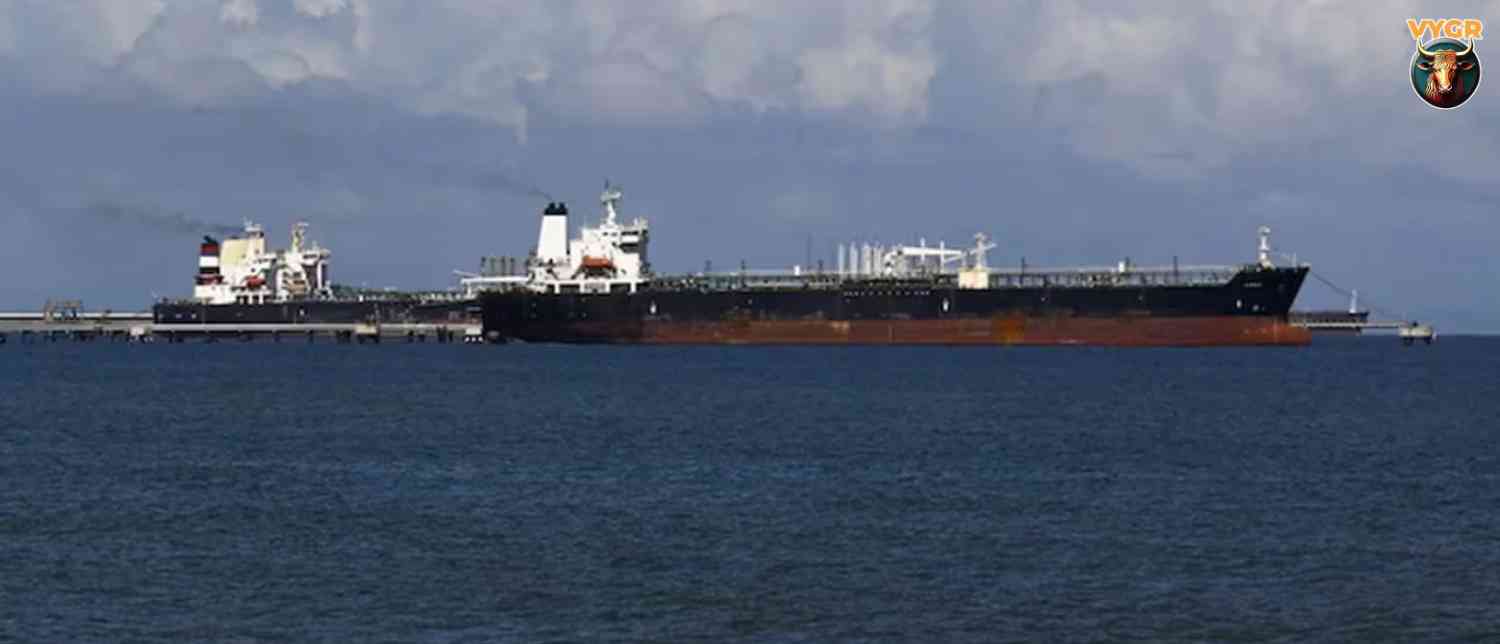
New Delhi: For most of this year, the story of India’s cooking gas has been about what could not get through. Lately, it has become a story about how supply is finding a way anyway. LPG imports rose sharply as Gulf suppliers moved cargo in stages, with fuel handed from one ship to another at sea, instead of sending a single vessel on a direct run through the Strait of Hormuz. The same method has been seen in crude and LNG flows out of the Gulf.
It is a workaround, not a return to normal. But in a country where roughly six in ten households cook on LPG, even a partial recovery matters.
Key takeaways
- Imports are climbing. Volumes have risen sharply after months of disruption.
- Ship-to-ship transfers are driving the Gulf recovery. Smaller vessels carry cargo out of the Gulf and pass it to larger tankers waiting in open water.
- The UAE has retaken the lead. It overtook the US in September, supplying about 547,000 tonnes, or 39 per cent of imports.
- The US surge has cooled. America supplied 73 per cent of imports in July but only 23 per cent in September.
- Consumption is recovering from a low base. It was 2.61 million tonnes in October, up about 2.8 per cent on September, but still about 12 per cent below a year earlier.
- The exposure remains. India imports about 60 per cent of its LPG, and roughly 90 per cent of that used to come through Hormuz.
How the workaround works
Think of it as a relay race instead of a marathon. Rather than a large gas carrier loading in the Gulf and sailing straight to India, smaller vessels take LPG out through the strait and carry it to the Gulf of Oman. There it is transferred to bigger carriers that complete the voyage to Indian ports.
Analysts say several things have made this possible. Some ships have been escorted with US military help. Shuttle vessels move cargo through the strait to others waiting nearby. And Gulf producers have used pipelines to bypass the strait altogether.
The UAE has leaned on this approach most. It has moved fuel through a pipeline to its east coast and shuttled cargo on smaller ships, and its state energy company said it would deliver all contracted LPG volumes to Indian buyers for October. Reports said the plan included five cargoes for Indian Oil and three each for BPCL and HPCL.
How India got here: a 2026 timeline
| Period | What happened |
|---|---|
| Pre-crisis | About 60% of India’s LPG was imported, with nearly 90% of that passing through Hormuz |
| February | Imports were about 2 million tonnes |
| Late February to March | Hormuz disruption cut imports to about 1.1 million tonnes in March; about 20 Indian vessels, including LPG carriers, were stranded in the Gulf |
| March | Two state-owned carriers, Shivalik and Nanda Devi, were cleared to cross the strait |
| Spring to summer | The US became India’s biggest supplier, helped by a term deal signed earlier |
| July | US cargoes hit a high of about 896,000 tonnes, or 73% of imports |
| August | UAE supply fell to about 193,000 tonnes (13% share) |
| September | UAE rebounded to about 547,000 tonnes (39% share); US fell to 23%; total imports 1.39 million tonnes (down 4%) |
| October | Imports rose sharply |
What changed between August and September
Gulf supply did not creep back; it jumped. The UAE’s September volume was up 182 per cent from August. That is the clearest sign that the ship-to-ship approach and bypass routes were working at scale. The US share fell as Gulf cargoes returned, with US volumes dropping 58 per cent month on month to about 323,000 tonnes.
The September data also held a warning. Total imports slipped 4 per cent, which means more Gulf gas simply replaced American gas and did not add to the total. The October rise is the first sign that overall volumes may be growing.
The other side of the story: demand and domestic supply
Imports are only half the equation.
Consumption is rebounding but still depressed. Provisional government data show LPG consumption of 2.61 million tonnes in October, compared with 2.97 million tonnes a year earlier, a fall of about 12 per cent. Over April to October, the decline is sharper, about 14.5 per cent, to 16.31 million tonnes. The month-on-month picture is brighter: October was the eighth-month high and the sixth straight month of growth, up about 2.8 per cent from September.
Refineries have stepped up. State refiners raised LPG output to about 44,000 tonnes a day in the autumn, nearly a fifth above the August average. By late October, the petroleum minister said domestic production had risen from about 34,000 to 55,000 tonnes a day. He also said India’s import sources had grown from 27 to 41 countries, and that household supply stayed uninterrupted.
Households are being nudged toward piped gas. The government has encouraged families with access to piped natural gas to move off LPG and asked city gas companies to expand networks faster. Restaurants, hotels and some households switched when LPG was scarce. India’s LNG imports are also heading for a record in October.
What the minister’s numbers don’t settle
The petroleum minister has described the US as a major source. Shipping data for September show a much smaller US share than in the summer, so the picture varies depending on the month and measure. Treat any single share figure with care, and check which period it covers.
The costs and risks
- Money. Longer routes, extra handling, insurance, and freight all add to costs. An analyst has described India as paying a premium for supply security.
- Operational risk. Transferring cargo at sea is more complex than a direct delivery, and it takes place in a conflict zone.
- Concentration. Even with new suppliers, India’s LPG remains heavily tied to one chokepoint. Diversification has lagged behind consumption growth.
- Fragility of the recovery. Any fresh escalation near Hormuz could undo the gains quickly.
What to watch next
- November import data, to see whether the October rise is sustained.
- The UAE’s share against the US, Algeria, and other suppliers.
- Hormuz transit numbers, since steady increases would ease the need for workarounds.
- Consumption after Diwali, to see whether demand keeps recovering.
- A possible tender for US term cargoes, reportedly up to a fifth of next year’s imports.
- Prices and freight costs, which show how much the workaround adds.
- Pace of PNG expansion, which could permanently reduce LPG dependence.
© Copyright 2026. All Rights Reserved. Powered by Vygr Media.