 By
By 
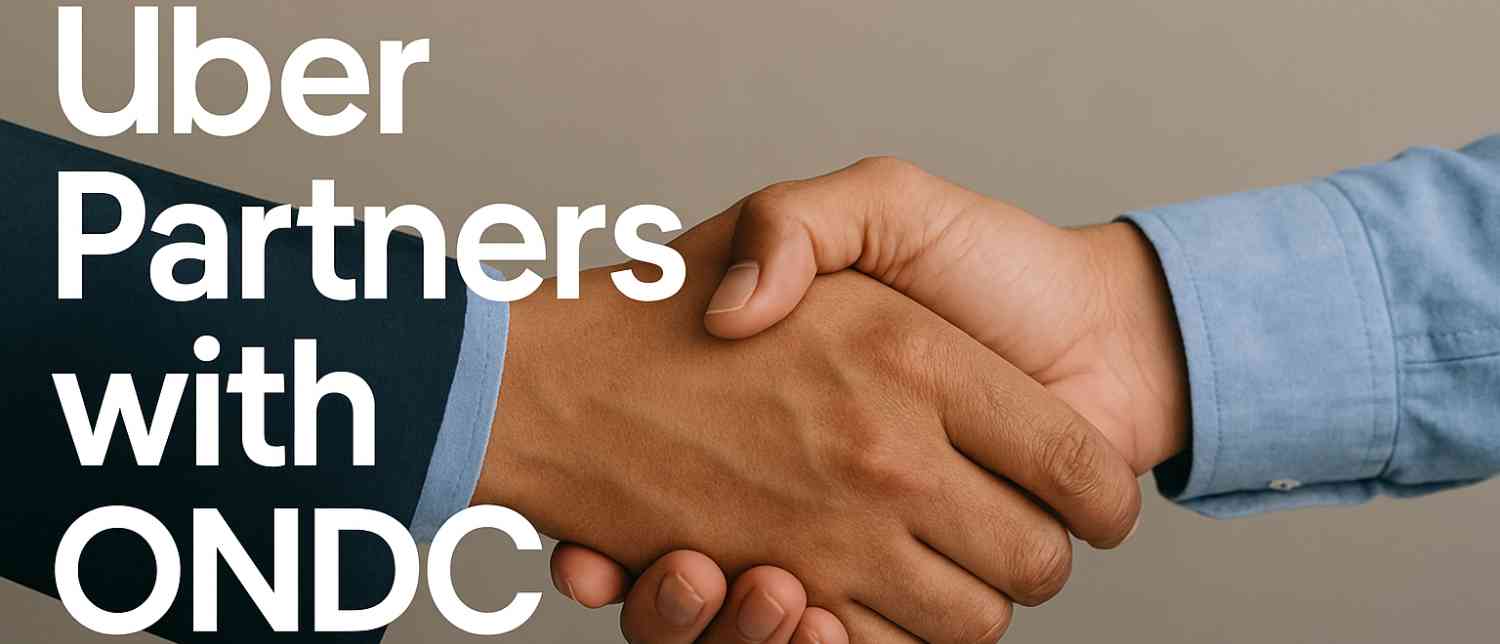
Uber has taken a significant step toward expanding its services in India, unveiling its entry into the business-to-business (B2B) logistics space and rolling out metro ticketing in Bengaluru—both powered by the Open Network for Digital Commerce (ONDC). The twin launches mark Uber’s growing ambition to position itself not only as a ride-hailing platform but as a multi-service ecosystem built on top of India’s rapidly evolving digital public infrastructure.
For Uber, India has long been a strategic market, but these new services highlight a deeper commitment to offering integrated mobility and commerce solutions. With Bengaluru—the country’s technology capital—as its newest testing ground, Uber appears poised to transform how people and businesses move, shop, and deliver.
Why Bengaluru Is Central to Uber’s Expansion Strategy
Uber chose Bengaluru for its latest ONDC-powered offerings because of the city’s long-standing reputation as India’s innovation hub. With a vibrant tech workforce, a sophisticated commuter base, and an early-adopter mindset, the city offers fertile ground for next-gen mobility experiments.
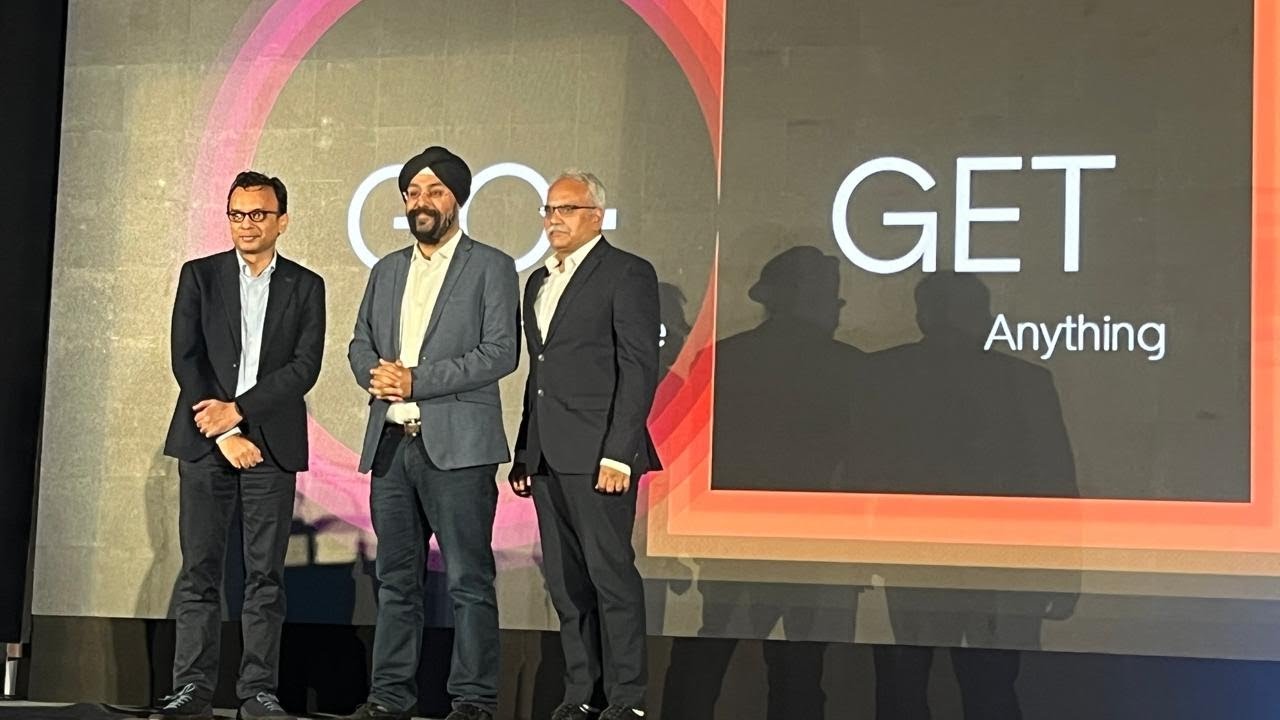
“Bengaluru is a playground for innovation, so it is a natural place for us to deepen our integration with ONDC and solve for mobility and logistical needs for people and businesses,” said Prabhjeet Singh, President of Uber India and South Asia. He emphasised that with these launches, Uber is actively moving closer to its broader mission: helping people “Go anywhere, Get anything.”
Bengaluru’s vast network of businesses—ranging from quick-commerce startups to retail brands—combined with a massive daily commuter base using Namma Metro, offers Uber the perfect test environment to scale both delivery and public transit services simultaneously.
Uber Direct: The Company’s Foray Into B2B Logistics
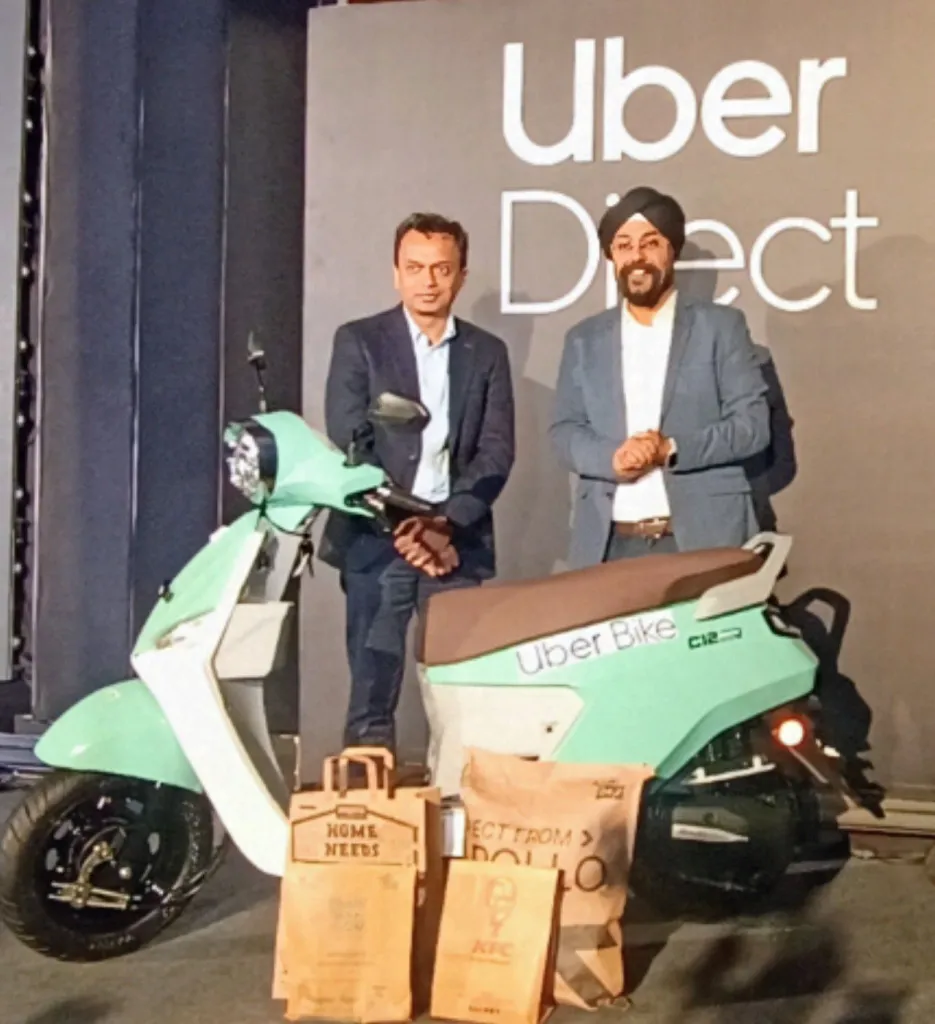
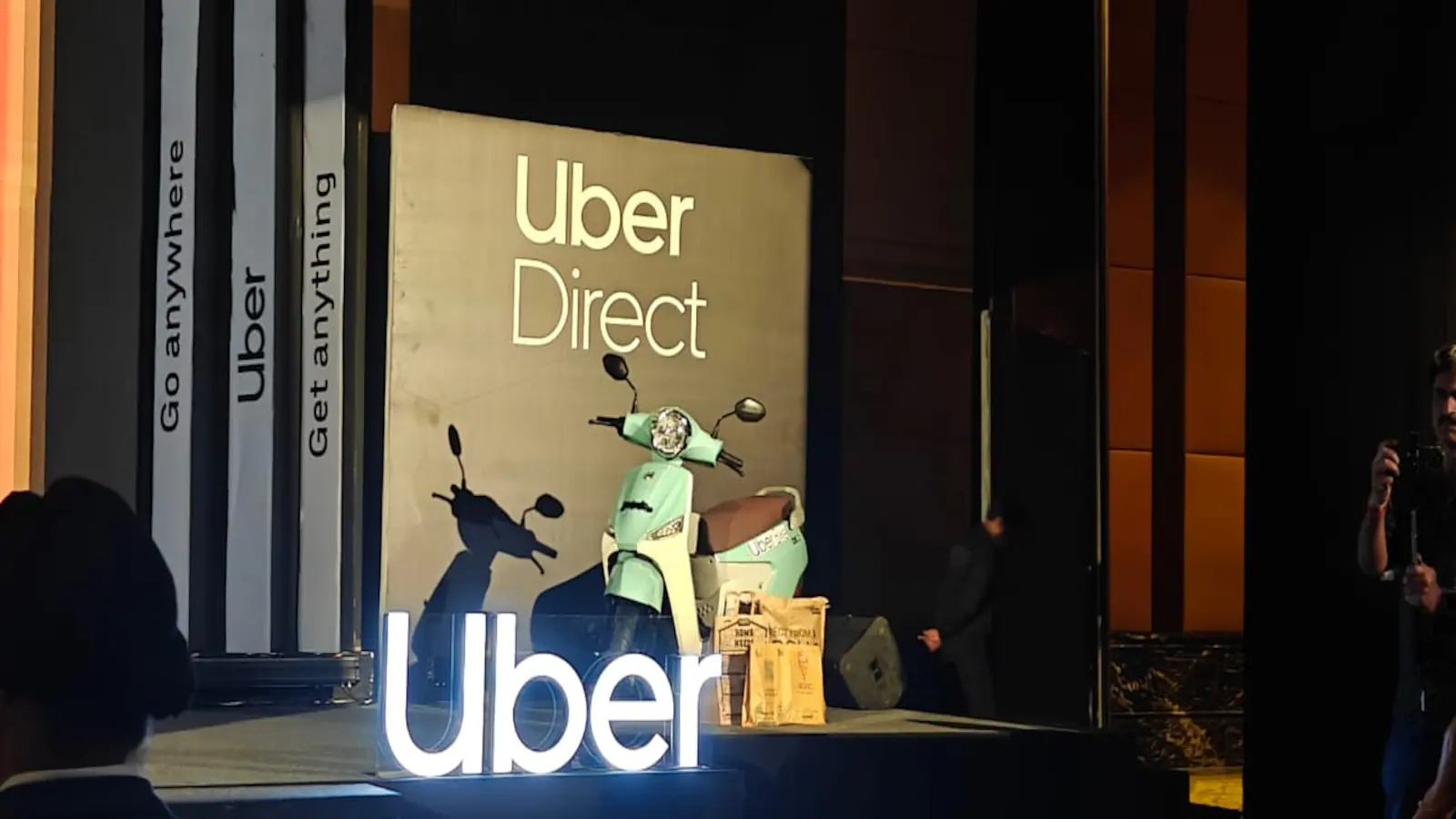
The biggest announcement from Uber was the launch of Uber Direct, a B2B logistics solution operating through the ONDC network. This marks Uber’s formal entry into enterprise delivery services, expanding beyond its traditional consumer services.
How Uber Direct Differs From Uber Courier
While Uber already offers a customer-facing delivery option through Uber Courier, Uber Direct has been designed exclusively for businesses.
-
Uber Courier: Customers book courier deliveries directly through the Uber app.
-
Uber Direct: The end consumer never interacts with Uber. Instead, they place an order on a brand’s website or app, and Uber completes the delivery in the background.
This behind-the-scenes model transforms Uber Direct into a plug-and-play logistics engine for enterprises. Sellers simply integrate with ONDC’s digital rails, and Uber provides a standardized, scalable, and flexible fulfillment layer.
Uber currently has 1.4 million drivers in India, offering a delivery workforce that can support businesses as they scale.
What Uber Direct Is Delivering Today—and What Comes Next
In Bengaluru, Uber Direct has gone live with grocery deliveries for brands such as:
-
Zepto
-
KPN Farm Fresh
Drivers are already fulfilling orders made through seller apps that integrate with ONDC.
The rollout is set to accelerate quickly. Within the next few weeks, Uber Direct will begin powering food deliveries for major global restaurant chains and popular Indian brands, including:
-
KFC
-
Burger King
-
Taco Bell
-
Rebel Foods
-
Local brands such as Three Bolt and others
The service will also handle deliveries of essentials, gifts, and potentially more categories as adoption grows.
Uber believes this expansion will create new earning opportunities for its drivers. Singh noted that drivers who already use the Uber app for rides can seamlessly take delivery jobs through Uber Direct, enhancing income stability and increasing the time they stay active on the platform.
Metro Ticketing Comes to Uber App in Bengaluru
Alongside the logistics launch, Uber also announced metro ticketing for Namma Metro, again using ONDC’s interoperable network. This follows successful launches in Delhi, Mumbai, and Chennai, marking Bengaluru as the fourth major metro system integrated into the Uber app.
The feature allows commuters to:
-
Purchase QR-based metro tickets directly through the Uber app
-
Use UPI as the exclusive payment mode
-
Access real-time metro information to simplify route planning
This integration fits into Uber’s continuing push to embed public transit into its mobility ecosystem, reducing friction for commuters who want a single app for all travel needs—from first-mile rides to metro journeys and last-mile drop-offs.
Support From ONDC and BMRCL
The rollout received strong endorsements from key partners.
Vibhor Jain, acting CEO and COO of ONDC, highlighted Uber’s integration as proof of the potential of interoperable digital commerce.
He noted that Uber Direct, built on ONDC, creates a unified logistics layer that businesses across the network can tap into—driving efficiency and sparking broader innovation.
Dr. J Ravishankar, Managing Director of Bangalore Metro Rail Corporation Limited (BMRCL), praised the partnership for enhancing convenience and boosting connectivity. He added that Uber’s presence strengthens first- and last-mile mobility options for Bengaluru’s metro commuters.
How Uber’s ONDC-Based Transit Integration Fits Into Its India Vision
Uber’s long-term strategy in India combines mobility, delivery, and digital commerce—closely aligned with India’s expanding public digital infrastructure.
The company’s partnership with ONDC opens new pathways:
-
For businesses: A ready-made logistics network that scales without overhead.
-
For commuters: A seamless way to combine ride-hailing, public transit, and ticketing.
-
For drivers: Expanded earning opportunities across ride-sharing and B2B delivery.
Singh pointed out that Uber is not currently chasing aggressive growth targets, but instead is focused on ensuring service quality and fulfilling what consumers expect in terms of reliability and ease of use.
Uber Shuttle: What’s Next?
While discussing future mobility offerings, Singh hinted at Uber’s interest in bringing Uber Shuttle to Bengaluru. The service is already active in Delhi and Kolkata, and has been well-received by commuters there.
“These are early days,” Singh explained, adding that discussions with government stakeholders are ongoing. The company wants to bring the service to Bengaluru “at the right time and in the right form.”
Uber Shuttle would add yet another transit layer to Uber’s mobility offerings, complementing the metro ticketing integration and expanding options for group travel.
How Competitors Are Responding
Uber is not alone in tapping into ONDC or metro ticketing momentum. Rapido, its key competitor in India’s bike-taxi space, earlier rolled out metro ticketing in Delhi and Bengaluru—indicating rising competition in the category.
However, Uber’s ability to unify ride-hailing, deliveries, logistics, and transit ticketing within a single platform gives it a broader, more integrated approach.
The Bigger Picture: Uber’s Expanding Role in India
Uber’s goal of becoming a “go anywhere, get anything” platform is closely tied to India’s digital transformation. With ONDC enabling interoperable commerce across sectors, Uber has found a scalable foundation on which to expand both mobility and delivery capabilities.
The company’s network of 1.5 million active earners represents one of India’s largest digitally managed workforces, and adding B2B logistics further strengthens this ecosystem.
By choosing Bengaluru—the heart of India’s innovation economy—for these launches, Uber has set the stage for wider nationwide expansion.
Looking Ahead: More Cities in 2026
Uber has confirmed its intention to expand both Uber Direct and ONDC-powered metro ticketing to more Indian cities in 2026.
As India’s urban population continues to grow and businesses increasingly turn to digital-first operations, Uber’s integrated services are likely to play a crucial role in shaping the future of mobility, deliveries, and enterprise logistics.
With inputs from agencies
Image Source: Multiple agencies
© Copyright 2025. All Rights Reserved. Powered by Vygr Media.