 By
By 
The Farhan Akhtar-backed Manipuri-language film Boong has scripted history at the British Academy Film Awards (BAFTA) 2026, emerging as the winner of the Best Children’s and Family Film category. The victory marks a watershed moment not just for the team behind the film but for Indian regional cinema as a whole. For the first time, an Indian film has triumphed in this category at the prestigious British awards ceremony—an achievement that underscores the growing global resonance of stories emerging from India’s Northeast.
Produced under Excel Entertainment, co-founded by Farhan Akhtar and Ritesh Sidhwani, and directed by Lakshmipriya Devi, Boong stood tall among heavyweight international contenders. Its fellow nominees included Ugo Bienvenu’s animated science fiction film Arco, Dean Fleischer Camp’s live-action animated adaptation of Lilo & Stitch, and Jared Bush and Byron Howard’s Zootropolis 2—all formidable global titles. Yet, it was this heartfelt story from Manipur that ultimately captured the hearts of BAFTA voters.
A Historic Win for Indian Regional Cinema
The BAFTA 2026 win is more than just a trophy—it is a defining cultural milestone. Indian cinema has long been recognized globally for its mainstream Hindi productions and select regional successes. However, films from the Northeast have historically struggled for visibility on the international stage. Boong changes that narrative.
By clinching the Best Children’s and Family Film award, the Manipuri-language film has opened doors for stories rooted in lesser-represented geographies of India. The recognition affirms that authentic, region-specific storytelling can transcend linguistic and cultural boundaries.
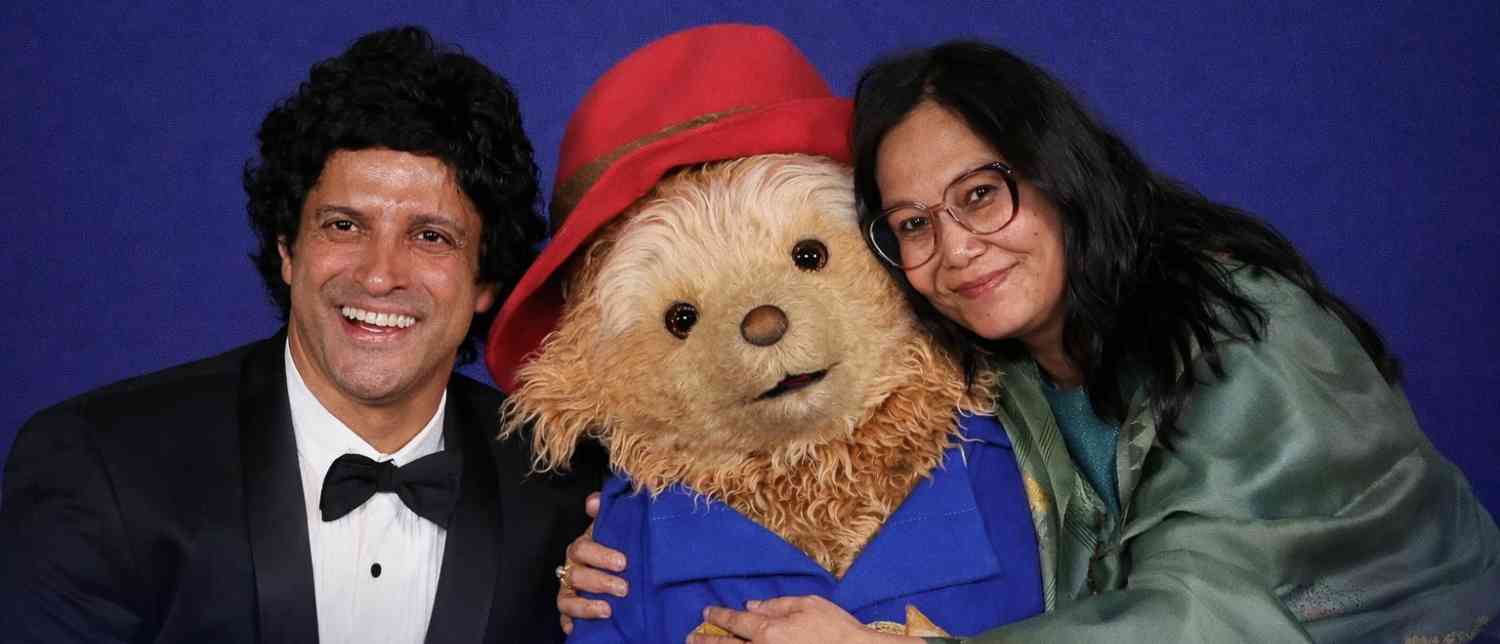
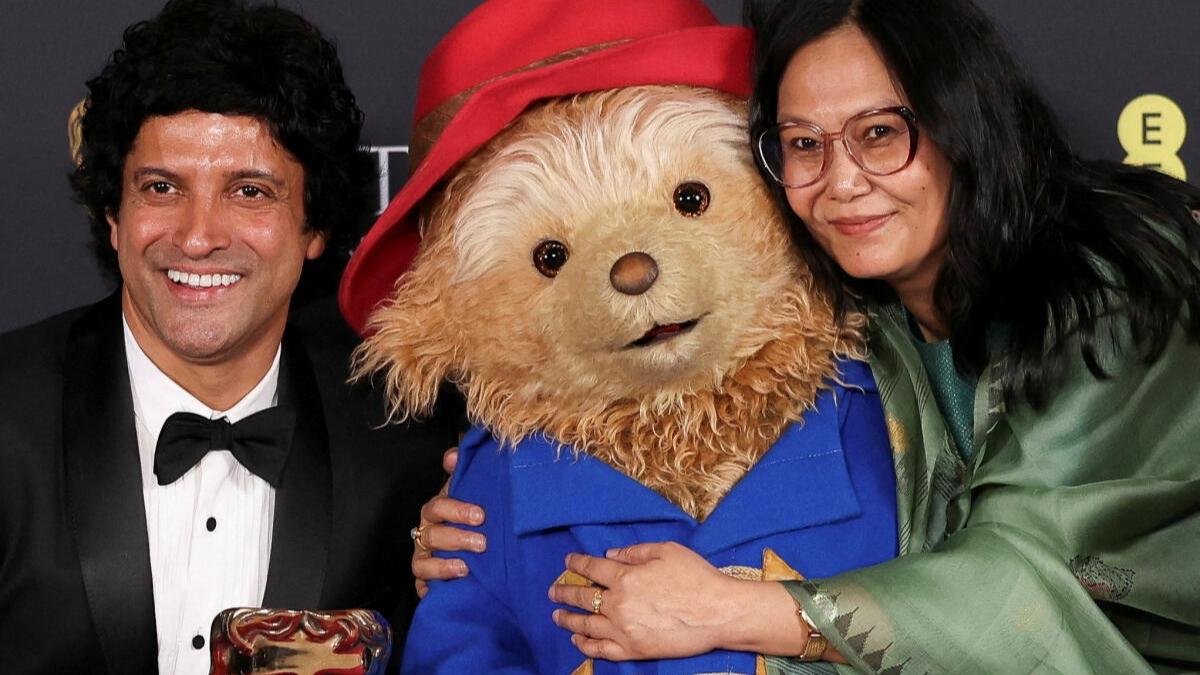
The award was presented on stage in a light-hearted moment by the beloved fictional character Paddington Bear, who quipped, “I am the first-ever bear to present an award, and also the first presenter to get marmalade over a BAFTA,” adding charm and humor to an already memorable evening.
Farhan Akhtar on Backing Boong: “It Just Felt Right”
Following the historic win, Farhan Akhtar shared insights into why he chose to support the project. His association with director Lakshmipriya Devi spans nearly two decades, a bond built on mutual respect and shared artistic vision.
Speaking about his decision, Akhtar said, “Lakshmipriya Devi and I have known each other for about 20 years. This film is set in a region of India from which we rarely get to watch films. It was nice to support that as well, and it’s a very heartwarming story. So, it just felt right.”
His words reflect a conscious effort to amplify voices from regions often overlooked by mainstream Indian cinema. For Akhtar, backing Boong was not merely a professional choice—it was a meaningful step toward diversifying storytelling within the industry.
At the BAFTA ceremony, Farhan Akhtar was accompanied by co-producers Ritesh Sidhwani and Alan McAlex, along with director Lakshmipriya Devi. He also attended the event with his wife, Shibani Dandekar, making the occasion even more special.
The Emotional Core of Boong
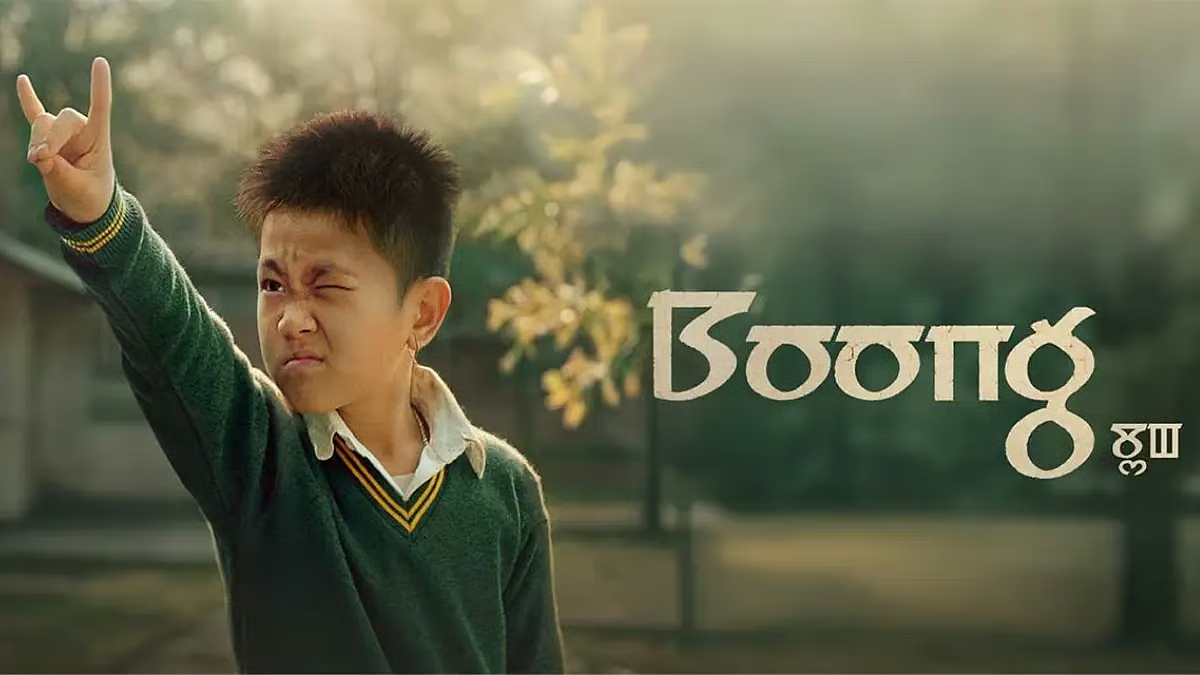
At its heart, Boong is a tender, emotionally charged story about family, longing, and hope. The title itself translates to “little boy” in Manipuri, reflecting the film’s central perspective.
The narrative follows a young boy living in a Manipuri village with his single mother after his father, Joykumar, mysteriously disappears. The region is depicted during a period of social and political tension, adding depth and realism to the setting.
Determined to give his mother what he believes would be “the best gift ever,” the boy decides to search for his missing father. In his innocent worldview, reuniting his parents is the ultimate present. Accompanied by his best friend Raju, he embarks on a journey that takes him to the border town of Moreh—and even across the border into Myanmar.
The film’s emotional journey unfolds as both an adventure and a coming-of-age tale. What begins as a child’s simple mission gradually reveals deeper truths about family, identity, and resilience. Ultimately, while searching for his father, the boy encounters an unexpected surprise—one that signifies a new beginning.
The lead role of Boong is played by Gugun Kipgen, whose performance anchors the film with authenticity and emotional depth. Bala Hijam portrays Mandakini, the boy’s mother, capturing the quiet strength and vulnerability of a single parent navigating uncertain circumstances. Angom Sanamatum plays Raju, the loyal best friend who joins Boong on his quest.
A Remarkable Festival Journey
Before its triumphant BAFTA moment, Boong had already built substantial momentum on the global festival circuit.
The film made its world premiere at the Toronto International Film Festival 2024, where it was showcased in the Discovery section—an honor reserved for emerging and distinctive voices in global cinema. The premiere immediately drew international attention, positioning the film as a standout from India.
Following its Toronto debut, Boong was screened at the Warsaw International Film Festival and the MAMI Mumbai Film Festival in 2024. It also featured at the International Film Festival of India and went on to be showcased at the 2025 Indian Film Festival of Melbourne. At Melbourne, the film was selected as the Spotlight Film, further cementing its reputation on the global stage.
Before its theatrical release in September 2025, the film’s festival run had already garnered critical acclaim and appreciation from audiences worldwide. The consistent praise underscored the universal appeal of its storytelling, despite being deeply rooted in Manipuri culture.

Recognition for Lakshmipriya Devi
Director Lakshmipriya Devi’s work on Boong has earned her individual accolades as well. She won Best Director at the Bulbul Children’s International Film Festival in Goa, a recognition that highlights her growing stature as a significant voice in global storytelling.
Her direction skillfully balances the innocence of childhood with the gravity of social realities, allowing the film to resonate with both younger audiences and adults. By placing a child’s perspective at the center of a complex socio-political landscape, Devi crafts a narrative that is both intimate and expansive.
A Strong Indian Presence at BAFTA 2026
India’s presence at BAFTA 2026 extended beyond Boong’s historic win. Actor Alia Bhatt attended the ceremony as a presenter and walked the red carpet in a silver sequinned Gucci gown, drawing global attention. The event itself was made accessible to Indian audiences via live streaming on SonyLIV and the official BAFTA YouTube channel, ensuring that viewers back home could witness the landmark victory in real time.
Why Boong’s Win Matters
The BAFTA victory for Boong represents a powerful statement about the evolving landscape of Indian cinema. For decades, global recognition often centered on Bollywood blockbusters or internationally co-produced projects. This win signals a shift—one where stories from India’s Northeast and other underrepresented regions are gaining rightful visibility.
It also demonstrates that children’s and family films, when crafted with sincerity and emotional intelligence, can achieve critical acclaim at the highest levels. The simplicity and honesty of Boong’s narrative proved to be its greatest strengths.
By beating internationally celebrated titles such as Arco, Lilo & Stitch, and Zootropolis 2, the Manipuri film reaffirmed that authenticity can compete—and win—against big-budget productions.
A New Chapter for Indian Storytelling
Ultimately, Boong’s triumph at BAFTA 2026 is more than a personal victory for Farhan Akhtar, Lakshmipriya Devi, and their team. It is a proud moment for Indian cinema and a beacon of hope for regional filmmakers across the country.
The journey of a little boy from Manipur, searching for his missing father in the hope of gifting his mother happiness, has now become part of global cinematic history. In doing so, Boong has ensured that the voices and stories from India’s Northeast are no longer confined to the margins—they are being celebrated on the world’s grandest stages.
As the applause echoed through the BAFTA auditorium, it signaled not just an award won, but a boundary crossed. And for Indian regional cinema, that boundary may never look the same again.
With inputs from agencies
Image Source: Multiple agencies
© Copyright 2025. All Rights Reserved. Powered by Vygr Media.