
 By
By 
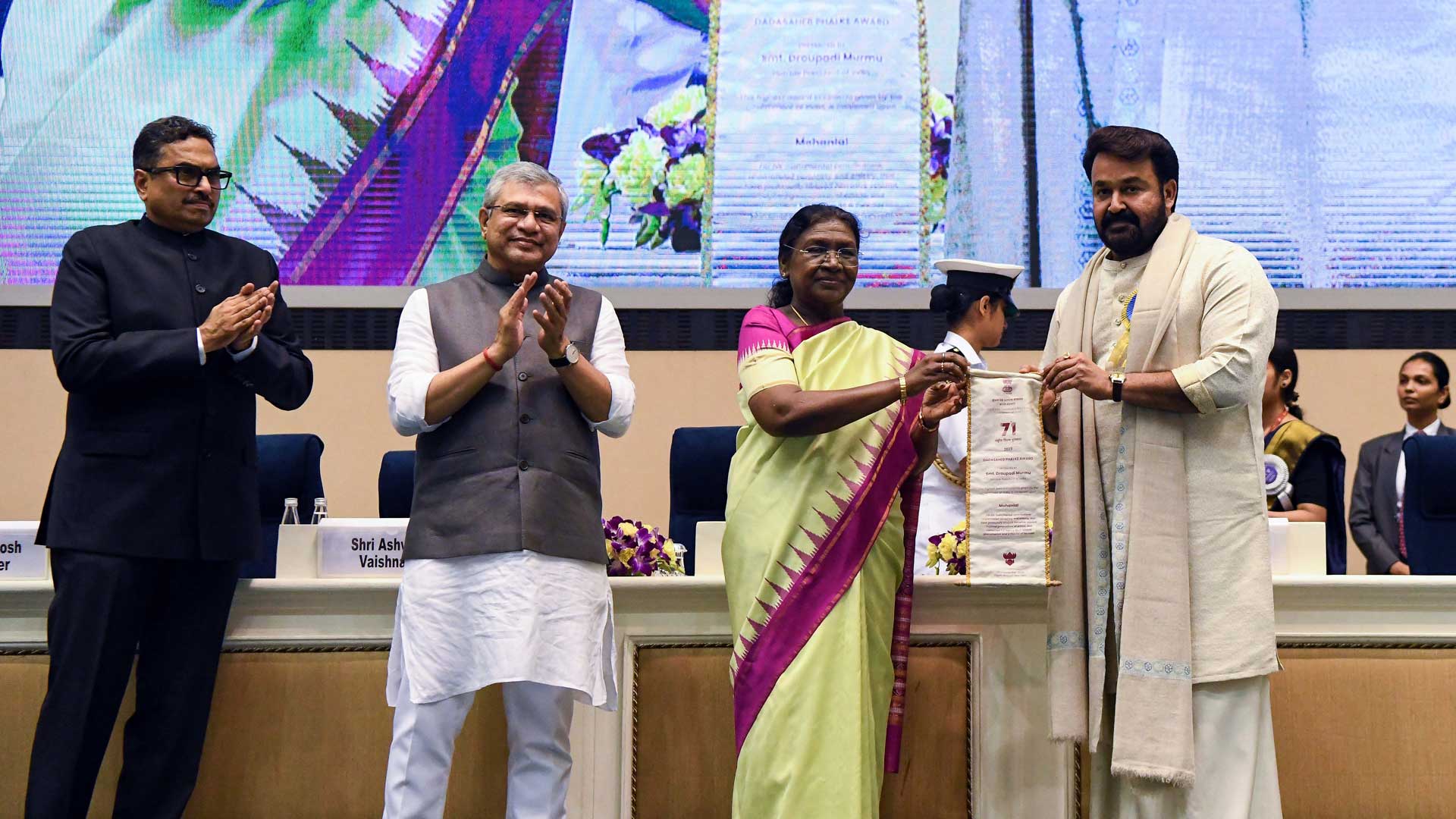
The 72nd National Film Awards are set to mark a major break from tradition this year, with the prestigious ceremony moving out of New Delhi and heading to Ekta Nagar, formerly known as Kevadia, in Gujarat. The awards will be presented on September 22, with President Droupadi Murmu expected to confer the honours.
The decision to take the National Film Awards away from the national capital for the first time in 72 years has already triggered discussion within the film industry. Filmmaker Rahul Dholakia has publicly questioned the choice of Gujarat, asking why the ceremony was moved to the state instead of being hosted in a region with a more prominent association with India's film industry.
The change is particularly significant because the National Film Awards have historically been closely linked with Delhi. The first edition in 1954 was held at Vigyan Bhawan, which subsequently became the traditional venue for the ceremony. While there have been exceptions — including the 17th National Film Awards, which were held in Chennai in 1971 — Delhi has remained the dominant location for the country's highest official film honours.
Why has Rahul Dholakia questioned the Gujarat venue?
Dholakia, who himself is a National Film Award winner, took to social media to question the decision. Importantly, his objection was not simply about moving the ceremony away from Delhi. He made it clear that he had no particular attachment to Delhi as the permanent venue, but questioned why Gujarat had been selected when several other regions have deep and longstanding connections with Indian cinema.
He argued that if the government wanted to break with tradition and take the National Film Awards to another state or city, the honour could have gone to places such as Maharashtra, Kerala or Tamil Nadu, or to Hyderabad.
His comments have opened up a larger conversation about what determines the location of a national cultural event. Maharashtra, particularly Mumbai and Pune, has played a central role in Hindi and Marathi cinema. Kerala is closely associated with Malayalam cinema, Chennai with Tamil cinema and Hyderabad with Telugu cinema. These regions have large filmmaking ecosystems, established studios, production houses and generations of filmmakers and technicians.
Dholakia's own connection to Gujarat adds another dimension to his comments. He won the Best Director National Film Award for his 2007 film Parzania, which was set against the backdrop of the 2002 Gujarat riots. His later film Raees, starring Shah Rukh Khan, was also set in Gujarat.
His criticism therefore comes from a filmmaker who has a direct connection with both the National Film Awards and Gujarat, rather than simply being an outsider commenting on the decision.
Gujarat's connection to cinema under debate
The choice of Ekta Nagar has also prompted discussion about the distinction between Gujarat's contribution to Indian cinema and the specific location chosen for the ceremony.
Gujarati cinema has long been part of India's broader film landscape. However, as Dholakia pointed out, Ahmedabad is generally considered the centre of Gujarati filmmaking, while Ekta Nagar is better known today as a major tourism and landmark destination.
The location is home to the Statue of Unity, the world's tallest statue, dedicated to Sardar Vallabhbhai Patel. Standing 597 feet tall, the monument was inaugurated in 2018 and has since become one of Gujarat's most prominent tourist attractions. The decision to stage the National Film Awards at Ekta Nagar therefore gives the event a setting very different from the formal institutional atmosphere associated with Vigyan Bhawan.
That distinction has become central to the online debate. Supporters of the move have highlighted Ekta Nagar's scenic setting and its importance as a national landmark, while critics have questioned whether the venue should instead reflect the historical contribution of a particular film industry or filmmaking centre.
The controversy has consequently evolved beyond a simple question of geography. At its heart is a debate over what a national award ceremony should represent: the country's cultural and cinematic diversity, a particular landmark of national importance, or the institutional tradition associated with the capital.
A historic break from the Delhi tradition
The decision represents the first major relocation of the National Film Awards outside Delhi in decades and, according to reports, the first time in the awards' 72-year history that the ceremony is being taken out of the capital under the present tradition.
The ceremony's long association with Vigyan Bhawan has made the venue itself part of the awards' identity. Year after year, winners have travelled to Delhi to receive the country's most prestigious film honours from the President of India.
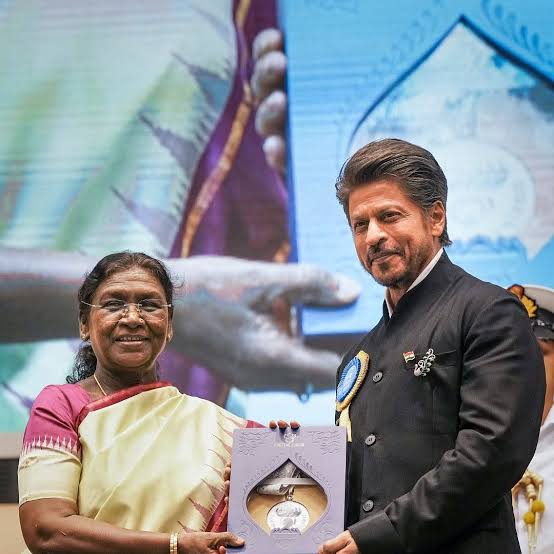
This year's ceremony will retain one important element of that tradition: President Droupadi Murmu will present the awards. The difference will be the backdrop. Instead of Vigyan Bhawan, the winners will receive their honours in Ekta Nagar against the setting of the Statue of Unity.
The move could also signal a broader willingness to take nationally significant cultural events beyond the capital. If the Gujarat ceremony is successful, it could potentially create space for future editions of the National Film Awards to travel to different parts of the country, giving other regions an opportunity to host the event.
For now, however, the government has not publicly offered a detailed explanation in the reports surrounding the announcement as to why Ekta Nagar was selected over other possible destinations.
Who are the major winners at the 72nd National Film Awards?
While the venue debate has dominated the headlines, the September 22 ceremony will ultimately centre on the films and performers being honoured.
Aditya Suhas Jambhale's Article 370, a political action thriller released in 2024, has won the Best Feature Film award. Its lead actor Yami Gautam has been named Best Actress, giving the film a significant presence among the year's top honours.
The Best Actor award will be shared by two major stars from different segments of Indian cinema. Malayalam superstar Mammootty has been recognised for his performance in Rahul Sadasivan's period folk horror film Bramayugam, while Kartik Aaryan has won for his role in Kabir Khan's sports drama Chandu Champion.
The dual recognition places performers from Malayalam and Hindi cinema side by side and underlines the increasingly pan-Indian character of the National Film Awards.
Actor-filmmaker Randeep Hooda has been named Best Debut Director for Swatantrya Veer Savarkar, his biographical film centred on Vinayak Damodar Savarkar.
Meanwhile, Telugu cinema has been recognised through Nag Ashwin's science-fiction epic Kalki 2898 AD, which will receive the award for Best Popular Film Providing Wholesome Entertainment.
Tamil cinema will also feature prominently at the ceremony. Captain Miller, directed by Arun Matheswaran and starring Dhanush, has been named Best Feature Film Promoting National, Social and Environmental Values.
Another notable recognition this year comes in the non-feature category, where filmmaker Aanand L Rai has been recognised for Best Direction for Statue of Unity – Ekta ka Prateek. The honour adds another layer to the connection between this year's awards and the landmark that will serve as the ceremony's backdrop.
A ceremony that could redefine the National Film Awards
The 72nd National Film Awards will therefore arrive with two narratives running simultaneously.
One is the celebration of Indian cinema — from Article 370 and Bramayugam to Chandu Champion, Kalki 2898 AD and Captain Miller. The other is the unprecedented decision to take the ceremony away from Delhi and stage it in Gujarat.
For the organisers, Ekta Nagar offers a striking national landmark and an opportunity to present the awards in a setting that is visually and symbolically different from previous editions. For critics such as Dholakia, however, the choice raises a more fundamental question: if the awards were going to leave Delhi, why was a major filmmaking hub not chosen?
That question is unlikely to disappear before September 22. Yet the controversy also highlights something important about Indian cinema — its strength does not belong to one city, one language or one industry.
From Mumbai and Pune to Kerala, Chennai and Hyderabad, Indian filmmaking has developed through multiple regional ecosystems. The National Film Awards, by their very nature, bring those diverse traditions together.
This year's ceremony may therefore be remembered for more than its winners. It could become a turning point in how India's most prestigious film honours are staged, with Ekta Nagar becoming the first new chapter in a tradition that has been centred on Delhi for most of its history.
Whether the move eventually becomes an occasional change of scenery or the beginning of a rotating national venue tradition will become clearer in the years ahead. For now, all eyes are on September 22, when India's biggest film honours will be presented under the shadow of the Statue of Unity rather than beneath the familiar roof of Vigyan Bhawan.
With input from agencies
Image Source: Multiple agencies
© Copyright 2026. All Rights Reserved. Powered by Vygr Media.