 By

The Chief Minister says the revised electoral roll has left out a huge number of Hindu voters. The opposition wants to know how he arrived at the figure, and the BJP is now planning a drive to add names back.
Lucknow: For months, the loudest complaints about India’s Special Intensive Revision (SIR) of electoral rolls came from the opposition. In Uttar Pradesh, the argument has now flipped. It is the state’s Chief Minister, a BJP leader, who is saying the revised roll has gone wrong.
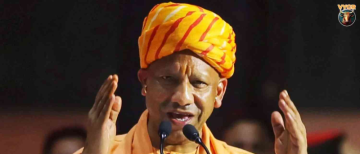
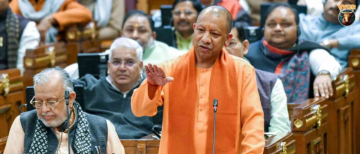
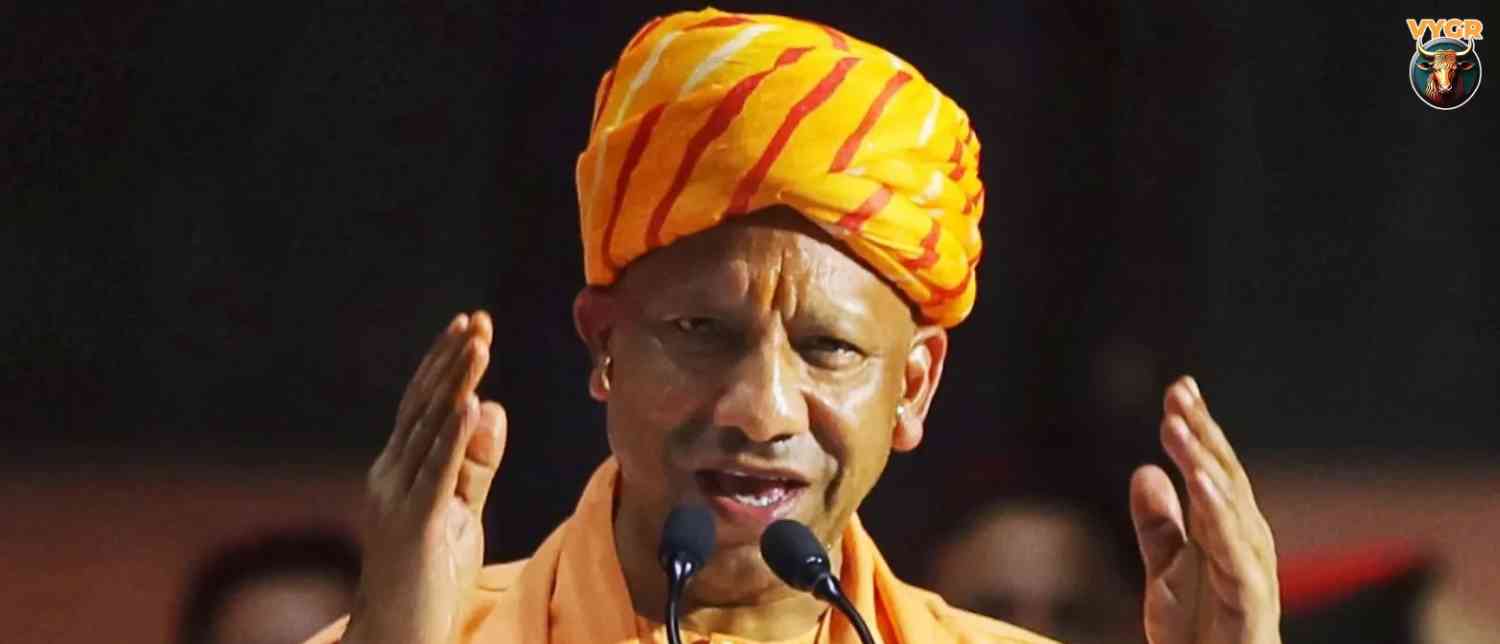
Yogi Adityanath has claimed that about 1.27 crore Hindu voters have been left out of the state’s assembly electoral rolls after the SIR, and the BJP is preparing a campaign to get names restored, with a drive due to start on November 20. The claim has drawn sharp responses from the Samajwadi Party and the Congress, and has put a spotlight on how the numbers were calculated.
What the Chief Minister said
Adityanath alleged that the share of Muslims in Uttar Pradesh’s electorate had risen by 1.63 percentage points after the SIR, while the number of Hindu voters had fallen by about 1.27 crore. He said those missing included beneficiaries of government welfare schemes. He also said his side wanted infiltrators removed from the rolls and the left-out Hindu voters included, and he accused Samajwadi Party chief Akhilesh Yadav of staying quiet because, in the Chief Minister’s telling, his vote bank had grown.
The Chief Minister’s remarks followed a larger revision exercise. The draft roll published in December 2025 excluded 2.89 crore names from a pre-SIR list of 15.44 crore, leaving 12.55 crore. Election officials said the deletions reflected migration, duplicate entries, deaths and voters who could not be found. The final roll was published on April 11.
How the opposition responded
Akhilesh Yadav’s main objection is one of method. He has asked how the Chief Minister could know that 1.27 crore of the missing names belonged to Hindus, and has argued that the government appears to have information the public and the parties do not. He has called the claim part of an attempt to spread fear, and alleged collusion between the BJP government and the Election Commission. Using the BJP’s own numbers, he said, 1.27 crore names would work out to about 31,000 votes per assembly constituency.
The Samajwadi Party has also written to the state’s chief electoral officer, asking why the Election Commission has not sent a notice to the Chief Minister over his statement, when opposition leaders who allege irregularities are asked to file affidavits. Separately, Akhilesh has alleged that the BJP intends to bring in people from other states to register as voters in Uttar Pradesh. He has offered no evidence in the reports I found, and the claim is unproven.
The Congress’s Pawan Khera said his party has been flagging deletions during the SIR for months wherever it has been held, and that the BJP was only complaining now. He suggested the party’s own supporters should ask the Union Home Minister why their names were being removed.
Where the number may come from
The reports I found describe the 1.27 crore figure as a comparison between voters named in the state’s panchayat election lists and those who appear in the Election Commission’s assembly rolls. That is a different exercise from counting names removed in the SIR, and the two lists are compiled separately and are not directly comparable.
There is also a basic problem with any religion-wise count. India’s electoral rolls do not carry a column for religion, so any figure for a community has to be estimated, for example by matching names, which is imprecise. That is the heart of the opposition’s question, and the Chief Minister’s office has not publicly explained its method in the reports available.
What the BJP plans to do
According to the report your lede is based on, a BJP leader says that adding back between 40 lakh and 80 lakh voters should be enough, with the restoration drive starting on November 20. The party’s state leadership has already told workers to prioritise voter-list verification, to form teams in every block, and to run a special drive encouraging new voters to fill Form 6, the form used to be added to the roll. The campaign has been described as part of the party’s preparation for the 2027 assembly elections.
BJP state president Pankaj Chaudhary said as far back as December that workers must go to their booths to ensure that voters’ names are not cut.
Why it matters
Two things make the row politically significant. The first is the stakes. Uttar Pradesh sends more members to Parliament and the assembly than any other state, and the assembly elections are due in 2027. A shift of even a few lakh votes in a close contest can change results.
The second is the reversal. For months, the opposition argued that the SIR was being used to delete its supporters. If the party in power is now arguing that its own supporters have been wrongly removed, that complicates the BJP’s defence of the exercise, even as it continues to say the process is aimed at removing ineligible and illegal voters.
What to watch
The first test is the Election Commission’s response, and whether it releases or confirms any data that supports or disputes the 1.27 crore figure. The second is how many names are actually restored, and by what route. Any large-scale drive to add voters will also be scrutinised, because a Form 6 application must be verified before a name is added. The third is whether the dispute reaches the courts, where challenges to the SIR are already being heard.
For now, the claim stands as an allegation, and what the data shows has not been independently established.
© Copyright 2026. All Rights Reserved. Powered by Vygr Media.