 By
By 
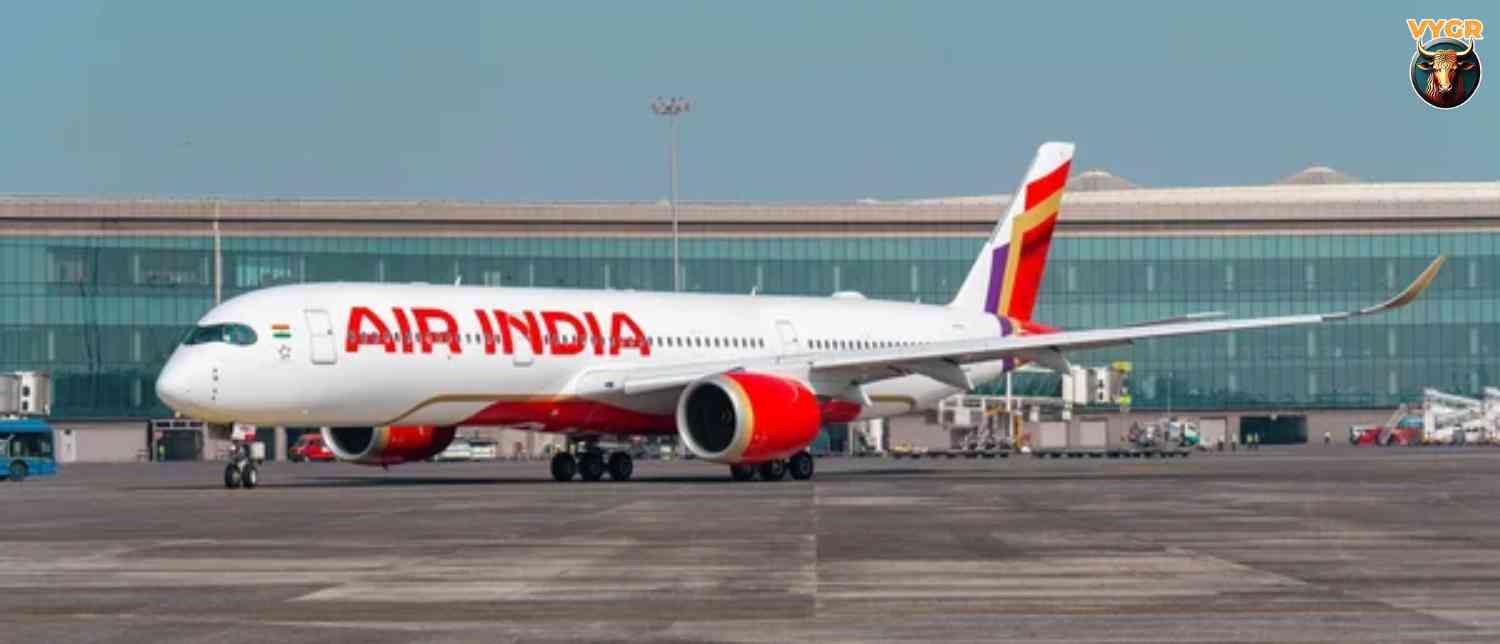
It lasted only a few seconds on a transponder, but it set off a nationwide security response. On Wednesday morning, an Air India flight from Frankfurt to Delhi was diverted to Jaipur after a hijack code was picked up by air traffic control. Everyone on board is safe. What is still unclear is why the code was sent at all.
The short version
Flight AI 2030, a Boeing 787-9 carrying around 250 passengers, landed safely at Jaipur International Airport after the code Squawk 7500 was broadcast for a few seconds. Security agencies inspected the plane and its luggage, and all passengers and crew were evacuated safely. Early indications from sources suggest the call may have been made by mistake, but an investigation is under way.
How the morning unfolded
According to reports, the sequence ran as follows:
- In flight: While the aircraft was in the Mumbai Flight Information Region, sources say the pilot entered Squawk 7500. Air traffic control in Ahmedabad picked up the signal for a few seconds, and security agencies were alerted immediately.
- The diversion: The flight was diverted as it neared Indian airspace and headed for Jaipur.
- Around 9:35 am: One report puts the landing time at 9:35 am.
- Around 9:45 am: The aircraft was moved to an isolation bay, an area used for security-related emergencies so that agencies can inspect a plane away from other aircraft.
- After landing: Both pilots and all passengers were deplaned in phases under tight security supervision, according to a report quoting ANI. Passengers and their baggage were put through physical screening.
The security response
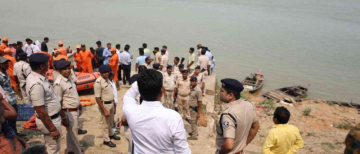
The response was large. The CISF, local police and the Bomb Detection and Disposal Squad checked the aircraft, cabin, cockpit and luggage. The ATS (anti-terror squad) was deployed, and, according to the same report, the National Security Guard was placed on standby in New Delhi to respond if the situation escalated. An ATC team travelled to Jaipur and the DGCA, India’s aviation regulator, is monitoring the incident. We have not seen any report of anything suspicious being found.
Bomb threat or hijack alert?
Early reports described a bomb threat, and Jaipur police said they had been informed of an emergency landing after a bomb threat. An airport source later clarified that it was a hijacking alert and not a bomb threat. Later reports consistently describe the Squawk 7500 signal. So the original “bomb threat” label appears to have been an early error in the first reports.
What is Squawk 7500?
Aircraft carry a transponder that broadcasts a four-digit code to air traffic control. Most codes are routine, but a few are reserved for emergencies. 7500 signals unlawful interference, which includes a hijacking. Other well-known codes include 7600 for a radio failure and 7700 for a general emergency. This is standard aviation background and not specific to this case.
Because 7500 is meant to be a discreet silent alarm, controllers must treat it as real until they know otherwise. That is why even a few seconds of signal can trigger diversions, security deployments and evacuations.
The “mistake” question
Sources say preliminary indications suggest the pilot may have issued the call by mistake. This is not an official finding, and Air India and the aviation authorities have not confirmed it. Investigators are expected to look at how the code came to be set, what the cockpit crew said and did, and how the controller and security systems responded. Until that work is done, there is no basis for blaming anyone, and none of the reports we reviewed does.
What passengers went through
Reports say the incident caused concern among the passengers on board. They were safely evacuated to a holding area in the terminal, where screening was carried out. We have not seen details of how Air India got them onward to Delhi, or how long they were held, and we will add that when it is confirmed. Families of people on the flight should contact the airline directly for information.
What we still don’t know
Several important questions are open:
- Whether the code was entered by mistake, and how.
- What Air India’s official account of the incident is.
- Whether the DGCA or another body has opened a formal inquiry and what it covers.
- How and when the passengers continued their journeys.
- The status of the crew while the investigation is on.
What happens next
Expect an official statement from Air India and the regulator, and possibly a formal inquiry. If the call is confirmed as an error, attention may turn to cockpit procedures and training. If not, the questions will be much more serious. We will update this article as soon as we have verified answers.
Quick FAQ
Was there a bomb on the plane? No bomb threat was confirmed, and the early bomb-threat reports were later clarified as a hijack alert. Nothing suspicious has been reported.
Was the plane actually hijacked? There is no report of a hijacking. Sources say the code may have been sent by mistake.
Are the passengers safe? Yes. All passengers and crew were evacuated safely after landing.
Who is investigating? The DGCA is monitoring the incident, and security agencies examined the aircraft. A formal inquiry has not been described in detail in the reports we saw.
© Copyright 2026. All Rights Reserved. Powered by Vygr Media.