 By

The national capital and neighbouring regions have received some relief from stringent pollution-control measures after the air quality showed signs of improvement. The Commission for Air Quality Management (CAQM) has revoked GRAP Stage 3 restrictions across Delhi-NCR, following a decline in the region's daily average Air Quality Index (AQI) to 204 on Tuesday, November 17, 2026.
The decision brings relief to residents, businesses, commuters and construction-related activities that were affected by the additional restrictions imposed during the recent deterioration in air quality. However, the improvement does not mean that Delhi-NCR has overcome its pollution problem. Restrictions under GRAP Stages 1 and 2 will continue, along with the preventive measures introduced under the commission's October 30 order.
While the withdrawal of Stage 3 restrictions marks a positive development, pollution levels remain a concern, and authorities are expected to continue monitoring the situation closely.
GRAP Stage 3 Restrictions Revoked After Delhi-NCR AQI Improves
The CAQM sub-committee responsible for implementing the Graded Response Action Plan (GRAP) reviewed the latest air quality situation before deciding to withdraw Stage 3 restrictions.
According to the latest assessment, Delhi's daily average AQI declined to 204 on November 17, indicating a downward trend in pollution levels. Following this improvement, the commission concluded that continuing the additional restrictions imposed under Stage 3 was no longer necessary at that point.
The decision comes after a challenging period for the national capital, when deteriorating air quality prompted authorities to introduce stricter pollution-control measures.
GRAP Stage 3 restrictions were initially imposed on November 6, when Delhi's AQI climbed to 382, placing the city in the 'Very Poor' category. The restrictions were introduced to prevent further deterioration and reduce activities contributing to pollution.
With the latest improvement, the additional curbs under Stage 3 have now been withdrawn across Delhi-NCR. Nevertheless, the CAQM has made it clear that pollution-control measures under the first two stages will remain operational.
Which GRAP Restrictions Have Been Lifted?
The withdrawal of GRAP Stage 3 means that additional restrictions introduced under this particular stage will no longer apply.
Stage 3 measures generally involve stricter controls on pollution-generating activities, including certain construction and demolition operations and the movement of specified categories of vehicles.
Their withdrawal is expected to provide relief to people and businesses that faced disruptions during the stricter pollution-control period.
For the construction sector, the decision could ease some of the additional operational limitations associated specifically with Stage 3. Similarly, commuters may experience relief from certain vehicle-related restrictions introduced under the same stage.
However, it is important to understand that lifting GRAP Stage 3 does not mean that all construction activities and vehicle restrictions have been completely removed.
Measures introduced under GRAP Stages 1 and 2 will continue. Furthermore, separate preventive directions issued by the CAQM on October 30 will remain applicable.
Residents and businesses should therefore check the specific restrictions currently in force rather than assume that all pollution-related curbs have ended.
GRAP Stage 1 and 2 Restrictions to Continue Across Delhi-NCR
Although the withdrawal of Stage 3 is a welcome development, Delhi-NCR will continue operating under the lower stages of the Graded Response Action Plan.
GRAP is a pollution-control framework designed to introduce increasingly stringent measures depending on the severity of air pollution. Its different stages allow authorities to respond to changing environmental conditions without waiting for pollution levels to reach an emergency situation.
Under Stage 1 and Stage 2, several preventive and pollution-control measures remain in force.
These include restrictions and monitoring measures targeting dust pollution, construction activities, road dust, industrial emissions and other major sources of air pollution.
The continuation of these measures highlights that the authorities are not treating the latest improvement as a reason to relax all pollution-control efforts.
Delhi-NCR continues to experience seasonal air quality challenges, particularly during the winter months, when weather conditions can contribute to the accumulation of pollutants.
Maintaining the lower-stage restrictions is therefore important to prevent another sudden deterioration in air quality.
Construction Restrictions and Work-from-Home Measures Remain in Force
One of the most important aspects of the latest CAQM decision is that certain restrictions introduced separately through the October 30 order will continue despite the withdrawal of GRAP Stage 3.
Under the October 30 directions, preventive measures were scheduled to remain in force from November 5 to November 20, 2026, across Delhi-NCR.
These measures include restrictions on dust-generating demolition and outdoor construction activities.
However, exemptions have been provided for certain essential and public infrastructure projects, including railways, metro services, airports, hospitals, water supply and sanitation projects, and works associated with national security.
This means that the withdrawal of GRAP Stage 3 should not be interpreted as blanket permission for all construction and demolition activities to resume.
The CAQM has also retained workplace-related measures aimed at reducing vehicular movement and managing pollution.
Government and private offices in Delhi, Gurgaon, Faridabad, Sonipat, Ghaziabad and Gautam Buddha Nagar have been directed to operate with up to 50% of their staff attending physically, while the remaining employees work from home.
Certain industrial establishments and essential services where such arrangements are not feasible are exempt.
For employees and employers, this distinction is particularly important. Even though GRAP Stage 3 has been revoked, the existing office attendance and work-from-home arrangements covered by the October 30 directions continue to apply.
Delhi AQI Today: Air Quality Improves, but Pollution Remains a Concern
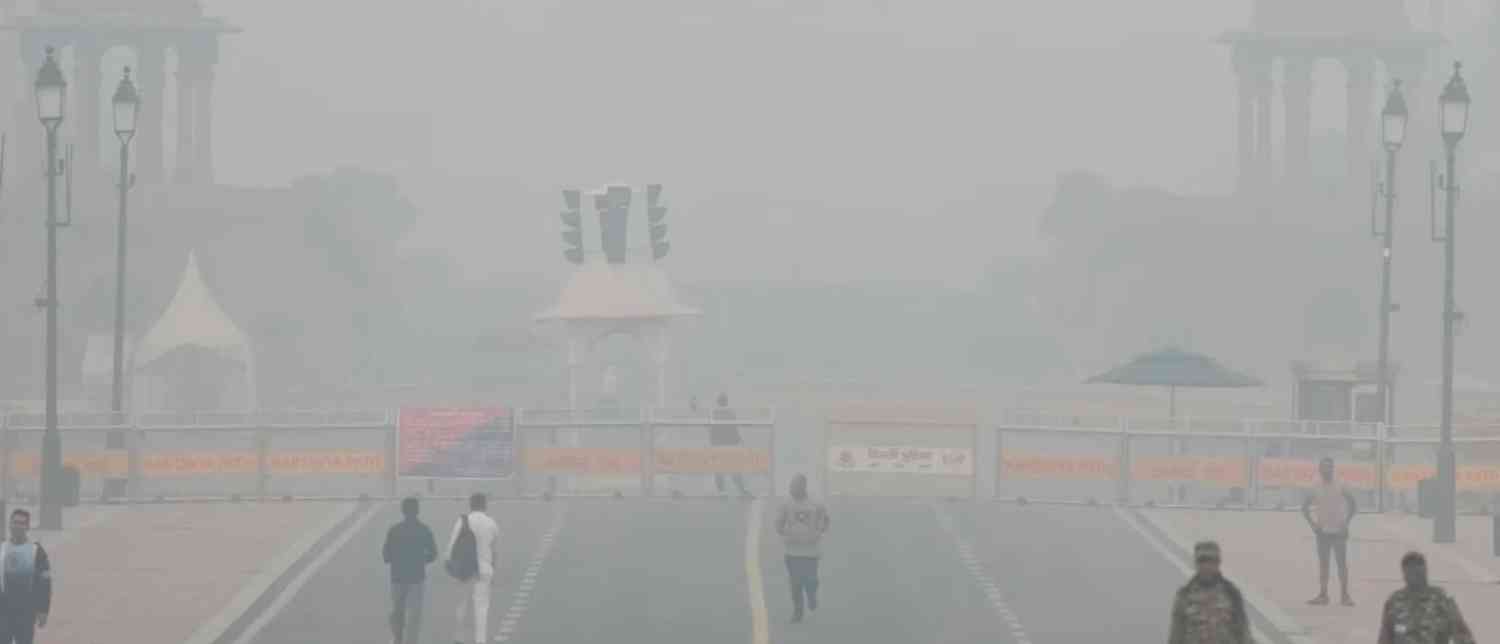
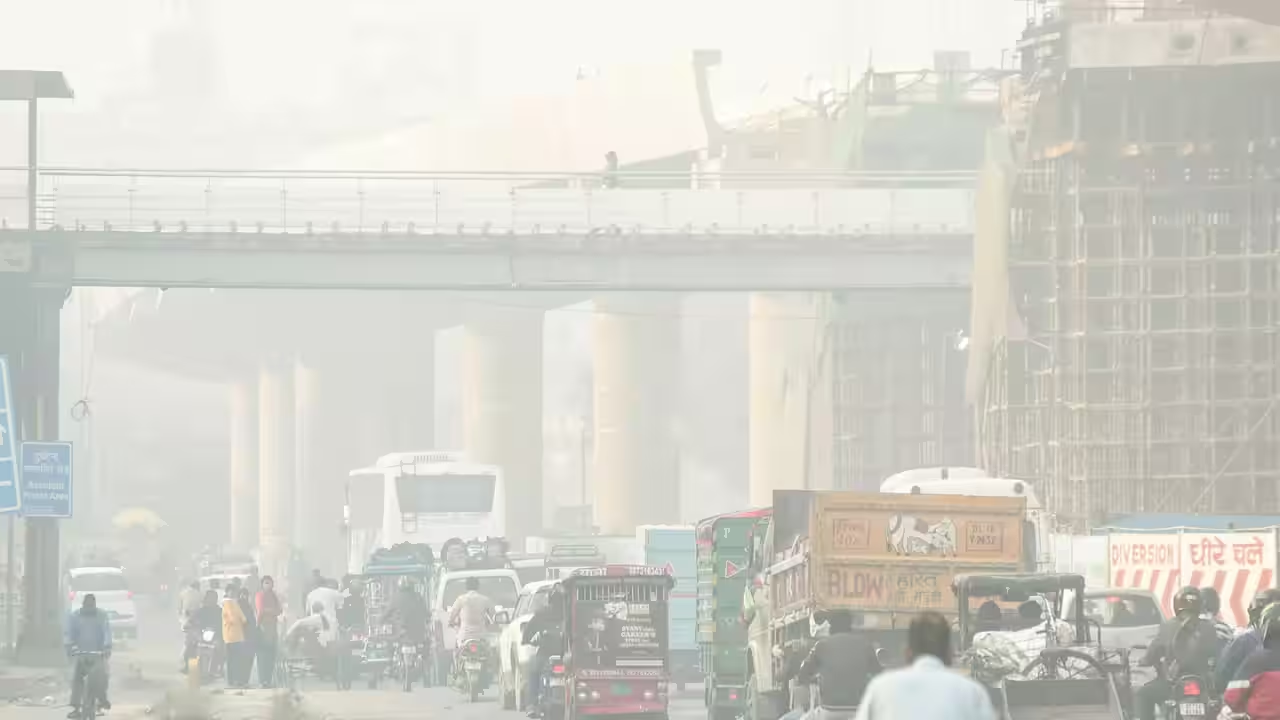
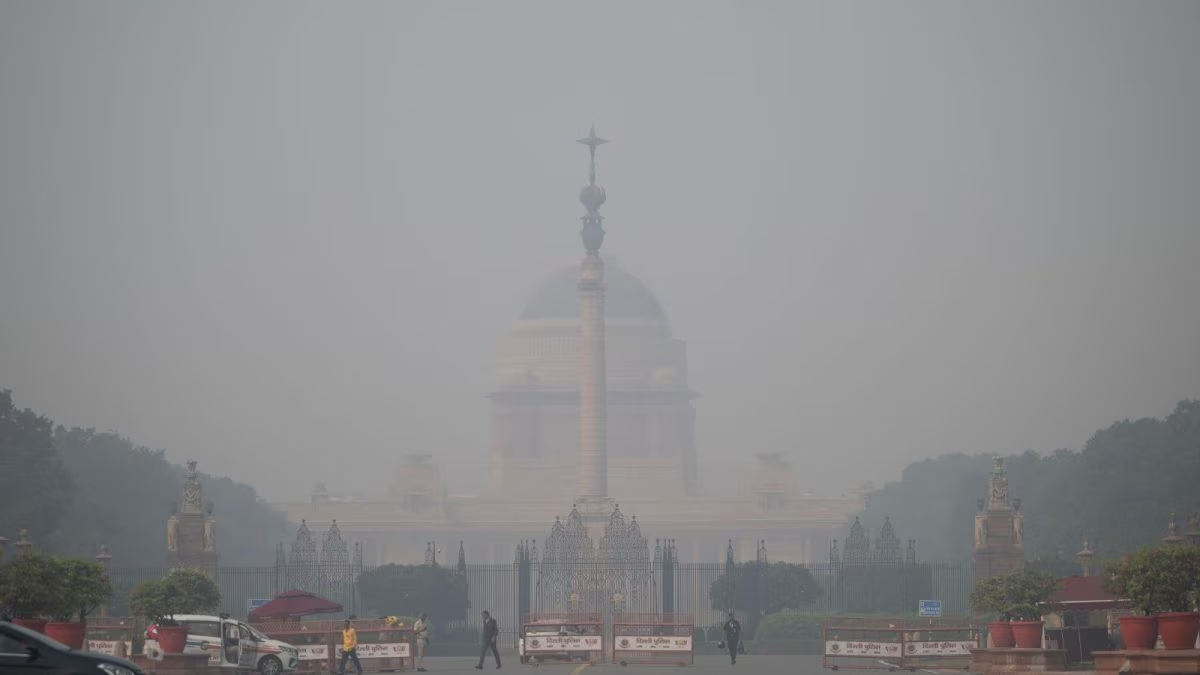
The decline in Delhi's daily average AQI to 204 is encouraging, but it does not indicate that the city's air quality has become healthy.
Under the Central Pollution Control Board's classification, an AQI between 201 and 300 falls under the 'Poor' category. This means that even after the recent improvement, Delhi's air quality remains far from satisfactory.
The situation also varies significantly across different parts of the capital.
On Tuesday morning, Delhi recorded an AQI of 238 at 8 am, according to CPCB data. Out of the 58 monitoring stations reporting readings, 32 recorded 'Poor' air quality, 16 were in the 'Moderate' category and 10 remained in the 'Very Poor' category.
Sirifort recorded the highest AQI at 333, highlighting that some areas continued to experience considerably higher pollution levels despite the overall improvement.
These readings demonstrate why the latest reduction in the daily average AQI should be viewed cautiously.
Air quality can differ considerably between neighbourhoods, and a decline in the overall average does not necessarily mean that every part of Delhi-NCR is experiencing the same improvement.
Colder Weather Could Continue to Influence Delhi's Air Quality
Weather conditions are another important factor influencing the pollution situation in the national capital.
Delhi recorded its coldest morning of the season on Tuesday, with the minimum temperature at Safdarjung reaching 11.6 degrees Celsius, around 0.7 degrees below normal.
Other weather stations also reported relatively low temperatures. Palam recorded a minimum temperature of 12.3 degrees Celsius, Lodhi Road reported 12 degrees Celsius, while Ayanagar recorded 12.6 degrees Celsius.
The India Meteorological Department forecast a maximum temperature of approximately 27 degrees Celsius, with moderate fog during the day.
The combination of falling temperatures, fog and changing atmospheric conditions can influence how pollutants disperse in the atmosphere.
During winter, weaker winds and unfavourable atmospheric conditions can contribute to the accumulation of pollutants near the ground, potentially pushing AQI levels higher again.
This makes continuous monitoring and preventive action particularly important during the coming weeks.
What Does the GRAP Stage 3 Withdrawal Mean for Delhi-NCR Residents?
For residents, the withdrawal of Stage 3 restrictions offers some relief from the additional curbs imposed earlier this month.
Certain vehicle-related restrictions and additional limitations on construction activities associated with Stage 3 will no longer apply.
Businesses and sectors affected by the stricter measures may also benefit from the relaxation.
However, residents should remember that the overall pollution situation remains concerning. With the AQI still in the Poor category, precautions against prolonged exposure to polluted air remain important.
People with respiratory conditions, children, older adults and individuals sensitive to air pollution should remain particularly cautious.
Checking local AQI readings before planning outdoor activities can also help residents make better decisions.
Meanwhile, businesses, construction companies and office administrators should continue following the remaining CAQM directions and applicable pollution-control requirements.
Delhi-NCR Pollution Situation: What Happens Next?
The latest decision by the CAQM reflects an improvement in Delhi-NCR's air quality and the importance of adjusting pollution-control measures according to prevailing conditions.
However, the withdrawal of GRAP Stage 3 should not be mistaken for the end of the region's winter pollution challenge.
The continuation of Stage 1 and Stage 2 restrictions, along with the October 30 preventive directions, indicates that authorities intend to maintain pollution-control efforts despite the recent improvement.
The coming days will be important in determining whether the downward AQI trend continues or pollution levels begin rising again.
If air quality deteriorates, authorities may review the situation and introduce stricter measures under the GRAP framework as required.
For now, GRAP Stage 3 restrictions have been lifted across Delhi-NCR as the daily average AQI improves to 204, but several pollution-control measures remain firmly in place.
The immediate relief is welcome, but sustained improvement in Delhi's air quality will depend on consistent enforcement, effective pollution management and favourable environmental conditions.
© Copyright 2026. All Rights Reserved. Powered by Vygr Media.