 By
By 
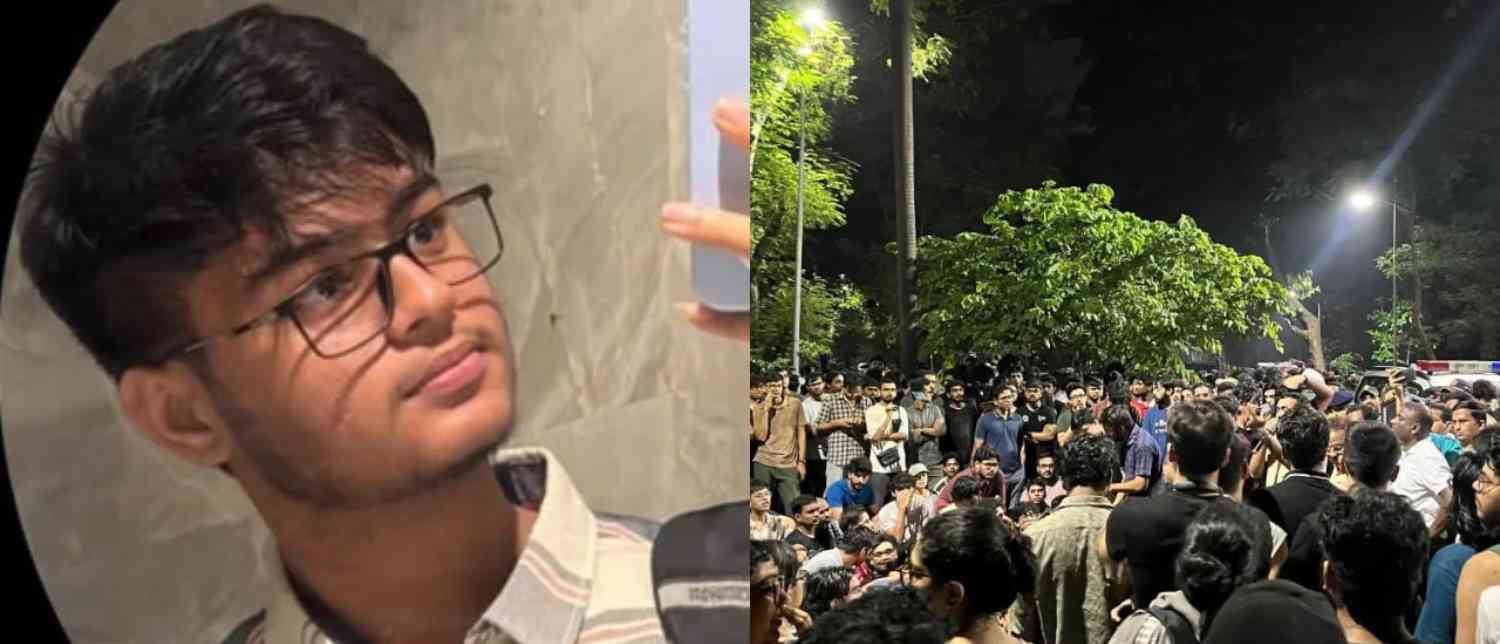
The death of IIT Bombay student Sahil Ravindra Wakode has triggered a major confrontation on the Powai campus, bringing questions about examination procedures, student mental health, caste-based discrimination, institutional accountability and the role of faculty members into sharp focus.
Wakode, a second-year student of the Department of Energy Science and Engineering, was found dead in his hostel room on September 18, 2026, hours after an examination-hall incident. According to IIT Bombay, he had been found using a mobile phone during a mid-semester examination and had uploaded the question paper to an artificial intelligence platform to seek answers.
The institute has maintained that no disciplinary action had been initiated against him before his death. It said Wakode was counselled by the examination instructor and the Head of Department and was assured that the incident would not affect his academic career. The institute also said the circumstances surrounding his death were being examined by the appropriate authorities.
But the institute's account has not settled the matter. Instead, the death has led to days of student protests, allegations by Wakode's family of harassment and caste-based discrimination, a police case, demands for an independent investigation and an 18-point charter seeking sweeping changes to the institute's student-welfare and disciplinary systems.
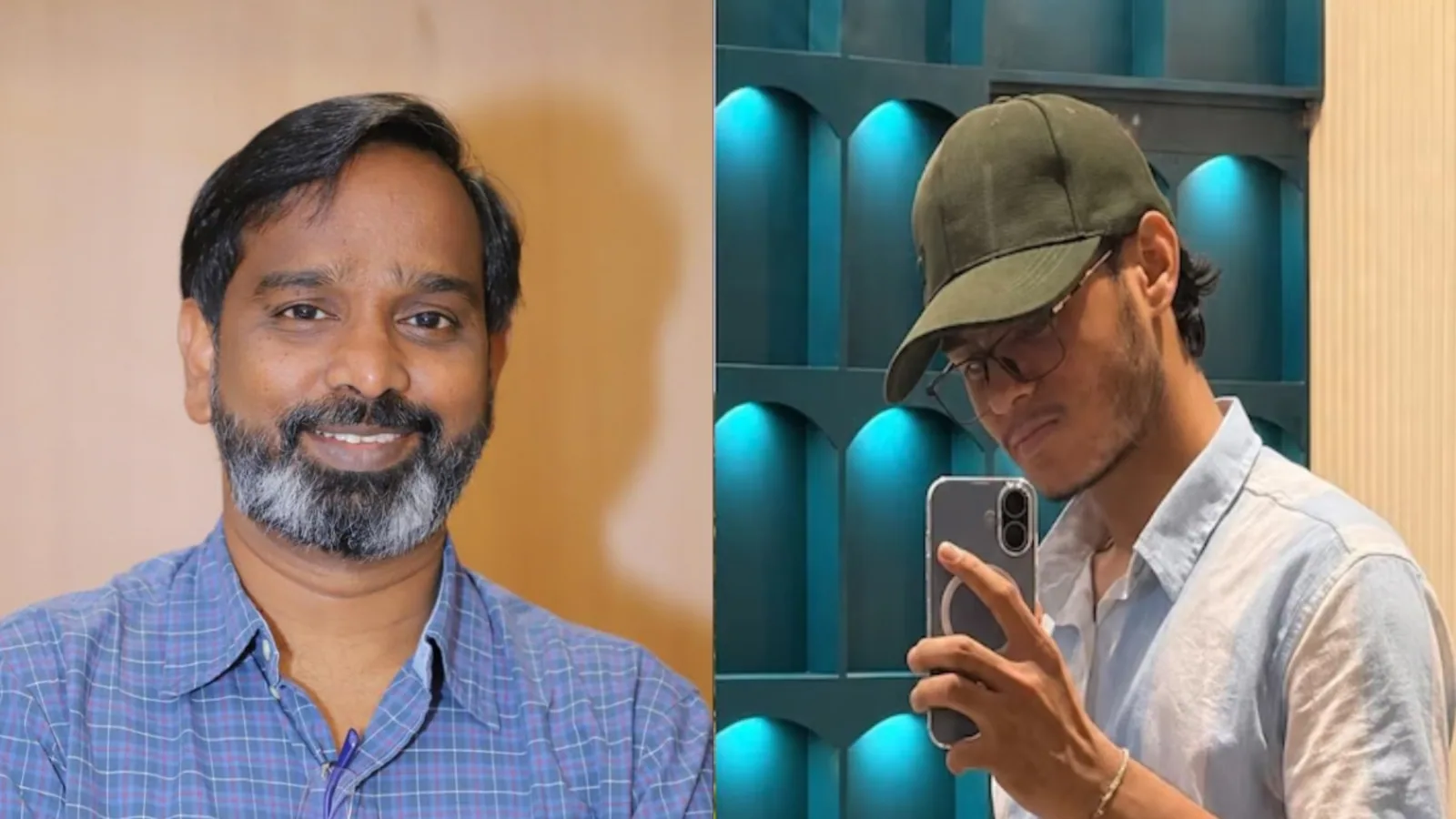
IIT Bombay Student Suicide: What Happened?
The immediate controversy began with the examination incident on September 18.
IIT Bombay said Wakode was caught using a smartphone during the examination and had uploaded the examination question paper on ChatGPT to seek answers. The matter was subsequently discussed with him by the instructor and the Head of Department.
The institute's official account states that Wakode was counselled and assured that the incident would not adversely affect his academic career. It has specifically denied that disciplinary proceedings had been initiated against him before his death. He subsequently returned to his hostel room and was later found dead.
However, protesting students have questioned aspects of this account and have called for greater transparency around the examination incident and the disciplinary process. Their concerns include what information was communicated to Wakode, how malpractice cases are handled and whether students receive adequate representation and support when such proceedings arise.
The disagreement over what happened inside and immediately after the examination has consequently become one of the central questions in the controversy.
Who Is Professor Suryanarayana Doolla?
Professor Suryanarayana Doolla, who became a central figure in the dispute, is a faculty member in IIT Bombay's Department of Energy Science and Engineering.
He has been associated with the institute for more than a decade. His academic work includes power systems, smart grids, microgrids, renewable-energy integration, converter control and energy efficiency. He completed his BTech in Electrical Engineering from Nagarjuna University in 2000, followed by an MTech in Energy Systems Engineering from IIT Bombay in 2002 and a PhD in Power Systems from IIT Delhi in 2007.
Before joining IIT Bombay, he worked with Power Research and Development Consultants in Bengaluru and Machine 2 Machine in Hyderabad. At IIT Bombay, his roles have extended beyond teaching and research. He has served as Warden of Hostel 6 and as Dean of Student Affairs and has been associated with major examinations including JEE Advanced, UCEED and CEED.
Doolla was the course instructor and examination invigilator during the examination in which Wakode was allegedly found using a mobile phone. According to the institute's account, he was involved in reporting the alleged examination malpractice to the relevant authorities.
His academic career has also included teaching recognitions, including the Prof. SP Sukhatme Excellence in Teaching Award in 2021, IIT Bombay's Excellence in Teaching Award in 2017 and a Young Faculty Award in 2009, along with recognition through IEEE awards and fellowships.
His role in the examination has nevertheless placed him at the centre of the current controversy.
Family Alleges Harassment and Caste Discrimination
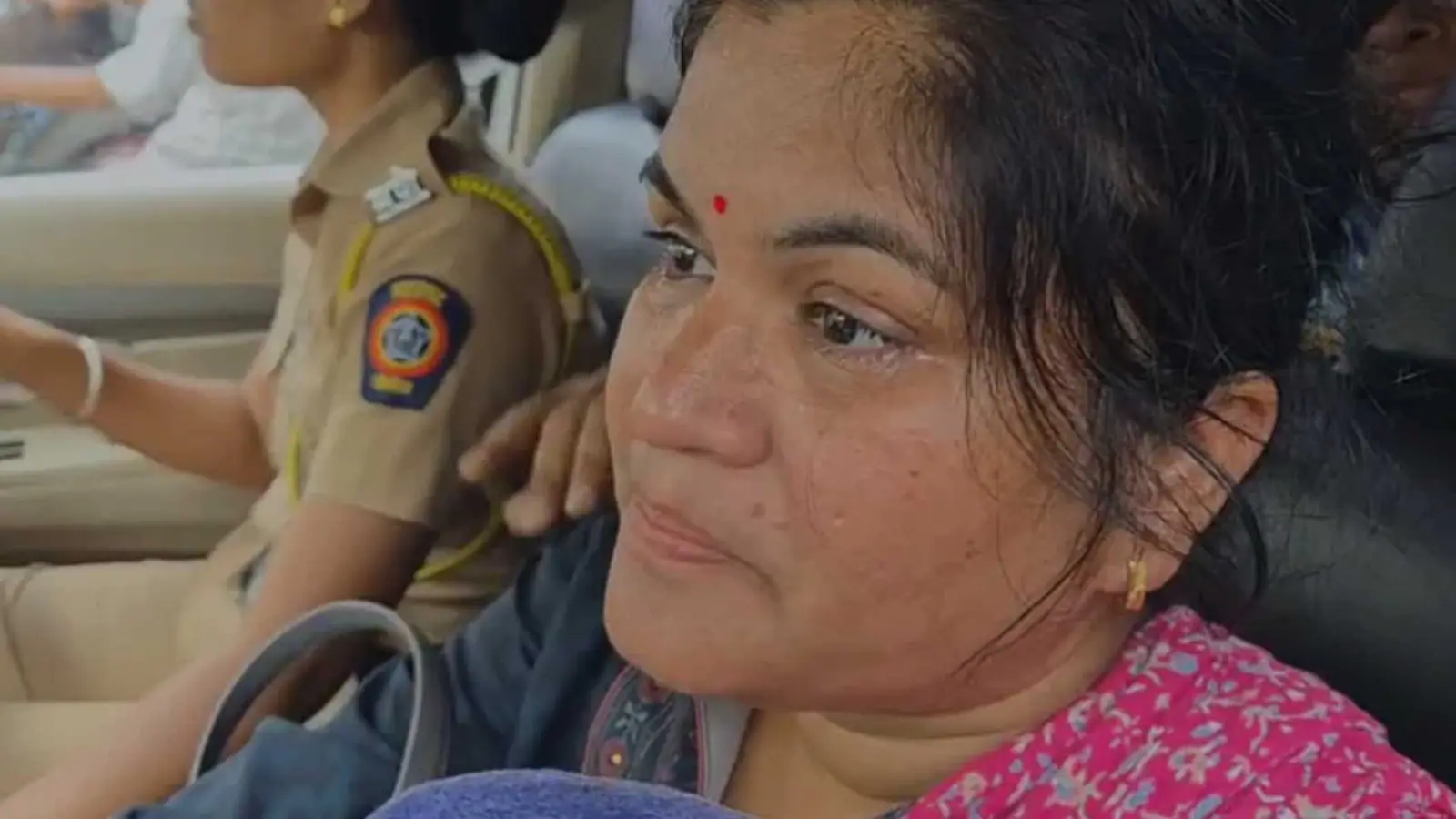
Wakode's family has alleged that he faced harassment and caste-based discrimination. His parents' complaint led to a police case invoking provisions of the Scheduled Castes and Scheduled Tribes (Prevention of Atrocities) Act, 1989. The allegations remain subject to investigation.
The allegations have significantly widened the scope of the case. What initially appeared to be an examination-related controversy has developed into a broader investigation into whether there were other circumstances affecting Wakode and whether institutional processes adequately protected him.
The police investigation and the institute's internal processes are separate from the question of whether any individual bears criminal responsibility. At present, the allegations against Doolla and others remain matters for investigation and due process.
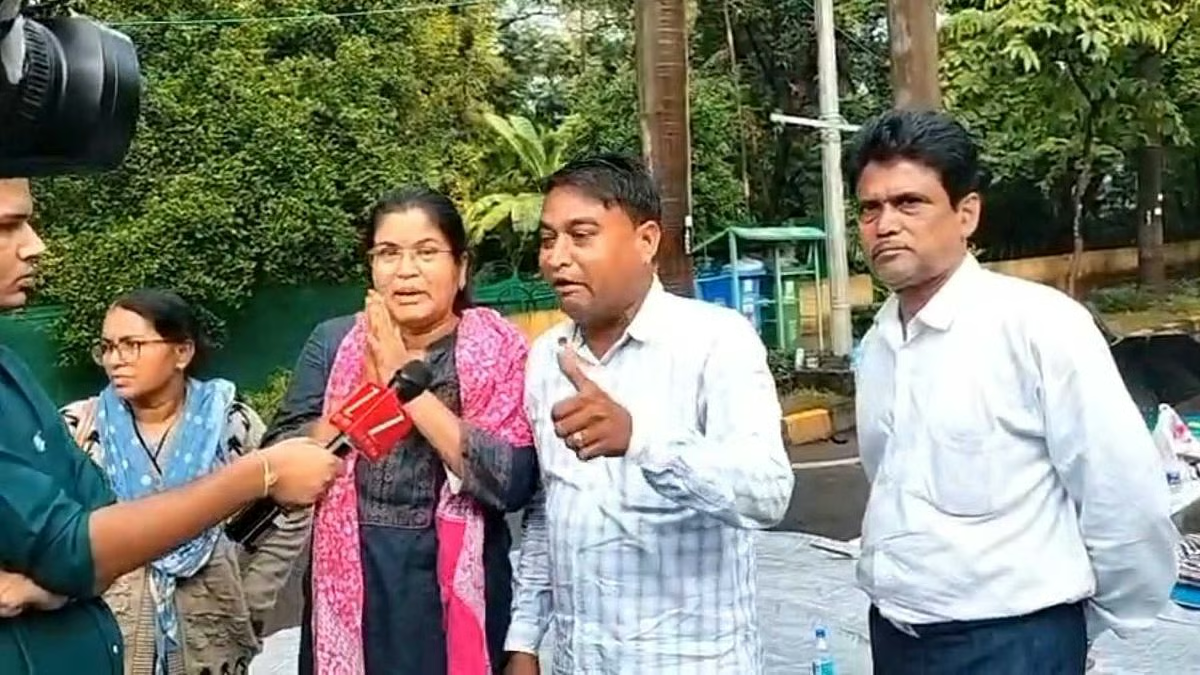
Professor Suspended Amid Protests
Student protests intensified after Wakode's death, with demonstrators demanding action against Doolla as well as wider institutional reforms.
On September 20, IIT Bombay Director Professor Shireesh Kedare met protesting students and signed an 18-point charter submitted by them. Doolla was suspended by the institute that evening.
The suspension, however, has not resolved the dispute over his role. IIT Bombay's Faculty Forum has publicly backed the professor, arguing that he was performing his responsibilities as an invigilator and had followed the institution's prescribed procedure after detecting the alleged examination malpractice.
The faculty body has also expressed grief over Wakode's death while raising concerns about statements directed at Doolla.
This has created a sharp divide between the protesters' demand for accountability and the faculty forum's position that the examination procedure was followed.
What Are IIT Bombay Students Demanding?
The 18-point charter submitted by students goes considerably beyond the immediate demand for action against the professor.
One of the most important demands is an independent investigation into Wakode's death, including scrutiny of the circumstances surrounding the incident and the hospital response. Students have asked for an interim report by September 30 and public conclusions by October 15.
Students have also demanded an investigation into four cases of student deaths by suicide on the campus, reflecting their concern that Wakode's death should not be viewed in isolation.
Another key demand concerns transparency. Students want an Open House involving the Director, deans and other senior administrators so that questions can be raised directly and answered publicly.
The charter also seeks a public apology over what students describe as defamatory and selective information about Wakode that was shared publicly.
Greater Student Representation
The protesters have called for equal student representation and voting rights on relevant academic and non-academic committees, without an administrative veto.
They have also demanded a review of unilateral administrative decisions affecting student culture and campus life, arguing that students should have a meaningful role in decisions that directly affect them.
Another proposal seeks clearer rules for complaints against professors, including defined complaint mechanisms, timelines and procedures.
The charter also calls for greater student participation when disciplinary or malpractice proceedings are initiated. Students want mentors, companions and buddies to be involved in such cases, with proper documentation throughout the process.
Mental Health Reforms at the Centre of the Charter
Mental health is one of the strongest themes running through the students' demands.
The protesters have asked for one counsellor for every 250 students, along with at least one counsellor for every hostel. They have also demanded regular audits of the Student Wellness Centre.
The charter further seeks a 24/7 mental-health support system, including an on-call psychiatrist, qualified emergency doctors during night shifts, mental-health training for staff and a regular feedback mechanism.
Students have also called for mandatory mental-health sensitisation workshops every two months for faculty members and similar training during the onboarding of professors and staff who interact with students.
Another demand proposes a permanent student well-being task force involving students, faculty members and experts. The proposed body would study the causes of student distress and publish semester-wise reports.
The demands indicate that the protesters are seeking a structural response rather than only an investigation into one incident.
Complaint Systems and Direct Access to Officials
The charter also seeks changes in how students can raise concerns.
Students want a transparent, institute-wide portal where complaints and administrative responses can be publicly accessed. The intention is to create a clearer record of how grievances are handled rather than leaving individual students uncertain about the status of their complaints.
The demands also address the accessibility of the Dean of Student Affairs. Students have sought at least 20 hours each week for one-on-one student interactions and written responses to student concerns within 18 hours.
The charter further asks for hostel arrangements that preserve existing student support networks by keeping second- and third-year students in adjacent rooms.
Protection for Protesters
With demonstrations continuing on campus, students have also demanded written assurances that participants in peaceful protests will not face disciplinary, financial, legal, hostel-related or indirect retaliation.
The demand for protection is significant because the students are seeking to ensure that raising concerns about institutional policies does not itself become a source of academic or administrative pressure.
Students have continued to gather near the institute's main gate, with protesters using the slogan "We are not here to die" while linking the current case to broader concerns about student distress and alleged caste discrimination on campus.
IIT Bombay Administration Faces a Wider Accountability Question
The 18-point charter also puts institutional leadership under scrutiny.
Students have demanded that the Director, Dean AP and Dean SA resign if specified demands are not implemented within one month. They have also sought weekly progress updates on the implementation process.
The Director's decision to sign the charter after a prolonged meeting with protesting students marks an important development, but signing the document does not necessarily mean that every demand has already been implemented.
The administration has indicated that discussions would continue and that due process would be followed, particularly in matters involving individual accountability.
A meeting of the institute's Board of Governors has also been scheduled to consider the issue, while an Open House with students is expected to provide another platform for discussion.
IIT Kharagpur Director Sends Message on Exam Pressure
The IIT Bombay controversy has also prompted discussion beyond the Powai campus.
At IIT Kharagpur, Director Professor Suman Chakraborty issued a message to students ahead of semester examinations, addressing exam anxiety and reminding students that a single examination cannot define their identity or future.
He told students that an exam measures what they write on one day and does not determine who they are or what they will become. He also reminded them that their admission to the institute represents years of effort and capability.
The message emphasised that students should trust their preparation, breathe and approach examinations one question at a time. He also assured students that they did not have to carry pressure alone and that the institute stood behind them during difficult periods.
The timing of the message has added another dimension to the national conversation around examination pressure and student well-being at India's premier technical institutions.
What Happens Next?
The IIT Bombay case now has several parallel tracks.
The police investigation will examine the allegations raised by Wakode's family, including claims of harassment and caste-based discrimination. The institute will have to address the students' demands and clarify what commitments made during the meeting will be implemented and on what timeline.
The independent inquiry sought by students is also expected to become a crucial point of discussion. Their demand includes an interim report by September 30 and public conclusions by October 15.
At the institutional level, the controversy has moved beyond a single examination incident. The demands cover disciplinary proceedings, student representation, faculty conduct, mental-health infrastructure, grievance redressal, hostel support, administrative accountability and protection for protesters.
Meanwhile, Professor Doolla remains suspended, while the faculty forum continues to maintain that he followed the prescribed examination procedure. The criminal investigation and questions surrounding the allegations against him remain unresolved.
For IIT Bombay, the immediate challenge is therefore not only to respond to the protests but also to establish clarity around what happened, ensure that competing allegations are investigated fairly and address concerns about student support systems.
The events following Sahil Wakode's death have placed a difficult question before one of India's most prestigious educational institutions: how should academic discipline, student welfare, mental health and institutional accountability coexist when a high-pressure academic environment reaches a moment of crisis?
The answer will depend on the investigations, the institute's response to the 18-point charter and the transparency with which the coming decisions are communicated to students, faculty and Wakode's family.
With input from agencies
Image Source: Multiple agencies
© Copyright 2026. All Rights Reserved. Powered by Vygr Media.