 By
By 
IIT Bombay is set to replace ceiling fans with wall-mounted fans across its hostels and other campus utility areas, days after the death of second-year BTech student Sahil Wakode triggered protests and renewed scrutiny over student safety and mental health at the premier institute.
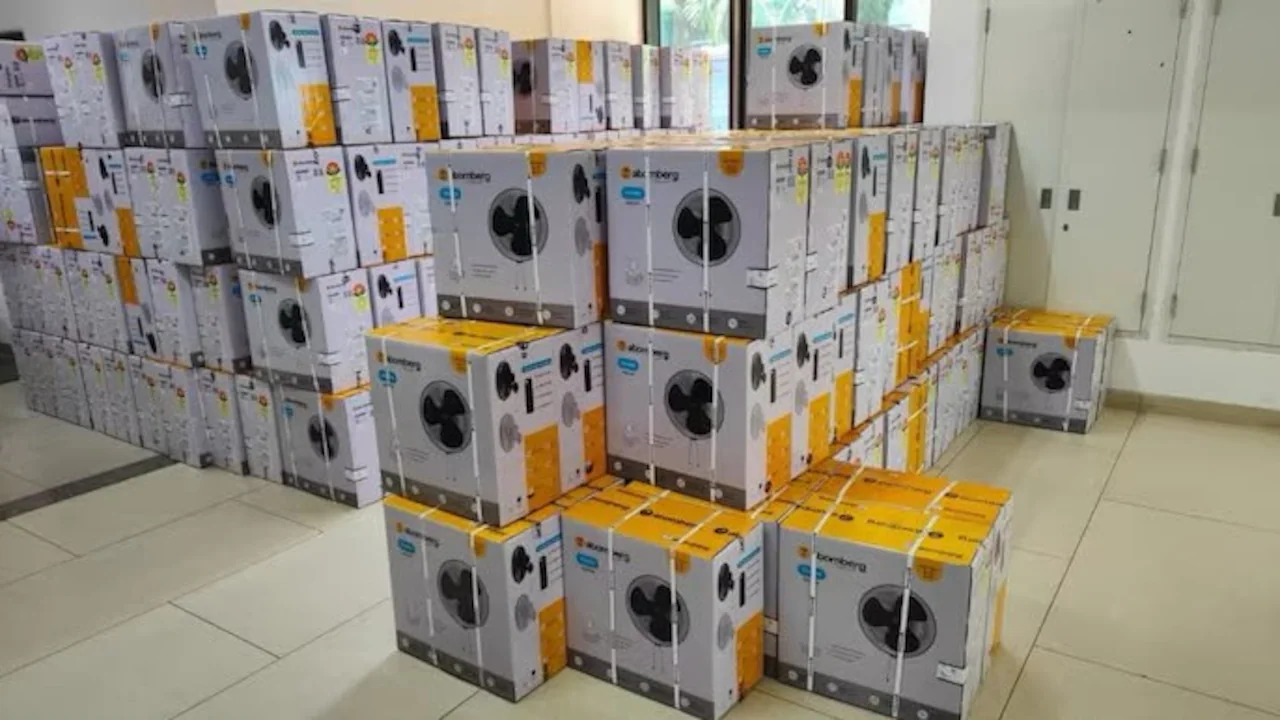
The first batch of wall-mounted fans has reportedly reached the IIT Bombay campus, with installation expected to begin shortly. The development comes amid heightened concern over student suicides at the institute and across India’s leading technical institutions.
According to reports, discussions around replacing ceiling fans had been underway for roughly two months and the proposal was recently approved. The institute has also described the replacement as part of a broader hostel renovation exercise, making the timing particularly significant given the circumstances surrounding Wakode’s death.
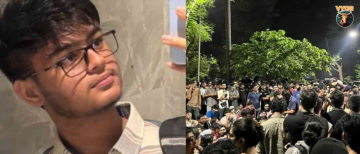
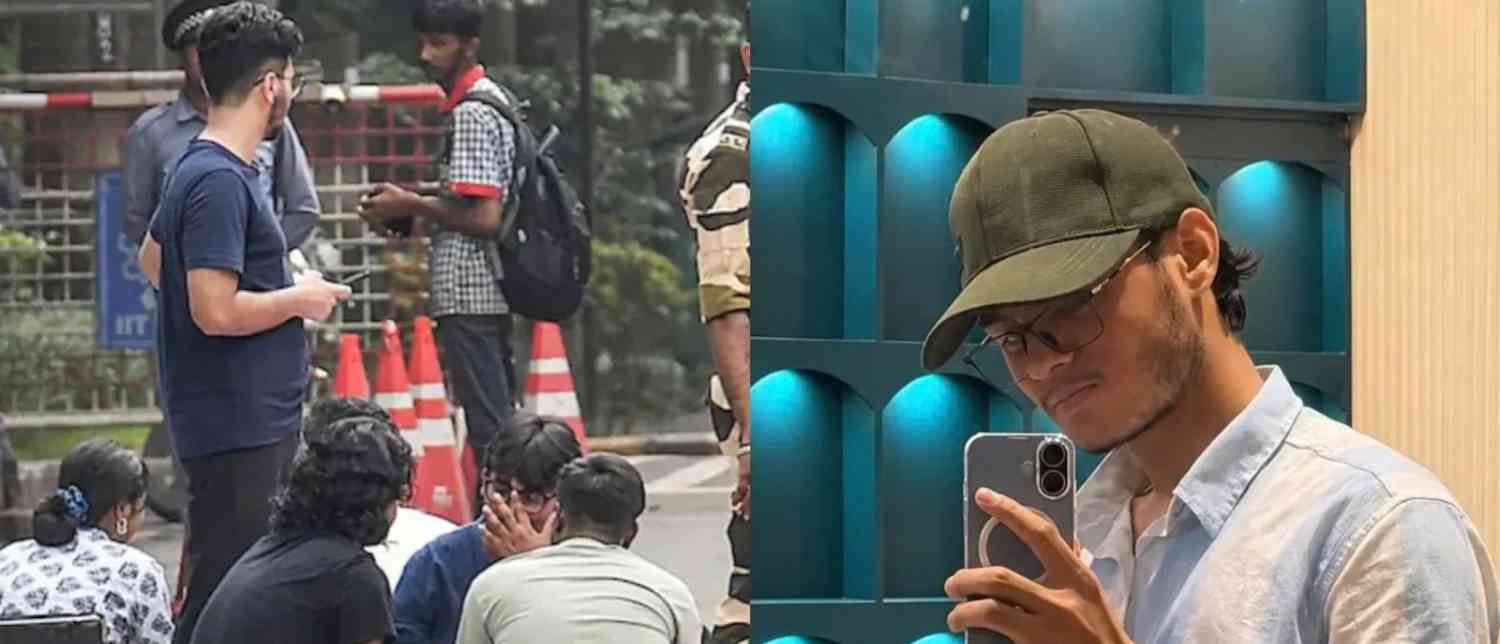
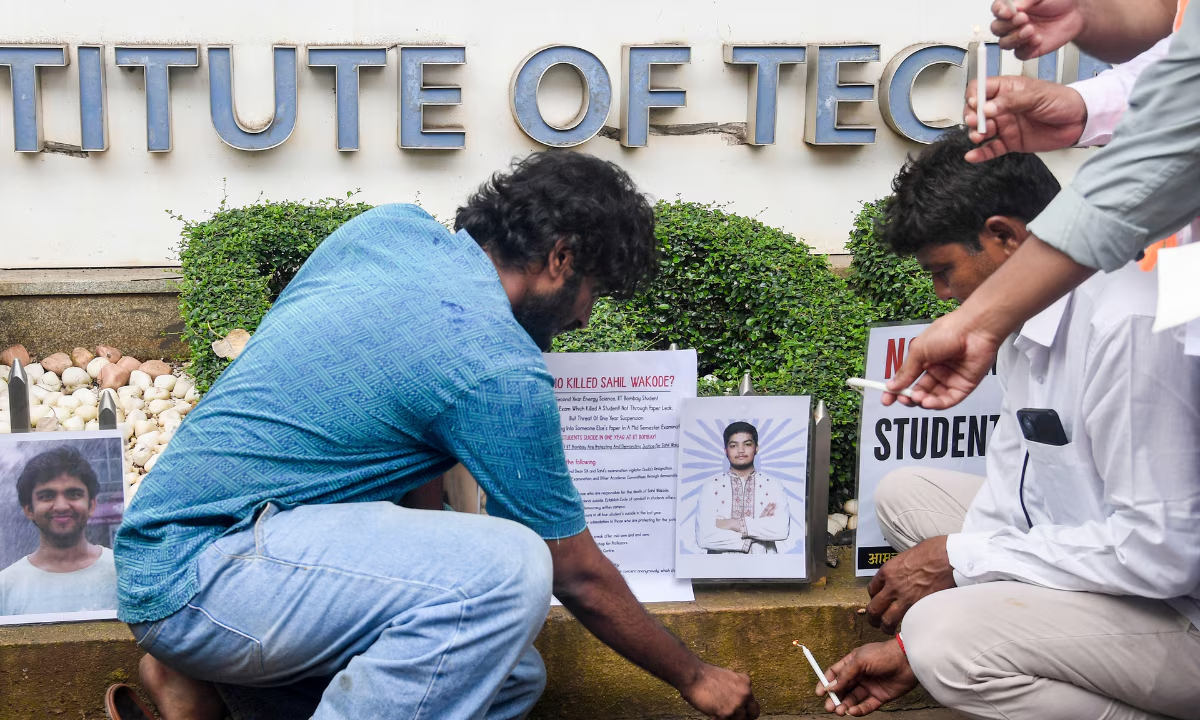
Wakode, a second-year student in the Department of Energy Science and Engineering from Maharashtra’s Yavatmal district, was found dead in his hostel room at the Powai campus on September 18. He was reportedly found hanging from a ceiling fan after being questioned during a mid-semester examination earlier that day over alleged mobile phone use.
The case has since sparked protests on campus, questions over the institute’s handling of the incident and demands for wider reforms in student welfare.
Why IIT Bombay Is Replacing Ceiling Fans
The reported decision to replace ceiling fans with wall-mounted units has emerged as one of the most visible changes at IIT Bombay following recent student deaths.
Wall-mounted fans are expected to be installed in all hostels and in other utility areas across the campus. Images showing a consignment of the new fans arriving at IIT Bombay have circulated widely on social media.
The administration’s position, as reported, is that fan replacement forms part of a renovation plan rather than being a measure introduced solely in response to Wakode’s death. Officials have indicated that several hostel-related renovation works were already planned.
At the same time, reports indicate that the replacement had been discussed for around two months and had also figured among measures considered after an earlier student death in July. The latest development has therefore drawn intense attention because it follows so closely after another tragedy.
The distinction between a planned renovation and a suicide-prevention measure is important. While changing physical infrastructure can be viewed as a safety intervention, questions remain over how far such a step can address the broader circumstances associated with student distress.
Sahil Wakode’s Death and the Investigation
The death of Sahil Wakode has become the centre of a larger debate over academic pressure, institutional procedures and student welfare at IIT Bombay.
According to the institute’s reported account, Wakode was allegedly caught using a mobile phone to access ChatGPT during a mid-semester examination. He was subsequently asked to leave the examination hall. Hours later, he was found dead in his hostel room.
The circumstances surrounding the incident are now under investigation.
Mumbai Police have transferred the case to the Crime Branch, which is examining CCTV footage from different parts of the campus to reconstruct Wakode’s movements before his death. Investigators are looking at footage from the examination hall, campus areas and the hostel as part of the inquiry.
The case has also generated competing claims about what happened before Wakode’s death. His family has alleged that he faced harassment and caste-based discrimination and has sought an investigation into the role of the institute’s administration.
Police have registered a case against Professor Suryanarayana Doolla under provisions relating to abetment of suicide and the Scheduled Castes and Scheduled Tribes (Prevention of Atrocities) Act following the family’s complaint. Doolla was subsequently removed from his administrative position as Dean of Administrative Affairs, although he continues to be a member of the faculty.
These allegations remain subject to investigation, and the findings of the inquiry will be important in establishing the sequence of events and responsibility, if any.
Campus Protests Put Student Welfare Under Spotlight
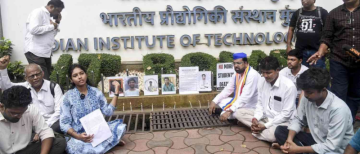
Wakode’s death triggered protests at IIT Bombay, with students demanding greater accountability and changes to the institute’s student welfare mechanisms.
The protests were not simply focused on the circumstances of one student’s death. Students have also raised broader concerns about how academic pressure, disciplinary processes, grievance mechanisms and mental-health support are handled within highly competitive institutions.
The institute has since taken administrative steps and issued clarifications concerning its earlier communication about the circumstances surrounding Wakode’s death.
The controversy has also exposed the difficult balance institutions face between enforcing academic rules and responding sensitively to students who may be experiencing severe distress.
Faculty members, meanwhile, have defended the procedures followed during the examination incident, arguing that academic rules must also be respected. The ongoing investigation is expected to establish the facts surrounding the events.
Can Changing Fans Address the Suicide Crisis?
The decision to replace ceiling fans has prompted a wider discussion about what constitutes an effective suicide-prevention strategy in educational institutions.
Critics have questioned whether replacing one type of fan with another can address the underlying causes of student suicides. The argument is that physical changes to hostel rooms may reduce access to a particular means of self-harm, but cannot by themselves address academic stress, social isolation, discrimination, financial difficulties, examination setbacks or inadequate access to mental-health care.
An NCP (SP) spokesperson, Anish Gavande, publicly questioned whether replacing ceiling fans with wall-mounted fans could meaningfully address the wider student-suicide crisis in the IIT system. He called for greater attention to suicide prevention and mental-health support.
The debate is particularly relevant because student suicides have remained a concern across India’s premier higher-education institutions.
Data cited in recent discussions show that dozens of students died by suicide across IITs between 2018 and 2023, while broader estimates covering a longer period indicate a substantially higher number of student deaths.
Academic Pressure and Mental Health Remain Larger Concerns
The debate following Wakode’s death comes against the backdrop of a broader national examination of student mental health.
An interim report by a Supreme Court-appointed National Task Force on student suicides identified several factors associated with distress among students, including academic pressure, examination-related setbacks, caste-based discrimination, financial stress and sexual harassment.
The report also highlighted gaps in institutional preparedness.
Responses from centrally funded institutions, including IITs, indicated that many faculty members did not have adequate training to identify or respond to mental-health concerns. The findings have raised questions about whether students receive sufficient support before a crisis reaches a critical stage.
Across the IIT system, institutions have experimented with different approaches, including counselling facilities, peer-support programmes, wellness initiatives, mental-health apps, gatekeeper training and efforts to encourage stronger student-to-student interaction.
These measures reflect a growing recognition that student welfare cannot be treated purely as an academic or disciplinary issue.
A Visible Change, But a Larger Question Remains
The arrival of wall-mounted fans at IIT Bombay is likely to remain one of the most visible consequences of the recent controversy. For students and families, however, the significance of the change may depend on what accompanies it.
Replacing ceiling fans can alter the physical environment of hostels, but the larger challenge is creating a campus environment in which students can seek help without fear, disciplinary procedures are handled transparently, complaints are addressed promptly and warning signs of distress are identified early.
The circumstances surrounding Sahil Wakode’s death are still being investigated. The Crime Branch’s findings, along with any institutional reviews, will be crucial in determining what happened and whether changes are required in the way academic misconduct, student grievances and welfare concerns are handled.
For now, IIT Bombay’s move from ceiling-mounted to wall-mounted fans represents a tangible change to campus infrastructure. But the debate it has triggered goes well beyond hostel fixtures. It has placed a much bigger question before India’s premier educational institutions: how can academic excellence be pursued while ensuring that student safety, dignity and mental well-being receive equal institutional attention?
With input from agencies
Image Source: Multiple agencies
© Copyright 2026. All Rights Reserved. Powered by Vygr Media.