 By
By 
Indore, a city that has proudly held the title of India’s cleanest city for eight consecutive years, is confronting one of its gravest public health crises in recent memory. In the Bhagirathpura locality, contaminated drinking water has unleashed a devastating outbreak of diarrhoea and vomiting, claiming multiple lives and sickening more than 1,400 residents. What began as complaints of foul-smelling tap water has now exposed deep systemic failures in water infrastructure maintenance, administrative response, and public health safeguards.
As official figures, political statements, medical confirmations, and residents’ testimonies continue to diverge, the Indore water contamination crisis has evolved from a local health emergency into a larger debate on accountability, governance, and the right to safe drinking water.
Conflicting Death Toll Raises Alarms
On January 2, 2026, Indore Mayor Pushyamitra Bhargava confirmed that he had received information about 10 deaths linked to the diarrhoea outbreak caused by contaminated water in Bhagirathpura. However, the official health department data acknowledged only four confirmed deaths at that point.
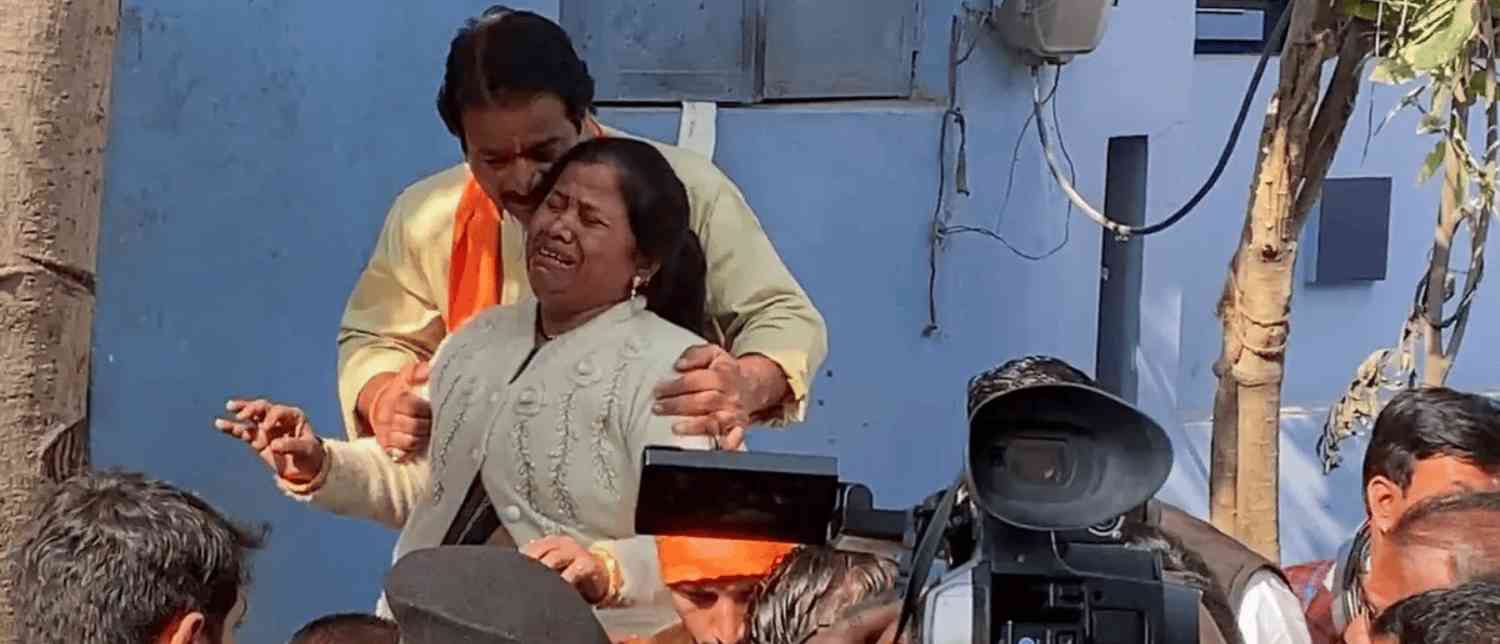
Adding to the confusion, local residents claimed that 14 people, including a six-month-old infant, had died after consuming contaminated water or food prepared with it. These claims have not yet been formally confirmed by the health department, highlighting persistent inconsistencies in reporting.
Speaking to PTI, Mayor Bhargava said, “According to health department data, four people have died due to the diarrhoea outbreak in Bhagirathpura. However, I have received information about 10 deaths due to this outbreak.”
When asked whether the outbreak could involve cholera, based on preliminary water sample reports, the Mayor deferred responsibility, stating that only the health department could clarify the matter.
Laboratory Tests Confirm Water Contamination
On January 1, 2026, Indore’s Chief Medical and Health Officer (CMHO), Dr. Madhav Prasad Hasani, confirmed that laboratory tests conducted by a city medical college had established contamination in the drinking water supply. The contamination was traced to a leakage in a pipeline serving the Bhagirathpura area.
Although Dr. Hasani did not disclose detailed laboratory findings, the confirmation validated what residents had been reporting for weeks—unsafe drinking water was at the heart of the outbreak. Administrative officials, meanwhile, avoided offering detailed explanations, further fuelling public anger.
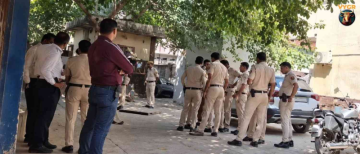
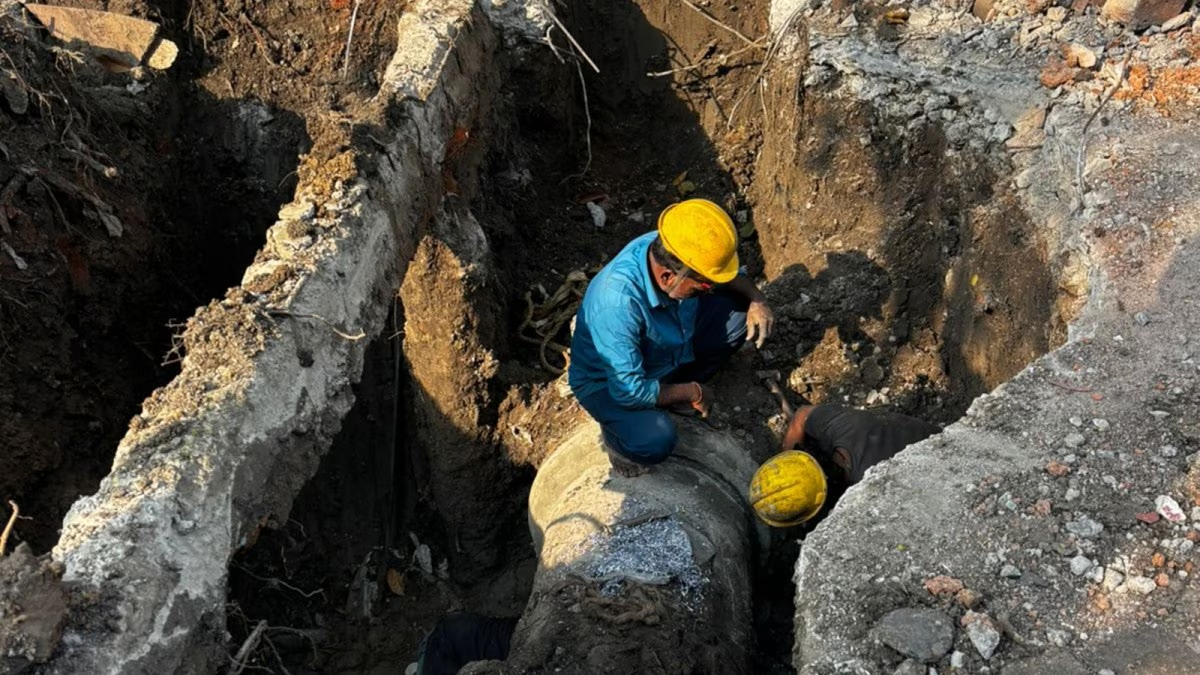
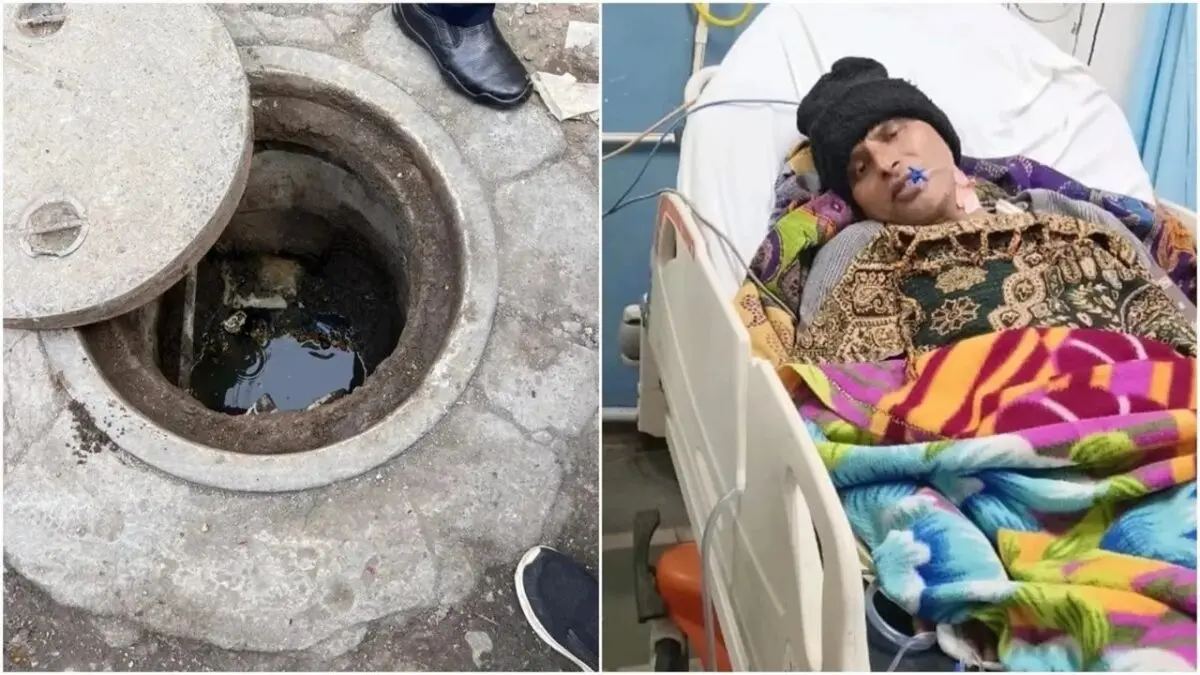
Officials later revealed that the leakage was detected in the main drinking water supply pipeline near a police outpost, at a location above which a toilet had been constructed. This structural overlap is believed to have allowed sewage to seep directly into the potable water line.
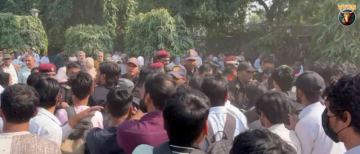
#WATCH | Indore | Eight people died in Indore due to contaminated water, more than 149 people have been hospitalised, and several others fell ill.
(Visuals from the Bhagirathpura where contamination happened) pic.twitter.com/Xb9CHoVvhA— ANI (@ANI) January 2, 2026
Scale of the Outbreak: Numbers That Tell a Grim Story
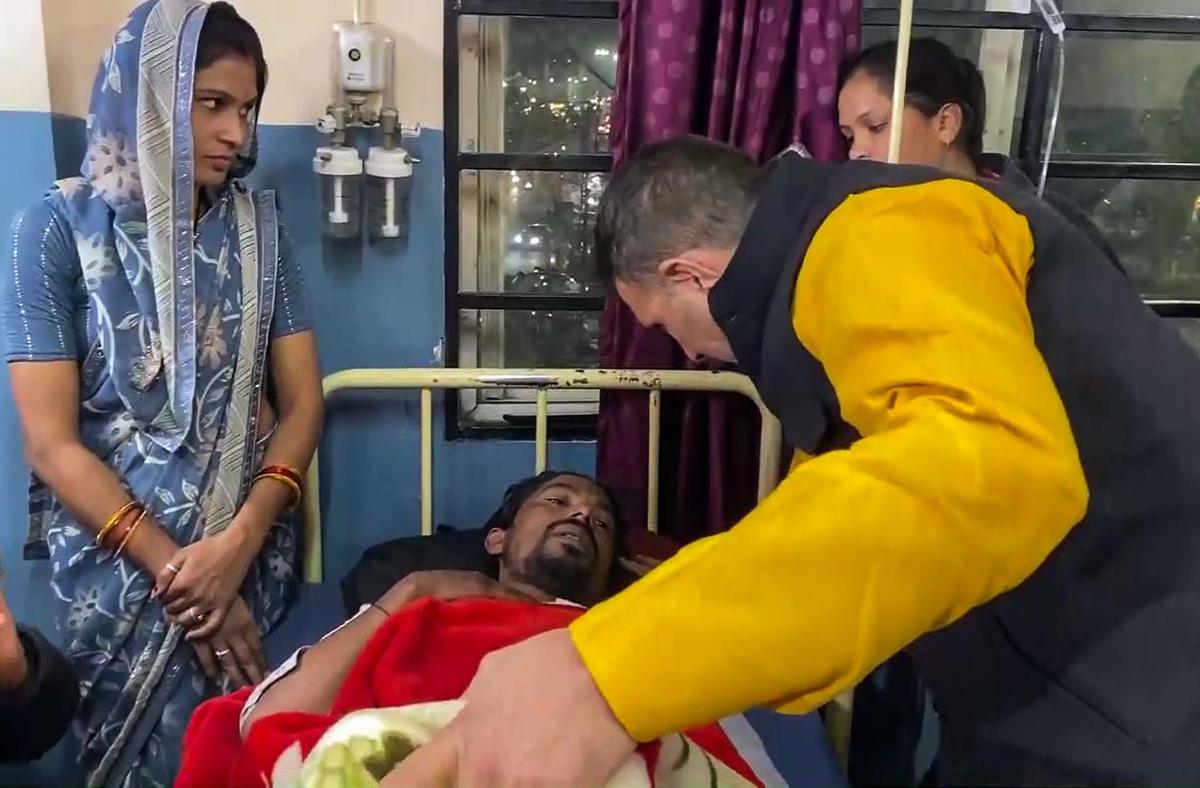
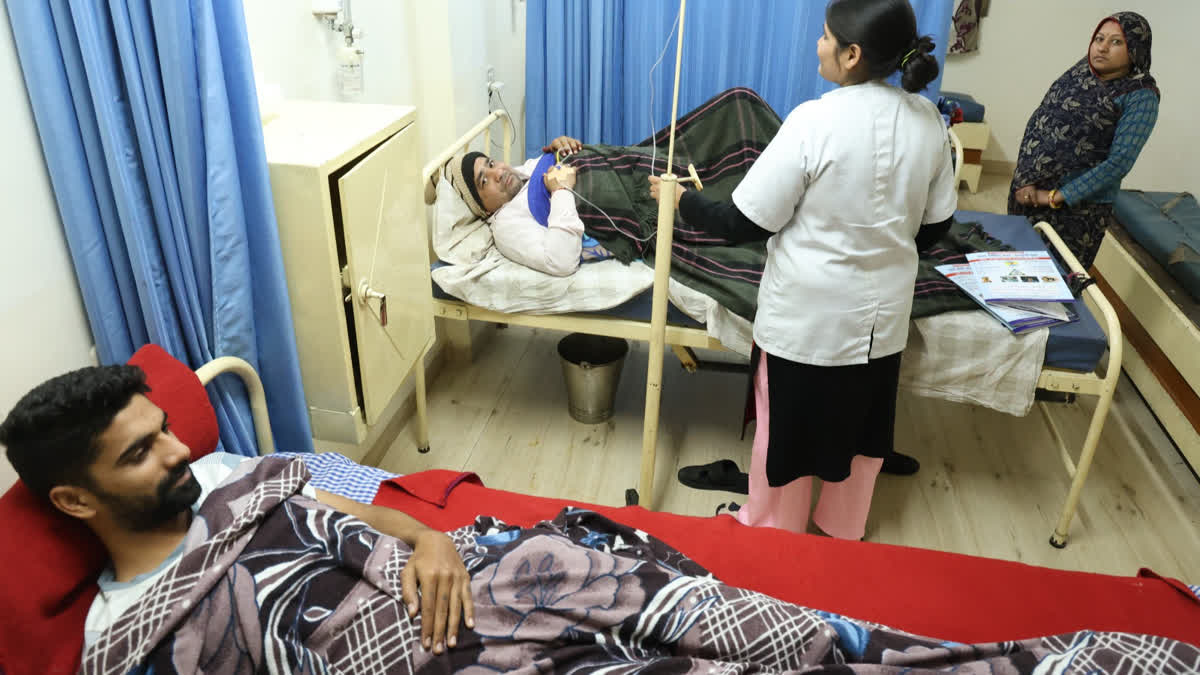
The magnitude of the crisis became evident as health surveys progressed. Over a span of eight to nine days, more than 1,400 people in Bhagirathpura reported symptoms of vomiting and diarrhoea.
According to health department data available till Thursday night:
-
272 patients were admitted to hospitals
-
71 patients were discharged after recovery
-
201 patients remain hospitalised
-
32 patients are undergoing treatment in intensive care units
In an extensive door-to-door survey conducted across 1,714 households, 8,571 people were examined. Among them, 338 individuals with mild symptoms received primary treatment at home, indicating how deeply the outbreak penetrated the community.
Early Warning Signs Ignored: A Timeline of Missed Opportunities
Mid-December 2025
Residents of Bhagirathpura, a densely populated locality with approximately 15,000 inhabitants, noticed that their tap water had become discoloured and emitted a foul smell. Complaints were repeatedly lodged with civic authorities, but no effective remedial action followed.
December 25, 2025
Despite worsening water quality—marked by a bitter taste and strong odour—water distribution continued uninterrupted. With no alternative supply available, many families continued using the water for drinking and cooking.
December 27–28, 2025
The first wave of illnesses emerged. Residents began experiencing vomiting, severe diarrhoea, dehydration, weakness, and fever. Local clinics treated initial cases as health teams started preliminary surveys.
December 29, 2025
The number of patients surged. Mayor Bhargava confirmed at least three deaths linked to diarrhoea, while hospitals reported a steady influx of patients.
December 30, 2025
Hospital admissions crossed 100, and reports suggested that over 1,100 residents had already fallen ill. Health teams intensified household surveys.
December 31, 2025
Conflicting death figures emerged, ranging from four to seven fatalities. Reports surfaced of a six-month-old infant’s death, allegedly due to contaminated milk prepared using unsafe water. The administration announced ₹2 lakh compensation for families of the deceased. A zonal officer and an assistant engineer were suspended, and an in-charge sub-engineer was dismissed.
January 1–2, 2026
Laboratory tests conclusively confirmed bacterial contamination. The affected pipeline was repaired, isolated, and cleaned. Residents were advised not to consume tap water without boiling it. Authorities promised statewide reforms in water safety monitoring.
What Went Wrong: Infrastructure Failure and Administrative Negligence
Investigations have firmly established that the outbreak was preventable. The contaminated water supply originated from a known leak in the main pipeline near a public toilet adjacent to the Bhagirathpura police outpost.
More troubling is the revelation that a tender to replace the pipeline was floated as early as August 2025, at an estimated cost of ₹2.4 crore, following complaints of foul-smelling water. Despite this, no repair work began, and no emergency measures were taken.
Only after residents began dying was the tender hurriedly opened.
A senior water department official, speaking anonymously, described the situation bluntly: “This is not failure. This is abandonment.”
Political and Administrative Response
Chief Minister Dr. Mohan Yadav confirmed that evidence of contamination due to leakage had been found and warned that such negligence would not be tolerated. Urban Administration Minister Kailash Vijayvargiya also acknowledged that sewage mixing into drinking water was the likely cause.
Additional Chief Secretary Sanjay Dubey, who visited Bhagirathpura on the Chief Minister’s instructions, said authorities were examining the entire pipeline network for additional leaks. He confirmed that clean water was restored after repairs but advised residents to boil it before drinking as a precaution. Fresh water samples were also sent for testing.
Dubey further announced that the state government would issue a standard operating procedure (SOP) for the entire state to prevent similar outbreaks in the future.
Indore’s Water Infrastructure: Promises vs Reality
Under the AMRUT 2.0 mission, Indore received water infrastructure projects worth approximately ₹1,700 crore during 2023–24.
-
Package-1 (₹579 crore) for an intake well, water treatment plant, and pipeline has been awarded.
-
Three additional packages, covering gravity mains, trunk lines, distribution networks, and overhead tanks—worth around ₹1,200 crore—remain in the tendering stage.
However, officials within the Water Resources Department admit that delays and weak monitoring have led to multiple intersections between sewage and drinking water pipelines, particularly in older localities like Bhagirathpura.
Residents Speak: “They Ignored Us”
Local residents say the tragedy could have been avoided if their complaints had been taken seriously.
Preeti Sharma, a Bhagirathpura resident, said she repeatedly complained to her local councillor about foul-smelling water but received no response.
Omprakash, another resident, displayed samples of muddy tap water from his home and remarked, “They kept fighting over contracts. Meanwhile, sewage kept flowing into our drinking water.”

Public Health Perspective: Why Contaminated Water Is So Dangerous
According to the World Health Organization (WHO), consuming unsafe water can lead to diseases such as bacterial gastroenteritis, cholera, typhoid, and dysentery—conditions that disproportionately affect infants, older adults, and immunocompromised individuals.
Symptoms commonly associated with such infections include vomiting, watery or bloody diarrhoea, abdominal pain, fever, dehydration, weakness, and fatigue. These symptoms were widely reported among Bhagirathpura residents.
The Indore outbreak aligns closely with WHO and CDC descriptions of waterborne bacterial infections caused by pathogens like E. coli, Salmonella, Shigella, and Campylobacter.
Treatment, Prevention, and Safety Measures
Health officials advised residents to rely on boiled water and avoid consuming untreated tap water. Mild cases were managed with hydration, Oral Rehydration Solutions (ORS), rest, and easily digestible food. Severe cases—particularly those involving dehydration, persistent vomiting, or high fever—were referred to hospitals.
Authorities also urged residents to report any foul-smelling or discoloured water immediately and emphasized the need for regular water quality testing.
Human Rights Commission Steps In
The National Human Rights Commission (NHRC) has taken suo motu cognizance of media reports surrounding the incident. It issued a notice to the Madhya Pradesh Chief Secretary, seeking a detailed report within two weeks.
The Commission stated that if the allegations are true, the incident constitutes a serious violation of human rights, particularly because residents’ complaints were allegedly ignored before fatalities occurred.
A three-member probe committee has been formed, with the investigation handed to the Additional Chief Secretary. Several lower-level officials have already been suspended, though questions remain unanswered.
Unanswered Questions and Lessons Ahead
Despite official assurances, critical questions persist:
-
Why was the pipeline replacement tender stalled despite known risks?
-
Why were residents’ complaints ignored until deaths occurred?
-
How did sewage and drinking water lines intersect in a city repeatedly ranked for cleanliness?
The Indore water contamination crisis is a stark reminder that sanitation awards do not guarantee safety if infrastructure maintenance, governance, and accountability fail. As investigations continue, the tragedy underscores an undeniable truth—access to safe drinking water is not a privilege, but a fundamental right.
Whether Indore and Madhya Pradesh can translate this painful lesson into systemic reform will determine if such a disaster is ever repeated.
With inputs from agencies
Image Source: Multiple agencies
© Copyright 2025. All Rights Reserved. Powered by Vygr Media.