 By
By 
New Delhi: In a significant shift in India's diplomatic approach toward the Gulf region, the Government of India has appointed veteran diplomat Vipul as the country's next Ambassador to the Kingdom of Saudi Arabia, making him the first non-Muslim envoy to hold the position since diplomatic relations between the two nations were established in 1948. The appointment marks the end of a long-standing convention under which India traditionally posted Muslim diplomats to Riyadh because of Saudi Arabia's unique religious significance and its central role in facilitating the annual Haj pilgrimage for Indian Muslims.
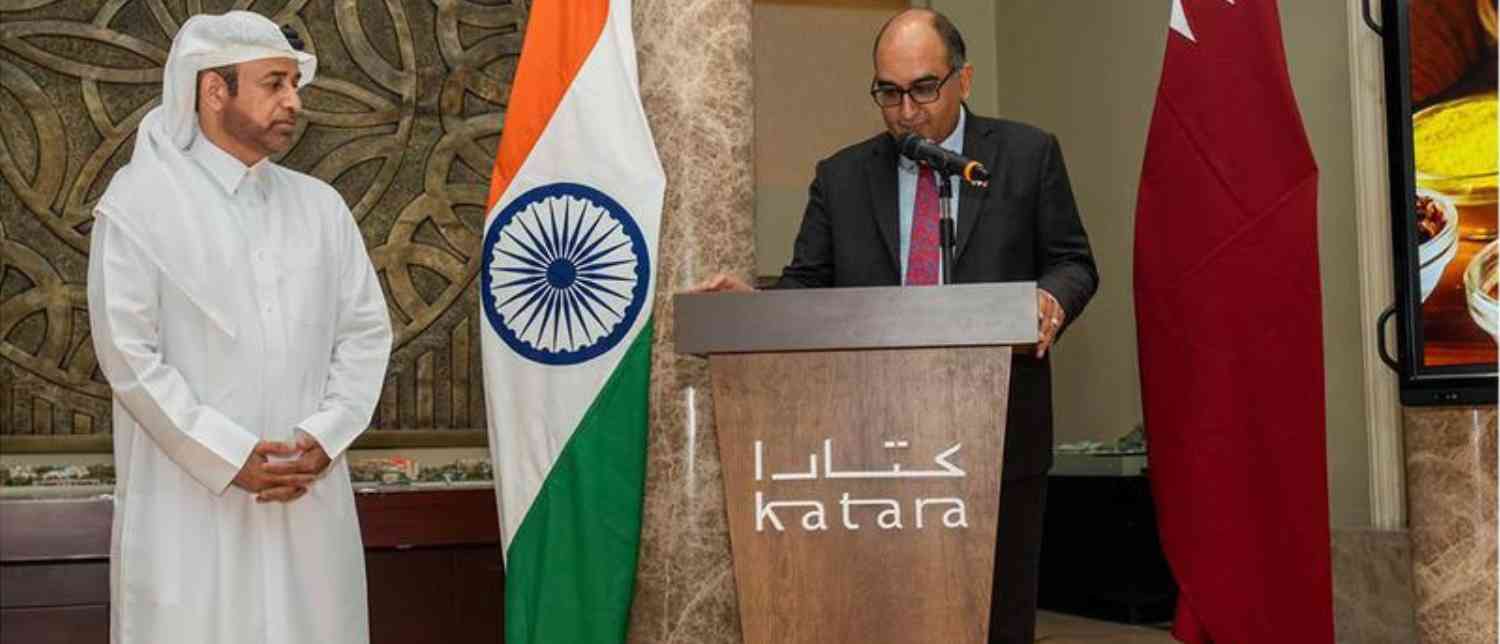
The Ministry of External Affairs (MEA) formally announced the appointment on June 2, stating that Vipul, a 1998-batch Indian Foreign Service (IFS) officer currently serving as India's Ambassador to Qatar, is expected to assume his new assignment shortly.
A Historic Departure from Tradition
Since India's independence, New Delhi had consistently appointed Muslim diplomats as ambassadors to Saudi Arabia and often selected Muslim officers for key diplomatic positions linked to the kingdom. The convention emerged primarily because Saudi Arabia is home to Islam's two holiest cities, Mecca and Medina, and because Indian missions in the kingdom historically played a crucial role in coordinating Haj and Umrah pilgrimages for thousands of Indian Muslims every year.
The significance of the posting also stems from Saudi Arabia's position as the headquarters of the 57-member Organisation of Islamic Cooperation (OIC), an influential bloc that frequently addresses issues concerning the Muslim world. Given these religious and geopolitical considerations, previous governments generally preferred Muslim diplomats for the Riyadh posting.
Vipul's appointment therefore represents a notable departure from a diplomatic practice that had remained intact for nearly eight decades. According to analysts, the move reflects India's growing confidence in managing relations with Saudi Arabia through broader strategic, economic and geopolitical considerations rather than religious symbolism.
Why Saudi Arabia Matters More Than Ever
The timing of the appointment is particularly significant given Saudi Arabia's expanding role in regional and global affairs. Once viewed primarily through the prism of energy security and expatriate labour, Riyadh has evolved into one of India's most important strategic partners in West Asia.
Saudi Arabia remains a critical energy supplier for India, while simultaneously emerging as a major investment destination and economic partner. Under Crown Prince Mohammed bin Salman's Vision 2030 programme, the kingdom is diversifying its economy and investing heavily in sectors such as technology, infrastructure, manufacturing, tourism, culture and innovation. These developments have opened new avenues for India-Saudi cooperation beyond oil and labour relations.
Saudi Arabia is also home to approximately 2.7 million Indians, making it one of the largest overseas Indian communities anywhere in the world. In addition to expatriate workers and their families, the kingdom receives a large number of Indian Umrah pilgrims annually and around 175,000 Haj pilgrims from India every year. This extensive people-to-people connection makes the Indian diplomatic mission in Riyadh one of New Delhi's most consequential overseas postings.
Furthermore, Saudi Arabia's growing influence in regional politics, coupled with continuing instability and geopolitical tensions across West Asia, has elevated the strategic importance of India's ambassadorial post in Riyadh.
Who Is Vipul?
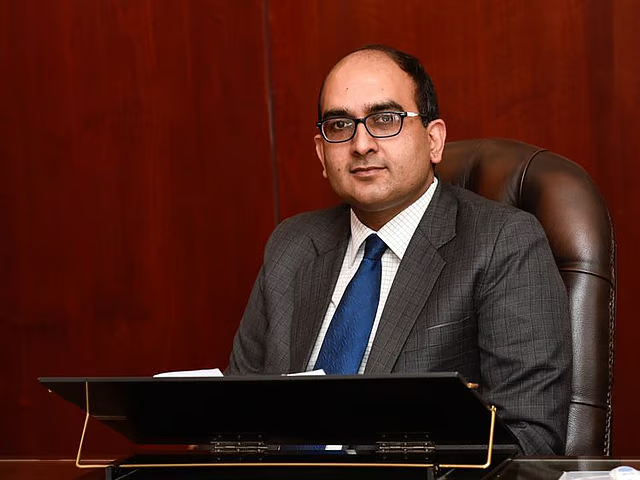
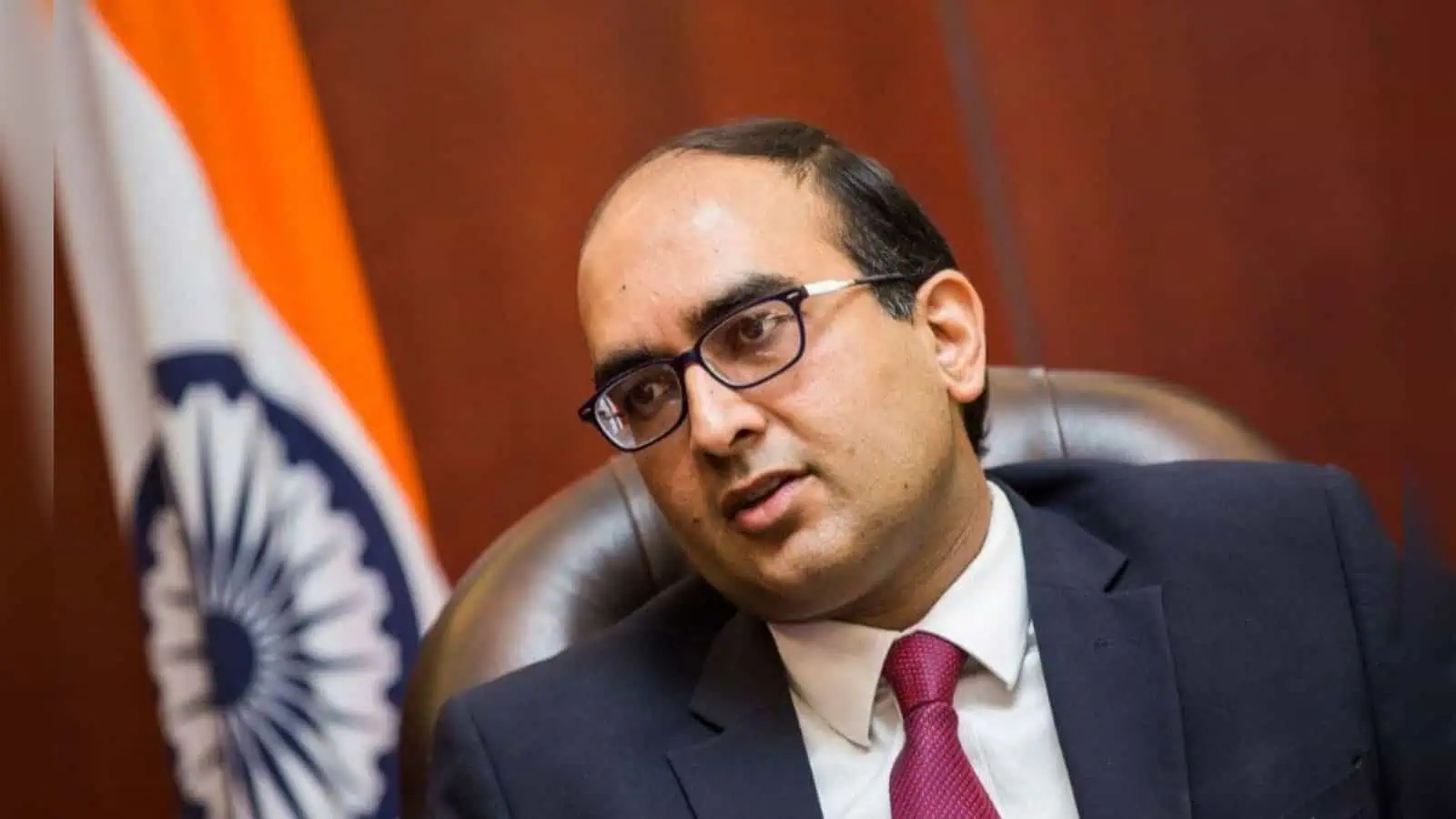
Widely regarded as a specialist in Gulf and West Asian affairs, Vipul brings extensive regional expertise to the role. A 1998-batch IFS officer, he has spent a substantial part of his diplomatic career handling issues related to the Gulf region and India's relations with Arab countries.
Currently serving as India's Ambassador to Qatar since August 2023, Vipul has previously held several important assignments both abroad and within the MEA. His diplomatic postings have included Indian missions in Cairo, Colombo, Geneva and Dubai, where he gained experience across political, economic, commercial and strategic portfolios.
Between 2017 and 2020, he served as Consul General of India in Dubai, one of India's most important diplomatic assignments in the Gulf. Following that tenure, he returned to New Delhi and served as Joint Secretary (Gulf) in the Ministry of External Affairs from 2020 to 2023, overseeing India's engagement with key Gulf nations.
During his career, Vipul has worked on a diverse range of issues including political relations, commercial diplomacy, development cooperation, international security, disarmament and media engagement. His broad experience is considered particularly valuable at a time when India's engagement with Saudi Arabia spans multiple sectors and strategic interests.
Academically, Vipul graduated with a degree in Mechanical Engineering from the Indian Institute of Technology (IIT) Delhi in 1994 and later earned an MBA from the Indian School of Business (ISB), Hyderabad.
Replacing Suhel Ajaz Khan
Vipul will succeed Suhel Ajaz Khan, who has served as India's Ambassador to Saudi Arabia since January 2023 and is being transferred to the MEA headquarters in New Delhi.
His appointment also follows a line of prominent diplomats who represented India in Riyadh. While most ambassadors to Saudi Arabia have been career diplomats, the position has occasionally been held by notable political appointees as well. Among them were M. O. H. Farook, who served from 2004 to 2009, and Ahmad Javed, who represented India in Riyadh from 2016 to 2019.
What the Appointment Signals
Observers view the appointment as more than a personnel decision. Many see it as evidence of the transformation in India-Saudi relations over the past decade. As bilateral ties increasingly focus on strategic investments, energy transition, defence cooperation, technology partnerships and regional security, New Delhi appears to be emphasizing professional expertise and regional experience over historical conventions.
The decision also aligns with India's broader diplomatic evolution in West Asia, where the country has sought to deepen ties across the region while balancing relationships with multiple stakeholders. Saudi Arabia's emergence as a leading economic and geopolitical actor under Vision 2030 has further increased the importance of having an experienced Gulf specialist at the helm of India's mission in Riyadh.
With decades of diplomatic experience, extensive knowledge of Gulf affairs and a strong track record in managing India's regional relationships, Vipul is expected to play a key role in advancing one of India's most strategically important bilateral partnerships in the years ahead.
With inputs from agencies
Image Source: Multiple agencies
© Copyright 2026. All Rights Reserved. Powered by Vygr Media.