 By
By 
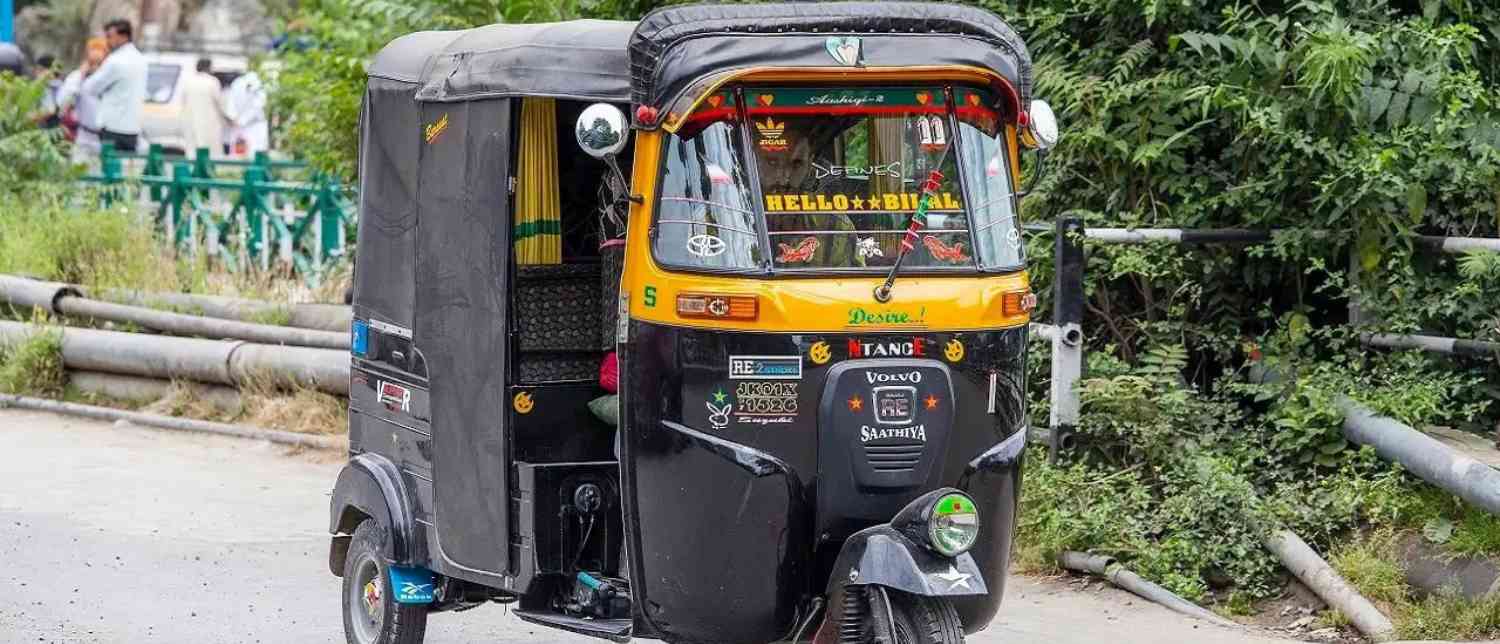
Mumbai: Maharashtra has announced sweeping reforms for the state's commercial transport sector, making a functional Marathi language test mandatory for taxi and auto-rickshaw drivers from August 16, while also paving the way for the launch of regulated bike taxi services from August 1. The twin announcements, made by Transport Minister Pratap Sarnaik during the ongoing Legislature session, are aimed at strengthening passenger communication, promoting the use of Marathi, and formalising emerging mobility services across the state.
The government has made it clear that commercial drivers who fail to demonstrate basic proficiency in Marathi after the August 15 deadline risk losing their permits or licences. At the same time, Maharashtra will roll out a long-awaited bike taxi policy that includes stringent eligibility norms such as domicile requirements and welfare contributions by aggregators.
Marathi proficiency now a prerequisite for commercial drivers
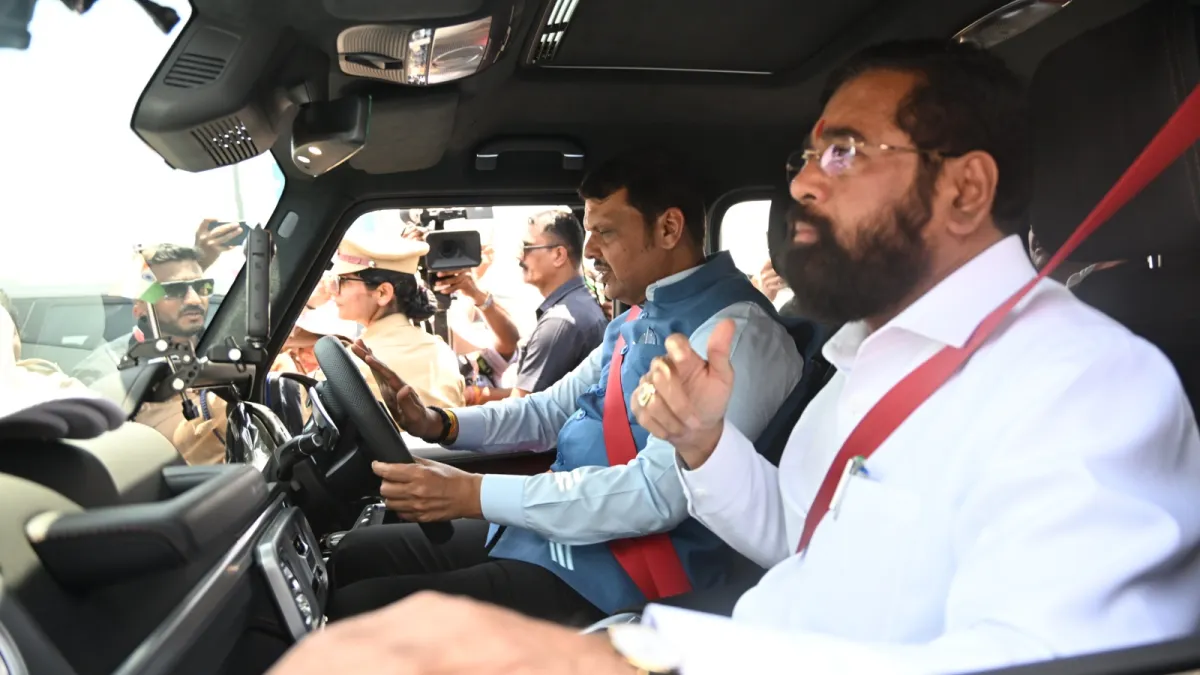
Addressing reporters after the legislative proceedings, Transport Minister Pratap Sarnaik reiterated that all taxi and auto-rickshaw drivers operating in Maharashtra must possess functional knowledge of Marathi. Drivers who fail to clear the prescribed language assessment after August 16 will face cancellation of their commercial permits or licences, he warned.
The state government had earlier made Marathi proficiency compulsory from May 1. However, after representations from various stakeholders, the implementation was deferred until August 15 to provide non-Marathi-speaking drivers sufficient time to prepare. The latest announcement confirms that the grace period will end next month, with strict enforcement beginning immediately thereafter.
Officials have clarified that the examination is intended to assess practical communication skills rather than advanced language proficiency. Drivers will be expected to read Marathi signboards or official documents, write a simple sentence in the language, and hold a basic conversation with passengers or officials. The emphasis is on ensuring that commercial drivers can effectively communicate with commuters and navigate local signage across Maharashtra.
Government launches statewide Marathi training programme
To facilitate compliance, the Maharashtra government has initiated a large-scale language training programme. According to the transport minister, nearly 450 teachers have been deployed to train commercial drivers in functional Marathi before the August deadline.
The training is designed specifically for drivers who migrated from other states and may not have had previous exposure to the language. The government maintains that the initiative is not intended to exclude workers but to improve communication between drivers and passengers while promoting the state's official language.
The move reflects Maharashtra's broader emphasis on strengthening the use of Marathi in public-facing services. Authorities believe that better language skills will enhance customer experience, reduce misunderstandings, and make public transport services more accessible to residents who primarily communicate in Marathi.
Bike taxi services to commence from August 1
Alongside the language mandate, the state government has also announced the rollout of bike taxi services from August 1 under a regulated framework.
The policy seeks to legalise and regulate bike taxi operations, an area that has witnessed growing demand in urban centres due to increasing traffic congestion and the need for affordable last-mile connectivity. With formal regulations now in place, licensed operators will be permitted to offer commercial bike taxi services across Maharashtra, subject to compliance with the new guidelines.
Officials have indicated that the policy also encourages the adoption of electric two-wheelers, aligning with Maharashtra's broader push towards sustainable urban mobility and reduced vehicular emissions.
Domicile certificate mandatory for bike taxi operators
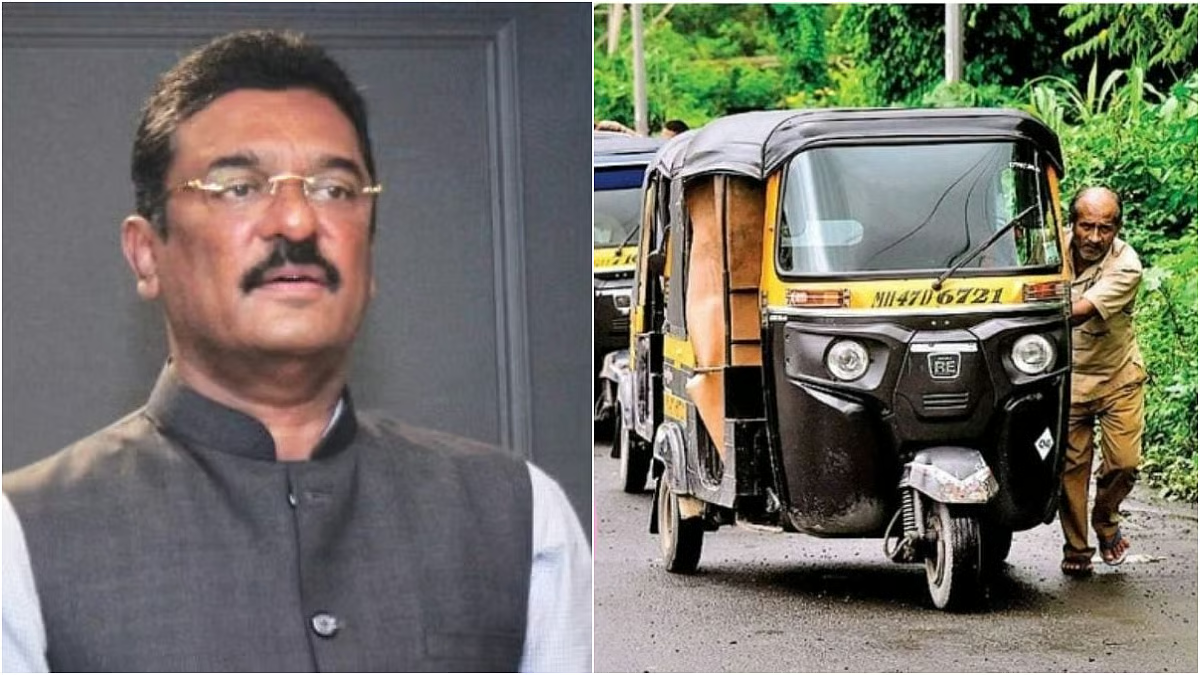
One of the key provisions of the new bike taxi policy is the requirement for operators to possess a valid domicile certificate. The government has stated that only individuals meeting the prescribed domicile criteria will be eligible to obtain permits for bike taxi operations.
The domicile requirement has been positioned as a measure to ensure employment opportunities for local residents while regulating the rapidly expanding app-based mobility ecosystem. The new norms will also apply to aggregator-linked commercial bike taxi operations introduced under the policy.
In addition to domicile eligibility, aggregators will be required to contribute towards welfare measures for drivers, signalling the government's intention to strengthen social security provisions for gig workers in the transport sector.
Industry and drivers express concerns
While the announcements have been welcomed by sections advocating greater use of Marathi and better regulation of commercial transport, they have also sparked concerns among migrant drivers, particularly those working with app-based cab platforms.
Many commercial drivers in Mumbai and other cities come from outside Maharashtra and fear that the combination of language and domicile requirements could make it difficult for them to continue working. Some industry representatives have warned that the measures may reduce the available driver pool if a significant number of operators fail to meet the new criteria within the stipulated timeline.
Concerns have also been raised about the practical challenges of implementing the new rules, especially in metropolitan regions where app-based ride-hailing services depend heavily on migrant workers. Driver groups argue that while learning basic Marathi is achievable, obtaining domicile documentation could prove more complicated for long-term migrant workers.
Government maintains focus on passenger convenience
The Maharashtra government, however, has defended the reforms, saying they are intended to improve passenger safety, enhance communication, and create a more accountable transport ecosystem.
According to officials, passengers often face difficulties when drivers are unable to understand directions or communicate effectively in Marathi, particularly in smaller towns and rural areas. The functional language requirement is therefore viewed as an essential service standard rather than merely a linguistic obligation.
Similarly, the formalisation of bike taxis is expected to provide commuters with an affordable and convenient travel option while bringing currently unregulated operations within the ambit of state oversight. The policy also aims to ensure that commercial operators adhere to licensing, safety and welfare norms that were previously absent in many informal bike taxi services.
Key dates for implementation
The state has outlined a phased timeline for implementing the reforms:
-
August 1, 2026: Regulated bike taxi services become operational across Maharashtra under the new policy.
-
August 15, 2026: Deadline for taxi and auto-rickshaw drivers to acquire functional Marathi proficiency.
-
August 16, 2026: Enforcement begins, with drivers who fail the Marathi language assessment facing cancellation of commercial licences or permits.
A significant shift in Maharashtra's transport policy
The latest announcements represent one of the most comprehensive overhauls of Maharashtra's commercial transport regulations in recent years. By combining language requirements with the formal introduction of bike taxis, the government is attempting to balance cultural priorities, passenger convenience and evolving urban mobility needs.
Whether the reforms ultimately improve service quality without disrupting livelihoods will depend largely on how smoothly the implementation unfolds over the coming weeks. As the August deadlines approach, thousands of commercial drivers are expected to undergo Marathi training while transport aggregators prepare to comply with the state's new operational framework.
The coming months will reveal whether Maharashtra's dual focus on promoting Marathi and modernising urban transport can achieve its intended objectives without significantly impacting the state's vast commercial driver workforce.
With inputs from agencies
Image Source: Multiple agencies
© Copyright 2026. All Rights Reserved. Powered by Vygr Media.