
 By
By 
A commercial vessel carrying Indian sailors came under attack off the coast of Oman on June 11, marking the third maritime security incident involving ships linked to Indian crew members in just a few days and underscoring the rapidly deteriorating security situation around the Strait of Hormuz.
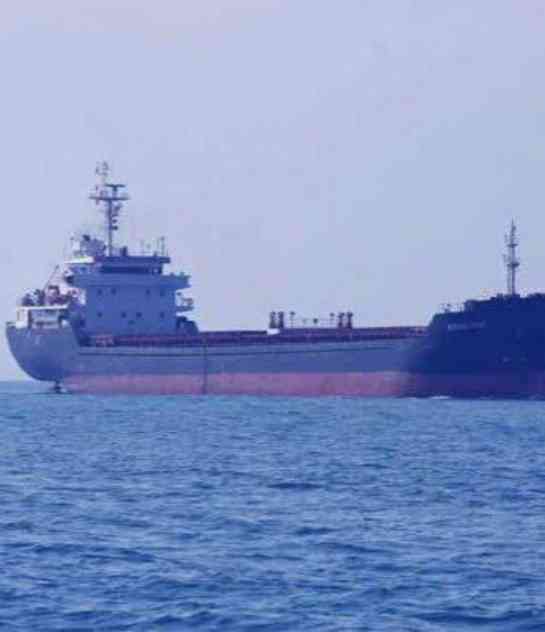
The vessel, identified as MT Jalveer, was reportedly targeted near Shinas port on Oman’s northern coast, close to one of the world's most strategically important shipping corridors. Initial reports indicated that more than 20 sailors were onboard at the time of the incident, though authorities had not immediately confirmed casualties, injuries, or the full extent of damage suffered by the vessel.
The latest attack has intensified concerns among maritime authorities, governments, and shipping operators as commercial vessels continue to face growing threats in waters surrounding Oman and the Strait of Hormuz. The incident comes amid escalating regional tensions and follows two other serious attacks on vessels carrying Indian crew members within the past three days.
_1781174702.jpg)
MT Jalveer Incident Sparks Emergency Response
According to reports, MT Jalveer was operating near Oman's Shinas port when it reportedly came under attack. The vessel was said to be carrying a significant number of Indian sailors, with estimates placing the crew strength at more than 20 personnel. Authorities and maritime agencies moved quickly to gather information following reports of the incident.
The Indian Embassy in Muscat confirmed that it was closely monitoring the situation and was in contact with local Omani authorities to obtain details regarding the vessel, its crew, and the circumstances surrounding the attack. Officials indicated that the embassy was actively tracking developments and coordinating with relevant stakeholders.
As news of the attack emerged, concerns mounted over the welfare of the Indian sailors onboard. While reports suggested that the ship had been targeted, no official confirmation regarding fatalities or serious injuries was immediately available.
Third Maritime Attack in Days
The MT Jalveer incident is particularly alarming because it represents the third reported attack on a vessel in the region within a matter of days. The succession of incidents has highlighted the increasingly dangerous operating environment for commercial shipping traversing waters near Oman and the Strait of Hormuz.
Earlier this week, another vessel carrying Indian crew members reportedly came under attack off the Omani coast, prompting emergency rescue efforts. In that incident, Indian seafarers sought urgent assistance after their vessel suffered damage following an explosion and fire. Rescue operations eventually brought all crew members to safety.
The most serious incident involved the tanker MT Settebello, which was attacked off Oman's coast and resulted in significant casualties among Indian seafarers. Indian authorities confirmed that multiple Indian crew members were killed or went missing following the strike, making it one of the deadliest maritime incidents involving Indian sailors in recent years.
Tragedy of MT Settebello Deepens Concerns
The attack on MT Settebello has become a major diplomatic and humanitarian concern for India. According to reports, 21 crew members were rescued, while three Indian sailors remained missing following the incident. The Ministry of External Affairs (MEA) strongly condemned the attack and launched efforts in coordination with Omani authorities to locate the missing seafarers.
Subsequent reports indicated that three Indian sailors aboard MT Settebello had died, prompting an outpouring of concern from India's maritime community and government officials. India's Shipping Minister Sarbananda Sonowal described the deaths as a profound loss, while authorities continued efforts to support affected families and investigate the circumstances surrounding the attack.
The seriousness of the incident also prompted diplomatic action. India summoned a senior U.S. diplomat to formally register concerns after reports linked the attack to broader military activity in the region. The move reflected New Delhi's growing concern over the safety of Indian citizens working aboard commercial vessels in conflict-prone waters.
Strait of Hormuz Becomes Flashpoint
The latest attack on MT Jalveer comes against the backdrop of an increasingly volatile security environment in the Gulf. The Strait of Hormuz remains one of the world's most critical maritime chokepoints, handling a substantial portion of global energy shipments and international trade. Any disruption in the region has immediate implications for global shipping, energy markets, and international commerce.
In recent months, several commercial vessels have reportedly been damaged, struck by projectiles, or threatened while operating near Oman, the United Arab Emirates, and the Strait of Hormuz. Maritime authorities have repeatedly warned shipping companies about elevated risks, including missile attacks, drone strikes, and misidentification during military operations.
Industry observers note that insurers, ship operators, and governments are increasingly concerned about the possibility of wider disruptions to commercial navigation if the security situation continues to deteriorate. Rising insurance costs, rerouting of vessels, and delays to cargo movements are among the risks facing the shipping industry.
Indian Seafarers Face Growing Risks
The latest attacks have renewed attention on the thousands of Indian sailors employed aboard merchant vessels operating in West Asian waters. Indian crew members form a substantial portion of the global maritime workforce and frequently serve aboard tankers, cargo ships, and commercial vessels traversing the Gulf region.
The repeated targeting of vessels carrying Indian sailors has raised concerns among maritime unions, shipping organizations, and policymakers. Industry groups have urged authorities to strengthen safety protocols, enhance coordination with regional governments, and ensure rapid response mechanisms for emergencies involving Indian crew members.
The attack on MT Jalveer has further reinforced fears that civilian commercial vessels and their multinational crews are increasingly becoming vulnerable amid wider geopolitical tensions. While investigations into the latest incident continue, maritime experts warn that continued instability could place more seafarers at risk in one of the world's busiest shipping corridors.
India Monitoring Situation Closely
Indian authorities have emphasized that they are closely monitoring developments related to MT Jalveer and remain in touch with Omani officials. The Indian Embassy in Muscat has continued gathering information about the vessel and its crew while assessing the impact of the incident.
As the region grapples with heightened tensions and repeated maritime attacks, the fate of commercial shipping through the Strait of Hormuz remains under intense scrutiny. The targeting of MT Jalveer serves as another stark reminder of the growing risks facing global trade routes and the seafarers who keep them operational.
With three vessel-related incidents reported in less than a week, pressure is mounting on regional and international stakeholders to ensure the safety of commercial navigation and prevent further escalation in one of the world's most strategically significant maritime zones.
With inputs from agencies
Image Source: Multiple agencies
© Copyright 2026. All Rights Reserved. Powered by Vygr Media.