
 By
By 
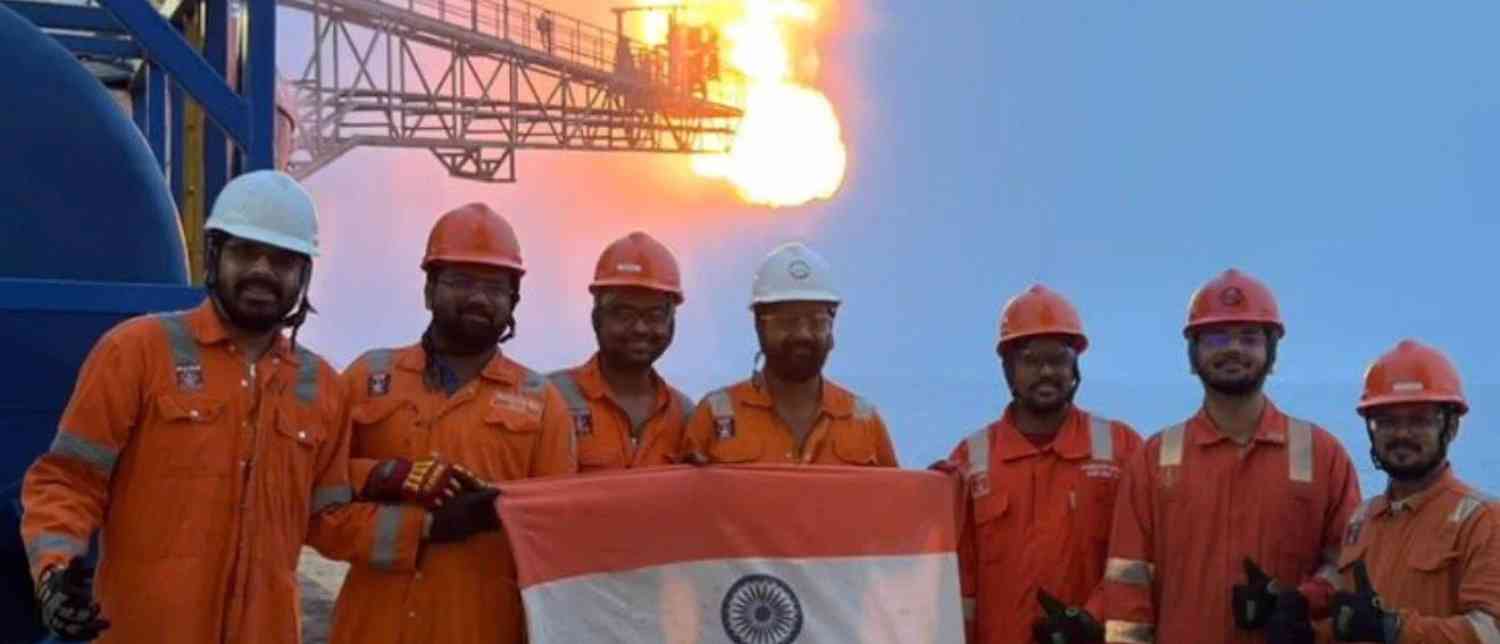
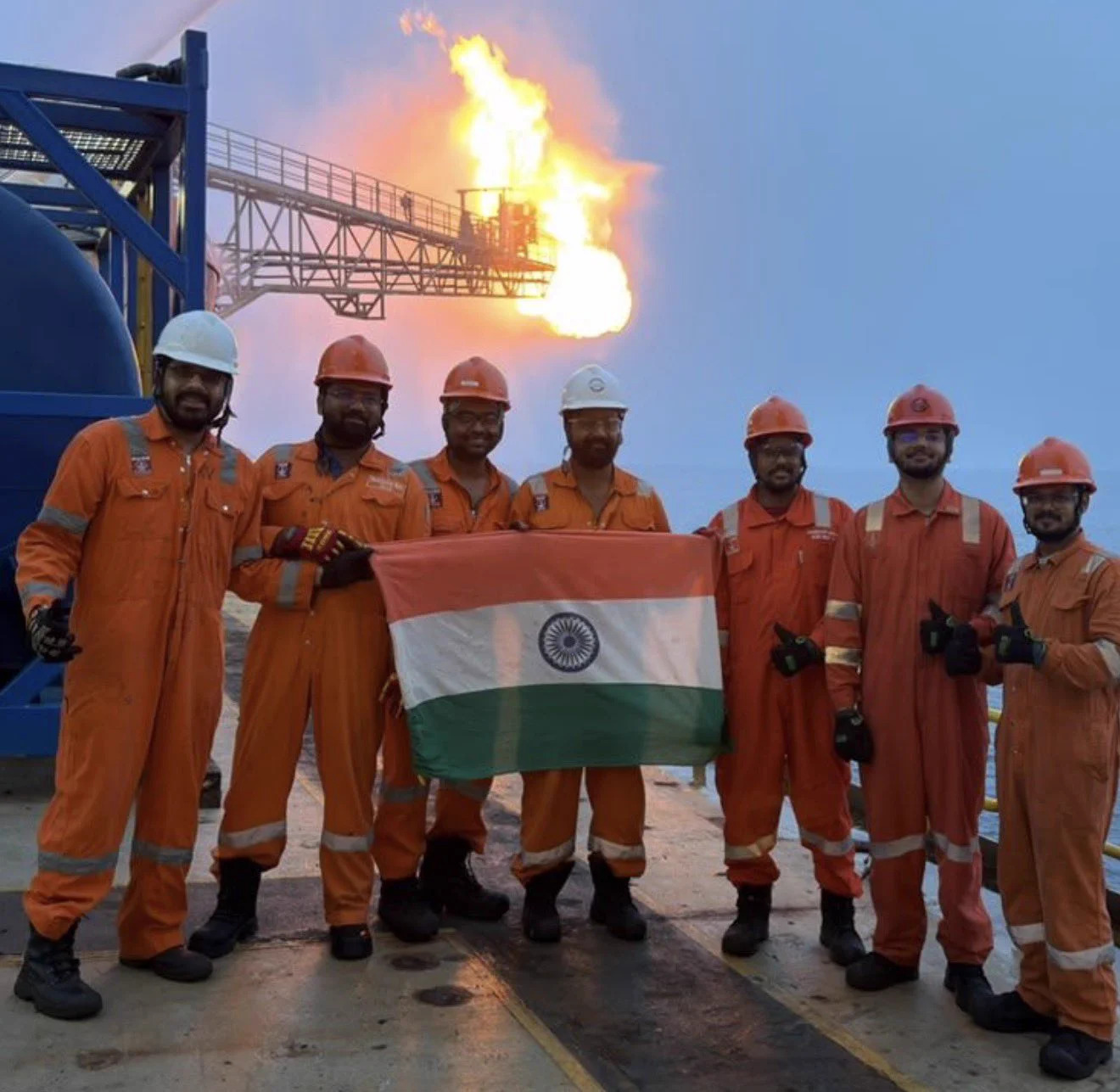
ONGC has discovered natural gas in a deepwater well around 43 km off Odisha’s Konark coast, marking the first drilling success in the Mahanadi Basin under the Samudra Manthan initiative. The discovery could strengthen India’s domestic gas supply, but further appraisal will determine its commercial potential.
The search for new domestic sources of oil and gas has moved deeper into India’s offshore waters, with the Oil and Natural Gas Corporation (ONGC) striking natural gas in the Mahanadi Offshore Basin off the Odisha coast.
The discovery, made on September 18, 2026, at the MN-DW18-1-H-D well, represents the first well drilled by ONGC in the Mahanadi Basin under the government’s Samudra Manthan deepwater exploration initiative. The development comes at a time when India is seeking to expand domestic hydrocarbon production and reduce its exposure to imported energy.
The well is located approximately 43 kilometres off Konark and encountered gas between depths of 1,441 metres and 1,452 metres. It was drilled to a target depth of 1,623 metres. According to ONGC, the well has continued to flow gas at encouraging rates while maintaining sustained reservoir pressure.
The discovery is significant, but it is not yet equivalent to a confirmed commercially recoverable gas reserve. ONGC will have to undertake additional appraisal, determine the size of the reservoir and assess how much gas can ultimately be recovered economically.

Gas discovery made in deepwater Mahanadi Basin
The latest discovery follows months of exploration activity in the offshore Mahanadi region.
The well was spudded on July 25, 2026, marking the launch of ONGC’s current deepwater exploration campaign in the basin. The operation was carried out using the drillship Platinum Explorer, with the exploration programme targeting geological structures beneath the deep waters of the Bay of Bengal.
The well lies roughly 23 nautical miles from Konark, in waters about 770 metres deep. Although the water itself is deep, the discovery zone lies considerably farther below the seabed, highlighting the technical complexity involved in offshore exploration.
After evaluating subsurface geological and geophysical data, the well was perforated on September 18. Gas subsequently began flowing from the reservoir.
ONGC has not yet disclosed the precise flow rate or the estimated volume of gas contained in the discovery. Those figures will become clearer only after detailed testing and appraisal work.
The company’s current assessment is therefore encouraging but preliminary.
Why the Mahanadi Basin matters
The Mahanadi Basin is a large sedimentary basin extending from the Mahanadi river delta into the Bay of Bengal. Over geological time, sediments deposited by river systems accumulated across the region, creating layers and formations capable of trapping hydrocarbons.
A substantial part of the basin lies offshore, making exploration more technically demanding and expensive than conventional onshore drilling.
The geological potential of the region has nevertheless attracted sustained exploration interest. ONGC began deepwater exploration in the Mahanadi Basin nearly two decades ago, with activity in the area dating back to 2006.
More recent exploration has produced the Utkal and Konark gas discoveries in 2024, adding to the geological evidence that the basin contains hydrocarbon-bearing formations.
The latest find provides another data point in understanding the deeper petroleum system of the basin and could encourage further drilling if appraisal results remain positive. The current campaign includes plans for multiple wells, with the newly drilled well being the first of four planned under the present exploration programme.
What the discovery means for India’s energy security
Natural gas has a role well beyond electricity generation. It is widely used in fertiliser manufacturing, city gas distribution, industrial processes and power generation.
India continues to depend significantly on imported energy, including natural gas. As a result, successful domestic discoveries can potentially increase the share of locally produced gas in the country’s overall energy mix.
However, the scale of the impact depends entirely on the amount of gas that can ultimately be recovered.
A gas-bearing reservoir does not automatically become a producing asset. Companies must establish the extent of the reservoir, estimate recoverable resources, assess pressure and flow characteristics, determine the cost of developing the field and compare those costs with expected revenues.
That makes the coming appraisal phase particularly important for the Mahanadi discovery.
If subsequent drilling confirms a sizeable and economically recoverable accumulation, the find could eventually contribute to domestic gas production and reduce a portion of India’s dependence on overseas supplies.
Odisha coast location could help speed up development
One factor that could work in favour of the discovery is its relatively close proximity to the Odisha coast.
At approximately 43 km from Konark, the location could offer logistical advantages compared with a discovery located much farther offshore. Shorter distances can potentially simplify connections with coastal infrastructure and reduce some development requirements, although the economics will ultimately depend on reservoir characteristics and the infrastructure needed to bring the gas to market.
ONGC has also indicated that the latest discovery could potentially be developed alongside other discoveries in the area through shared infrastructure.
Such an approach could allow multiple offshore resources to use common facilities rather than requiring completely separate infrastructure for each field. This could potentially lower development costs and shorten the time required to bring viable discoveries into production.
The Petroleum and Natural Gas Rules, 2025 provide a framework that could support such shared-facility development for deepwater resources.
For the Mahanadi Basin, this creates the possibility of treating several discoveries as part of a broader development cluster rather than evaluating every discovery entirely in isolation.
Samudra Manthan gives deepwater exploration a wider push
The Mahanadi discovery also needs to be viewed within the larger Samudra Manthan programme, which is aimed at accelerating offshore exploration in India.
The government approved the initiative with an outlay of about ₹84,084 crore through 2030-31, covering offshore surveys, deepwater drilling and infrastructure intended to support production.
The broader objective is to unlock additional domestic hydrocarbon resources, particularly in areas where high exploration costs and technical risks have historically limited activity.
Deepwater exploration is expensive because drilling operations must be conducted in challenging offshore environments and require specialised vessels, equipment and geological expertise. A successful discovery can therefore provide valuable geological information even before commercial production begins.
The government has estimated that the wider Samudra Manthan programme could contribute more than 600 million tonnes of oil equivalent to India’s hydrocarbon resource base.
The Mahanadi discovery is among the early tangible outcomes of this renewed push into offshore exploration.
What happens next?
For now, the focus will shift from discovery to evaluation.
ONGC is expected to undertake further appraisal to establish the size and characteristics of the reservoir. The company will also need to determine the volume of gas that can actually be recovered and whether commercial development makes economic sense.
The encouraging gas flow and sustained reservoir pressure are positive technical indicators, but they do not by themselves establish commercial viability.
Further drilling could also help determine whether the discovery is part of a larger hydrocarbon-bearing structure and how it relates to nearby discoveries such as Utkal and Konark.
If the results support cluster development, shared offshore facilities could eventually provide a route for bringing multiple Mahanadi Basin discoveries into production.
For India, the significance of the development therefore extends beyond a single well. The discovery adds to the growing geological understanding of one of the country’s important offshore basins and provides fresh momentum to the search for domestic hydrocarbon resources.
The immediate question is no longer whether gas exists beneath this part of the Mahanadi offshore basin. That has been established.
The bigger question now is how much gas is there, how much can be recovered, and how quickly it can be brought to market.
The answers could determine whether this latest deepwater discovery becomes simply another exploration success—or the foundation of a larger offshore gas development along India’s eastern coast.
With input from agencies
Image Source: Multiple agencies
© Copyright 2026. All Rights Reserved. Powered by Vygr Media.