 By

Thane, October 28: A month ago, a Shiv Sena (UBT) leader sat in his office in Thane’s Ghodbunder belt and, according to police, five men walked in with a gun and sharp weapons. Pradeep Purnekar, a division chief of the party, died at a private hospital that night. Thirty days on, the killing has become the latest chapter in a long, uncomfortable story about money, land and politics in Mumbai’s booming neighbour.
The night of September 29
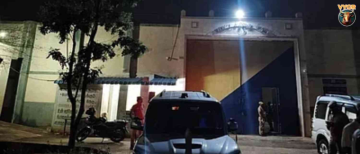
Police say the attack took place at about 9:30 pm on September 29 at Purnekar’s office in the Manpada and Ghodbunder area, under the Kapurbawdi police station. Masked men opened fire on him, and he was also attacked with a sharp weapon. He was rushed to a nearby private hospital but died during treatment.
The next day, hundreds of Sena (UBT) workers gathered outside the Kapurbawdi police station with family members and senior leaders, including Aaditya Thackeray and Sanjay Raut, as Purnekar’s body was brought out after the autopsy. Raut demanded that police record the statement of Purnekar’s son and register a supplementary FIR.
The son’s allegations
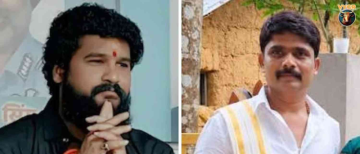
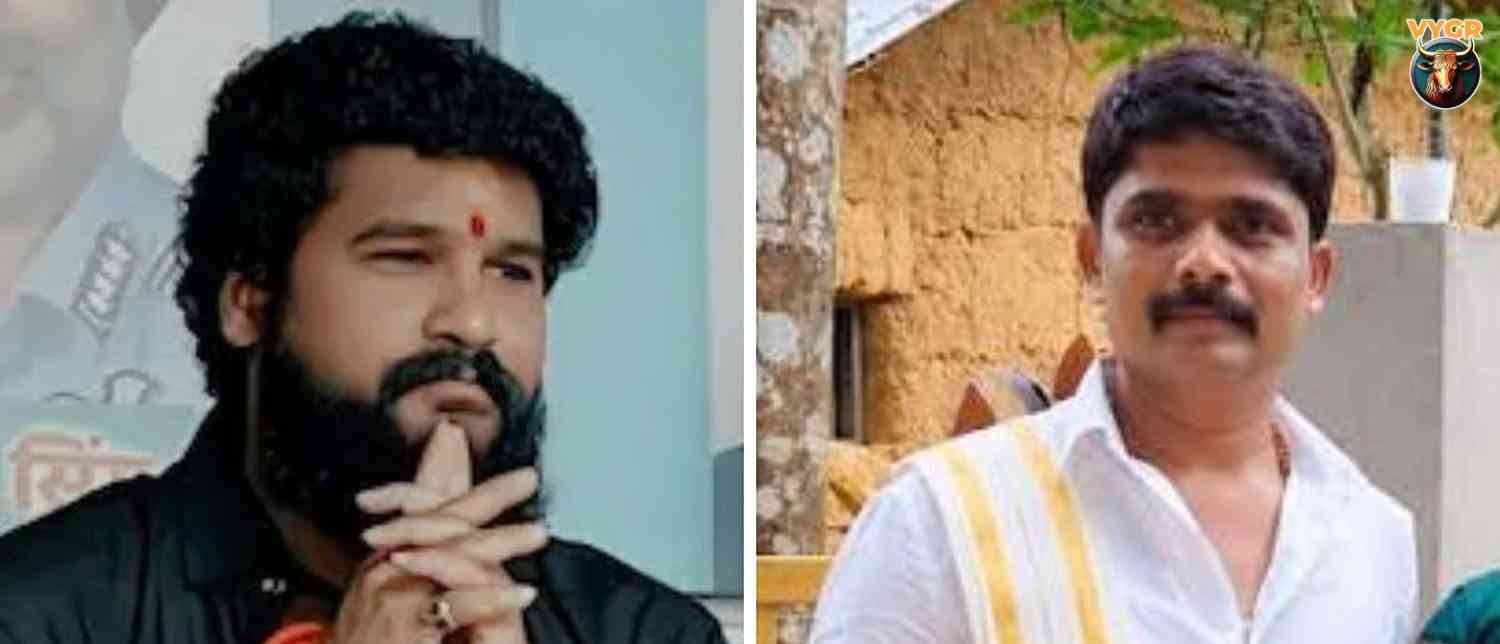
On October 1, Purnekar’s son, Ram Purnekar, gave a statement to police accusing Thane’s former mayor, Meenakshi Shinde, and her husband, Rajendra Shinde, of orchestrating the crime. Joint Police Commissioner Dyaneshwar Chavan said multiple teams of the local police and the Crime Branch were investigating from all angles, and that many of the accused have criminal records.
On October 21, Ram held a press conference and went further. He alleged that Rajendra Shinde had trained the accused to use firearms and showed videos he claimed prove it. He also alleged that the police knew the identity of the mastermind but had not acted. These are allegations. I could not find a response from the Shindes in the reports I reviewed, and no one has been convicted.
What police have done
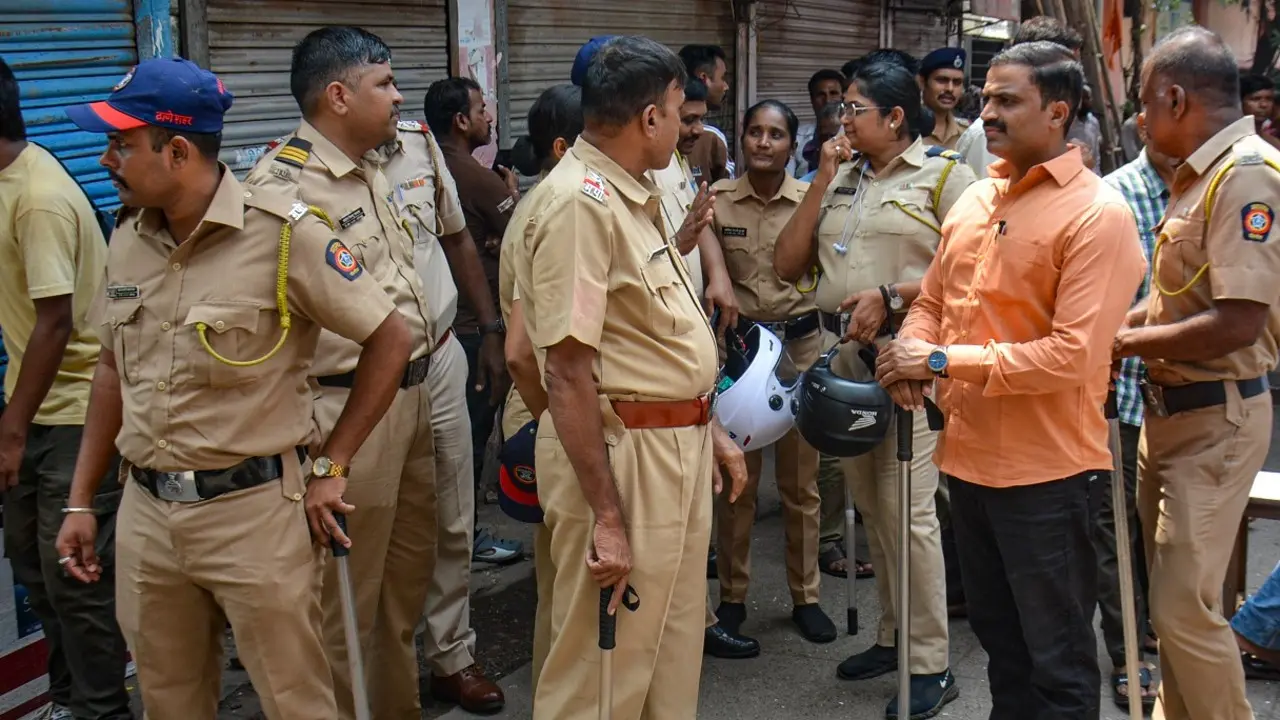
A special investigation team (SIT) has been formed. Subhash Shinde, alias Papya, was arrested first, followed by Nikhil Yadav and Nitesh Pawar on October 2, and by Santosh Kanojia, alias Talli, and Amit Singh on October 9. Twenty days after the killing, reports said the motive and the alleged mastermind were still unclear.
An old pattern
For people who have followed Thane, the case rings familiar. The city’s politics grew up around the Shiv Sena, and its early history was shaped by Anand Dighe, who became the party’s Thane unit president in 1984 and ran a daily “durbar” at his home to settle citizens’ disputes. Reports describe him as a powerful muscleman, and his authority rested on a mix of public service and fear.
Dighe was accused of the 1989 murder of Shiv Sena member Shridhar Khopkar, who had allegedly voted for the Congress that year. His death in 2001 led to riots that destroyed a hospital in the city, after his followers claimed medical negligence. Eknath Shinde succeeded him as Thane unit chief.
The violence was not unique to Thane. A Marxist party publication once listed Shiv Sena legislators Vithal Chavan and Ramesh More and corporators Vinayak Wable and Khimbahadur Thapa, as well as BJP leaders including Ramdas Nayak, among politicians killed in Mumbai and its surroundings through their involvement with gangs and rackets over land, property or extortion, a characterisation that is the author’s own.
More recent incidents point the same way. In 2020, MNS leader and RTI activist Jameel Ahmed Sheikh was killed in Thane district. An arrested man later told police that the attack was ordered by a leader of the Nationalist Congress Party, an allegation that is yet to be tested. In 2023, a Shinde-led Shiv Sena leader, Shabbir Shaikh, was stabbed to death in Ulhasnagar, where police suspected a money motive. Across the region, the 2024 killing of former minister Baba Siddique prompted police to examine angles including a threat connected to a slum redevelopment project.
Why land and politics collide
Thane has grown rapidly into one of the Mumbai Metropolitan Region’s major residential and commercial hubs, with large redevelopment and township projects along corridors such as Ghodbunder Road. Land, construction contracts and redevelopment approvals are where money is made, and local political offices, from corporator to division chief, control access to them. That gives local bosses a reason to protect turf and settle scores, and it brings in people with criminal records on the margins of politics.
This is an analysis based on patterns in earlier cases, not a finding in the Purnekar investigation, where police have not stated a motive.
The politics of the response
Thane is also the home turf of Deputy Chief Minister Eknath Shinde, who built his career here, and the city is a stronghold of the rift between Shinde’s Shiv Sena and the Uddhav Thackeray-led Sena (UBT). That makes every violent act politically charged. The son’s allegations and the Sena (UBT) leaders’ demands for arrests have turned the case into a test of whether the police can act without pressure from the ruling side.
What to watch
Whether police name a mastermind and a motive, whether the former mayor and her husband are questioned, whether the SIT files a chargesheet, and how the courts treat the evidence. The case will also show whether a city that has seen this story before can break the pattern.
© Copyright 2026. All Rights Reserved. Powered by Vygr Media.