 By
By 
A large container ship has gone down in one of the world’s most tense stretches of water, and the first thing to know is that the crew survived. What caused the sinking, though, is being argued over by Iran, a maritime authority, and independent security analysts.
What is confirmed
A Singapore-flagged container ship called GFS Pride, managed by the Dubai-based GFS Ship Management, sank near the Strait of Hormuz on 14 October after a fire on board. Singapore, where the ship was registered, confirmed that it sank and said all 21 crew members were evacuated safely.
The vessel could carry 2,824 standard containers. No cargo manifest has been published, and it is not clear how many containers it was actually carrying when it sank.
What Iran says
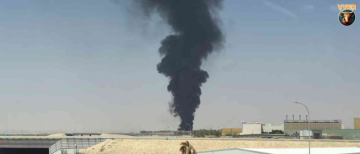
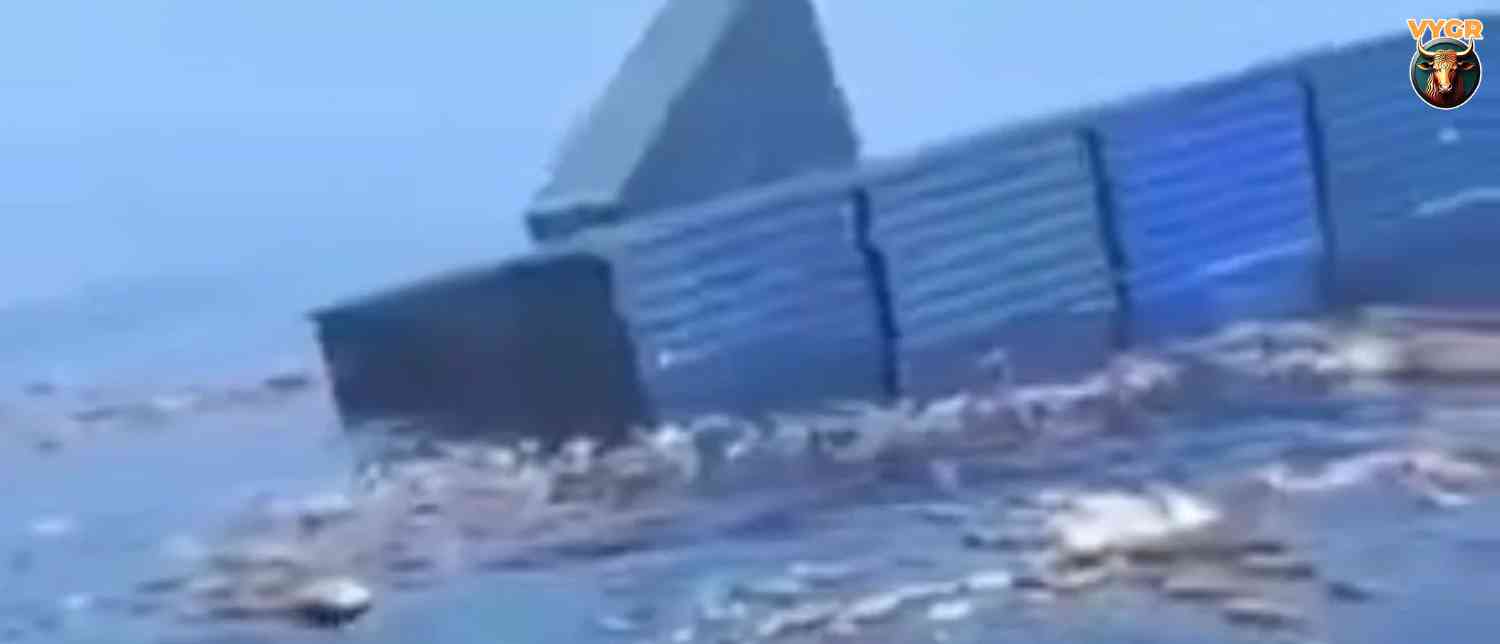
Iran’s Islamic Revolutionary Guard Corps (IRGC) Navy said the ship hit a naval mine while sailing on what it called an “unauthorised and dangerous” route. It said the ship was carrying more than 2,500 containers, including what it described as alleged contraband. Iranian state-linked media have shown footage of a ship tilted in the water and sending up thick smoke, which has not been independently verified.
The IRGC also warned local vessels and fishermen to take care around the route, so they would not collide with containers floating in the water. It was the first time Iran had reported a ship sinking after hitting a mine during the current war.
What is disputed
Iran’s account of a mine has not been independently confirmed. Singapore’s maritime authority said the ship was struck by a projectile, and called such attacks unprovoked, unjustifiable, and a breach of international law. A maritime security firm, Marisks, said there is no independent evidence that a mine sank the vessel, and described Iran’s claims as consistent with a psychological operations campaign. Reports also note that the available evidence does not establish that the southern route near Oman, which Tehran calls dangerous, has been mined.
It is also unclear in some reports whether the ship Iran described is exactly the same vessel that sank.
The bigger picture
The sinking matters whatever the cause. Shipping in and around Hormuz has been under severe strain during the current conflict, and Iran has declared a transit toll that has faced international opposition. Tehran describes the route hugging the Omani coast as dangerous, while the United States backs it.
If a mine sank the ship, it would be a significant escalation in how the strait is being contested. If a projectile did, it points to a different kind of attack. In either case, shipowners, insurers and cargo owners now face fresh uncertainty over routes, delivery schedules and claims.
What we don’t know yet
Several questions are open:
- What actually struck the ship, a mine or a projectile.
- How many containers were on board, and what they contained.
- Whether any cargo has been or will be recovered.
- The value of the loss and the insurance implications.
- Whether the ship Iran described and the ship that sank are the same vessel.
We are not repeating claims about the contents of the containers, because nothing we found has been independently confirmed.
What happens next
The key developments to watch are statements from Singapore’s maritime authority, the ship’s managers and insurers, and any independent investigation into what hit the vessel.
© Copyright 2026. All Rights Reserved. Powered by Vygr Media.