

 By
By 
Europe is battling one of its most devastating early-summer heatwaves in recent history, with more than 1,300 excess deaths recorded since June 21, according to the World Health Organization (WHO). The unprecedented spell of extreme heat has overwhelmed healthcare systems, crippled transport infrastructure, and exposed the continent's growing vulnerability to climate-driven weather extremes.
From melting roads and deformed traffic lights to buckling railway tracks and overcrowded hospitals, the crisis has spread across multiple countries, raising urgent questions about Europe's preparedness for a warming climate.
A Heatwave Unlike Previous Summers
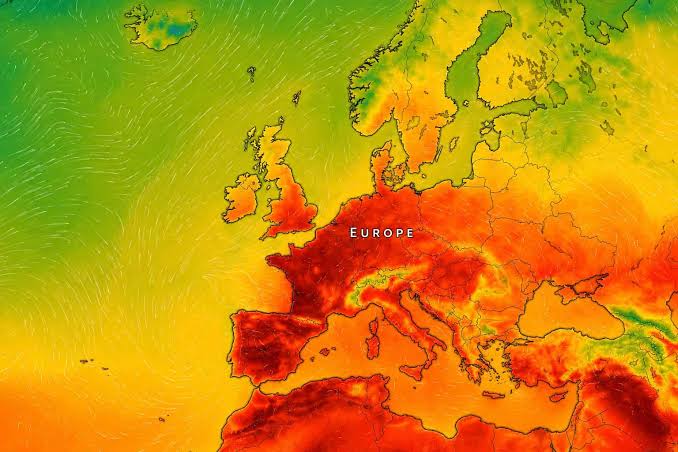
The current heatwave has arrived unusually early in the season, pushing temperatures well beyond historical norms across Western, Central and parts of Eastern Europe.
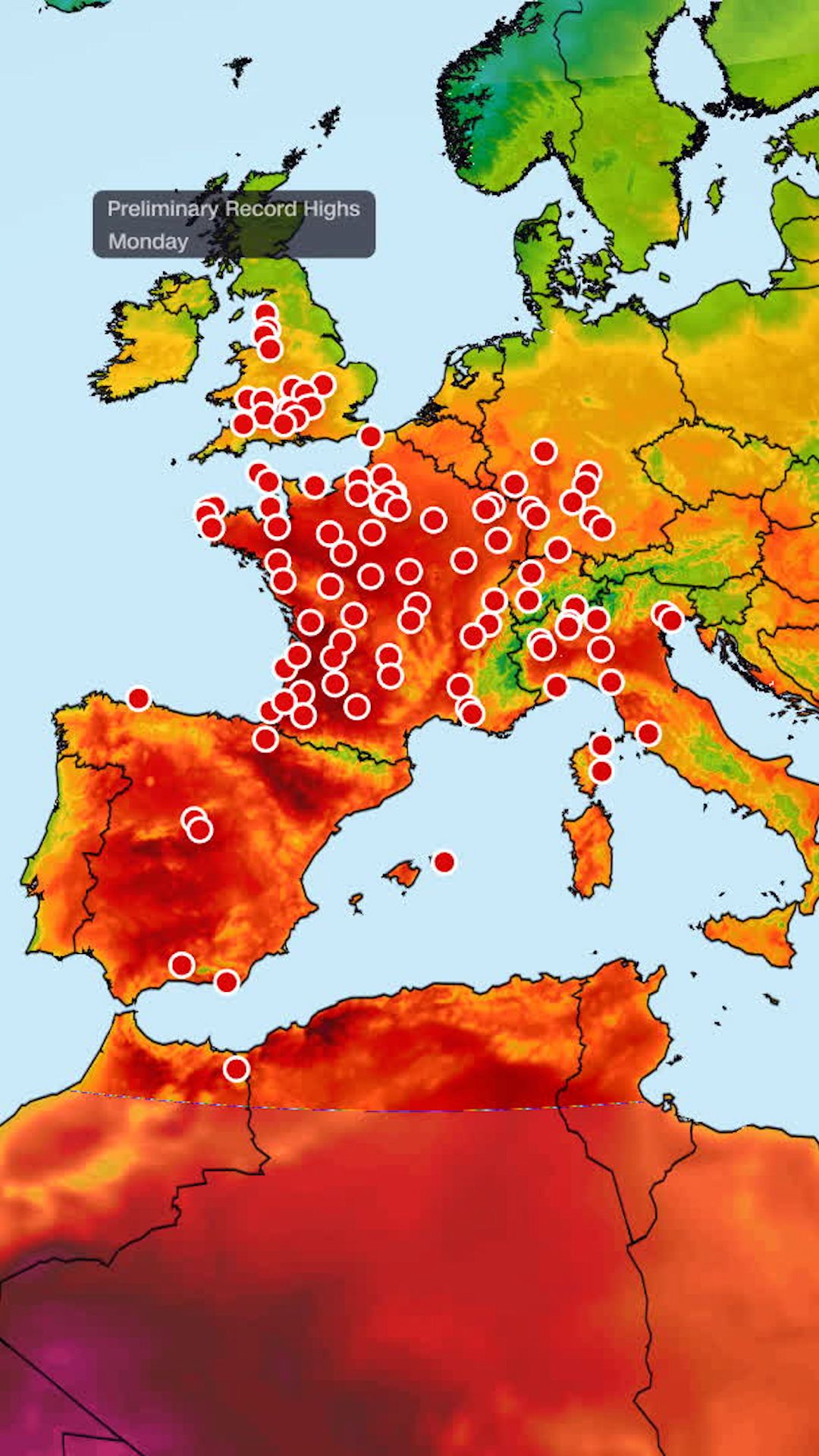
Several regions have recorded temperatures above 40 degrees Celsius, with France, Spain, Italy, Poland and other countries experiencing prolonged periods of dangerous heat. Unlike typical summer heat, this event has persisted for days without meaningful cooling, significantly increasing health risks—particularly for elderly people, young children and individuals with underlying medical conditions.
The WHO estimates that over 1,300 excess deaths have already occurred during the current heatwave, underscoring the severe public health consequences of prolonged exposure to extreme temperatures.
The 'Omega Block' Behind Europe's Scorching Temperatures
Meteorologists attribute the prolonged heat to an atmospheric phenomenon known as an Omega Block.
An Omega Block forms when a powerful high-pressure system becomes trapped between two low-pressure systems, creating a weather pattern that resembles the Greek letter Omega (Ω). This configuration prevents normal weather systems from moving through, allowing hot air to remain stationary over affected regions for extended periods.
The stagnant high-pressure system suppresses cloud formation, increases sunshine and traps heat near the surface, causing temperatures to climb day after day with little relief.
Experts explain that while Omega Blocks are naturally occurring weather patterns, climate change is making the heat trapped beneath them significantly more intense and longer-lasting, resulting in more dangerous heatwaves than those experienced in previous decades.
Climate Change Is Amplifying the Crisis
Scientists say the current disaster is another stark example of how human-induced climate change is intensifying extreme weather events.
Europe is warming at roughly twice the global average, making the continent particularly susceptible to prolonged and severe heatwaves. Rising global temperatures mean that weather systems such as Omega Blocks now produce far higher temperatures than they would have in the past.
Researchers also point to the urban heat island effect, where concrete, asphalt and dense infrastructure absorb and re-radiate heat, causing cities to remain dangerously warm even after sunset. High nighttime temperatures prevent the human body from recovering from daytime heat, substantially increasing the risk of heat-related illnesses and deaths.
Europe's Infrastructure Buckles Under Extreme Heat
The relentless temperatures have revealed significant weaknesses in infrastructure that was largely designed for cooler climates.
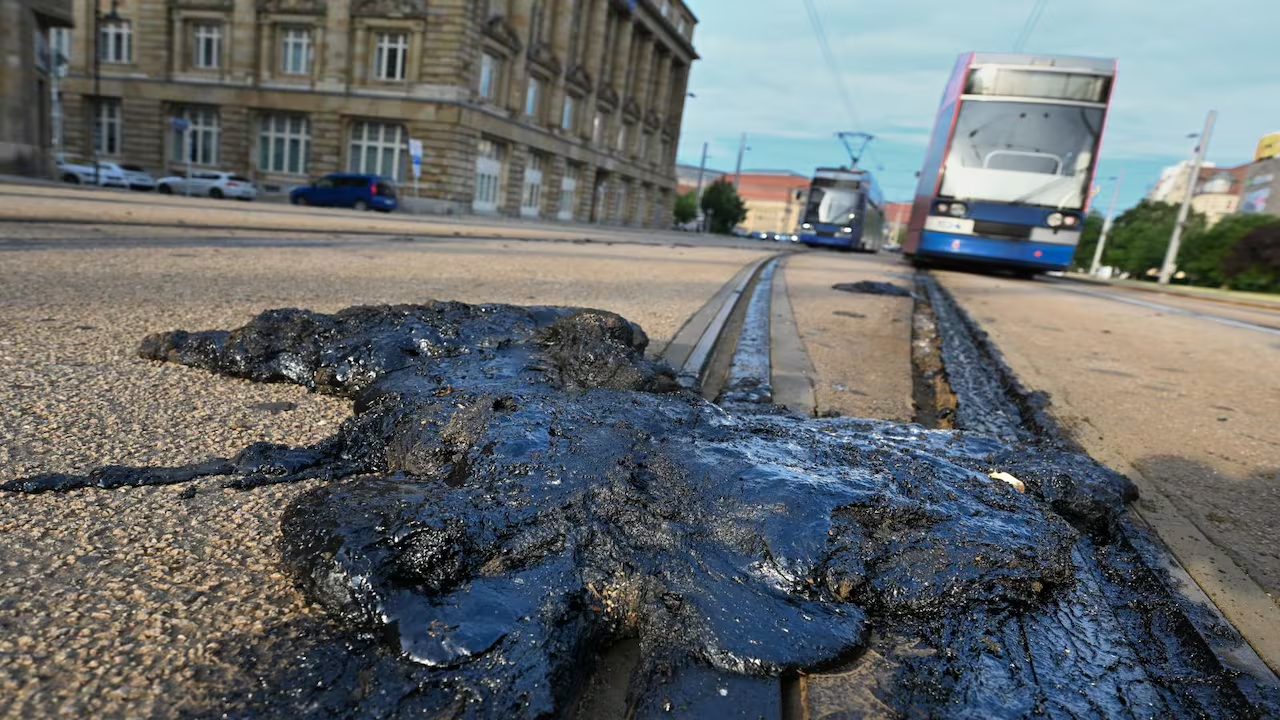
Across several countries, roads have softened and begun to melt, while traffic lights have warped under intense heat. Railway and tram tracks have expanded and buckled, forcing authorities to suspend or slow public transport services in affected areas.
The unusual temperatures have also strained electricity networks as millions relied on cooling systems, while public utilities faced mounting pressure to maintain essential services.
The widespread infrastructure failures have disrupted daily life and highlighted the urgent need for climate-resilient urban planning across Europe.
Hospitals and Public Services Under Immense Pressure
Healthcare systems across Europe have experienced a surge in emergency admissions linked to heat-related illnesses, including dehydration, heat exhaustion and heatstroke.
Hospitals have faced increasing demand as vulnerable populations sought medical treatment, while emergency services responded to rising numbers of heat-related incidents.
The crisis has placed additional pressure on public services already dealing with summer travel, energy demand and infrastructure disruptions.
Experts warn that without stronger heat adaptation measures, similar events could become increasingly difficult for healthcare systems to manage in the coming years.
Why Europe Is Especially Vulnerable
Despite being one of the world's wealthiest regions, Europe remains particularly exposed to extreme heat.
Many homes, schools, hospitals and public buildings were constructed for colder climates and lack adequate cooling systems. Air conditioning is still far less common than in many hotter parts of the world, leaving millions vulnerable during prolonged heatwaves.
Older building designs, limited urban green spaces and dense city layouts further intensify heat exposure, especially in major metropolitan areas.
These structural challenges mean that temperatures comparable to those experienced elsewhere in the world can have far more severe consequences across Europe.
What Governments Can Do to Reduce Heatwave Deaths
Public health experts say many heat-related deaths are preventable if governments adopt comprehensive heat adaptation strategies.
Authorities are being urged to strengthen Heat-Health Action Plans, which include:
-
Early warning systems that alert residents before dangerous temperatures arrive.
-
Cooling centres and public shelters for vulnerable populations.
-
Expanded access to drinking water in cities and public spaces.
-
Increased urban greenery, tree cover and shaded areas to reduce surface temperatures.
-
Heat-resilient infrastructure capable of withstanding prolonged periods of extreme temperatures.
-
Improved emergency medical response during heat events.
-
Public awareness campaigns encouraging people to stay hydrated, avoid outdoor activity during peak heat, and regularly check on elderly neighbours and family members.
The WHO has repeatedly stressed that coordinated government planning can significantly reduce heat-related mortality during future extreme weather events.
Individual Precautions Remain Critical
Health authorities are also advising individuals to take precautions as temperatures remain dangerously high.
People are encouraged to:
-
Stay indoors during the hottest part of the day.
-
Drink water frequently, even before feeling thirsty.
-
Wear light-coloured, loose-fitting clothing.
-
Use fans or air conditioning where available.
-
Keep homes cool by closing blinds and curtains during daylight hours.
-
Avoid strenuous outdoor activities.
-
Check regularly on elderly relatives, children and people with chronic illnesses.
These simple measures can substantially reduce the risk of heat-related illness during prolonged extreme heat episodes.
A Warning for Europe's Climate Future
Scientists view the ongoing heatwave as a glimpse of what could become increasingly common unless global greenhouse gas emissions are significantly reduced.
The combination of climate change, ageing infrastructure and growing urban populations is expected to increase both the frequency and severity of future heatwaves.
Experts argue that Europe must move beyond emergency response and invest in long-term climate adaptation, including resilient infrastructure, greener cities and stronger public health preparedness.
With temperatures continuing to break records and extreme weather becoming more frequent, the current crisis serves as a powerful reminder that climate change is no longer a distant threat but a present-day public health and infrastructure emergency affecting millions across the continent.
With inputs from agencies
Image Source: Multiple agencies
© Copyright 2026. All Rights Reserved. Powered by Vygr Media.