
 By
By 
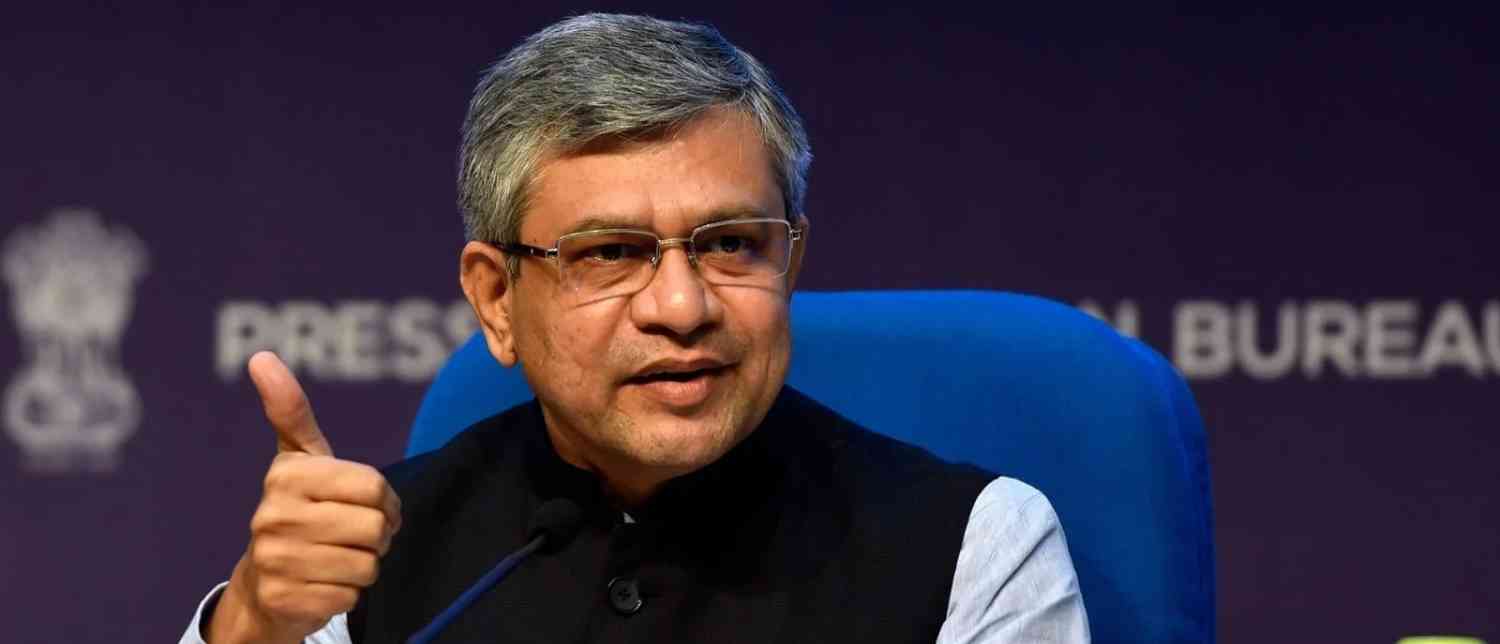
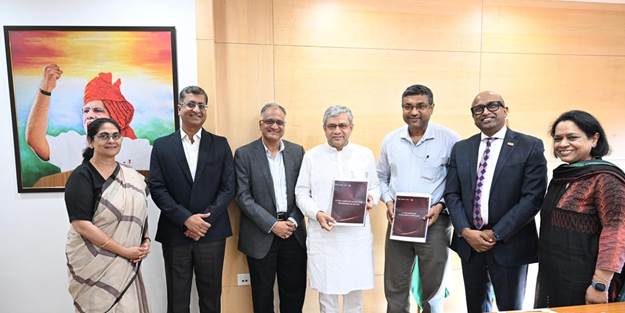
New Delhi: In a significant move aimed at strengthening India's artificial intelligence talent pipeline and preparing students for rapidly evolving technological trends, the Government of India has initiated a comprehensive overhaul of the country's AI curriculum in collaboration with industry stakeholders. The initiative was discussed at a high-level meeting chaired by Union Minister for Electronics and Information Technology, Shri Ashwini Vaishnaw, along with industry leaders and the AI Curriculum Taskforce in New Delhi.
The proposed revamp seeks to align AI education with real-world industry requirements, emerging technologies, and future workforce demands by emphasizing practical learning, industry integration, faculty development, and access to advanced infrastructure.
Curriculum Designed Around Industry Needs
A key objective of the overhaul is to address concerns that conventional engineering and computer science programs are struggling to keep pace with rapid advancements in artificial intelligence, generative AI, machine learning, and related technologies. The government believes that a stronger industry-academia partnership is necessary to ensure graduates are job-ready and capable of contributing to India's expanding AI ecosystem.
As part of this effort, the AI Curriculum Taskforce conducted a baseline assessment of existing Bachelor of Technology (B.Tech.) Computer Science and allied curricula across Indian educational institutions. The study was carried out in collaboration with industry experts and the NASSCOM to identify gaps and recommend reforms.
The assessment highlighted shortcomings in pedagogy, infrastructure availability, faculty preparedness, and practical exposure to emerging AI domains such as Generative AI, MLOps, and foundational AI model development.
Practical Learning to Become Central to AI Education
One of the most significant recommendations emerging from the consultations is a substantial increase in hands-on learning across AI-related courses. According to the roadmap discussed during the meeting, practical exposure in AI education could increase from the current 25–30 percent to anywhere between 40 percent and 75 percent, depending on the specialization and degree structure.
The curriculum redesign proposes a shift away from lecture-centric teaching methods toward application-oriented learning. Students are expected to engage with real industry use cases and project-based assignments from the very first semester, enabling them to gain practical experience alongside theoretical knowledge.
The government and industry representatives agreed that integrating real-world AI projects into academic programs will help learners develop skills that are directly relevant to workplace requirements and technological advancements.
Stronger Industry-Academia Collaboration
Discussions during the meeting focused extensively on strengthening collaboration between academia and industry. Policymakers and industry experts emphasized that closer engagement with companies will ensure curricula remain updated with evolving technological developments and market demands.
The proposed framework encourages industry participation in curriculum design, project development, mentorship, internships, and practical training modules. By exposing students to real business challenges and AI deployment scenarios, the government aims to create a workforce that is better equipped for emerging opportunities in artificial intelligence and digital technologies.
Faculty Development Identified as Key Priority
Recognizing that curriculum reforms cannot succeed without adequately trained educators, the AI Curriculum Taskforce has also prioritized faculty readiness and professional development. The roadmap calls for targeted faculty training programs that will help educators stay current with rapidly evolving AI technologies and teaching methodologies.
Industry collaboration is expected to play an important role in enabling faculty members to gain exposure to practical AI applications, thereby improving the quality and relevance of classroom instruction.
Shared AI Infrastructure for Educational Institutions
Another major area of focus is the creation of shared AI infrastructure that can be accessed by educational institutions across the country. Discussions highlighted the need for advanced computing resources and AI development environments to support practical learning and research activities.
The government is also exploring the development of a shared national GPU infrastructure that would provide colleges and universities with access to the computational resources required for modern AI experimentation, model training, and advanced machine learning projects.
This approach is expected to reduce barriers to AI education and ensure that institutions with limited resources can still provide students with high-quality learning opportunities.
Focus on Emerging Technologies and Responsible AI
The proposed curriculum reforms aim to ensure that students receive exposure to cutting-edge AI disciplines that are increasingly shaping the technology landscape. Areas identified for stronger inclusion include Generative AI, MLOps, foundational AI models, and advanced machine learning systems.
In addition, discussions emphasized the importance of responsible AI practices and governance frameworks. The curriculum is expected to integrate topics related to ethical AI development, governance, and societal impact across multiple semesters, helping learners understand both the opportunities and challenges associated with artificial intelligence.
Building India's Future AI Workforce
The curriculum overhaul forms part of India's broader strategy to emerge as a global leader in artificial intelligence and digital innovation. As AI continues to transform industries worldwide, policymakers believe that building a strong talent pipeline will be critical for driving innovation, employment generation, and inclusive digital growth.
Recent statements by Minister Ashwini Vaishnaw have highlighted the government's focus on AI skilling and workforce development. The Centre has previously announced ambitious goals to train large numbers of citizens in AI-related skills and tools, reflecting its commitment to preparing India for the next wave of technological transformation.
Industry projections cited by the minister indicate continued growth in AI-related employment opportunities, reinforcing the need for educational institutions to produce graduates with practical expertise and industry-relevant competencies.
Road Ahead
The high-level consultation marks an important step toward modernizing AI education in India. By increasing practical exposure, embedding industry-linked learning, strengthening faculty capabilities, and expanding access to AI infrastructure, the government aims to create a future-ready education ecosystem capable of meeting the demands of a rapidly evolving digital economy.
If implemented successfully, the reforms could significantly reshape AI education across engineering and allied disciplines, ensuring that Indian students are better prepared to lead innovation in one of the world's fastest-growing technological domains.
With inputs from agencies
Image Source: Multiple agencies
© Copyright 2026. All Rights Reserved. Powered by Vygr Media.