 By
By 
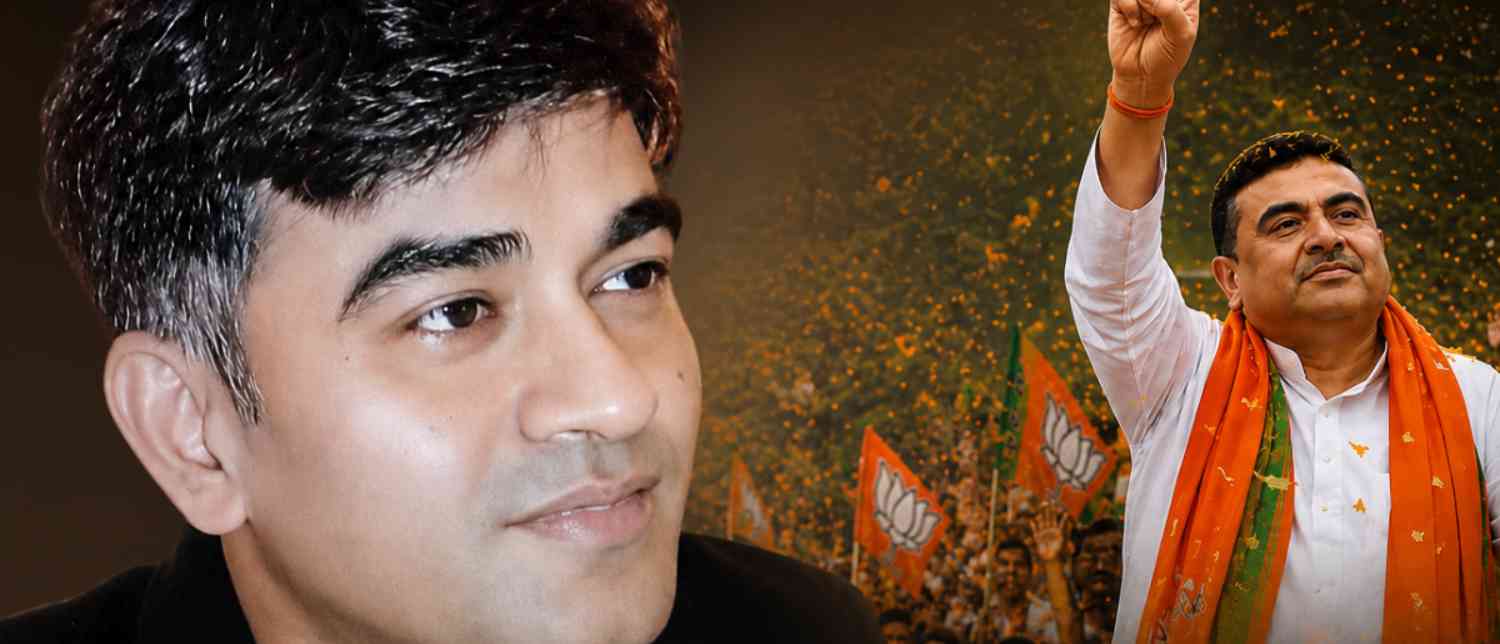
In a chilling reminder of West Bengal’s fraught political landscape, a close aide and personal assistant to senior BJP leader Suvendu Adhikari was shot dead in Madhyamgram, located in North 24 Parganas district, late Tuesday night. The killing, reported across multiple national outlets, has intensified allegations of post-poll violence and once again brought the state’s law-and-order situation under sharp scrutiny.
The victim, widely identified as a trusted associate of Adhikari, was reportedly attacked at close range by unidentified assailants. According to early accounts, the attackers opened fire in what appears to be a targeted killing, leaving little room for doubt about the intent behind the assault. He succumbed to his injuries shortly after the attack, triggering immediate political outrage and raising questions about security and accountability.
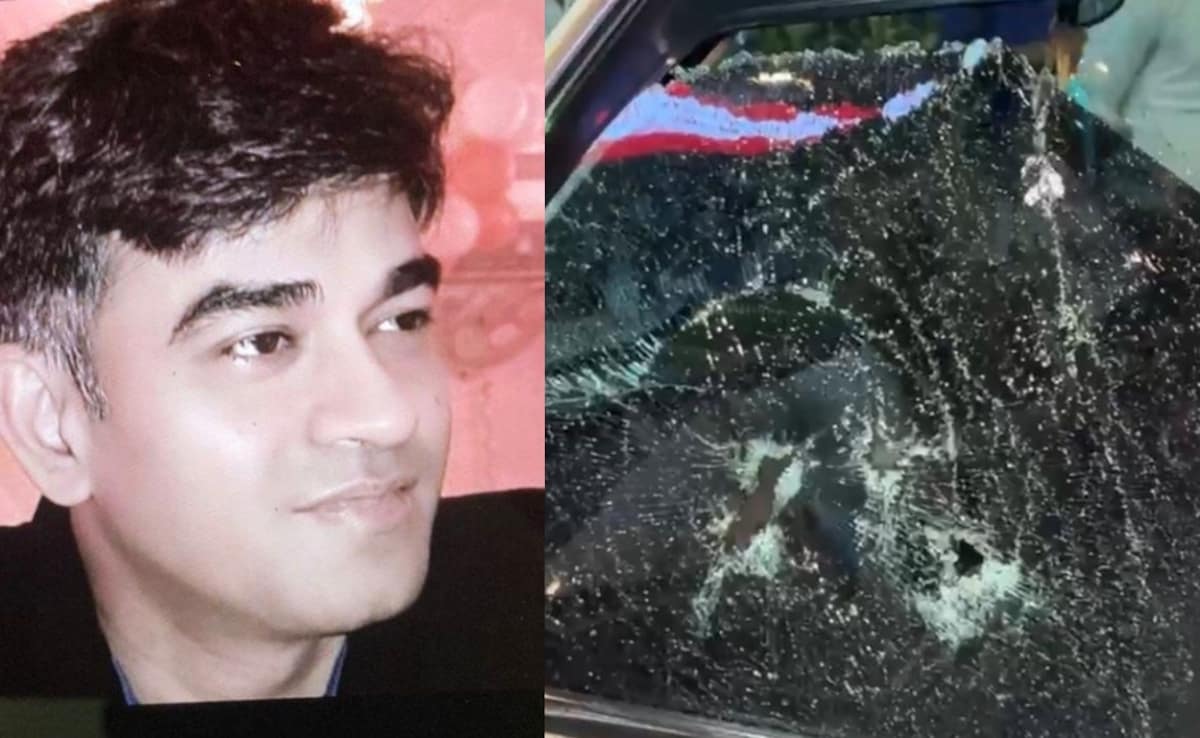
A Targeted Attack in Madhyamgram
The incident took place in Madhyamgram, a suburban locality that has seen sporadic political tensions in the past. Eyewitness accounts and preliminary police findings suggest that the assailants approached the victim and fired at close range, ensuring fatal injuries. The precision of the attack has led investigators to consider the possibility of premeditation.
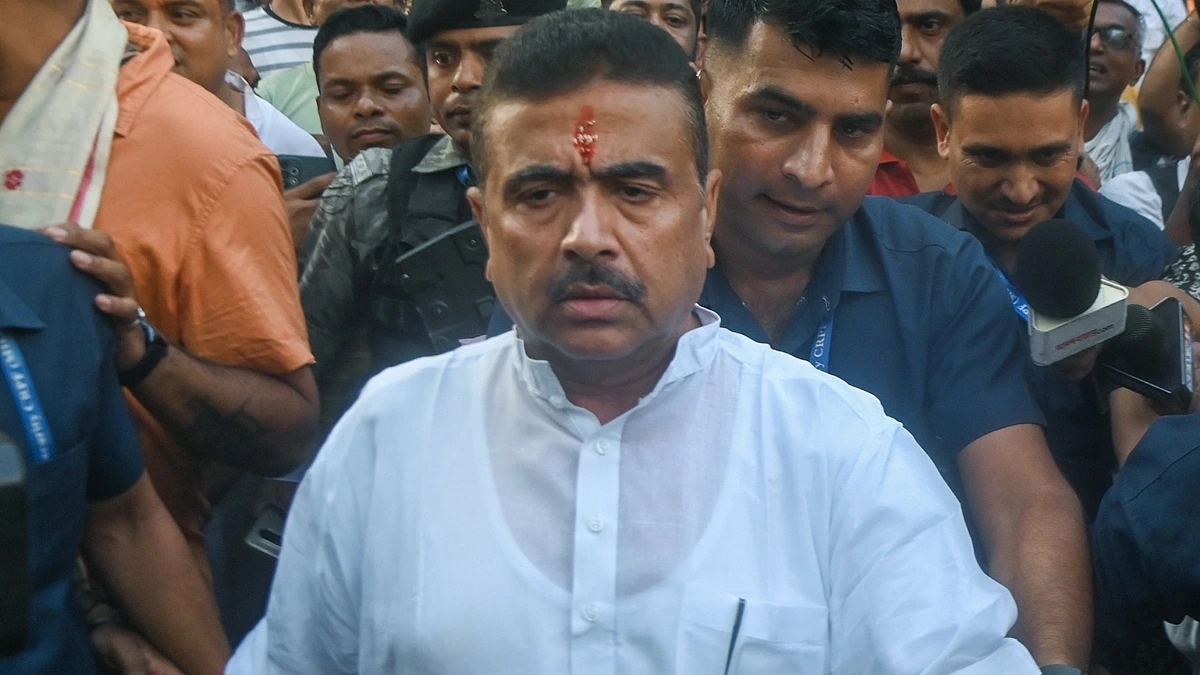
Reports indicate that the victim was closely associated with Suvendu Adhikari, a prominent BJP leader and Leader of Opposition in the West Bengal Assembly. As Adhikari continues to play a central role in Bengal’s polarised political environment, the killing of someone in his immediate circle has added a deeply personal dimension to an already volatile situation.
Post-Poll Violence Allegations Resurface
The murder has quickly been framed within the broader narrative of post-poll violence in West Bengal. Opposition leaders, particularly from the BJP, have alleged that the killing is part of a continuing pattern of politically motivated attacks following elections in the state.
Several reports suggest that the incident occurred in the aftermath of electoral developments, with BJP leaders claiming that their party workers and affiliates remain under threat. The phrase “post-poll violence” has once again entered political discourse, with accusations that the ruling establishment has failed to rein in targeted attacks against opposition members.
Suvendu Adhikari himself has reportedly reacted strongly, condemning the killing and demanding strict action against those responsible. He has also used the incident to reiterate claims that BJP workers and supporters are being systematically targeted.
Political Reactions and Blame Game
As expected, the killing has triggered a fierce political exchange between the BJP and the ruling Trinamool Congress (TMC). BJP leaders have alleged that the state government has failed to provide adequate security to opposition figures and their associates, while also accusing local authorities of inaction.
On the other hand, leaders from the ruling side have pushed back, questioning the political framing of the incident and urging that the matter be investigated without prejudice. They have called for restraint in attributing motives before the completion of a thorough probe.
The clash of narratives reflects the deep political divide in West Bengal, where incidents of violence are often interpreted through partisan lenses. In this case, the proximity of the victim to a high-profile opposition leader has only amplified the political stakes.
Police Investigation Underway
Law enforcement agencies have initiated an investigation into the killing, with efforts focused on identifying and apprehending the attackers. Initial reports indicate that multiple teams have been deployed, and forensic evidence is being collected from the scene.
Police officials have stated that all angles are being examined, including personal enmity, political rivalry, and other possible motives. However, the targeted nature of the attack has kept political violence as a central line of inquiry.
Security in the area has reportedly been tightened following the incident, with increased police presence aimed at preventing any escalation or retaliatory violence.
A Pattern of Violence?
The killing has revived concerns about recurring violence in West Bengal’s political ecosystem. The state has a long history of clashes between rival political groups, particularly during and after elections. While each incident has its own context, the cumulative effect has been a persistent perception of instability.
Reports across outlets highlight that this is not an isolated episode but part of a broader pattern that has seen multiple instances of violence involving political workers. The opposition has frequently cited such incidents as evidence of a deteriorating law-and-order situation.
At the same time, ruling party representatives often argue that violence is not one-sided and that clashes involve multiple actors, complicating the narrative.
The Human Cost
Beyond the political rhetoric and investigative developments, the killing underscores the human cost of political conflict. The victim, described as a close aide and trusted associate, was not just a political functionary but an individual with personal ties and responsibilities.
His death has left a void not only in political circles but also among family members and colleagues. Such incidents serve as stark reminders of how deeply political rivalries can affect lives on the ground.
National Attention and Media Coverage
The incident has drawn significant attention from national media, reflecting its broader implications. Coverage has focused on the identity of the victim, the manner of the killing, and the political reactions that followed.
Different outlets have emphasised varying aspects—some highlighting the close-range nature of the shooting, others focusing on its timing in relation to electoral developments, and still others examining the political fallout. Together, these perspectives paint a comprehensive picture of an घटना that is both a criminal act and a political flashpoint.
What Comes Next?
As the investigation progresses, the key questions remain unanswered: Who carried out the attack? Was it politically motivated? And will those responsible be brought to justice?
For now, the killing has deepened mistrust between political rivals and intensified debates over governance and security in West Bengal. It has also placed pressure on law enforcement agencies to deliver swift and credible results.
The coming days will likely see continued political sparring, with both sides attempting to shape the narrative. However, beyond the rhetoric, the focus will ultimately need to shift to accountability and prevention—ensuring that such incidents do not become a recurring feature of the state’s political landscape.
With inputs from agencies
Image Source: Multiple agencies
© Copyright 2026. All Rights Reserved. Powered by Vygr Media.