 By
By 
New Delhi, July 20: The Monsoon Session of Parliament got off to a stormy start on Monday, with sharp political exchanges, repeated disruptions, and an ambitious legislative agenda setting the tone for what is expected to be one of the most closely watched sessions of the year.
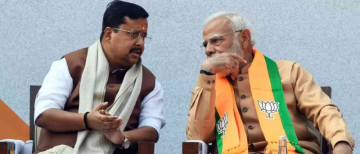
Even before proceedings began, Prime Minister Narendra Modi appealed for a productive and meaningful session, highlighting India's recent achievements in sectors ranging from space technology to economic reforms. However, his remarks also included an apparent swipe at Leader of the Opposition Rahul Gandhi, triggering a fresh political war of words that quickly overshadowed the government's call for constructive debate.
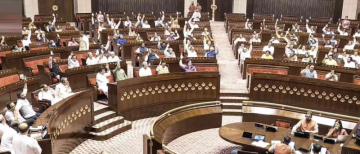
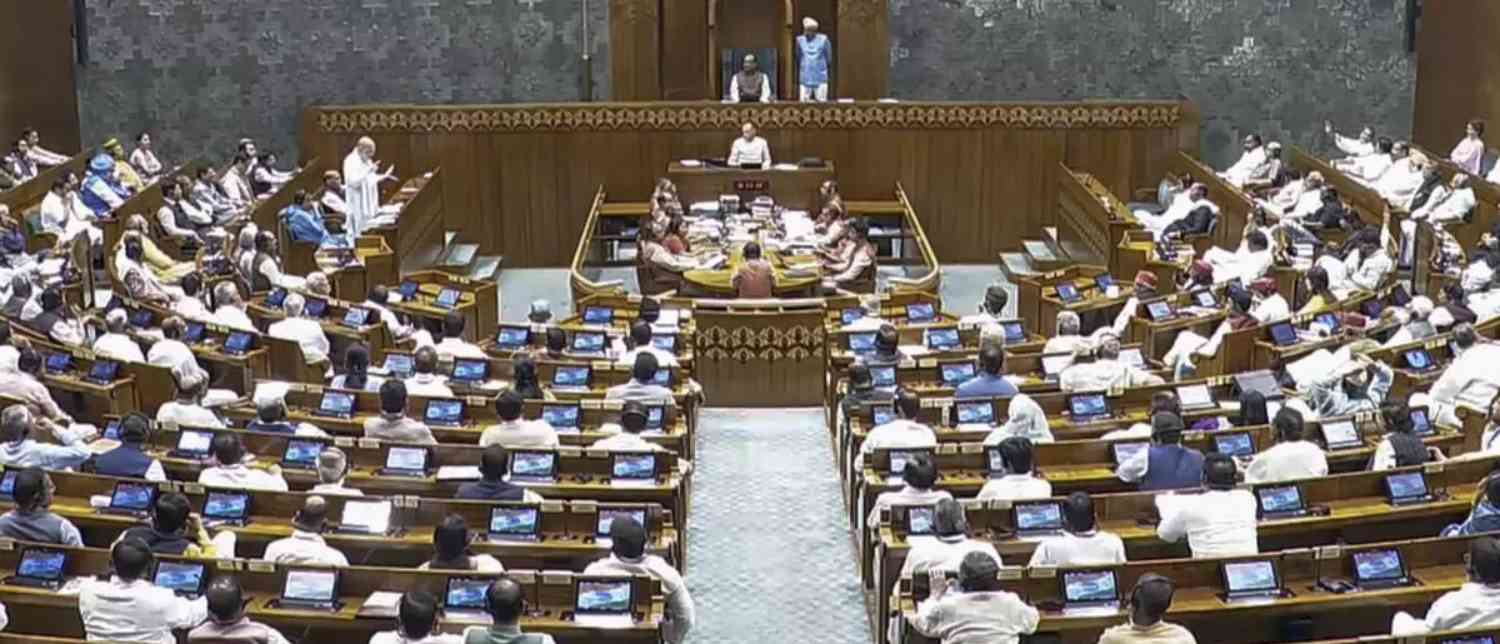
Within hours, both the Lok Sabha and Rajya Sabha witnessed slogan-shouting and protests from opposition members, leading to multiple adjournments on the opening day. The opposition sought immediate discussions on issues including alleged irregularities in competitive examinations, student protests, and other matters of national concern, while the government remained focused on advancing its legislative agenda.
PM Modi calls for productive Parliament
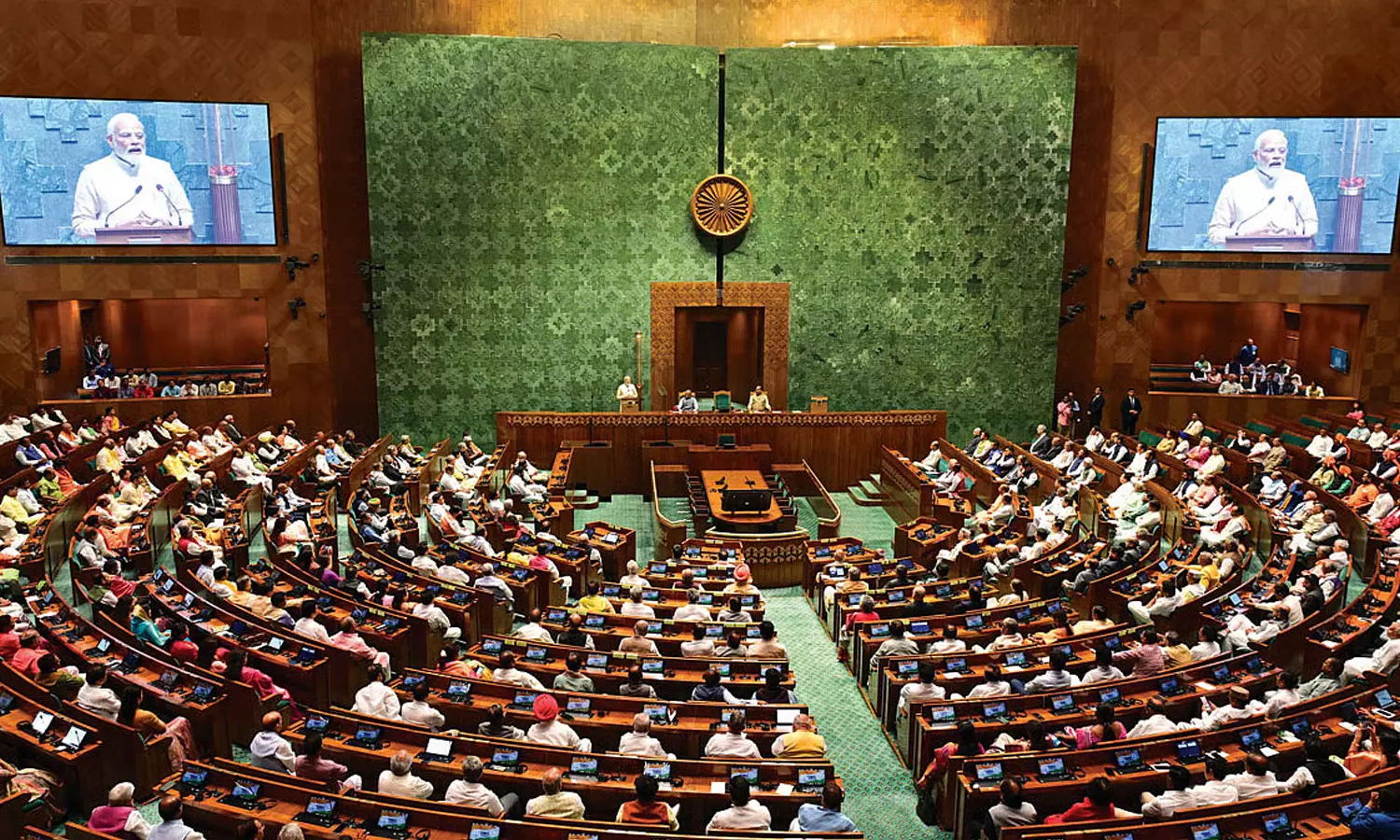
Addressing the media ahead of the session, Prime Minister Modi emphasized that Parliament should function in the interest of citizens and national development. He said a productive session would contribute to the welfare of the country and urged all political parties to participate constructively.
The Prime Minister highlighted India's recent scientific accomplishments, particularly the successful launch of Vikram-1 by Hyderabad-based Skyroot Aerospace, describing it as a milestone for India's private space sector. He praised the young scientists behind the achievement, noting that the average age of the team was just 28 years.
In what was widely interpreted as an indirect reference to Rahul Gandhi, Modi remarked that he was referring to "28-year-old youth" and "not some 56-year-old youth." The comment immediately became the political headline of the day, with the Congress accusing the Prime Minister of diverting attention from pressing issues facing India's youth, particularly unemployment and recruitment-related controversies.
Congress hits back
The Congress responded swiftly to the Prime Minister's remarks.
Party leaders argued that Rahul Gandhi has consistently raised concerns about unemployment, paper leaks, and the struggles faced by young job aspirants. They accused the BJP of attempting to trivialize these concerns through political rhetoric rather than addressing substantive issues.
Several opposition leaders maintained that Parliament should prioritize discussions on matters affecting citizens instead of personal attacks between political leaders. The exchange further sharpened the already tense atmosphere surrounding the opening day of the session.
Opposition protests dominate Day 1
Despite the government's appeal for smooth proceedings, Parliament witnessed repeated disruptions shortly after both Houses assembled.
Opposition MPs staged protests and raised slogans demanding discussions on multiple issues, including examination-related controversies and concerns affecting students and young job seekers. Members insisted that these matters deserved immediate debate before the House proceeded with legislative business.
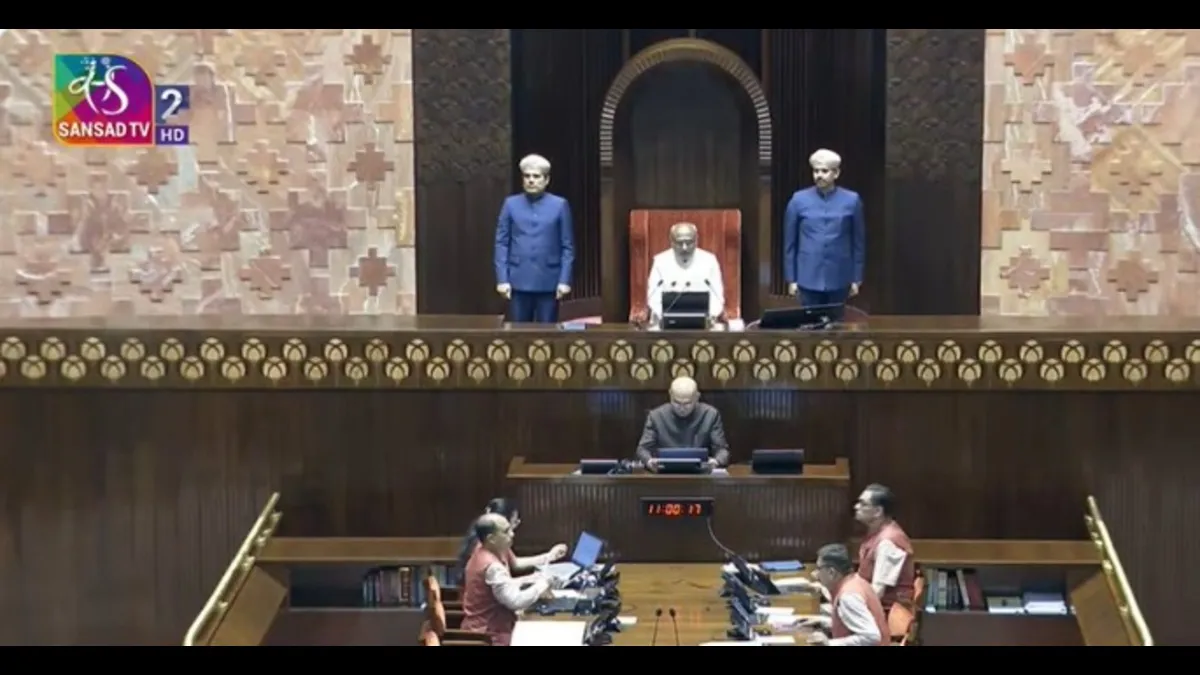
The persistent protests forced the Chair to adjourn proceedings several times in both Houses before the day's business could progress meaningfully. Eventually, both Lok Sabha and Rajya Sabha were adjourned for the day, leaving much of the scheduled legislative work pending.
The opening day's disruptions underscored the widening divide between the treasury benches and the opposition, suggesting that consensus may remain elusive during the remainder of the session.
Ambitious legislative agenda
Despite the political turbulence, the government has outlined an extensive legislative programme for the Monsoon Session.
According to the official schedule, several important Bills are listed for introduction, consideration, and passage. These cover a broad spectrum of governance, including administrative reforms, economic measures, judicial procedures, and sector-specific regulatory changes.
The government has indicated that improving legislative efficiency remains a priority and has urged political parties to allow Parliament to function without prolonged disruptions.
Among the key proposals expected to be discussed are reforms aimed at streamlining administrative processes, modernizing legal frameworks, and strengthening institutional mechanisms across multiple sectors.
Focus on legal and institutional reforms
Legal experts believe the Monsoon Session could prove significant because several proposed measures seek to update India's legislative architecture.
According to legal analyses, the government's reform agenda reflects an effort to modernize governance by simplifying procedures, improving regulatory clarity, and addressing gaps in existing laws.
Observers note that these reforms are likely to influence diverse areas ranging from judicial administration to public service delivery, making this session important beyond immediate political controversies.
While the exact contours of each proposal will emerge during parliamentary debates, legal commentators expect substantial discussion on balancing administrative efficiency with institutional accountability.
Government seeks cooperation
The government has repeatedly stressed that meaningful parliamentary debate is essential for effective governance.
Ahead of the session, Prime Minister Modi urged opposition parties to raise difficult questions while also allowing the government sufficient opportunity to respond.
The appeal reflected the Centre's position that legislative productivity should not become a casualty of political disagreements, particularly when several major Bills await parliamentary approval.
Ministers have also expressed confidence that discussions on national development, economic growth, infrastructure, innovation, and governance reforms can proceed if both sides cooperate.
Opposition prioritizes accountability
The opposition, however, has made it clear that accountability will remain its central theme during the session.
Opposition parties argue that Parliament must first address concerns relating to students, recruitment processes, and broader governance issues before moving ahead with legislative business.
Leaders from the INDIA bloc have indicated that they intend to continue pressing the government for detailed responses on matters they believe directly affect millions of citizens.
This divergence in priorities—legislation versus accountability—appears set to define much of the Monsoon Session.
Political messaging takes centre stage
The first day demonstrated that the Monsoon Session is likely to serve not only as a legislative platform but also as a major political battleground.
For the BJP-led government, the emphasis remains on showcasing governance achievements, economic progress, technological innovation, and legislative reforms.
For the opposition, the focus is on highlighting unemployment, student concerns, examination controversies, and broader questions of government accountability.
The Prime Minister's "56-year-old youth" remark further intensified the political contest, ensuring that rhetorical exchanges remain intertwined with parliamentary proceedings throughout the session.
Key issues expected in the coming weeks
Beyond the opening day's disruptions, Parliament is expected to witness debates on several politically sensitive subjects.
Economic legislation, governance reforms, judicial modernization, and administrative restructuring are likely to occupy considerable parliamentary time if proceedings continue smoothly.
At the same time, opposition parties are expected to repeatedly raise issues concerning students, employment, examination systems, and other public interest matters.
Political observers believe that the government's ability to secure passage of key Bills may depend on whether consensus can be built across party lines or whether repeated disruptions continue to dominate proceedings.
A challenging session ahead
The Monsoon Session has begun with all the ingredients of a politically charged parliamentary season—sharp exchanges, competing narratives, legislative ambition, and procedural disruptions.
While the government seeks to project an image of reform-driven governance supported by an extensive legislative programme, the opposition is determined to use Parliament as a platform to press for accountability on issues affecting citizens.
Whether the session ultimately becomes known for landmark legislative achievements or continued political confrontation will depend largely on the willingness of both sides to balance debate with parliamentary business.
For now, the opening day has made one thing clear: India's Parliament is set for weeks of intense political contest, with legislation, governance, and electoral messaging unfolding simultaneously inside and outside the two Houses.
With input from agencies
Image Source: Multiple agencies
© Copyright 2026. All Rights Reserved. Powered by Vygr Media.