 By
By 
If there was ever a year when cars and motorcycles stopped being confined to press releases and showroom floors, 2025 was it. This was the year the automotive world truly merged with pop culture, memes, fandoms, and viral storytelling. New launches were no longer just about specifications and prices; they were about reels, reaction videos, throwback emotions, and moments that travelled faster on Instagram and X than they ever did on highways.
From superhero-inspired electric SUVs and nostalgia-driven comebacks to electric performance monsters and an unforgettable Formula 1 fairytale, 2025 gave enthusiasts more than just vehicles—it gave them shareable moments. These stories blurred the line between product news and cultural events, turning timelines into digital motor shows.
Mahindra’s BE 6e and the “Batmobile” Effect
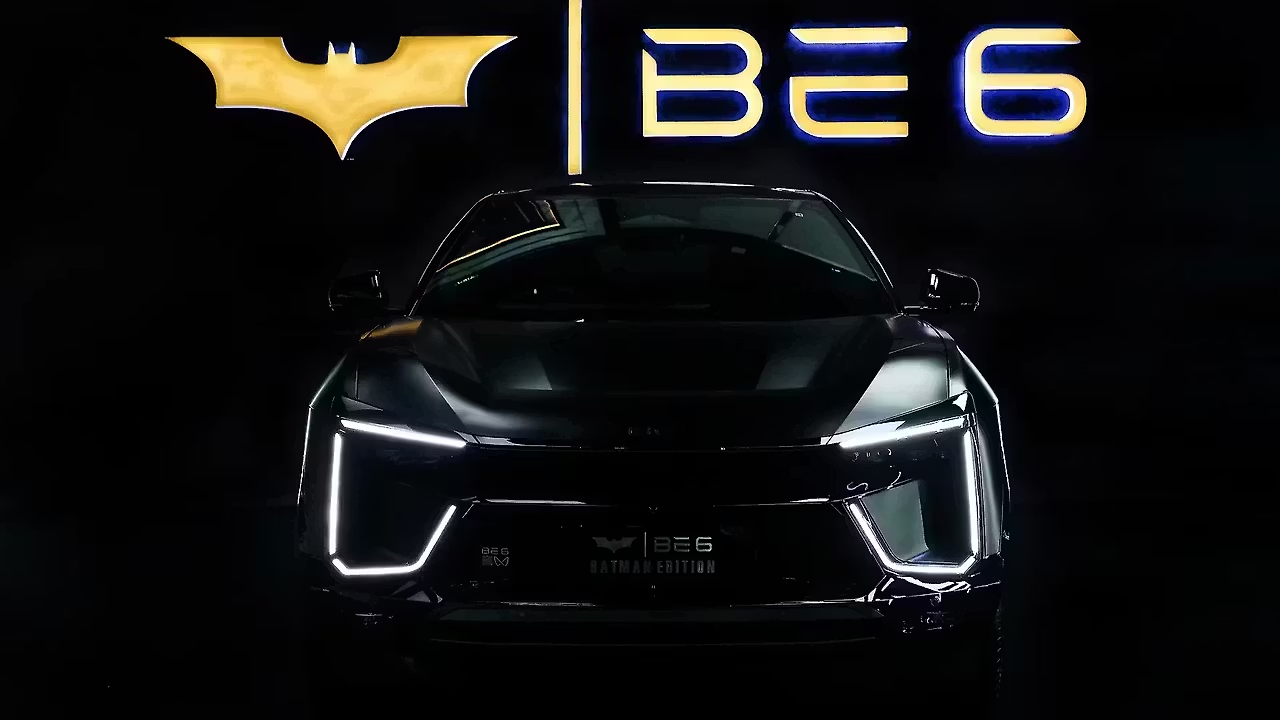
Mahindra kicked off one of the year’s most talked-about automotive moments with its BE 6e “Batman Edition”—a showcase that leaned unapologetically into drama and pop culture. This wasn’t just another electric SUV concept dressed in dark colours. The BE 6e appeared in a sinister matte-black finish, complete with illuminated accents and aggressively styled alloy wheels, making the Gotham inspiration impossible to miss.
What made this moment explode online was Mahindra’s official collaboration with DC, a rare comic-universe tie-up for an Indian carmaker. Almost instantly, social media feeds were flooded with posts declaring, “India’s Batmobile is here.” Reels, fan art, comparison memes with Hollywood Batmobiles, and speculative discussions about production versions took over platforms. The BE 6e proved that in 2025, a well-timed cultural crossover could generate as much buzz as a ground-breaking powertrain.
When a Viral Stunt Goes Wrong: The Chinese SUV Backlash
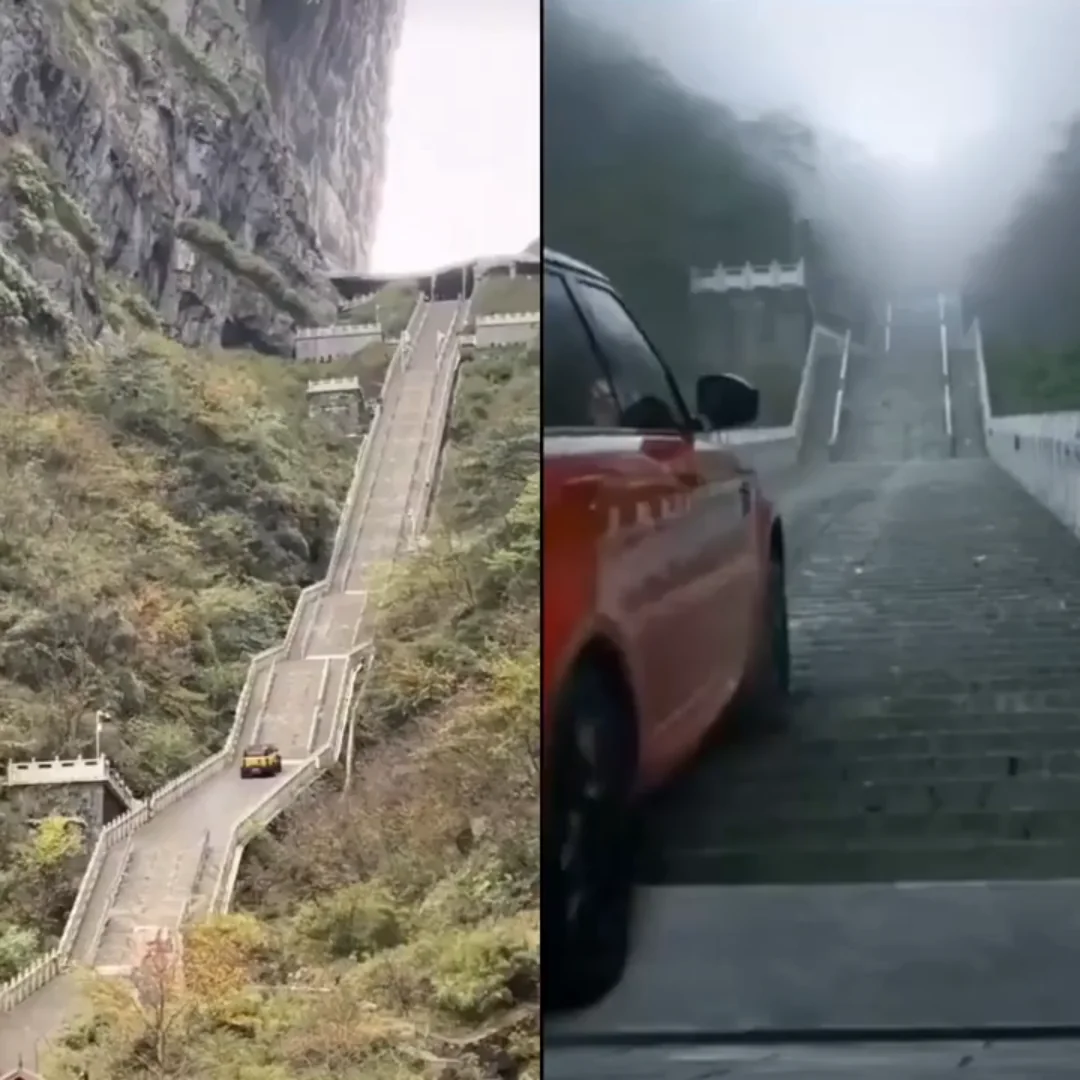
Not all viral moments were celebratory. One Chinese SUV manufacturer learned the hard way that social media can be brutally unforgiving. In a widely circulated video, the brand attempted a durability stunt clearly inspired by Range Rover’s iconic off-road and obstacle demonstrations. Unfortunately, the execution didn’t go as planned.
Instead of admiration, the clip sparked a wave of ridicule. Reaction videos dissected the failed attempt frame by frame, while memes mocked both the stunt and the brand’s ambition. The incident became a cautionary tale for manufacturers worldwide: in the age of viral marketing, one misstep can overshadow years of engineering effort. For many viewers, this episode reinforced the idea that credibility online is as fragile as it is powerful.
Tata Sierra: Nostalgia That Hit Straight in the Feels
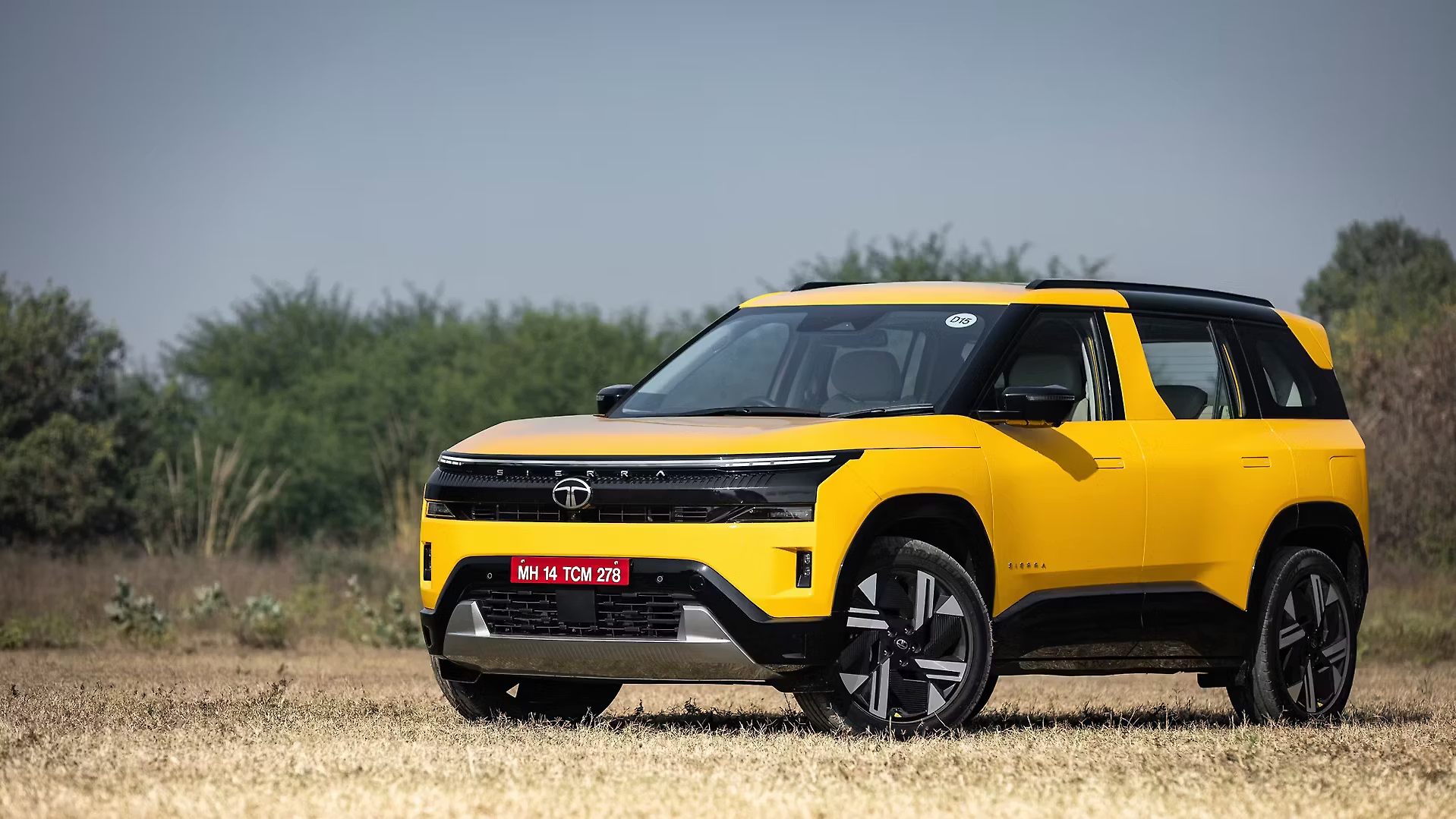
Few moments in 2025 were as emotionally charged as the return of the Tata Sierra. Even before Tata Motors officially revealed the modern iteration, social media was buzzing with speculation. Old family photos featuring the original 1990s Sierra resurfaced, accompanied by captions about childhood memories and “Papa’s dream car.”
The reveal itself took things further. Tata showcased the new Sierra with a dramatic crash test demonstration—one Sierra ramming into another—to highlight structural strength. Far from being just a technical showcase, the stunt amplified nostalgia while reassuring modern buyers about safety.
Unveiled as a concept at the Bharat Mobility Global Expo 2025, the new Tata Sierra retains key design cues from the 1991 original, including its bold stance and rugged character, while adopting a more practical five-door layout. Inside, the SUV features sleek LED lighting, a futuristic floating three-screen dashboard, and advanced safety technologies.
The Sierra ICE is powered by a 1.5-litre turbo-petrol engine, with diesel and EV variants expected in the future. Positioned to compete with models like the Hyundai Creta and Kia Seltos, the Tata Sierra is expected to be priced around ₹11 lakh. More than numbers, though, it was the emotional storytelling that made the Sierra one of 2025’s most viral automotive moments.
Maruti Suzuki e-Vitara: The People’s Brand Goes Electric
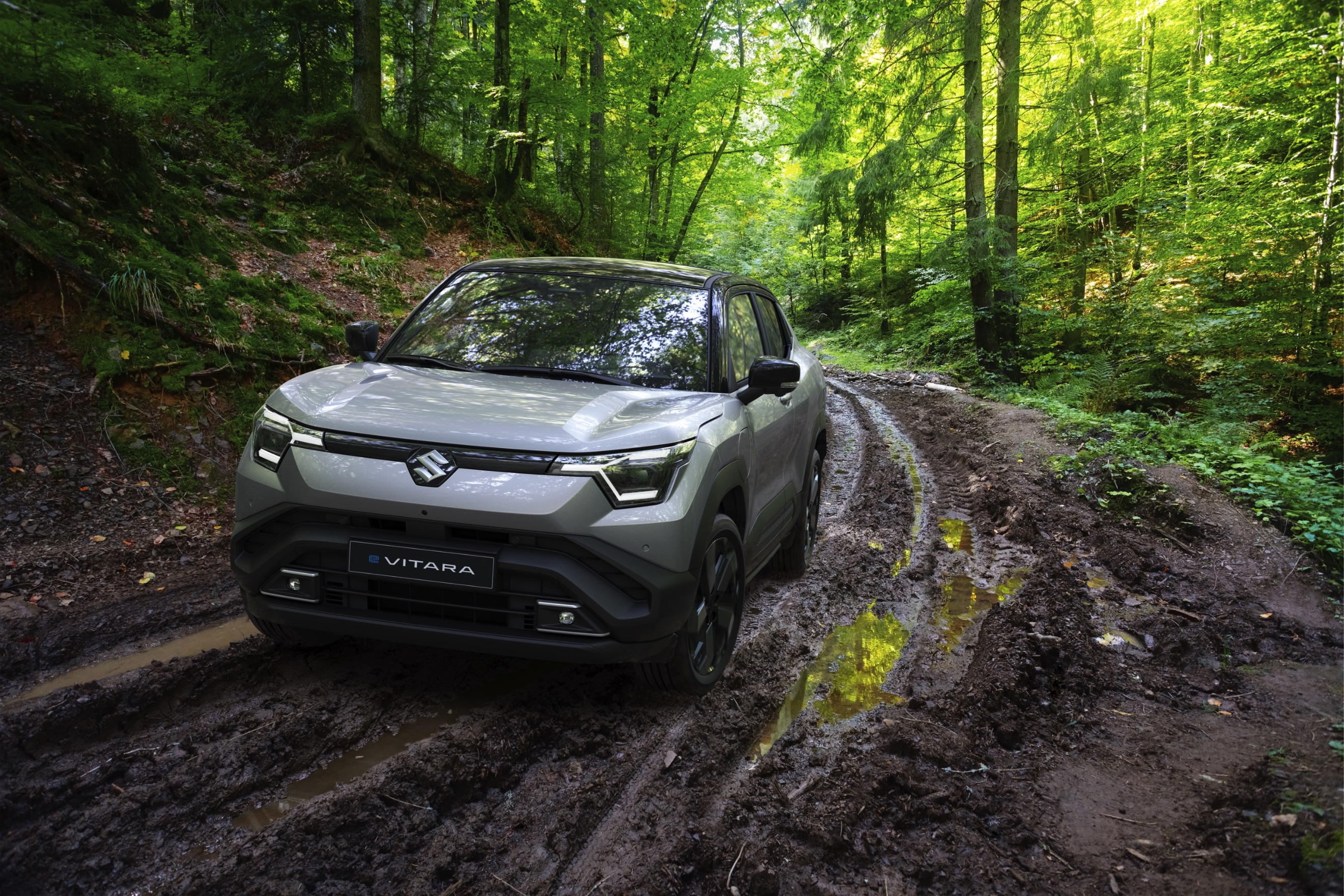
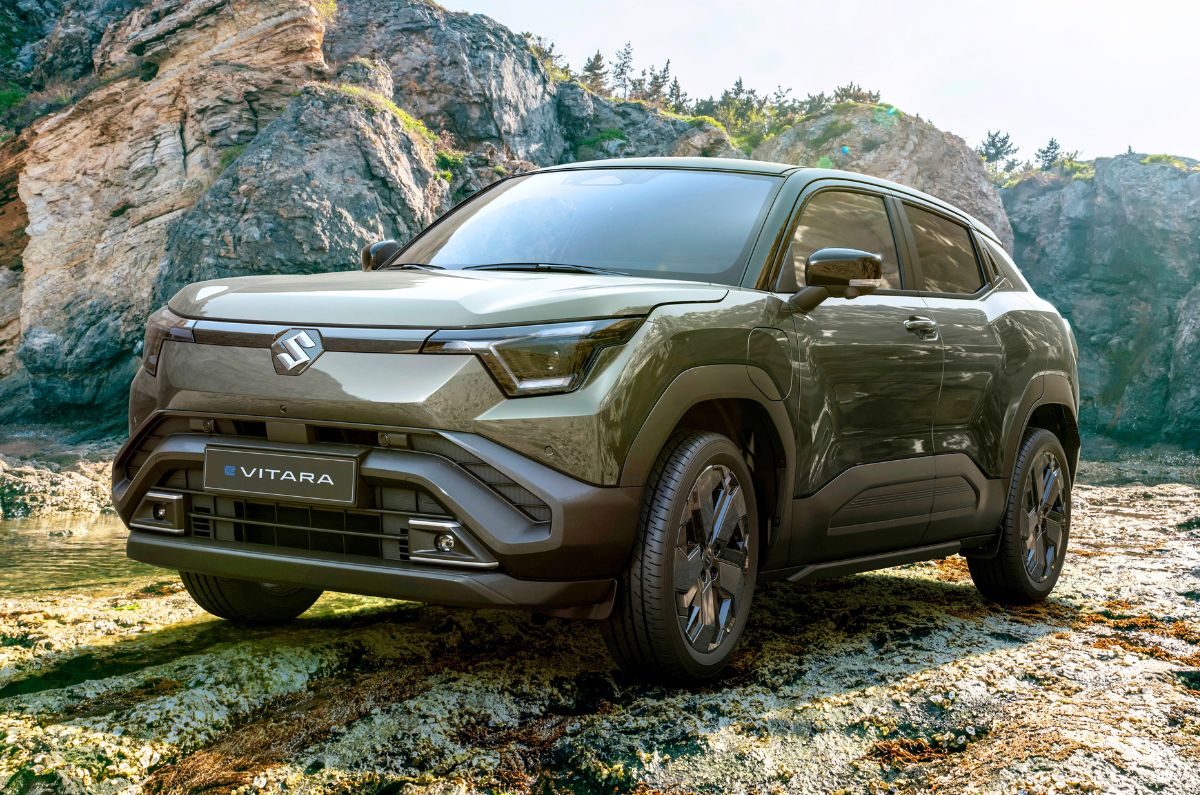
Maruti Suzuki’s official debut of the e-Vitara marked a defining moment for India’s EV landscape. Revealed at the 2025 Auto Expo, the e-Vitara is Maruti’s first electric SUV and a clear signal that the country’s largest carmaker is serious about electrification.
Set for an early 2026 launch, with bookings opening in January 2026, the e-Vitara boasts a claimed range of up to 543 km. Buyers will be offered two battery options—49 kWh and 61 kWh—using BYD’s LFP cells. Performance figures range from 144 hp to 174 hp, with both single-motor front-wheel-drive and AWD e-AllGrip variants on offer.
Safety and technology were major talking points online. The e-Vitara comes with seven airbags as standard, Level 2 ADAS, and a 5-star Bharat NCAP rating. Inside, it features a 10.25-inch touchscreen, a digital driver’s display, wireless charging, and a fixed glass roof. Maruti’s “e for me” ecosystem, offering charging solutions, battery-as-a-service options, subscriptions, and buyback plans, further fuelled online discussions.
Positioned against rivals like the Hyundai Creta Electric, Tata Curvv EV, and Mahindra BE 6, the e-Vitara’s viral appeal lay in one simple fact: India’s most trusted mass-market brand had officially gone electric.
Hyundai Creta Electric: Familiar, Yet Forward-Looking
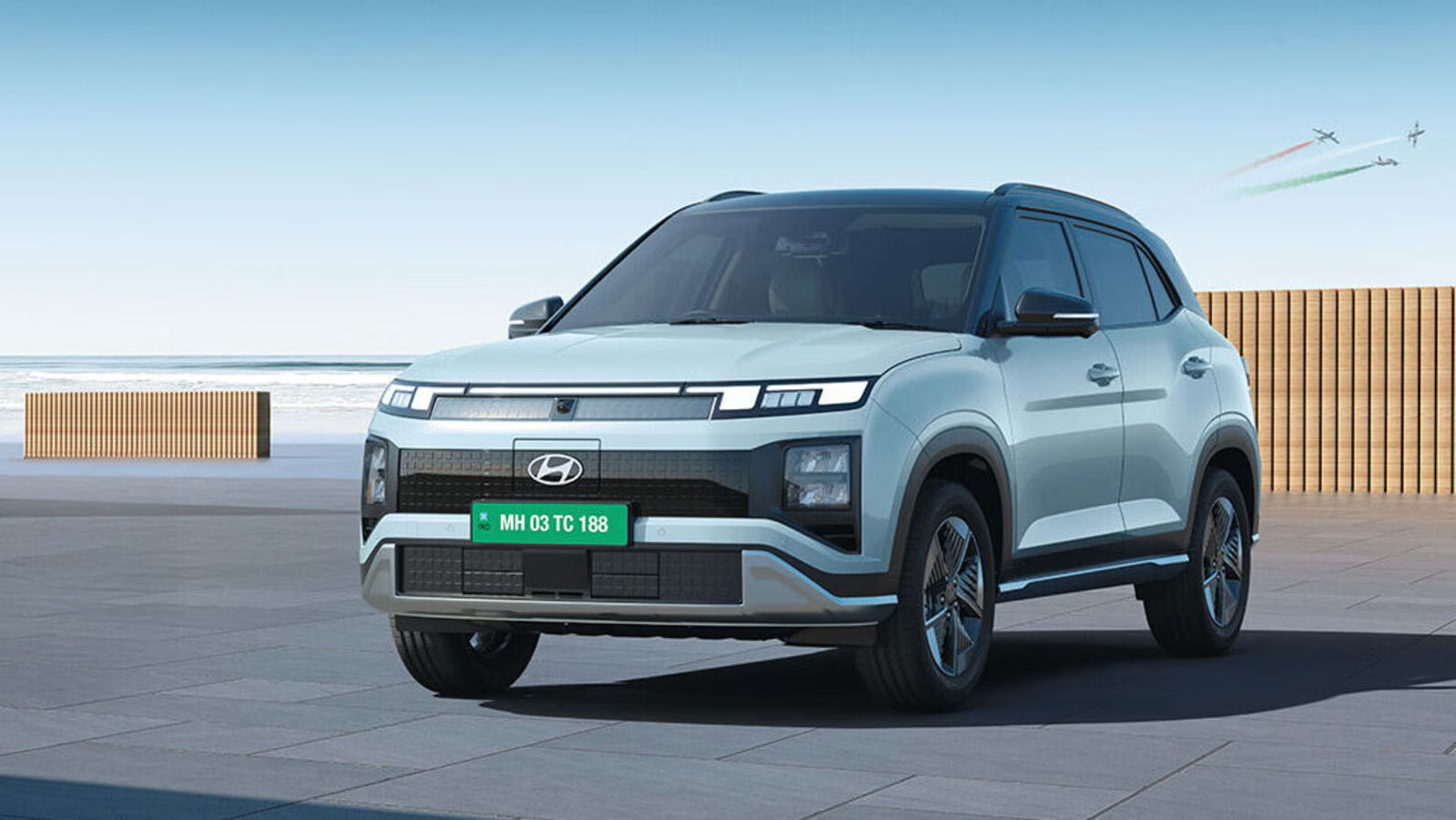
Hyundai’s Creta Electric took a different approach—evolution rather than reinvention. As Hyundai’s first modern mass-market EV in India, the Creta EV retained everything buyers loved about the ICE Creta while introducing an electric powertrain.
The SUV offers battery options of around 42 kWh and 51.4 kWh, with claimed ranges going up to 510 km. Performance includes multiple drive modes—Eco, Normal, and Sport—with regenerative braking enabling one-pedal driving. Fast DC charging allows a 10–80 percent charge in roughly 58 minutes, while an 11 kW AC charger can top it up from 10–100 percent in about four hours.
Inside, the Creta EV features a dual 10.25-inch screen setup, an EV-specific steering wheel, a floating centre console for extra storage, and even a frunk. With six airbags, connected car technology, memory seats, and 200 mm of ground clearance, it positioned itself as a reassuring bridge between ICE SUVs and full-fledged EVs. Social media conversations highlighted its role in making EV ownership feel less intimidating for families.
Mahindra XEV 9e: The Flagship Electric Statement
Mahindra’s XEV 9e emerged as one of the most talked-about electric SUVs of the year. Built on the INGLO platform and sharing its underpinnings with the BE 6, the XEV 9e brought coupe-SUV styling and serious performance to the EV conversation.
Available with 59 kWh and 79 kWh battery packs, it offers ARAI-certified ranges of 542 km and 656 km respectively, with real-world figures for the larger battery hovering around 460–480 km. The top variant produces up to 281 bhp and 380 Nm, sprinting from 0–100 km/h in under six seconds.
The interior was a social media favourite, thanks to its massive 43-inch triple-screen layout powered by a Snapdragon SoC, a 1,600W Harman Kardon audio system with Dolby Atmos, and unique features like a selfie camera with filters and music-synced ambient lighting. Priced between ₹21.90 lakh and ₹31.25 lakh (ex-showroom), the XEV 9e became Mahindra’s electric flagship, with deliveries beginning in early 2025.
Tata Harrier EV AWD: Quad Wheel Drive Goes Electric
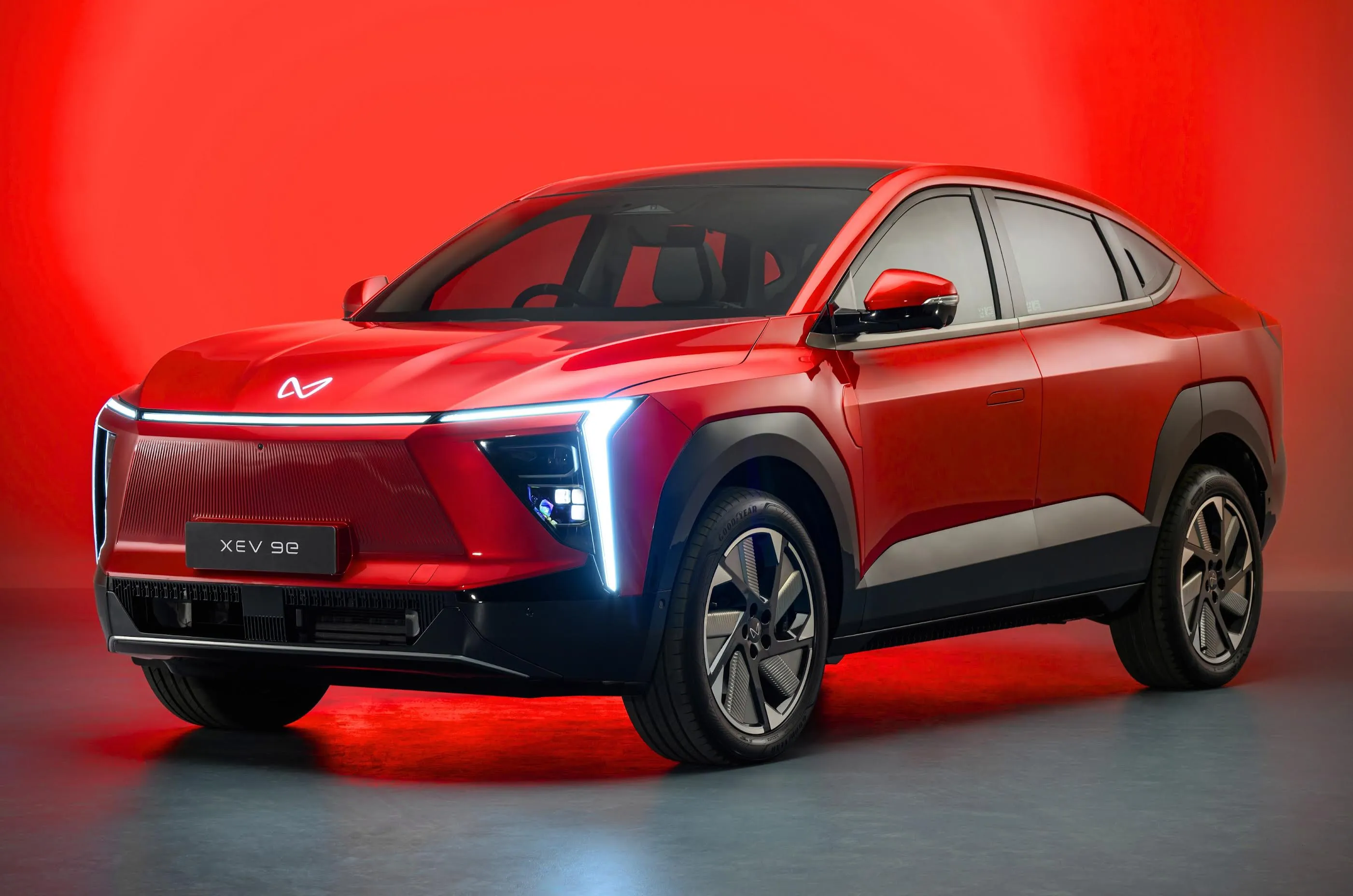
Tata Motors made headlines again with the launch of the Harrier EV AWD. Initially introduced in RWD form in early June 2025, the dual-motor AWD variants arrived later that month, marking Tata’s return to all-wheel drive after a long hiatus.
Built on the new acti.ev Plus platform, the Harrier EV AWD features a dual-motor Quad Wheel Drive setup paired with a 75 kWh battery. The result is 396 PS and 504 Nm of torque, enabling a 0–100 km/h sprint in just 6.3 seconds. AWD is exclusive to the top Empowered trim, which also includes Level 2 ADAS, a panoramic sunroof, large touchscreens, and EV-specific features like V2L and V2V.
For many enthusiasts, this wasn’t just another EV—it was proof that electric SUVs could deliver both performance and capability.
MG Cyberster: Electric Performance Meets Theatre
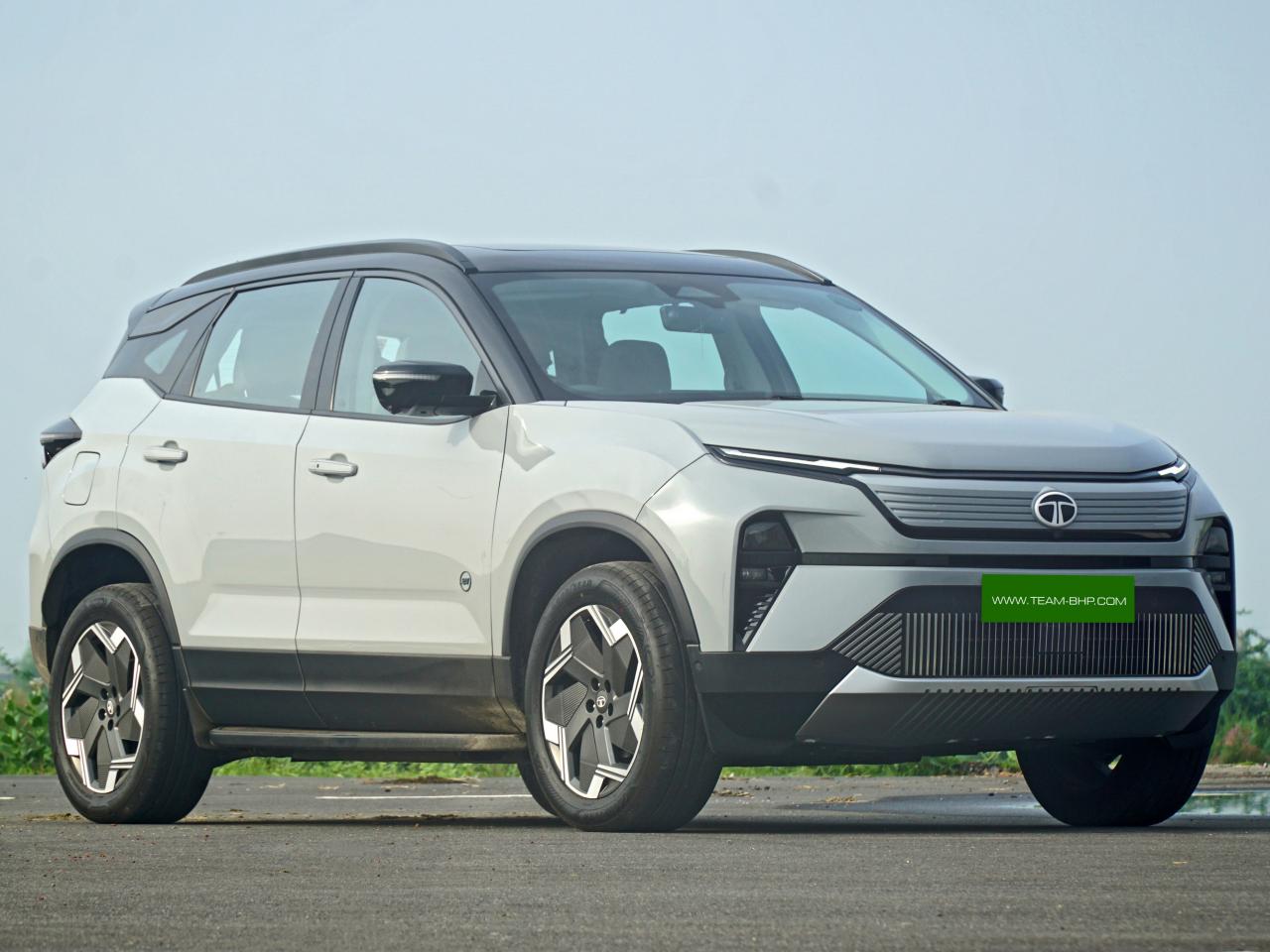
The MG Cyberster brought undeniable drama to India’s EV scene. Launched by JSW MG Motor India, this two-seater electric convertible sports car is sold exclusively through the MG Select premium network.
Priced at ₹74.99 lakh for new bookings (with early adopters getting it for ₹72.49 lakh), the Cyberster features a 77 kWh battery and a dual-motor AWD setup producing 510 hp and 725 Nm. The result is a 0–100 km/h time of just 3.2 seconds and a claimed MIDC range of 580 km.
Electric scissor doors, a soft-top convertible roof, and Level 2 ADAS made it an instant social media darling. Deliveries began on August 10, 2025, and high demand resulted in a waiting period of four to five months.
Electric G-Class: When an Icon Goes Silent
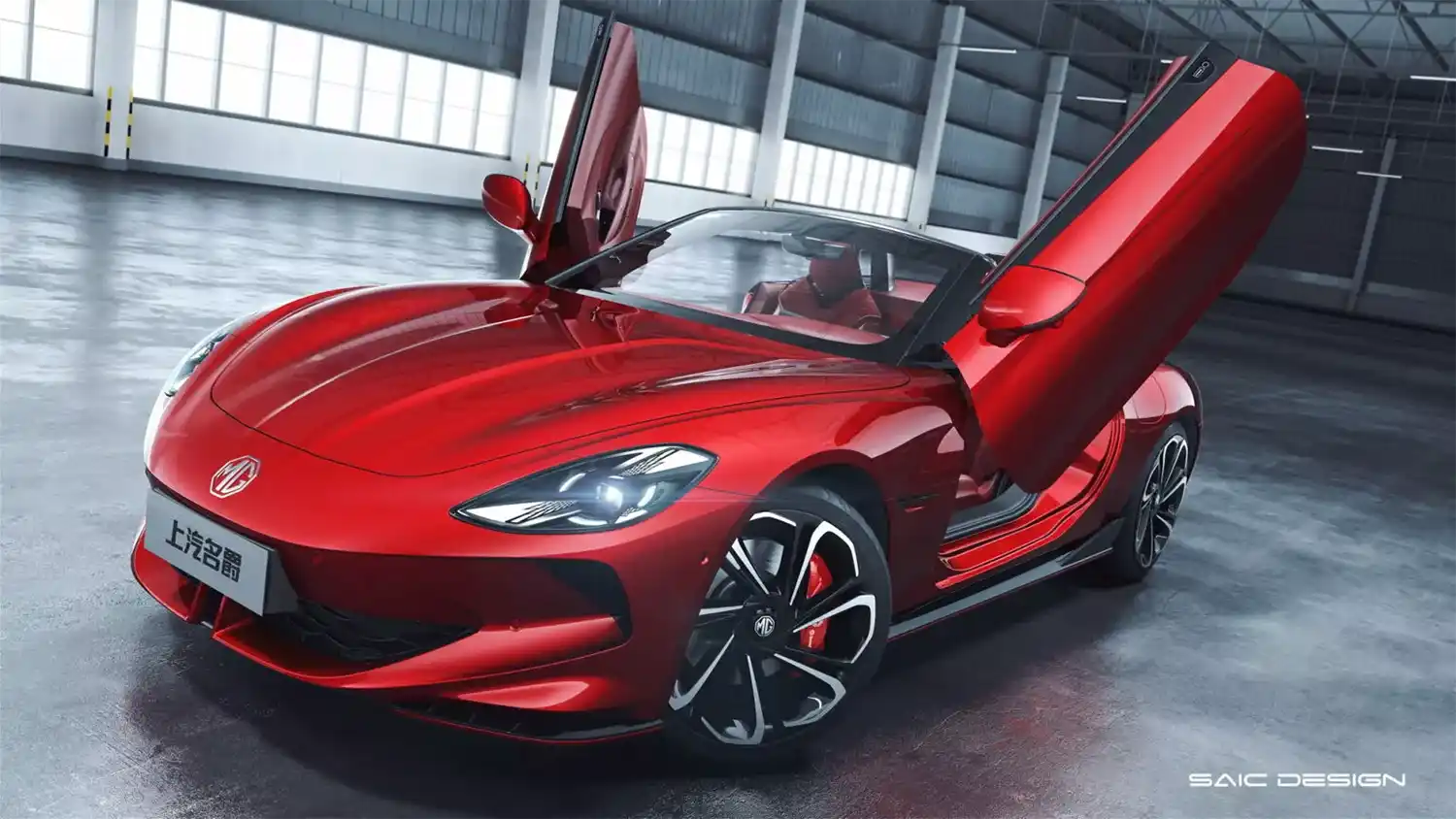
The 2025 Mercedes-Benz G 580 with EQ Technology proved that even icons can evolve. Launched globally and introduced in India in January 2025, the electric G-Class retained its unmistakable boxy design while embracing a four-motor electric setup.
With 579 hp, massive torque, and a 116 kWh battery supporting 200 kW fast charging, the G 580 introduced features like G-Turn and G-Steering for advanced off-road manoeuvres. Despite weighing close to 7,000 pounds, it delivered performance worthy of the G badge, sparking intense online debate about tradition versus technology.
Modi–Putin and the Fortuner That Broke the Internet
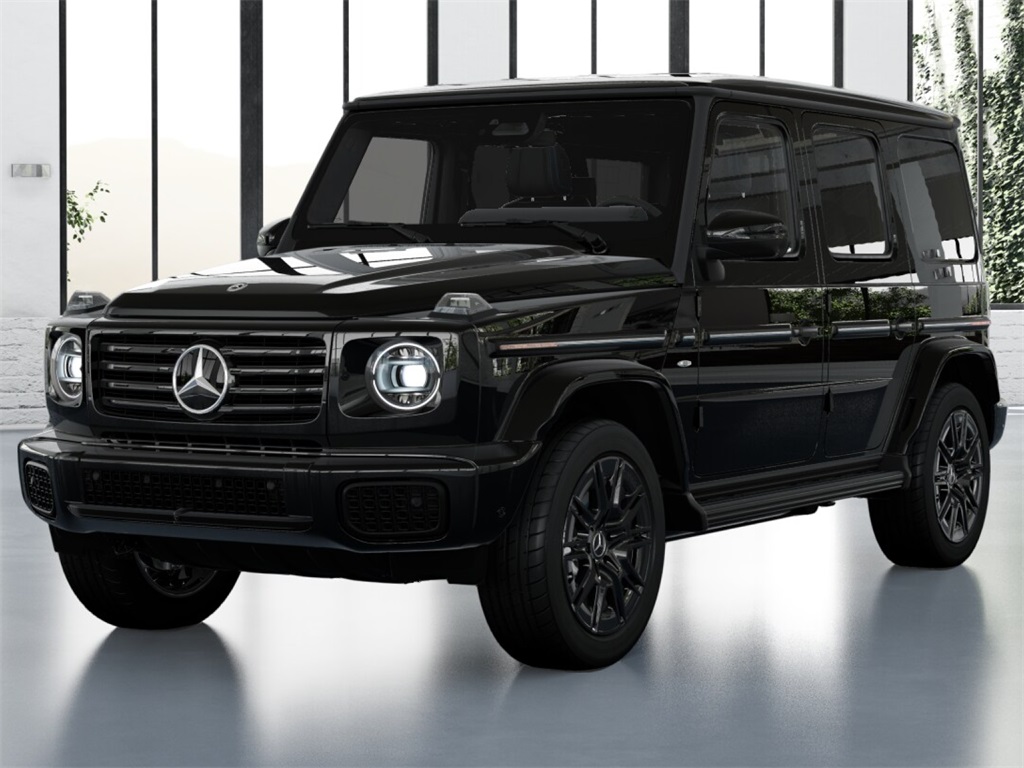
Diplomacy unexpectedly entered the automotive viral hall of fame when Prime Minister Narendra Modi and Russian President Vladimir Putin were spotted riding together in a locally assembled Toyota Fortuner. Ditching the usual limousines, the white SUV became an overnight sensation.
Fortuner owners quickly jumped on the trend, posting selfies, memes, and jokes about “diplomatic duties.” In one clip, the Fortuner transitioned from family SUV to unofficial state transport, proving that sometimes, the most viral automotive moments are entirely unplanned.
Lando Norris: The Championship That United the Internet
Crowning 2025’s automotive and motorsport moments was Lando Norris clinching the Formula 1 World Championship in Abu Dhabi. After years of near-misses and online jokes about bad luck, the McLaren driver’s triumph delivered the ultimate underdog story.
Social media exploded with clips from Norris’ karting days, emotional garage celebrations, and tribute edits from fans worldwide—including India. In a year full of viral cars and electric breakthroughs, Norris’ title stood out as a rare sporting moment that united timelines, teams, and time zones.
2025 proved that cars are no longer just machines—they’re stories, emotions, and cultural moments. And if this year was any indication, the future of automotive storytelling will be written as much on social media as it is on the road.
With inputs from agencies
Image Source: Multiple agencies
© Copyright 2025. All Rights Reserved. Powered by Vygr Media.