 By
By 
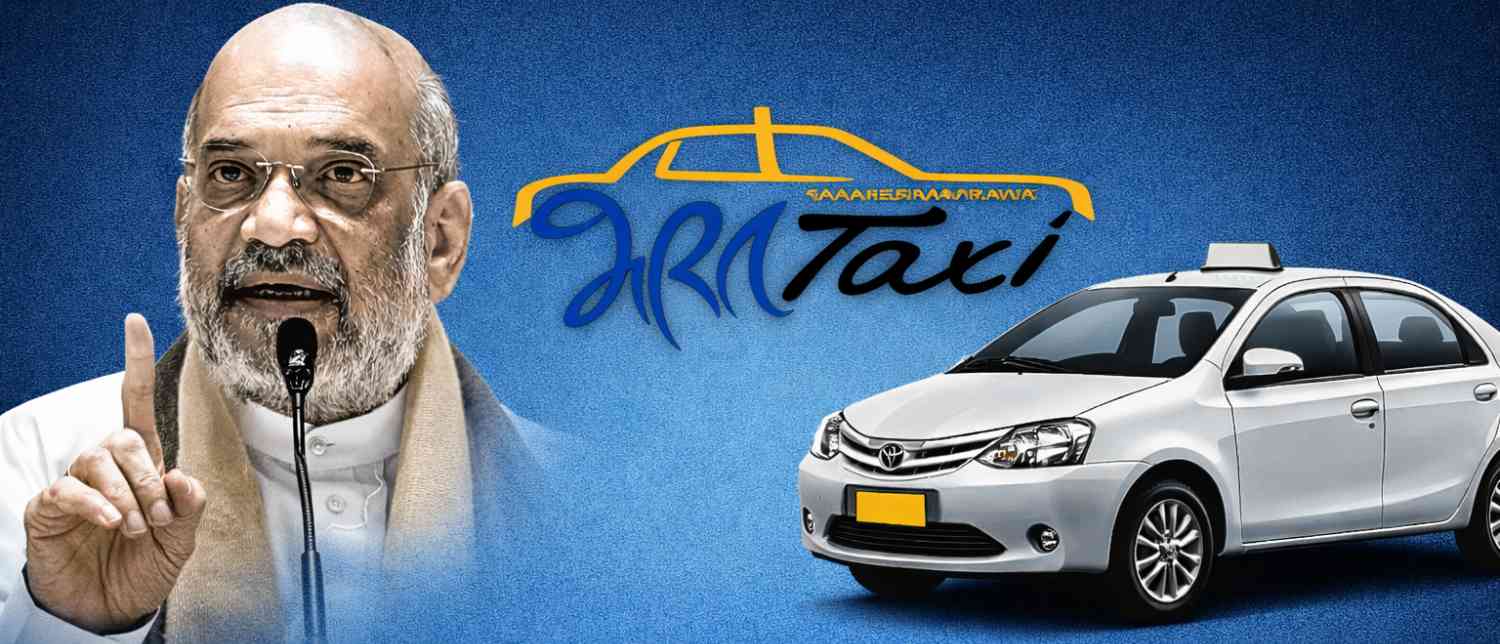
India’s ride-hailing ecosystem is set for a significant shift today with the official launch of Bharat Taxi, a cooperative-led, driver-owned mobility platform that aims to challenge private aggregators such as Ola, Uber and Rapido. Backed by the Government of India and built on a cooperative ownership model, Bharat Taxi promises to redefine how cab services operate by prioritising transparency, affordability and driver welfare.
The app was formally launched on February 5, 2026, at Vigyan Bhavan in New Delhi, with Union Home and Cooperation Minister Amit Shah inaugurating the service. The official rollout follows successful pilot operations in Delhi-NCR and Gujarat, where the platform was tested over the past two months.
Positioned as a more “citizen-centric” and equitable alternative to existing ride-hailing platforms, Bharat Taxi is being described by the Ministry of Cooperation as a landmark initiative for India’s mobility and cooperative sectors.
What Is Bharat Taxi?
Bharat Taxi is India’s first cooperative-based ride-hailing app, registered under the Multi-State Cooperative Societies Act, 2002. The platform was formally established on June 6, 2025, and began pilot operations on December 2, 2025, with a soft public launch on January 1, 2026, in select regions including Delhi.
Unlike private ride-hailing companies, Bharat Taxi is not a direct Government of India initiative. Instead, it is developed, owned and operated by Sahakar Taxi Cooperative Limited (STC)—a multi-state driver-owned cooperative. However, the platform enjoys strong institutional backing from the Ministry of Cooperation and is supported by eight apex cooperative organisations, including:
-
Gujarat Cooperative Milk Marketing Federation (GCMMF / Amul)
-
India Farmers Fertiliser Cooperative Limited (IFFCO)
With this structure, Bharat Taxi is being positioned as both the world’s first large-scale cooperative ride-hailing platform and the world’s largest driver-owned mobility service.
Official Launch and National Rollout Plans
The formal launch event in Delhi took place at 3 pm on February 5, 2026, with more than 1,200 drivers (“Sarathis”) from across India in attendance. Announcing the launch on X, All India Radio said the app would strengthen India’s cooperative ecosystem while making urban mobility more inclusive and citizen-focused.
Following its launch in Delhi-NCR, Bharat Taxi plans to expand across all Indian states and cities within the next two years, with a phased nationwide rollout already underway.
Who Owns Bharat Taxi?
Bharat Taxi is fully driver-owned, a defining feature that sets it apart from private aggregators.
Each driver—referred to as a “Sarathi”—holds five shares in the cooperative, making them a stakeholder in the platform rather than a contracted service provider. The cooperative structure ensures that drivers participate directly in ownership, governance and long-term value creation.
According to official data:
-
Over 3 lakh drivers registered during the beta and pilot phases
-
More than 4 lakh drivers are currently registered on the platform
-
Over 1 lakh users signed up during trials
-
The app has completed 10,000+ rides in Delhi-NCR and Gujarat
-
Drivers have collectively earned ₹10 crore through the platform so far
A Driver-First Model: “Sarathi Hi Malik”
At the core of Bharat Taxi’s philosophy is the principle of “Sarathi Hi Malik” (the driver is the owner).
=Zero Commission Structure
Unlike Ola and Uber, which typically deduct ₹30–₹50 per ride as commission, Bharat Taxi follows a zero-commission model. No percentage or per-ride fee is taken from drivers’ earnings.
Instead, drivers pay a fixed daily app access fee of ₹30, regardless of how many rides they complete in a day. This model is designed to eliminate income unpredictability and reduce dependency on algorithm-driven incentives.
-Freedom to Work Across Platforms
Bharat Taxi does not impose exclusivity clauses. Drivers are free to operate on other ride-hailing apps simultaneously, ensuring flexibility and income security.
Union Minister of Cooperation @AmitShah to launch #BharatTaxi, India’s first cooperative-based ride-hailing platform in New Delhi today. It will be a significant milestone in strengthening the cooperative sector and promoting inclusive, citizen-centric mobility solutions in the… pic.twitter.com/4ipD5M7rbx— All India Radio News (@airnewsalerts) February 5, 2026
Welfare and Social Security for Drivers
A key promise of Bharat Taxi is comprehensive social security for Sarathis, an area where private aggregators have often been criticised.
Driver welfare benefits include:
-
Health insurance
-
Accident insurance
-
Retirement savings
-
Dedicated support systems
-
Access to seven service centres in Delhi
During today’s launch event, the top six performing Sarathis will be honoured for their contributions. Each will receive:
-
₹5 lakh personal accident insurance
-
₹5 lakh family health insurance
Certificates will be distributed by Amit Shah, reinforcing the cooperative ownership message.
In addition, nine Memorandums of Understanding (MoUs) will be signed with public and private stakeholders to strengthen operational integration, safety systems, digital empowerment and service delivery.
How Much Will Rides Cost? Lower Fares for Commuters
For commuters, Bharat Taxi promises predictable and affordable pricing.
-No Surge Pricing
The platform does not use dynamic or surge pricing, meaning fares remain stable even during peak hours, adverse weather or high demand.
-Up to 30% Cheaper Fares
Officials estimate that Bharat Taxi’s fares could be up to 30% cheaper than those of private competitors. Savings generated by the zero-commission model are passed directly to passengers.
Prices are set by the platform, ensuring transparency and eliminating fare shocks—a frequent complaint among Ola and Uber users.
Safety Measures and Passenger Security
Bharat Taxi incorporates several safety features comparable to established ride-hailing apps:
-
Verified driver profiles
-
Real-time ride tracking
-
In-app emergency assistance
-
Dedicated customer helpline
In a significant safety collaboration, 35 special booths have been set up across Delhi in partnership with the Delhi Police to address passenger complaints and concerns efficiently.
All drivers undergo a mandatory verification process before onboarding, enhancing trust and accountability.
App Features and Ride Categories
Available on both Android and iOS, the Bharat Taxi app mirrors the flexibility and convenience offered by private ride-hailing platforms.
Ride options include:
-
AC and non-AC cabs
-
XL cabs
-
Auto-rickshaws
-
Bike taxis
-
Two-wheelers and four-wheelers
-
Airport rides
During the pilot phase, the platform recorded an average of 5,500 rides per day, including approximately 4,000 airport trips.
The app has also undergone recent updates to improve user experience, featuring a modern interface and simplified navigation designed to make booking and tracking rides seamless.
Where Is Bharat Taxi Available?
While the pilot phase was limited to Delhi-NCR and Gujarat, Bharat Taxi is not region-restricted.
With today’s launch, the service begins its nationwide expansion, aiming to reach all states and major cities over the next two years.
Why Bharat Taxi Matters
Bharat Taxi enters India’s mobility market at a time when both drivers and commuters have raised concerns about:
-
High commissions
-
Surge pricing
-
Limited driver agency
-
Opaque algorithms
By combining government-backed credibility, cooperative ownership, and market-competitive pricing, Bharat Taxi seeks to offer a viable alternative that balances profitability with fairness.
Whether it can disrupt a market long dominated by Ola and Uber remains to be seen. However, its early traction, large driver base and cooperative-first model suggest that Bharat Taxi is not merely another ride-hailing app—but a structural experiment in how mobility services can function in India.
With inputs from agencies
Image Source: Multiple agencies
© Copyright 2025. All Rights Reserved. Powered by Vygr Media.