 By

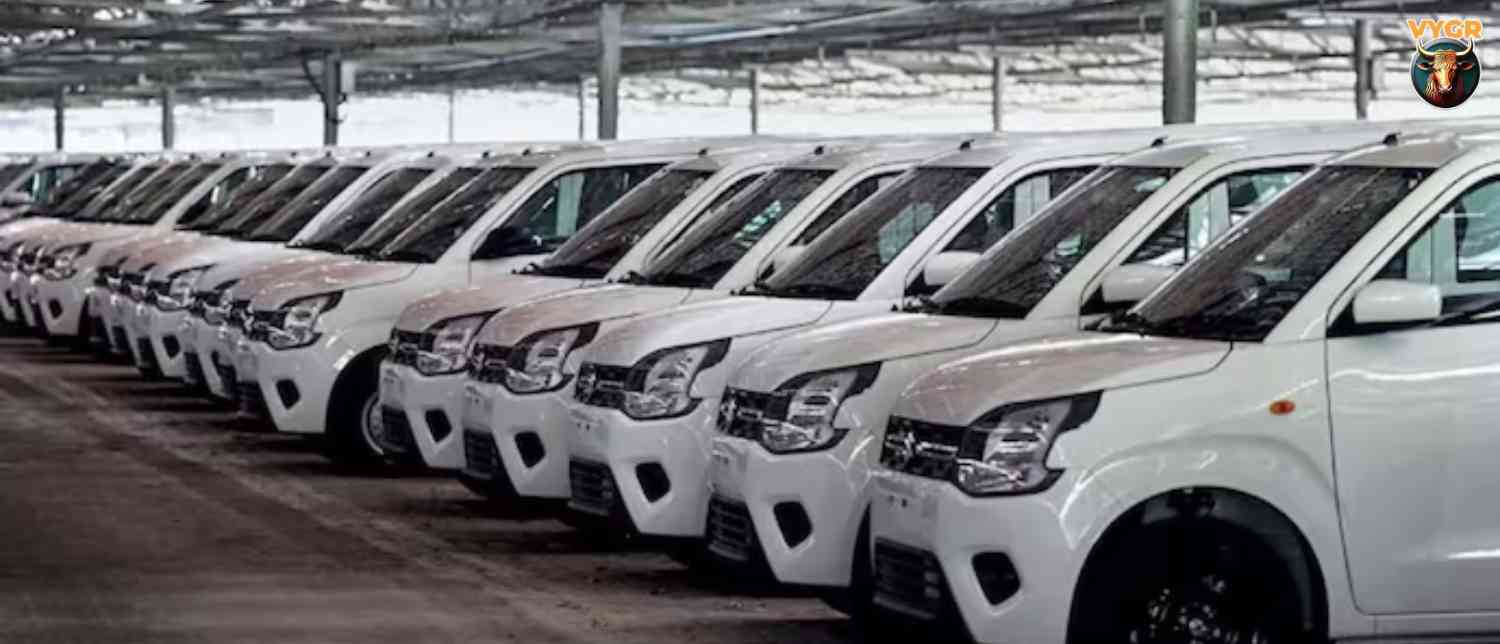
New Delhi: India’s passenger vehicle wholesales rose 12.4 per cent year-on-year to 528,384 units in October, crossing the five-lakh mark for the first time as festival demand, tax relief and lower borrowing costs made cars more affordable. Several of the country’s biggest carmakers reported their highest-ever monthly sales.
The headline numbers
Domestic wholesales, meaning the vehicles dispatched from factories to dealers, were estimated at 5.25 to 5.3 lakh units, against roughly 4.6 lakh in October last year.
| Company | October 2026 domestic wholesales | Change |
|---|---|---|
| Maruti Suzuki | About 2.12 lakh | Up about 20% |
| Tata Motors | 73,894 | Up 21% |
| Mahindra & Mahindra | 73,338 | Up 2%, a record |
| Hyundai Motor India | 62,799 (against 53,792 a year ago) | Up 16.7% |
Hyundai’s total sales, including exports, reached a record 82,299 units, up 17.7 per cent. Its CEO, Tarun Garg, said strong festive demand and healthy momentum in both domestic and export markets helped set the record. M&M’s auto business president Velusamy R said October was a landmark month, with the festival season and a refreshed product portfolio keeping demand strong.
What drove the surge
Reports point to a mix of factors working together:
- Festive demand. October brings the Dussehra period and the run-up to Diwali, traditionally the busiest time for car purchases.
- GST cuts. Lower goods and services tax rates on vehicles have reduced prices, particularly for small cars and entry-level models.
- Income-tax relief. Relief for individual taxpayers has left more money in households’ hands.
- Lower interest rates. Cheaper loans have brought down monthly instalments for buyers who finance their purchases.
- New and refreshed models. Carmakers such as Mahindra have pointed to refreshed portfolios as a reason for steady demand.
Reading the numbers carefully
Wholesales measure what carmakers send to dealers, not what customers register. Companies often stock up dealerships ahead of festivals, and Diwali falls in early November this year, so some of October’s dispatches may be intended for sales later in the festive season. Registration data for the month, which shows actual retail demand, will give a clearer picture of whether consumers kept pace with dealer stocking. Year-on-year comparisons also depend on the base: last October was itself a festive month, which makes this month’s growth more notable.
Why it matters
A record month adds to evidence that demand for passenger vehicles has been recovering after a period of slower growth. For the industry, the question is whether the momentum carries through November and the wedding season, and whether new tax and rate conditions hold. For buyers, strong competition and festive offers could mean more choice and better deals.
What to watch next
-
Registration data for October from dealers.
- Industry body figures, which cover all manufacturers, including Kia, Toyota Kirloskar and others not covered above.
- Retail demand during Diwali week and in November.
- Inventory levels at dealerships, which indicate whether stocking is outpacing sales.
- Any changes in interest rates or taxation that could affect affordability.
© Copyright 2026. All Rights Reserved. Powered by Vygr Media