 By

New Delhi: Samajwadi Party (SP) leader Azam Khan on Monday moved the Supreme Court against his arrest by the Enforcement Directorate (ED) in a fresh money laundering case. The agency took him into custody on Saturday evening, shortly after he and his son, Abdullah Azam, walked out of Rampur jail on bail in the alleged dual PAN card case.
His lawyer, advocate Nizam Pasha, mentioned the matter before Chief Justice of India Surya Kant and sought an urgent hearing. The bench agreed to list the plea during the week but did not agree to an urgent listing.
These are allegations by the ED and challenges by the accused. No court has found Khan guilty in the money laundering case.
What Khan has asked the court
The petition, titled Mohd Azam Khan v Directorate of Enforcement, seeks:
- Quashing of the ED’s arrest.
- Setting aside of the November 1 order by a special court remanding him to judicial custody.
- Interim relief in the form of his release from custody.
How the sequence of events unfolded
- October 29: The Allahabad High Court granted bail to Khan and his son in the dual PAN card case and suspended their sentences. It declined to stay the convictions, which means their disqualification from contesting elections remains in force.
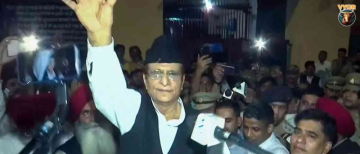
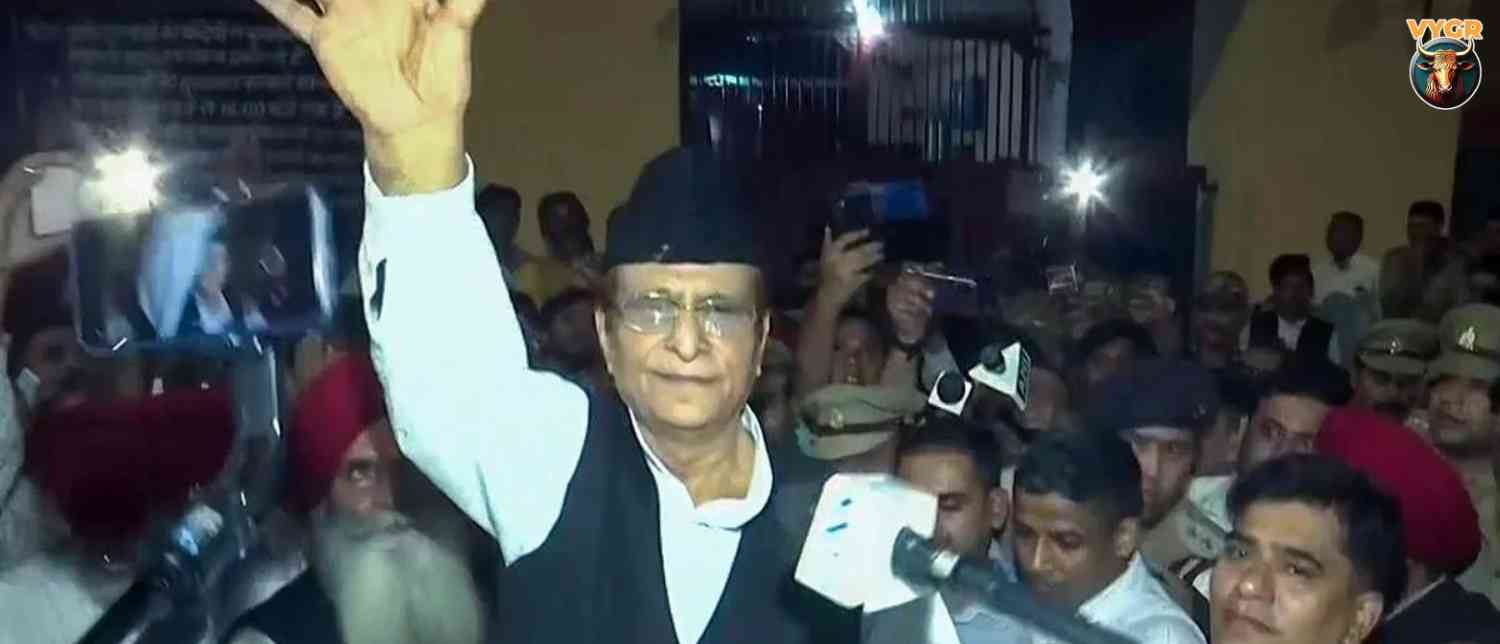
- October 31: The two men were released from Rampur jail after the jail received release orders in dozens of cases, reportedly 50 for Khan and 40 for Abdullah. An ED team from Lucknow, accompanied by around 24 CRPF personnel, was waiting. It took Khan into custody as he emerged at about 6:30 pm, after nearly 11 months in custody. Abdullah went home.
- November 1: A special court under the Prevention of Money Laundering Act (PMLA) in Ghaziabad remanded Khan to 14 days of judicial custody.
- November 2: Khan approached the Supreme Court.
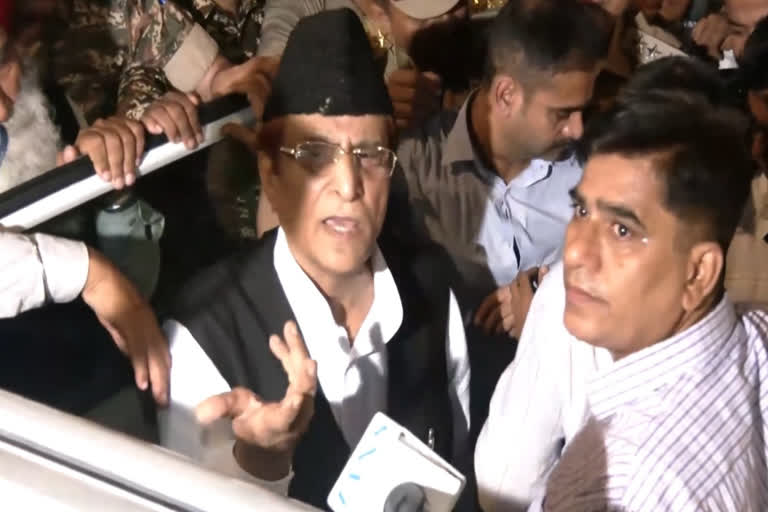
His reaction to the arrest, widely reported, was that it was a “punishment for being a Muslim,” a remark that reflects the Samajwadi Party’s broader argument that he is being targeted.
What the ED case is about
The ED registered its case on the basis of 58 FIRs filed by the Uttar Pradesh Police against Khan and his alleged associates. The agency alleges that government funds meant for public works were diverted to build the private Mohammad Ali Jauhar University in Rampur, and it has sought custody to question him about alleged financial transactions and benami property transfers. Reports also mention raids earlier this year and the attachment of property worth about ₹1,170 crore, though the figure should be checked against the ED’s own statements. Khan has denied wrongdoing in the cases against him in the past, and his side is expected to contest the allegations in court.
The legal question
The central issue is the timing and manner of the arrest. Khan’s plea questions the ED taking him into custody immediately after he secured release in a separate case. The agency can argue that it has a lawful investigation and that arrest is permitted under the PMLA. The Supreme Court has in earlier cases laid down requirements on how grounds of arrest must be communicated under the PMLA, and a bench may look at whether those standards were met here. The court’s approach to interim relief will also matter, since the PMLA contains strict conditions for bail.
The political backdrop
Khan, 78, is a veteran SP leader who has spent long periods in jail in recent years, including his first stretch from February 2020 to May 2022, when the Supreme Court granted interim bail. He faces dozens of cases in Uttar Pradesh. Supporters see a pattern of persecution, while the government and the ED say the cases are based on law and evidence. The arrest has also become a political issue in Uttar Pradesh as parties prepare for the 2027 Assembly elections.
What happens next
-
Supreme Court hearing: Listing is expected this week. The bench may issue notice to the ED, seek a response, and decide on interim relief.
- Judicial custody: Khan remains in judicial custody for 14 days unless the court orders otherwise.
- Bail applications: He can seek bail in the PMLA case separately from the challenge to his arrest.
- Trial court proceedings: The special court will continue to deal with the ED’s investigation.
© Copyright 2026. All Rights Reserved. Powered by Vygr Media.