 By

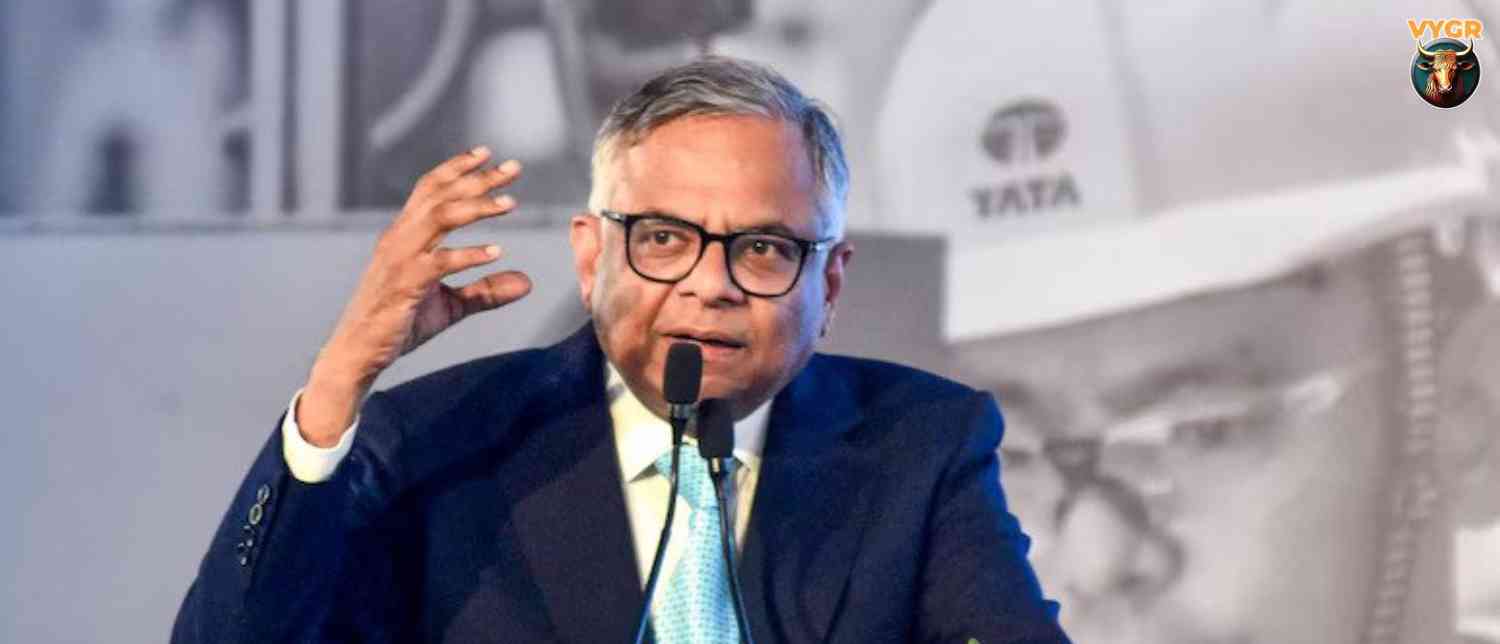
Tata Trusts have decided to take their dispute with Tata Sons to the Bombay High Court, challenging the reappointment of N Chandrasekaran as chairman. The move comes days before a crucial Tata Sons board meeting on November 30.
For years, the Tata group’s governance has been described as a delicate balance between the Trusts, which own most of Tata Sons, and the boardroom that runs it. This week, that balance moved from the boardroom to a courtroom.
What has happened
The Sir Dorabji Tata Trust (SDTT) and the Sir Ratan Tata Trust (SRTT), the two largest Tata Trusts, have authorised legal action in the Bombay High Court. According to reports, they plan to file suits against Tata Sons and six of its directors, seeking to overturn the five-year reappointment of Chandrasekaran as executive chairman, prevent it from being implemented, and recover ₹65 crore in damages. One report says the damages are sought from each director, with 18% annual interest.
The defendants named in the reports are Chandrasekaran, executive director and CFO Saurabh Agrawal, independent directors Harish Manwani and Anita George, and nominee directors Venu Srinivasan and Noel Tata.
The vote at the centre of the dispute
The dispute traces back to the Tata Sons board meeting on September 17. According to reports, Noel Tata, chairman of Tata Trusts and a nominee director, opposed Chandrasekaran’s reappointment. The other Trust-nominated director, Venu Srinivasan, supported it.
With the two nominees split, independent director Harish Manwani, who chaired that agenda item, used a casting vote in favour of the resolution.
The Trusts argue that this was not valid. Their position is that Article 121 of Tata Sons’ Articles of Association requires the affirmative vote of a majority of the Trust-nominated directors present for certain decisions, and that a chairman’s casting vote cannot stand in for that approval. In their reading, the reappointment never received the support the rules require.
What the Trusts want from the court
Beyond challenging the reappointment, the Trusts are asking for urgent relief before the November 30 meeting. Reports say they want the court to:
- Restrain the board from acting on the September 17 decision
- Stop the board from using a casting vote on contentious items when the two Trust-nominated directors disagree
- Prevent important resolutions from being passed that way at the coming meeting
The Trusts reportedly fear that, if their two nominees vote differently again, the board could pass resolutions in the same manner, which they say would go against Article 121.
Why the November 30 meeting matters so much
The meeting itself has been a point of friction. Tata Sons moved the date from November 26 to November 30 after Noel Tata pressed for a mandatory seven-day notice period. He has also objected to the agenda, reportedly saying his items should be discussed first.
The top item expected on the agenda is the proposed stock exchange listing of Tata Sons. Other issues likely to come up include corporate reorganisation and shareholder approval for Chandrasekaran’s reappointment. Noel Tata has reportedly stressed the need to discuss an alternative plan to restructure Tata Sons so that it stays privately held.
In other words, this is not only about one person’s term. It is also about whether the Tata group’s holding company goes public, and who gets to decide.
Who owns what
To see why this matters, it helps to know the ownership structure. Tata Trusts together own roughly 66% of Tata Sons. Within that, SDTT holds about 28% and SRTT about 23.5%, so these two Trusts alone control a little over half. The Shapoorji Pallonji Group holds about 18.4%, and has been in talks about a possible exit.
That is why the Trusts see their nominated directors’ voice as central. Their argument is that their representatives should not be overridden on key decisions by a tie-breaking vote.
The people involved
- N Chandrasekaran became chairman of Tata Sons in February 2017, after taking over from Cyrus Mistry, and has led the group through a major period of expansion. The dispute concerns a proposed third five-year term.
- Noel Tata, half-brother of the late Ratan Tata, became chairman of Tata Trusts in October 2024 and is a nominee director on the Tata Sons board.
- Venu Srinivasan, vice-chairman of SRTT, is the other Trust nominee on the board and backed the reappointment at the September meeting.
- Harish Manwani is the independent director who chaired the item and cast the deciding vote.
Reports also note that the Sir Dorabji Tata Trust’s decision to take legal action came through a resolution moved by trustee Bhaskar Bhat. Its trustees include Noel Tata, Neville Tata, Venu Srinivasan and Vijay Singh. Interestingly, that means Srinivasan, who supported the reappointment on the board, sits among the trustees who authorised the challenge, a sign of how complicated the internal alignments are.
A familiar pattern
The Tata group has been here before. In 2016, the board’s removal of Cyrus Mistry as chairman led to years of litigation that ended with the Supreme Court ruling in the group’s favour in March 2021. That fight was also about how much say the Trusts and their nominees should have over Tata Sons.
This time, the dispute is between the Trusts and the board rather than between the group and an ousted chairman, which makes it unusual. It is also unfolding while the group considers a major strategic decision on listing.
What markets and the group might be watching
Tata group shares traded mixed after the news, according to reports. Investors typically look for signs of stability at the top of a conglomerate this large. A prolonged legal fight could create uncertainty around leadership and around the listing plan.
At the same time, nothing has been decided. The suits are being filed, the court has yet to hear the matter, and the other side’s detailed response was not available in the coverage I reviewed.
What to watch next
- Whether the High Court grants interim relief before the November 30 meeting
- What happens at the November 30 board meeting, including how the listing item is handled
- Responses from Tata Sons and the named directors to the allegations
- Any move toward settlement between the Trusts and the board
Frequently Asked Questions
Why are Tata Trusts going to court?
They argue Chandrasekaran’s reappointment was not passed with the affirmative votes required by Article 121 of the Articles of Association.
What happened at the September 17 meeting?
Noel Tata opposed the reappointment and Venu Srinivasan supported it. Harish Manwani, chairing the item, used a casting vote in favour.
What are the Trusts asking for?
To overturn the reappointment, restrain its implementation, stop casting votes on contentious items when nominee directors disagree, and recover ₹65 crore in damages.
When is the next Tata Sons board meeting?
November 30. It was moved from November 26 after Noel Tata asked for a seven-day notice period.
What is on the agenda?
The proposed listing of Tata Sons tops the agenda, along with corporate reorganisation and shareholder approval for Chandrasekaran’s reappointment.
How much of Tata Sons do the Trusts own?
Together roughly 66%, with the Sir Dorabji Tata Trust and Sir Ratan Tata Trust holding a little over half between them.
© Copyright 2026. All Rights Reserved. Powered by Vygr Media.