 By

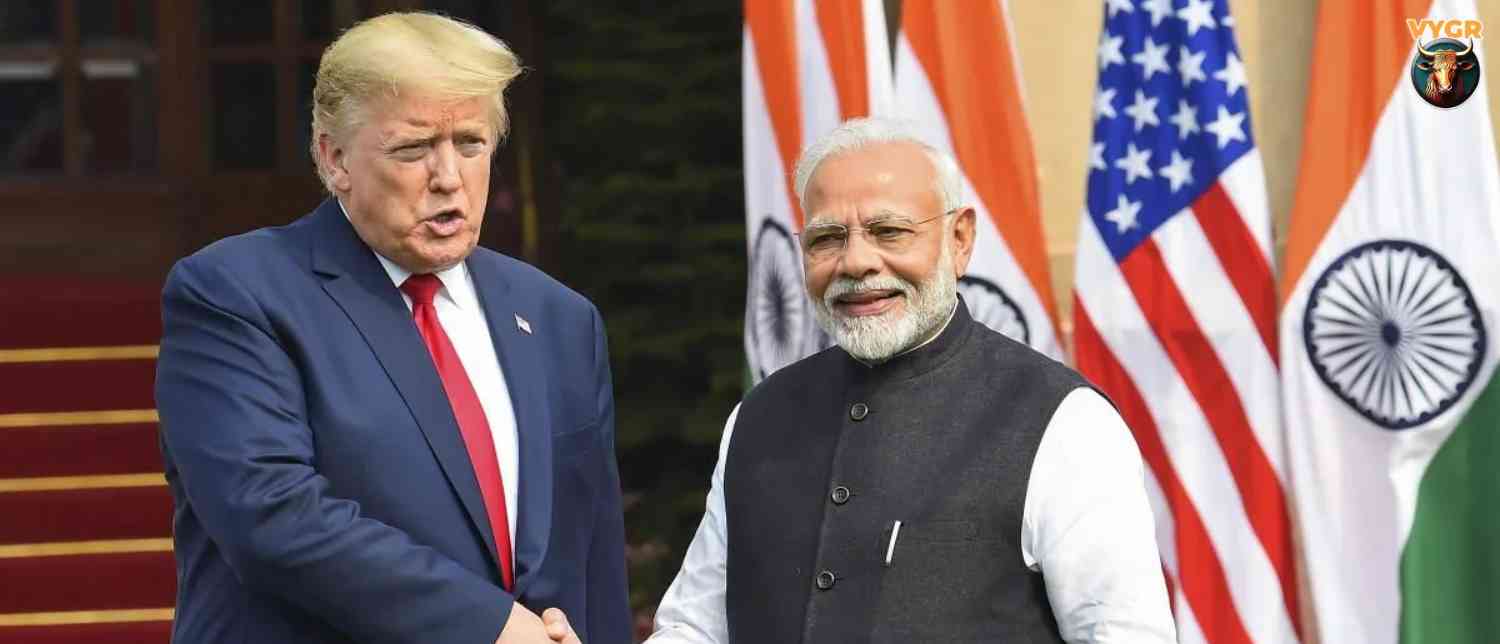
The United States has proposed tariffs of up to 25% on Indian goods under a new Section 301 investigation, with a lower 17% rate if India concludes a trade agreement. India’s Commerce Ministry has responded by saying the concerns should be settled within the ongoing Bilateral Trade Agreement (BTA) negotiations.
If you export to the US, run a manufacturing business or simply follow India’s trade story, this is the kind of headline that makes you reach for a calculator. Here is what has been proposed, what India has said and what remains unclear.
What the US has proposed
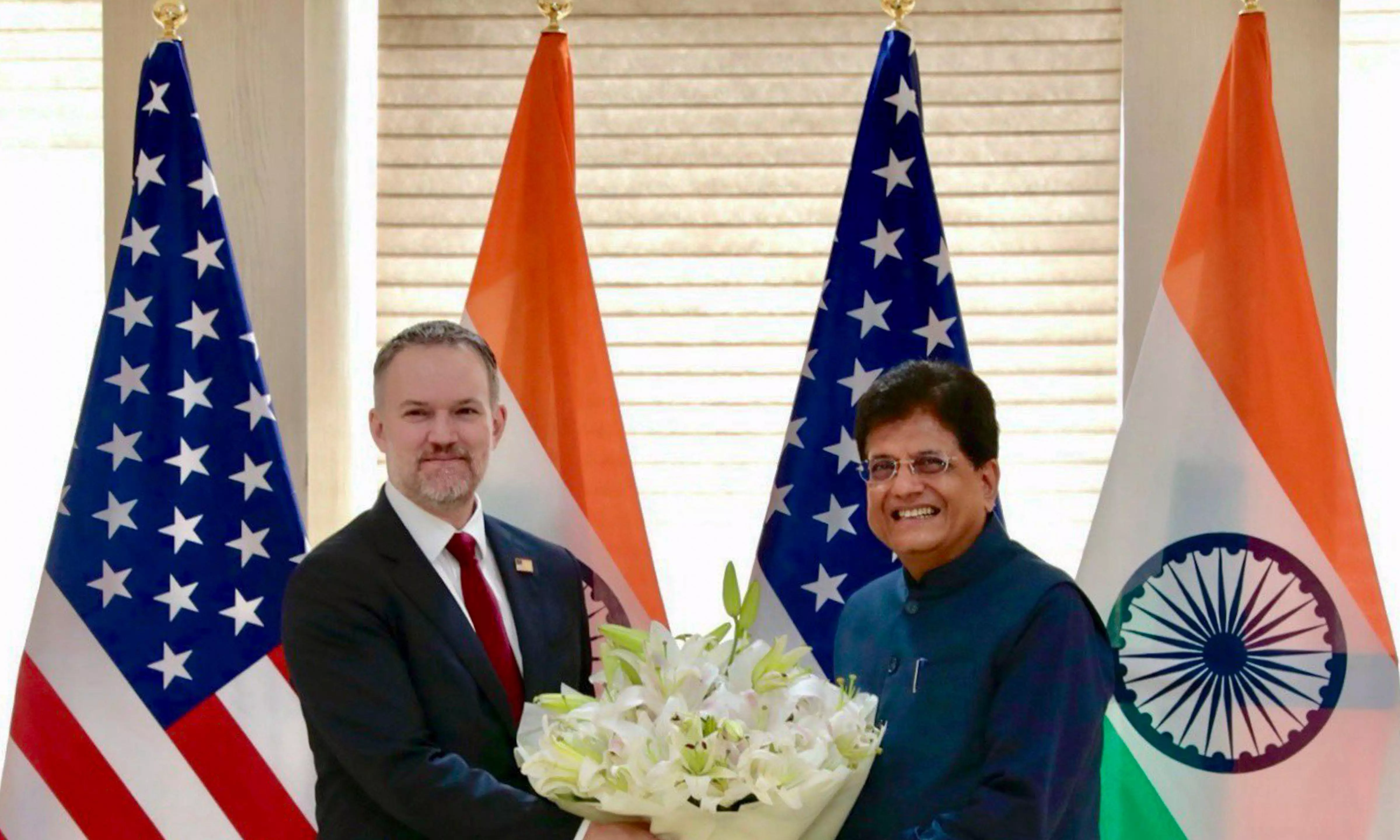
On Wednesday, November 25, the Office of the United States Trade Representative (USTR) said that the acts, policies and practices of 14 economies, including India, relating to “structural excess capacity and production in manufacturing sectors” are unreasonable and burden or restrict US commerce. That finding makes them actionable under Section 301 of the Trade Act of 1974.
For India, the USTR proposed:
- Tariffs of up to 25% on all Indian goods, net of existing Section 301 tariffs, with exemptions for certain goods.
- Possible adjustments to account for duties already imposed under existing Section 301 and Section 232 actions.
- A lower rate of 17% if India reaches a reciprocal trade agreement with the US that addresses the findings of the investigation.
Some reports note that 25% is the second-highest rate among the 14 economies, while the 17% option would give India a slight edge over some Asian competitors. Hearings on the proposal are scheduled to begin on January 25, 2027.
What is a Section 301 investigation?
Section 301 is a US trade law that lets Washington respond to foreign government practices it considers unfair or harmful to American commerce. This particular investigation began on March 11, 2026, and covered 16 economies, including China, Japan and the European Union. After about eight months, the USTR issued its determination and proposed actions for 14 of them.
In plain terms: the US is arguing that certain countries produce more manufactured goods than their own markets need, and that this hurts American businesses. Tariffs are the proposed remedy.
What India’s Commerce Ministry said
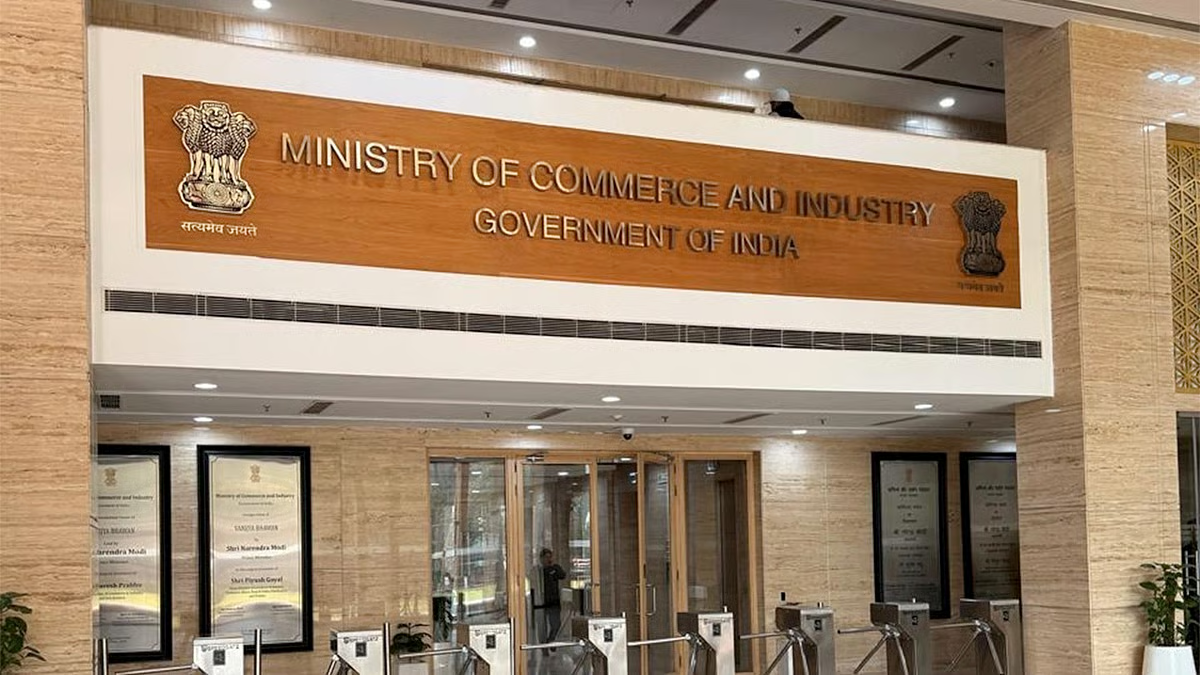
The ministry said India has taken note of the USTR’s Notice of Determination and Request for Comments. Its central point was about where the discussion should happen. India and the US are already negotiating a bilateral trade agreement, the ministry said, and any trade-related concerns should be addressed within that framework.
It also said the government remains committed to working closely with the United States towards an early conclusion of the BTA. Reports add that India rejected the claim of structural excess manufacturing capacity.
The message is two-sided. India is not walking away from the table, and it is not accepting the premise of the investigation either.
How we got here: a short timeline
This is not the first time tariffs have strained India-US trade ties.
- Early 2025: Both countries set an ambitious goal of lifting bilateral trade from about $191 billion to $500 billion by 2030 and began working towards a trade agreement.
- August 2025: The US imposed a 25% reciprocal tariff on Indian goods from August 7, followed by an extra 25% on August 27 as a penalty linked to India’s purchases of Russian crude oil, taking the total to 50%. Estimates at the time suggested around $48.2 billion of Indian exports could be affected, with economists projecting a hit to GDP growth.
- 2026: The Commerce Ministry says the BTA was announced on February 2, 2026, and was followed by a Joint Statement on February 7, 2026.
- November 2026: The USTR’s Section 301 proposal arrives, with India saying it remains committed to concluding the deal early.
For context, India exported goods worth about $86.5 billion to the US in 2024-25, with a trade surplus of roughly $40.8 billion in India’s favour. That surplus is one reason the US has repeatedly pressed India on market access.
Why the framing matters
Some analysts read the Section 301 tariffs as a way of recreating the earlier “reciprocal” tariff regime under a different legal basis. If that reading is right, the proposal is less a new fight than a new route to an old pressure point. That interpretation is not official, but it helps explain why India is steering the conversation back to the trade deal.
There is a practical logic to India’s stance as well. A negotiated agreement gives both sides control over outcomes. A unilateral tariff action leaves less room to bargain, and it risks setting a precedent.
What this could mean for exporters
The proposal is not final, so nothing changes overnight. But for businesses that sell to the US, it adds uncertainty. A few points are worth keeping in mind:
- It’s a proposal, not a final tariff. Public comments and hearings come first.
- The final rate is not settled. The 25% figure is a ceiling (“up to”), and the formula for adjusting it against existing duties is still open.
- Exemptions are expected, but unspecified. The details of which goods would be exempt were not clear in the coverage I reviewed.
- The deal could lower the cost. The 17% option depends on India concluding an agreement that addresses the investigation’s findings.
Industry bodies and trade experts will likely weigh in over the coming weeks, especially in labour-intensive export sectors that rely heavily on the American market.
The sticking points that could shape the deal
Trade talks between the two countries have long run into a few sensitive areas. Farm and dairy market access has been one of the most delicate, given the importance of those sectors for small and marginal farmers in India. Any agreement that touches them tends to be politically charged.
On the other side, the US has pushed for greater access for its goods and has pointed to its trade deficit with India. How those competing priorities are reconciled will largely decide whether the 17% route is realistic.
Two questions that remain open
- How will the final rate be calculated? The USTR says it is considering adjustments for overlapping Section 301 and Section 232 duties, which could change the effective burden.
- Will the first part of the trade deal close in time? Whether India and the US wrap up an initial tranche before any 25% rate would apply may determine which rate exporters actually face.
What to watch next
- Further statements from the Commerce Ministry and the Commerce and Industry Minister
- The next round of India-US BTA negotiations
- Industry feedback ahead of the January 25, 2027 hearings
- Any clarity on which goods may be exempted
Frequently Asked Questions
What tariff has the US proposed on India?
Up to 25% on all Indian goods, net of existing Section 301 tariffs, with exemptions for certain goods.
Can the rate be lower?
Yes. The USTR indicated a 17% rate if India reaches a reciprocal trade agreement that addresses the investigation’s findings.
Why is the US proposing these tariffs?
Following a Section 301 investigation, it determined that practices relating to structural excess capacity in manufacturing in 14 economies, including India, burden US commerce.
What did India’s Commerce Ministry say?
That trade concerns should be addressed within the ongoing Bilateral Trade Agreement negotiations, and that India is committed to working with the US for the deal’s early conclusion.
Are the tariffs in effect now?
No. They are proposed, with hearings scheduled to begin on January 25, 2027.
Which other countries are affected?
The determination covers 14 economies, and the wider investigation began with 16, including China, Japan and the European Union.
© Copyright 2026. All Rights Reserved. Powered by Vygr Media.