 By
By 
Bollywood has seen this movie before—and it knows how terrifying the ending can be.
For decades, the Hindi film industry existed under the looming presence of the underworld, navigating a fragile balance between fear, compromise, and survival. By the early 2000s, sustained police action, institutional reforms, and the corporatisation of film financing appeared to have buried that era for good. Yet recent events suggest that the ghost of Bollywood’s darkest chapter is knocking again—this time wearing a new name.
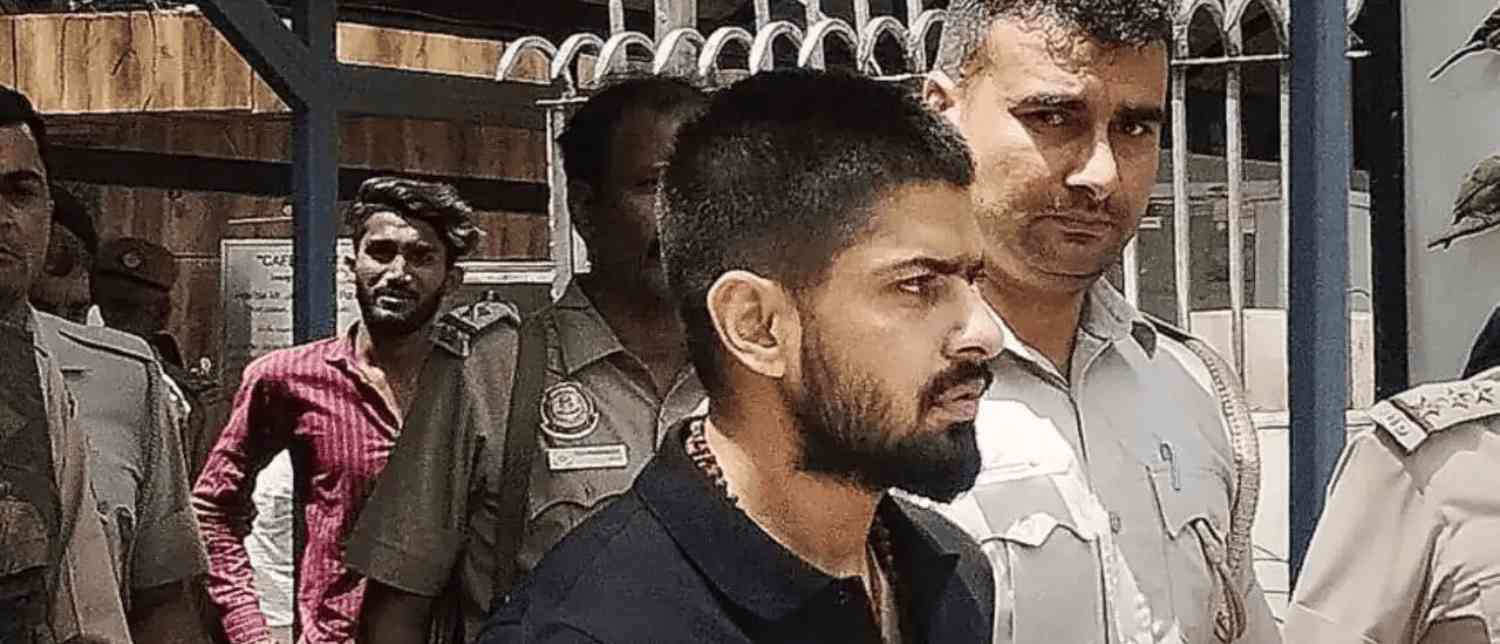
From gunfire outside Salman Khan’s Galaxy Apartments to shots fired at filmmaker Rohit Shetty’s Juhu residence, from threats issued to singers and television stars to repeated attacks on comedian Kapil Sharma’s café in Canada, the Lawrence Bishnoi gang has emerged as the most visible—and most feared—criminal force targeting India’s entertainment industry today.
What makes this resurgence especially chilling is not just the violence itself, but the deliberate strategy behind it: public intimidation, high-profile targets, and social media declarations meant to send a message far beyond the immediate victims.
A Chilling Warning Shot for Bollywood
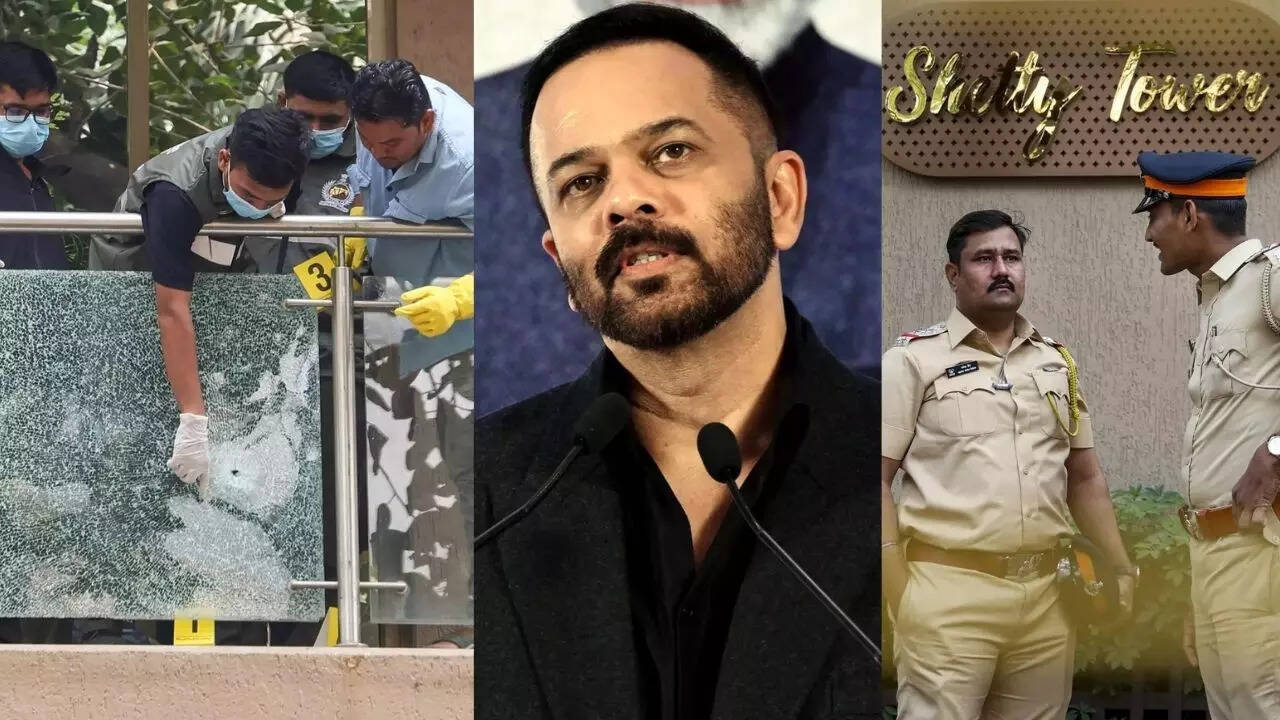
The firing outside Rohit Shetty’s Mumbai residence marked a fresh escalation in this unfolding pattern of intimidation. Shortly after bullets were fired at the filmmaker’s building in Juhu, a social media post surfaced claiming responsibility for the attack. The message—allegedly written in the names of Shubham Lonkar, RJ Bishnoi, and Hari Boxer—left little room for ambiguity.
It described the firing as merely a “warning,” bluntly stating that this was “just a trailer,” with more serious consequences to follow if demands continued to be ignored. More disturbingly, the post referenced the murder of NCP leader Baba Siddiqui, making clear that the intent was not simply to frighten one filmmaker, but to issue a collective threat to Bollywood at large.
Investigators believe this was precisely the point. By targeting celebrities whose names dominate headlines, the Bishnoi gang ensures maximum publicity—and transforms fear itself into a tool of extortion.
Inside the Rohit Shetty Firing Case
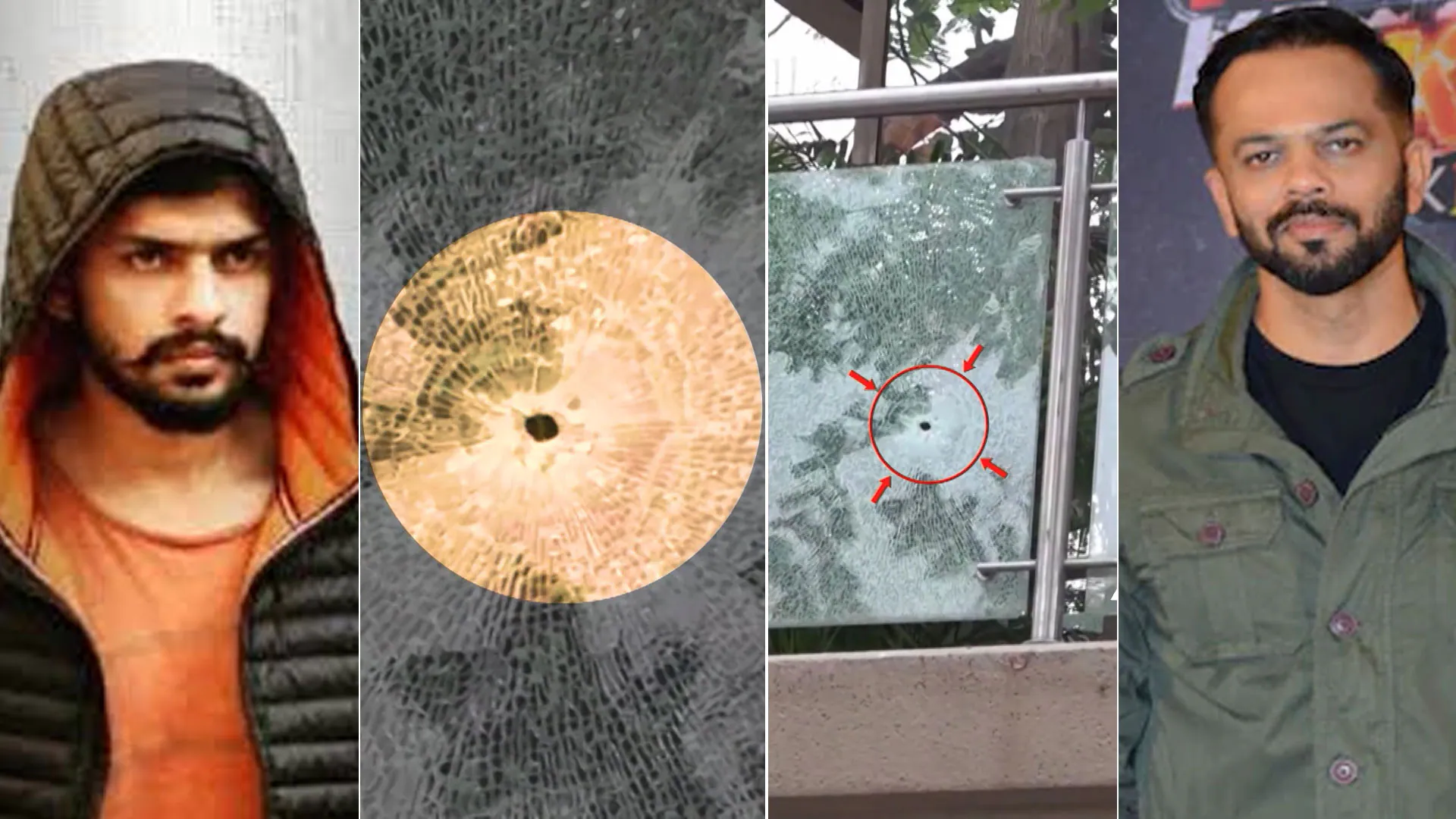
The details of the attack underline how calculated the incident was. The firing occurred at around 12:45 am on the first floor of Shetty Tower at Hasya Kalakar Mehmood Chowk in Juhu. Four to five rounds were fired at the building, hitting the wall and first-floor section before the assailant fled. No injuries were reported.
Mumbai Police later arrested five men from Pune in connection with the incident: Swapnil Sakat (23), Siddharth Yenpure (20), Aditya Gayaki (19), Samarth Pomaji (18), and Aman Marote (27). One of the accused is a college student, while the others are unemployed. Police have not yet disclosed who among them actually fired the shots.
Investigators revealed that the accused had travelled from Pune on a motorcycle, carried out the firing, and then abandoned the bike roughly two kilometres from Shetty’s residence. CCTV footage captured the rider near the scene, and the motorcycle—bearing a Pune registration and owned by one of the accused—was traced through its registration details. It is now in the custody of the Crime Branch and the Anti-Extortion Cell.
At the time of the attack, Shetty had three private security guards in the building. According to a crime branch officer, the guards rushed out upon hearing the gunshots, and Shetty immediately informed the police.
While the social media claim by Shubham Lonkar—an alleged associate of the Lawrence Bishnoi gang—is still being verified, police have confirmed that Shetty was not known to have received any prior threats. However, security around his residence has since been enhanced, and forensic teams have conducted a detailed examination of the site.
The Pune and Baba Siddiqui Angle
Investigators are also examining whether the Pune connection holds deeper significance. The city is believed to have been used by the Bishnoi gang in planning the murder of NCP MLA Baba Siddiqui. While police have stated that no direct link has yet been established between those arrested in the Juhu firing case and the suspects held in Siddiqui’s murder, the angle remains under active investigation.
All five accused have been produced before a criminal court, which granted four days of police custody. Their counsel claimed that the men had no links to the Bishnoi gang and no knowledge of the firing. Police, however, maintain that the arrests were made based on CCTV analysis and technical evidence. Deputy Commissioner of Police Sambhaji Kadam confirmed that the accused hail from different parts of Pune and were arrested by coordinated teams.
Why Bollywood Is Being Targeted Again
At the heart of the current crisis lies a pressing question: why has Lawrence Bishnoi positioned himself—and his gang—as adversaries of Bollywood?
Part of the answer lies in visibility. Investigators say the gang deliberately targets high-profile figures to amplify fear. Threatening a celebrity ensures nationwide attention, which then becomes leverage for extortion. According to officials, Bishnoi gang operatives—many allegedly operating from abroad—demand crores of rupees from businessmen, builders, and influential figures in India. Those who refuse often face intimidation, including gunfire outside their homes.
This strategy bears an unmistakable resemblance to the methods once employed by Dawood Ibrahim.
Salman Khan: The First High-Profile Target
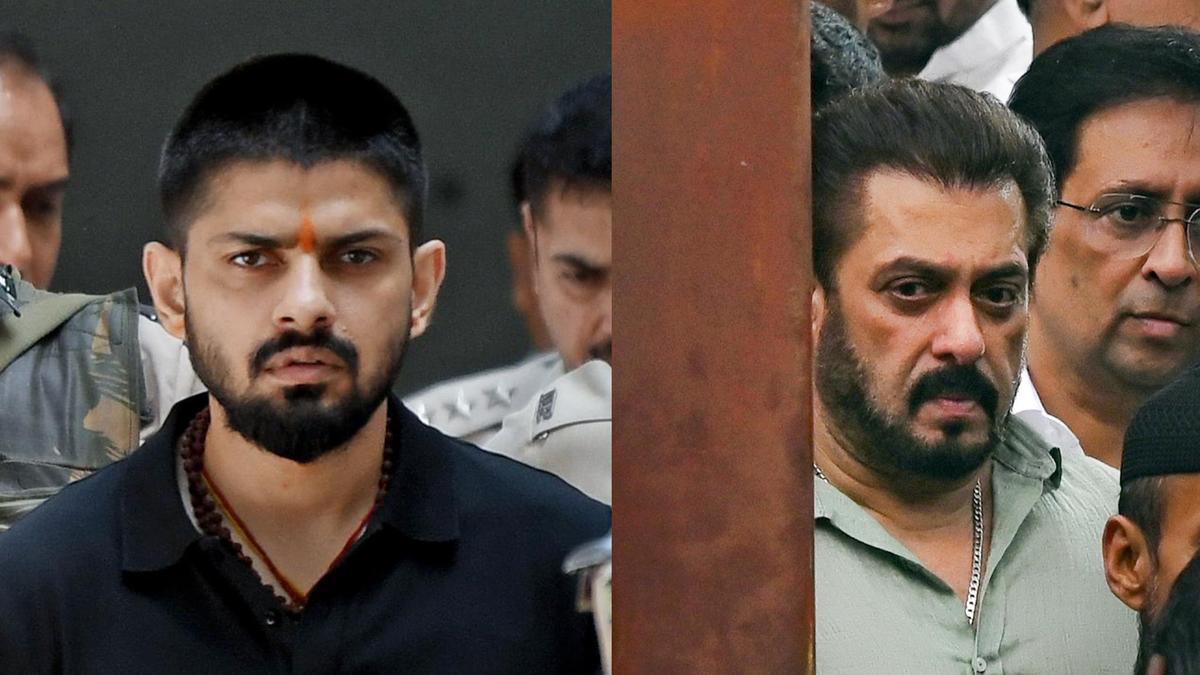
Salman Khan was the first major Bollywood figure to find himself squarely in the Bishnoi gang’s crosshairs. The roots of this hostility trace back to the 1998 blackbuck poaching case, which holds deep religious and cultural significance for the Bishnoi community.
Over time, what began as demands for an apology escalated into explicit threats. In an interview from jail, Bishnoi warned that Khan would be killed if he did not apologise. While religion has been invoked as the motive, many observers believe the real objective is to generate fear by targeting one of Bollywood’s biggest stars.
In April 2024, gunfire outside Khan’s Galaxy Apartments in Bandra marked a turning point. The gang claimed responsibility, prompting heightened security around the actor and sending shockwaves through the industry.
The Domino Effect: Kapil Sharma and Beyond
The impact quickly spread beyond Khan. Kapil Sharma’s alleged association with the actor reportedly made him a target as well. His café in Canada was attacked three times, with shooting incidents accompanied by threats. The gang allegedly warned Sharma to distance himself from Salman Khan.
Soon, the list of those facing threats grew longer. Shots were fired outside Disha Patani’s family home in Bareilly, with a social media account linked to Rohit Godara claiming responsibility. Singers B Praak and Dilnoor received death threats and ransom demands. Bhojpuri star Pawan Singh was allegedly warned not to appear on Salman Khan’s television show Bigg Boss.
Each incident followed the same pattern: public intimidation designed to send a message far beyond the immediate target.
The Sidhu Moosewala Murder and the Gang’s Rise
The Lawrence Bishnoi gang’s national notoriety can be traced back to the murder of Punjabi singer Sidhu Moosewala. Once reportedly close to Bishnoi, Moosewala was killed following disputes linked to professional disagreements. That killing cemented the gang’s fearsome reputation—and signalled its willingness to strike at cultural icons.
Since then, Bollywood and the broader entertainment industry have increasingly found themselves in the gang’s line of sight.
Echoes of the 1990s Underworld Era
For those who lived through the 1980s and 1990s, the current developments feel hauntingly familiar.
During that period, Mumbai’s underworld—dominated by figures like Dawood Ibrahim, Chhota Rajan, Abu Salem, and Arun Gawli—preyed on filmmakers through extortion and violence. Threat calls were made from safe havens abroad. Those who refused to pay were shot or killed.
The list of victims remains etched in industry memory: the murder of cassette industry tycoon Gulshan Kumar in 1997, producer Mukesh Duggal’s killing the same year, the firing on filmmaker Rakesh Roshan in 2000, the murder of Manisha Koirala’s secretary Ajit Dewani in 2001, and the attack on Lawrence D’Souza in 2002.
The tactic was brutally simple—kill one, scare everyone else.
Bollywood and the Underworld: A Complicated History
Yet Bollywood’s relationship with the underworld was not purely adversarial. For years, the industry lacked access to clean financing. Underworld gangs exploited this gap, investing black money into films to convert it into white. In return, they demanded shares of profits and international distribution rights.
The 2001 case involving Chori Chori Chupke Chupke exposed this modus operandi. Gangsters often influenced casting decisions and screenplays. A leaked 2002 conversation between Chhota Shakeel and Sanjay Dutt revealed just how deeply embedded the mafia had become in filmmaking itself.
Underworld-organised live shows in Dubai and Sharjah were another feature of the era. Bollywood stars performed at events hosted by Dawood Ibrahim’s gang in exchange for large sums. Many attended willingly to stay in the don’s good books; others went reluctantly, knowing refusal could invite hostility.
Romantic relationships between gangsters and film personalities were also part of this murky ecosystem. Dawood Ibrahim’s alleged relationship with Mandakini, Abu Salem’s romance with Monica Bedi, and Anish Ibrahim’s affairs with actresses became widely known. Retired police officers have stated that while some relationships were voluntary, refusal could be deadly. Anish Ibrahim’s alleged order to kill Madhuri Dixit—thwarted by timely intelligence—remains one of the most chilling examples.
A Past That Refuses to Stay Buried
Today, that old underworld has largely collapsed. Dawood Ibrahim’s gang is no longer active in Mumbai. Chhota Rajan, Abu Salem, and Arun Gawli are behind bars. Bollywood, backed by corporate studios and regulated financing, had largely freed itself from mafia pressure.
And yet, the gunfire outside Rohit Shetty’s home and the attack on Salman Khan’s residence have reopened wounds many believed had healed.
Whether the Lawrence Bishnoi gang represents a sustained new threat or a desperate attempt to resurrect an old playbook remains to be seen. What is clear, however, is that Bollywood is once again being forced to confront a dangerous truth: fame still attracts fear, and in the wrong hands, that fear can become a weapon.
The industry has survived this darkness before. The question now is whether it can prevent history from repeating itself—before the “trailer” turns into something far more devastating.
With inputs from agencies
Image Source: Multiple agencies
© Copyright 2025. All Rights Reserved. Powered by Vygr Media.