 By
By 
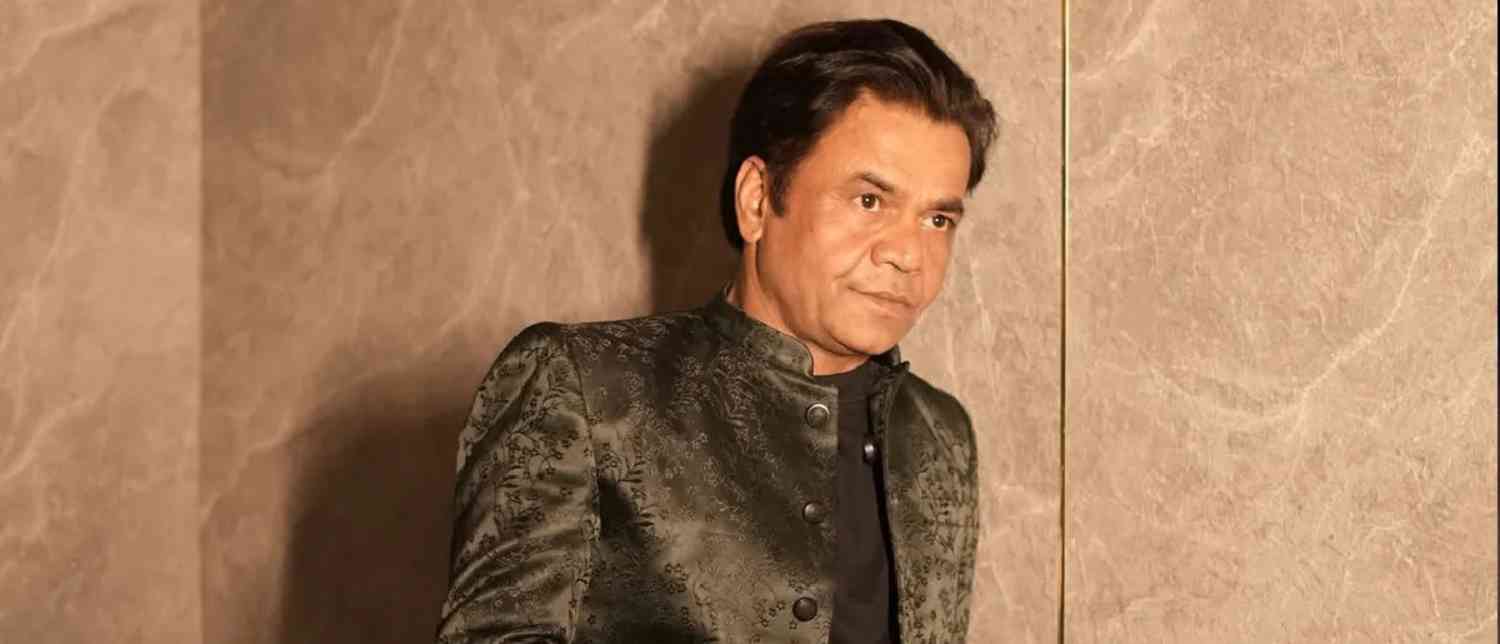
What began as a financial arrangement for a film project has turned into one of the longest-running legal troubles of actor-filmmaker Rajpal Yadav’s career. More than a decade after the release of Ata Pata Laapata, the comedian-actor is still fighting a cheque-bounce case connected to the movie’s financing.
The latest development came in the Supreme Court, where Rajpal Yadav personally appeared and offered a fresh plan to settle the outstanding liability. He brought demand drafts worth ₹1.15 crore and proposed that another ₹85 lakh be arranged through the sale of an ancestral property.
The Supreme Court has directed that ₹2 crore be deposited as part of the immediate settlement effort, while warning Yadav that repeated failures to honour earlier commitments could have serious consequences.
For Rajpal Yadav, however, the dispute is about much more than the amount at the centre of the cheque-bounce proceedings. During the hearing, he claimed that the fallout from the Ata Pata Laapata dispute had cost him crores in lost earnings and damaged his professional image.
How the ₹5 Crore Ata Pata Laapata Dispute Began
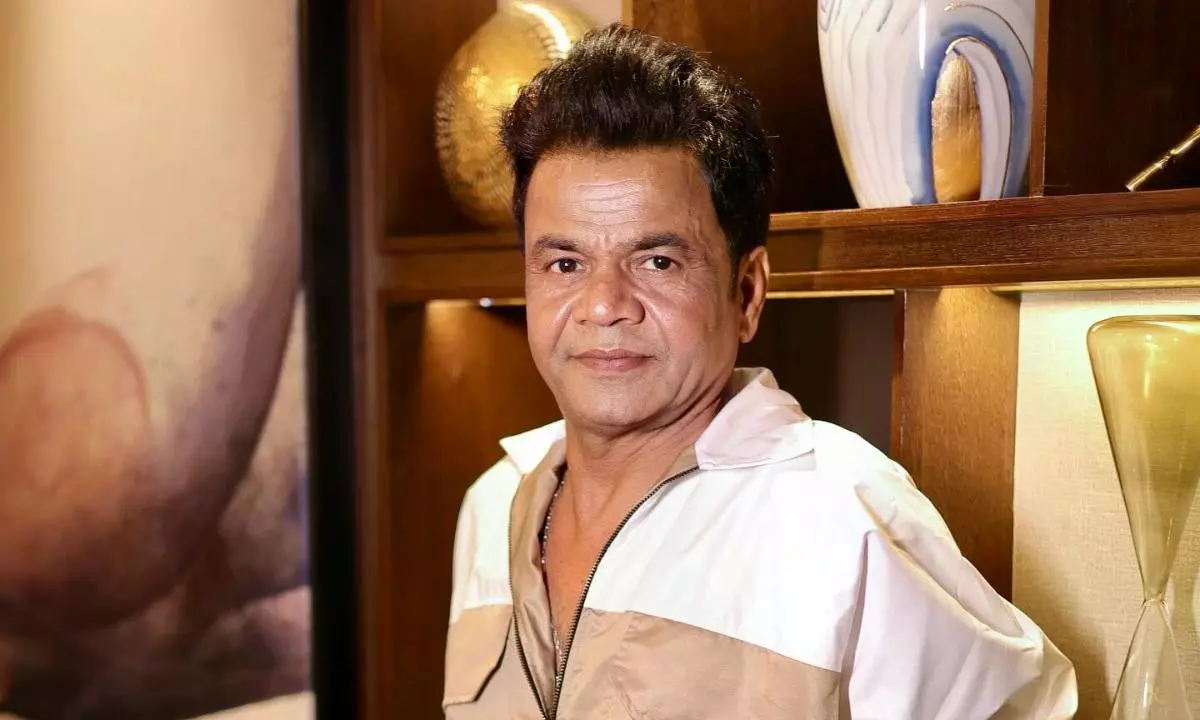
The controversy dates back to the financing of Ata Pata Laapata, Rajpal Yadav’s directorial venture released in 2012.
According to details placed before the courts, Yadav and his wife had received around ₹5 crore from Murli Projects in connection with the production of the film. As the project encountered difficulties and could not progress according to the original understanding, the parties entered into a series of agreements to restructure the financial arrangement.
The dispute eventually centred on cheques issued during the course of those arrangements.
Yadav has argued that a later consent agreement changed the terms of the earlier arrangement and that the original security cheques should have been returned. His legal challenge maintains that the cheques subsequently presented for payment were no longer valid because the later agreement had superseded the earlier one.
Seven of the cheques were allegedly dishonoured, leading to criminal complaints under Section 138 of the Negotiable Instruments Act.
That transformed a disagreement over a film loan into a prolonged cheque-bounce case that travelled through several levels of the Indian judiciary.
From Film Financing Dispute to Criminal Proceedings
The legal consequences became increasingly serious for Rajpal Yadav.
A sessions court convicted the actor in May 2024 and initially sentenced him to six months in prison. The Delhi High Court later suspended the sentence after assurances were given regarding payment and settlement, with the dispute also being referred for mediation.
However, the proposed settlement repeatedly ran into difficulties.
The courts noted that Yadav had made several commitments to deposit money but had not consistently followed through on them. At one stage, he sought permission to pay ₹2.5 crore in instalments.
The situation escalated again in February 2026, when the Delhi High Court directed him to surrender after finding that its earlier directions had not been complied with. Yadav surrendered on February 5.
He subsequently obtained interim relief after depositing ₹1.5 crore with the complainant. But further difficulties in meeting payment commitments eventually led to a three-month imprisonment order.
Yadav then approached the Supreme Court, challenging both the sentence and the underlying cheque-bounce proceedings.
Why Rajpal Yadav Says ₹5 Crore Became a ₹22 Crore Burden
At the Supreme Court hearing, Rajpal Yadav offered a striking account of the financial impact of the dispute.
The actor claimed that around ₹17 crore of his own money had become stuck because of the Ata Pata Laapata controversy. He also said that the broader consequences had affected his career and professional reputation.
Yadav told the court that the original financial dispute involving around ₹5 crore had eventually grown into a liability of approximately ₹22 crore when the wider consequences were considered.
He also claimed that he had suffered losses running into hundreds of crores over the years and that his career had been affected by the prolonged controversy.
According to his account, the film was expected to have a much wider theatrical release but faced serious setbacks. He alleged that a press conference held against him damaged the film’s release prospects, saying that a movie intended for around 1,200 theatres failed to secure a theatrical release in the manner he had expected.
For Yadav, therefore, the case is not simply a story of an unpaid loan. He has portrayed it as a chain reaction in which a dispute over film financing eventually affected his finances, career opportunities and public image.
Rajpal Yadav Offers Ancestral Property to Settle Case
The latest Supreme Court hearing brought a new development to the long-running dispute.
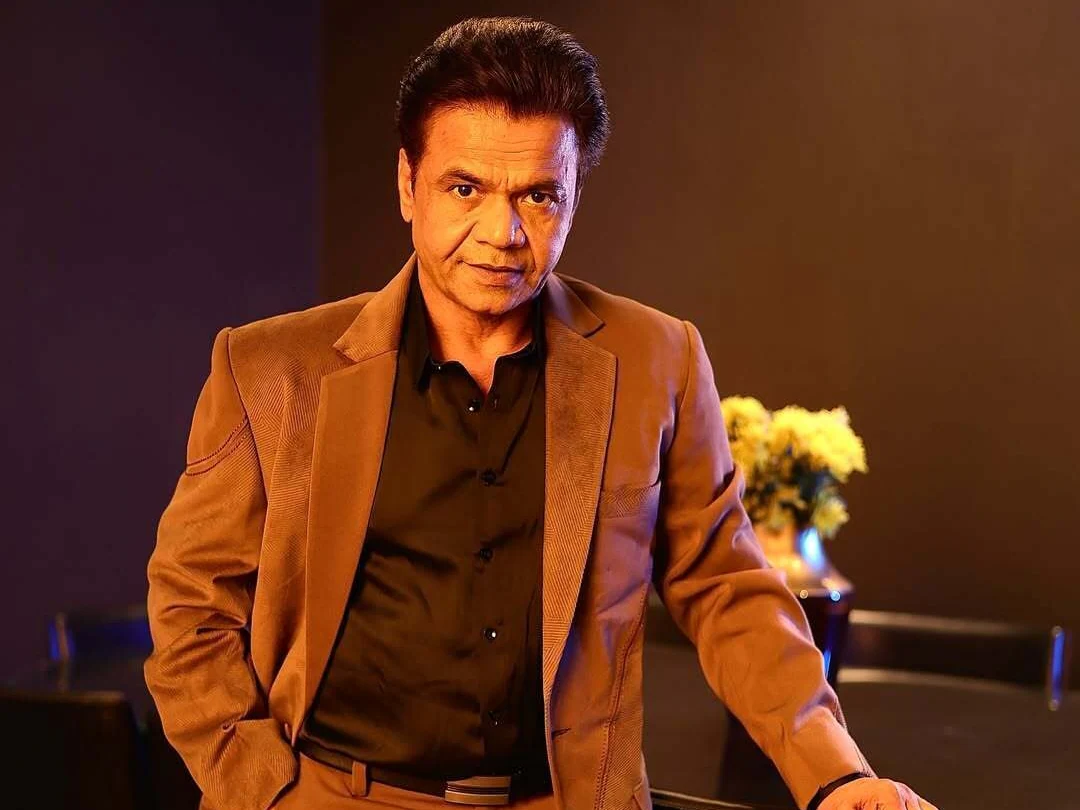
Rajpal Yadav appeared personally before a bench headed by Chief Justice of India Surya Kant, along with Justices Joymalya Bagchi and V. Mohana.
His immediate proposal was to arrange ₹2 crore.
Yadav produced demand drafts worth ₹1.15 crore. For the remaining ₹85 lakh, a prospective buyer of his ancestral property was present and indicated that the amount could be deposited with the Supreme Court Registry.
The property is reportedly valued at more than ₹30 crore.
The proposal was significant because it provided a concrete route towards making the immediate payment sought by the court. The Supreme Court took note of the arrangement and allowed the payment plan to proceed, while the remaining financial obligations are expected to be addressed through a structured repayment schedule.
The development also underlined how far the case has progressed from its original ₹5 crore starting point.
Supreme Court Warns Rajpal Yadav Over Repeated Delays
While the court gave Yadav another opportunity to arrange the money, the hearing was far from a clean slate for the actor.
Justice Joymalya Bagchi expressed displeasure over what the bench viewed as repeated failures to honour earlier commitments. The court warned that the three-month sentence imposed by the Delhi High Court could potentially be enhanced to as much as two years.
The warning made one point clear: the latest opportunity should not be interpreted as the court accepting Yadav’s conduct or agreeing with his legal arguments.
The immediate priority of the Supreme Court is to ensure that the complainant receives the money due.
Yadav’s challenge regarding the validity of the cheques and the legal maintainability of the proceedings remains a separate issue. His argument is that the later 2013 consent agreement superseded the earlier arrangement and therefore affected the validity of the security cheques that became the basis of the complaints.
The Supreme Court has so far placed considerable emphasis on repayment while considering his request for relief.
A Light Moment During a Serious Court Hearing
Despite the seriousness of the case, the Supreme Court hearing also featured a lighter exchange between the bench and the actor.
Chief Justice Surya Kant asked Yadav whether he was working on anything new and encouraged him to return to filmmaking and entertainment.
The Chief Justice suggested that making a good movie and entertaining audiences could help rebuild his image.
Yadav responded by saying that the extraordinary experience of the past several years had itself given him an idea for a film. He indicated that he and his team had discussed turning the episode into a story.
The exchange was striking given the circumstances. An actor best known for making audiences laugh was appearing before the country’s highest court over a dispute that he says had consumed years of his life and affected his professional standing.
What Happens Next in the Rajpal Yadav Case?
The immediate focus is on the ₹2 crore payment.
Yadav has already arranged ₹1.15 crore, while the remaining ₹85 lakh is expected to come through the prospective buyer associated with the ancestral property. Once the immediate payment is completed, the Supreme Court is expected to consider the next steps concerning the remaining liability and Yadav’s challenge to the Delhi High Court order.
For Rajpal Yadav, the outcome could determine whether the long-running Ata Pata Laapata cheque-bounce case finally moves towards a settlement or continues through another phase of litigation.
What started with approximately ₹5 crore borrowed for a film has already evolved into a dispute involving years of court proceedings, imprisonment orders, repayment commitments and claims of much larger financial and professional losses.
Now, with an ancestral property potentially being sold to fund the settlement, the actor is making another attempt to close a chapter that has followed him for more than a decade.
The case is also a reminder of how a financial dispute in the film industry can escalate when repayment arrangements, security cheques and settlement agreements become entangled in prolonged litigation. For Rajpal Yadav, the hope now appears to be that resolving the immediate financial obligation will allow him to finally put the Ata Pata Laapata controversy behind him and concentrate on rebuilding his career.
© Copyright 2026. All Rights Reserved. Powered by Vygr Media.