 By

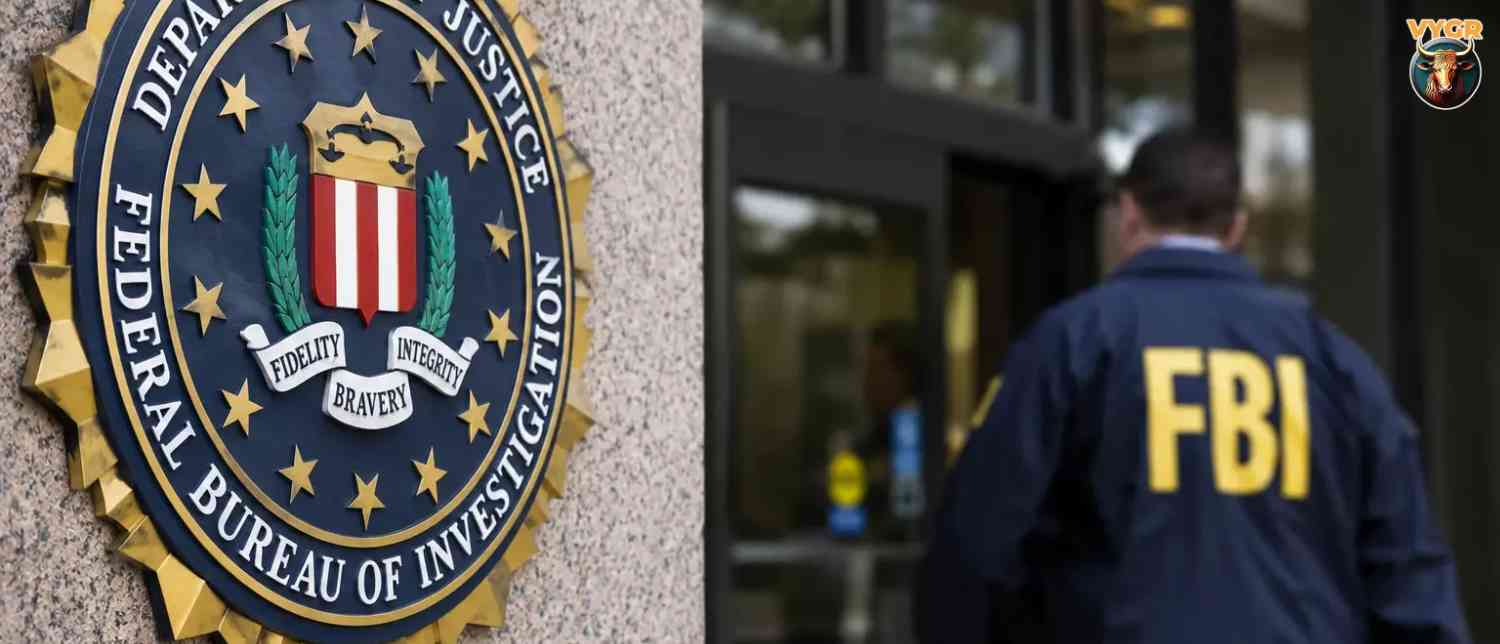
The FBI is investigating an apparent breach of the National Crime Information Center (NCIC), according to US media reports citing people briefed on the matter. The NCIC is the nationwide database that police across the country use to check warrants, find wanted fugitives, and run background checks. The reported intrusion has raised alarm about officer safety and data integrity, and it lands in the middle of an already tense week for American cybersecurity.
The FBI has not publicly commented, and the full scope of the incident is still unknown.
What Has Been Reported
The first reports emerged on Friday, November 20. Two people briefed on the issue said the bureau is looking into an apparent intrusion by suspected hackers. Another report later cited three sources familiar with the matter.
Here is what is and is not known so far:
- Known: The FBI is reportedly investigating the incident and trying to identify the point of unauthorised entry.
- Unclear: What information, if any, was accessed, copied, or changed.
- Unknown: Who is behind the intrusion, and what their motive was.
- Unconfirmed: The FBI has not publicly confirmed the breach or its impact on operations.
No formal attribution has been issued by federal authorities.
What Is the NCIC and Why Does It Matter?
The NCIC has been a core law enforcement tool since 1967. It is not a passive archive. It is a live system that connects federal, state, and local agencies so officers can get critical information within seconds. Its records cover:
- Outstanding arrest warrants and wanted persons
- Missing persons reports
- Stolen vehicles, firearms, and other property
- Protection orders
- The sex offender registry
- Records showing whether someone failed a firearm background check
A former FBI official described the system as something officers rely on every day to identify wanted fugitives, check warrants, and access information that directly affects officer and public safety. Every traffic stop and welfare check in the US can depend on what the database says.
The Main Fear: Altered Records, Not Just Stolen Data
When most people hear “database hack,” they think of stolen personal information. In this case, experts are pointing to a different and potentially more dangerous risk: tampering.
A former FBI official warned that hackers could compromise the accuracy of the information officers rely on. A retired FBI agent made a similar point, saying altered records could endanger officers at traffic stops. For example:
- A dangerous wanted suspect could be shown as having a clean record, leaving an officer unprepared.
- An innocent person could be falsely flagged as armed or wanted, raising the risk of a tense or dangerous encounter.
- A warrant or protection order could be deleted, letting a person at risk slip through the system.
There is no public evidence so far that any records were altered. Still, this is why investigators will focus on whether intruders had the ability to write or modify data, not just read it.
If data was accessed, privacy would be a second concern. The database holds sensitive details about people in the justice system, including victims covered by protection orders and missing persons.
The Second Reported FBI Breach in Recent Months
This is being described as the second reported cybersecurity incident involving the FBI since September.
The September incident. In late September, the extortion group ShinyHunters claimed it had broken into the FBI’s recruitment portal. The group said it had stolen sensitive data on nearly all FBI agents and on people who had applied for jobs with the bureau, and it defaced the jobs website. It said it got in by exploiting a previously unknown flaw in Oracle’s PeopleSoft software, and reports say the weak point sat with a third-party platform tied to the jobs site. A sample of the data reviewed by journalists reportedly covered about 5,000 purported agents and included names, addresses, phone numbers, and details about spouses. The group said its motive was not money but a dispute over an earlier FBI advisory that described how it extorts victims.
The FBI said at the time that it was aware of the claims and was investigating.
Is it connected? Nothing so far links ShinyHunters, or the September incident, to the NCIC intrusion. The two cases may be entirely separate.
Not the First Time the FBI Has Been Targeted
The bureau has faced hackers before. In November 2021, a hacker compromised the FBI’s external email system and sent thousands of fake messages warning of a cyberattack, showing how even a major security agency can be exposed through a single weak system.
A Tense Week for US Cybersecurity
The NCIC report arrived alongside several other developments, which have fed a broader sense of unease.
USDA breach. The US Department of Agriculture told employees on Thursday that hackers had accessed a system used to make payments to farmers. Former officials warned the intrusion could give attackers a route to more sensitive material, such as food safety data and research on diseases that spread from animals to humans. There is no confirmation that such information was reached, and the attackers have not been identified. A farm union said the disruption appeared to be in its fifth day and was hitting farmers at a critical time of year.
A wave of outages. Between November 12 and 17, a series of major technology failures hit Microsoft, the Federal Aviation Administration, JPMorgan Chase, United Airlines, Apple, and the National Security Agency’s internal classified network. The aviation failure led to a nationwide ground stop of about four and a half hours. Officials said they found no evidence of a coordinated or state-sponsored attack, and blamed causes such as a faulty router, software defects, routine maintenance, and ageing systems.
Leadership shake-up. The administration also removed its top cybersecurity official on Thursday, as criticism mounted over the string of failures.
It is important to separate these events. The FBI and USDA incidents are being described as hacks, while the outages are officially attributed to technical faults rather than attacks. Even so, the timing has deepened public concern about the security of critical systems.
Trump’s Reaction
Asked about the FBI breach in a television interview on Saturday, President Donald Trump said he had only just heard about it. He called the situation not good and said he did not like it. He then suggested that the incident could end up revealing things that would not have come to light otherwise.
What Investigators Will Look At
In an incident like this, the key questions typically include:
- Entry point: Did attackers exploit a software flaw, stolen credentials, or a weakness in a connected third-party system?
- Level of access: Could they only view records, or could they modify or delete them?
- Data exposure: Which records were touched, and do they include personal details?
- Attribution: Is this a criminal group, a state-linked actor, or an insider?
- Ripple effects: Do state and local systems that connect to NCIC need extra checks?
Law enforcement agencies that use the database may also increase manual verification of critical records until the bureau provides clarity.
Why This Story Matters Beyond the FBI
The NCIC sits at the centre of everyday policing. If its integrity is in doubt, the effects can reach police departments, courts, and communities nationwide. The incident also highlights a recurring weakness in cybersecurity: attackers often get in through third-party suppliers or connected systems rather than the main target itself.
For the public, the reassuring fact is that investigators are looking into the matter. The uncomfortable one is that, at this point, the answers to the most important questions have not been made public.
© Copyright 2026. All Rights Reserved. Powered by Vygr Media.