 By

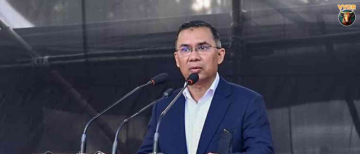
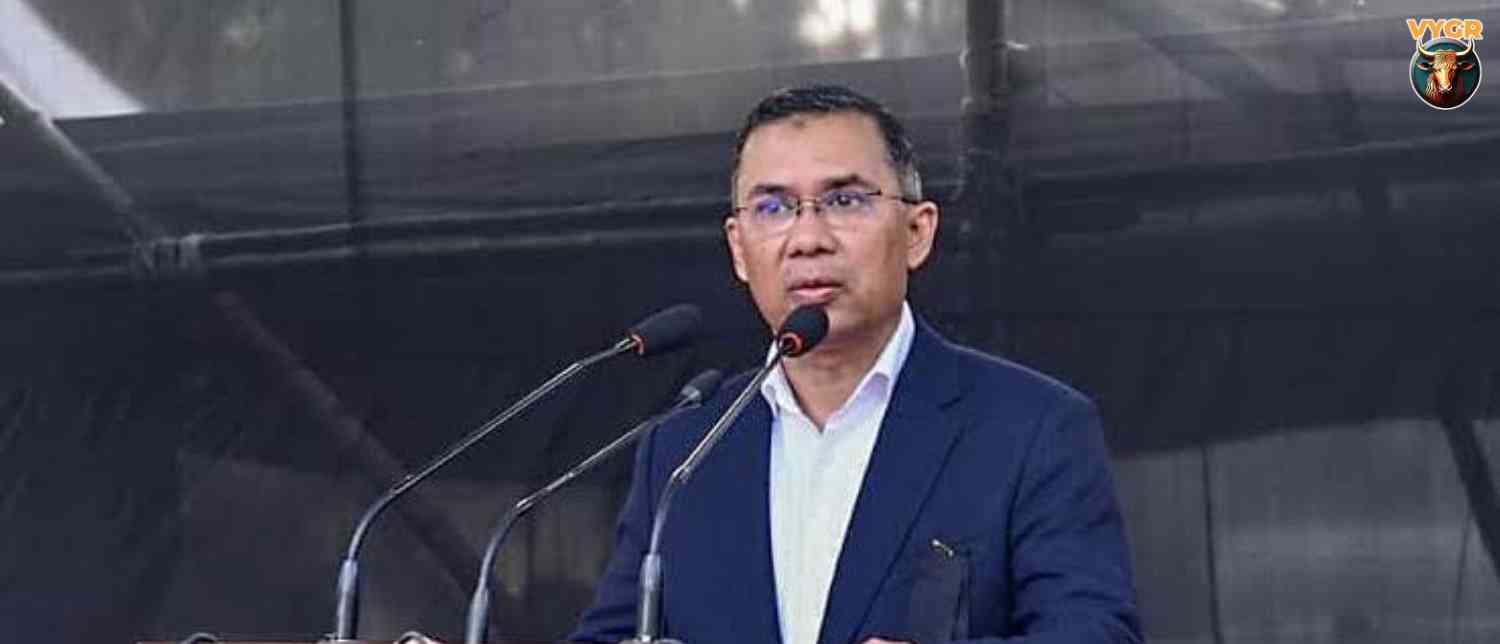
Bangladesh Prime Minister Tarique Rahman has accused former Prime Minister Sheikh Hasina and her Awami League supporters abroad of fuelling violence across the country. Speaking at a rally on Thursday, he said Bangladeshis no longer want politics associated with arson, enforced disappearances and killings. His reference to a country “across the border” and its “masters” has been widely read as a veiled dig at India, though he did not name it.
What makes the remarks particularly noteworthy is the timing. They came on the day the banned Awami League called a nationwide shutdown, amid a wave of arson, bomb explosions and clashes, and with Hasina saying she intends to return home from exile in December.
What Tarique Rahman Said
Addressing a public meeting in Lalmonirhat district, organised by the local unit of his Bangladesh Nationalist Party (BNP), Rahman launched a sharp attack on Hasina and her party. “Enough is enough,” he said, adding that the country must give a clear answer to those he called terrorists, arsonists and killers.
He said a group had started conspiring against the country and had fled across the border. The country they have fled to, he said, is where their masters are, and they are conspiring to keep those masters happy. He added that even after fleeing, they had restarted a politics of arson and killing.
Rahman did not name India, but Hasina has been living there since she was ousted after the 2024 uprising. Reports describe the comment as an oblique reference to India.
Rahman’s Remarks in Parliament
The Lalmonirhat speech followed his address to Parliament a day earlier, at the close of its fourth session. There he accused Hasina and her supporters of orchestrating sabotage, arson and threats against political opponents, including in Gopalganj, her birthplace and a longstanding Awami League stronghold.
He also alleged that the former prime minister had told supporters to burn opponents’ homes and prepare lists of people to be killed. He called the Awami League a “terrorist group” and urged democratic forces to unite against it. These are allegations by the government, and the Awami League has not been quoted in the reports I found.
Unrest Across Bangladesh
The remarks came as the country faced fresh unrest. Crude bomb explosions, arson attacks and clashes were reported in several places ahead of the shutdown called by the Awami League.
In Gopalganj, protesters reportedly attacked a police station in Tungipara, set security vehicles on fire and damaged the homes of BNP politicians. This followed the arrests of suspected Awami League activists. Reports also say the ancestral home of Nobel laureate Muhammad Yunus, who headed the interim government after Hasina’s ouster, was set on fire the previous night.
The government deployed 97 platoons of the Border Guard Bangladesh and detained 107 people in Dhaka as tensions rose.
Why Hasina’s Possible Return Is the Flashpoint
The shutdown capped a week of protests against the government’s decision to reject Hasina’s request for a new passport and identity document, which she needs in order to return. Hasina has said she plans to come back in December, and the prospect has sharpened the confrontation between her supporters and Rahman’s government.
The Awami League, which governed for about 15 years under Hasina, was banned in May 2025 under the Anti-Terrorism Act. Its leaders and activists, however, continue to hold sudden programmes in different places, and many top leaders are reported to be in hiding. Police have been deployed to stop these activities.
The India Angle
Hasina’s stay in India has strained ties between the two neighbours. A Bangladeshi tribunal sentenced her to death in absentia last year over her crackdown on the July 2024 protests. Dhaka has asked New Delhi to honour its extradition request. India has acknowledged receiving it but has not formally responded.
Against this backdrop, Rahman’s “masters” remark adds to the friction. Supporters of the government will see it as a plain statement about where the Awami League’s leadership is sheltering. Others may see it as political rhetoric at a tense moment. I did not find any official Indian response to the remark.
Rahman’s Appeal for Unity
Rahman also called on the political parties that took part in the July uprising to stand together. He urged citizens to resist what he described as renewed violence by the Awami League. The appeal suggests the government wants to present the confrontation as a defence of the uprising’s gains rather than as a contest between two parties.
What to Watch Next
- Whether the unrest eases or worsens as Hasina’s planned December return approaches
- Any response from India or the Awami League to Rahman’s remarks
- Security measures and arrests, especially in Dhaka and Gopalganj
- Developments on the extradition request and on Hasina’s passport application
- How ties between Dhaka and New Delhi hold up under the pressure
For Bangladesh, the immediate concern is restoring calm. For the wider region, the episode is a reminder of how closely the country’s domestic politics is tied to its relationship with India.
© Copyright 2026. All Rights Reserved. Powered by Vygr Media.