 By

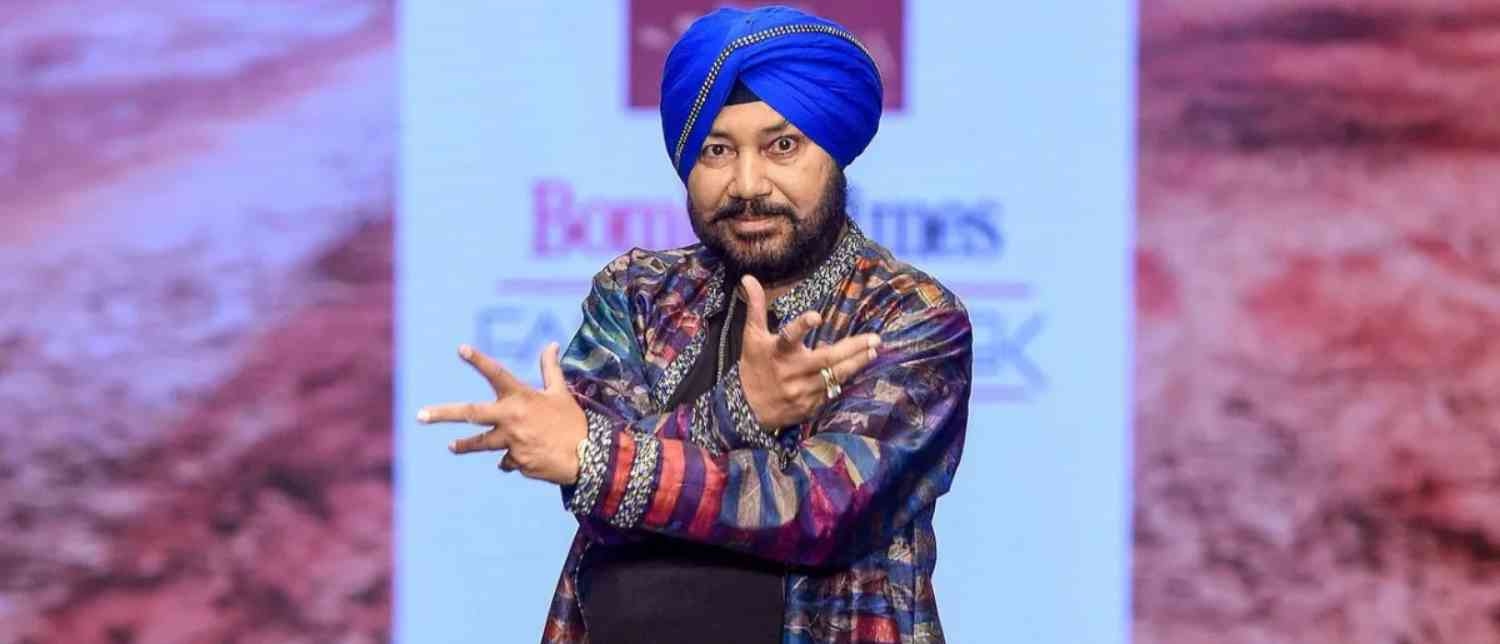
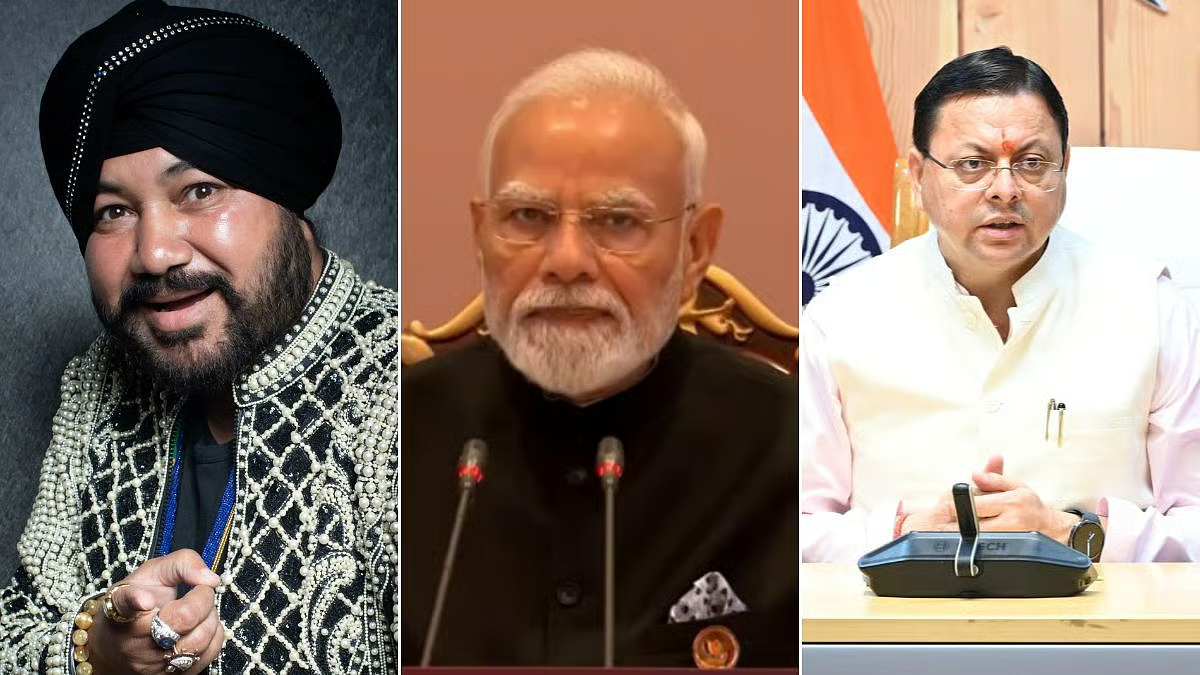
A controversy that began with a disrupted musical performance in Uttarakhand has escalated into a wider debate over an artist’s dignity, public accountability and the conduct of elected representatives. Chief Minister Pushkar Singh Dhami has stepped in to defuse the growing row involving Punjabi singer Daler Mehndi and state Cabinet Minister Subodh Uniyal, urging all sides to resolve their differences through dialogue.
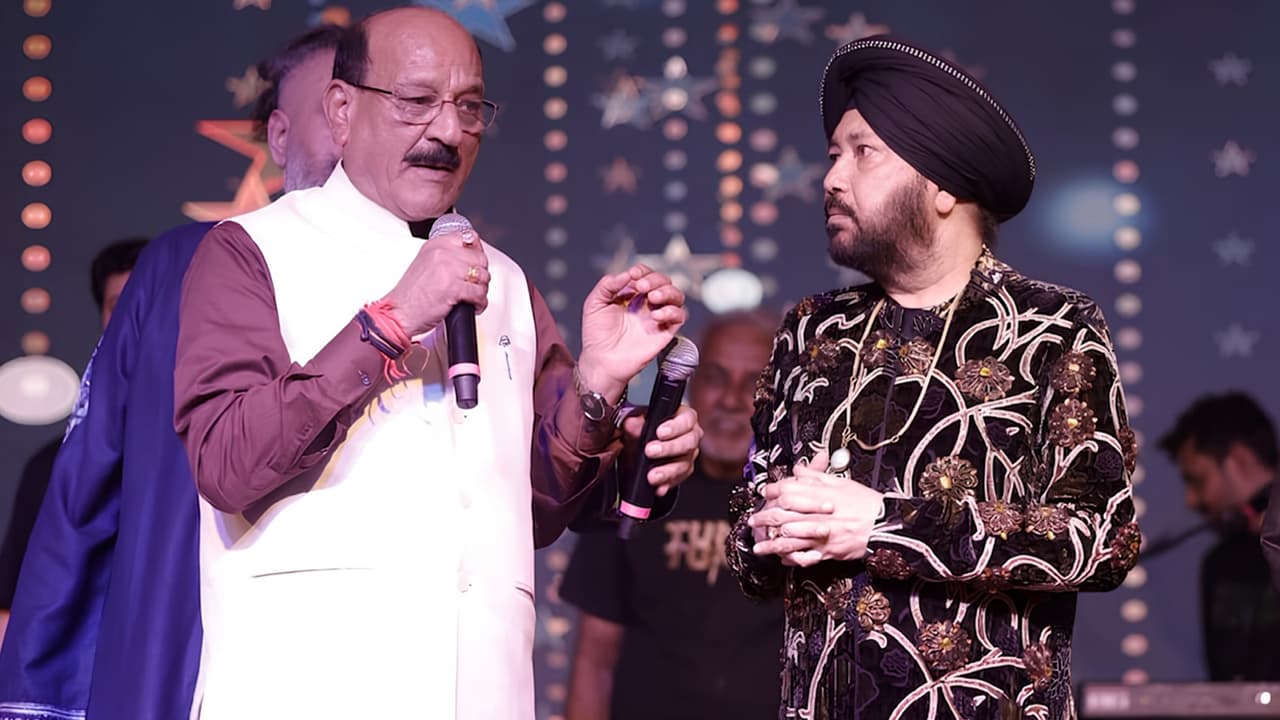
The dispute erupted after Uniyal confronted Daler Mehndi during a performance at the Siddhpeeth Maa Kunjapuri Tourism and Development Fair in Tehri Garhwal on October 18. The minister questioned the singer’s ability to perform, alleged that he was under the influence of alcohol and accused him of lip-syncing instead of singing live.
A video of the exchange quickly went viral, triggering widespread reactions from the entertainment industry and social media users. While several celebrities defended the veteran singer and criticised the public confrontation, others raised questions about performers’ responsibilities towards audiences and event organisers.
The controversy intensified when singer Mika Singh demanded an apology for the allegations against his elder brother, prompting Dhami to intervene in an attempt to bring the dispute to a close.
Pushkar Singh Dhami Calls for Dialogue to End the Daler Mehndi Row
On October 22, Uttarakhand Chief Minister Pushkar Singh Dhami said he would speak to Daler Mehndi and Mika Singh, whom he described as good friends. He stressed that Uttarakhand respects artists and that the controversy should not be allowed to escalate further.
Dhami subsequently spoke to Mika Singh over the phone and called for any misunderstanding to be resolved through mutual dialogue and cordiality. He also invoked Uttarakhand’s traditional ethos of Atithi Devo Bhava, which emphasises treating guests with respect.
The chief minister maintained that the state welcomes artists from across India and abroad and remains committed to promoting art, culture and creative expression.
Dhami also referred to Uniyal’s explanation that he had not known the singer was unwell at the time of the performance. According to the chief minister, the minister had clarified that he did not intend to insult Daler Mehndi.
His intervention reflects an effort to contain the fallout before the incident damages Uttarakhand’s reputation as a destination for cultural programmes and entertainment events.
However, the call for reconciliation has not erased the central question driving the controversy: whether the minister’s concerns about the performance justified confronting an established singer in front of a live audience.
What Happened at the Kunjapuri Mela?
The incident took place on the evening of October 18 during the annual Siddhpeeth Maa Kunjapuri Tourism and Development Fair, popularly known as the Kunjapuri Mela, in the Narendra Nagar area of Tehri Garhwal.
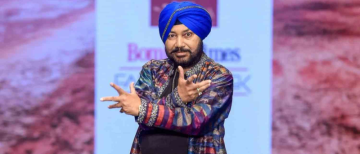
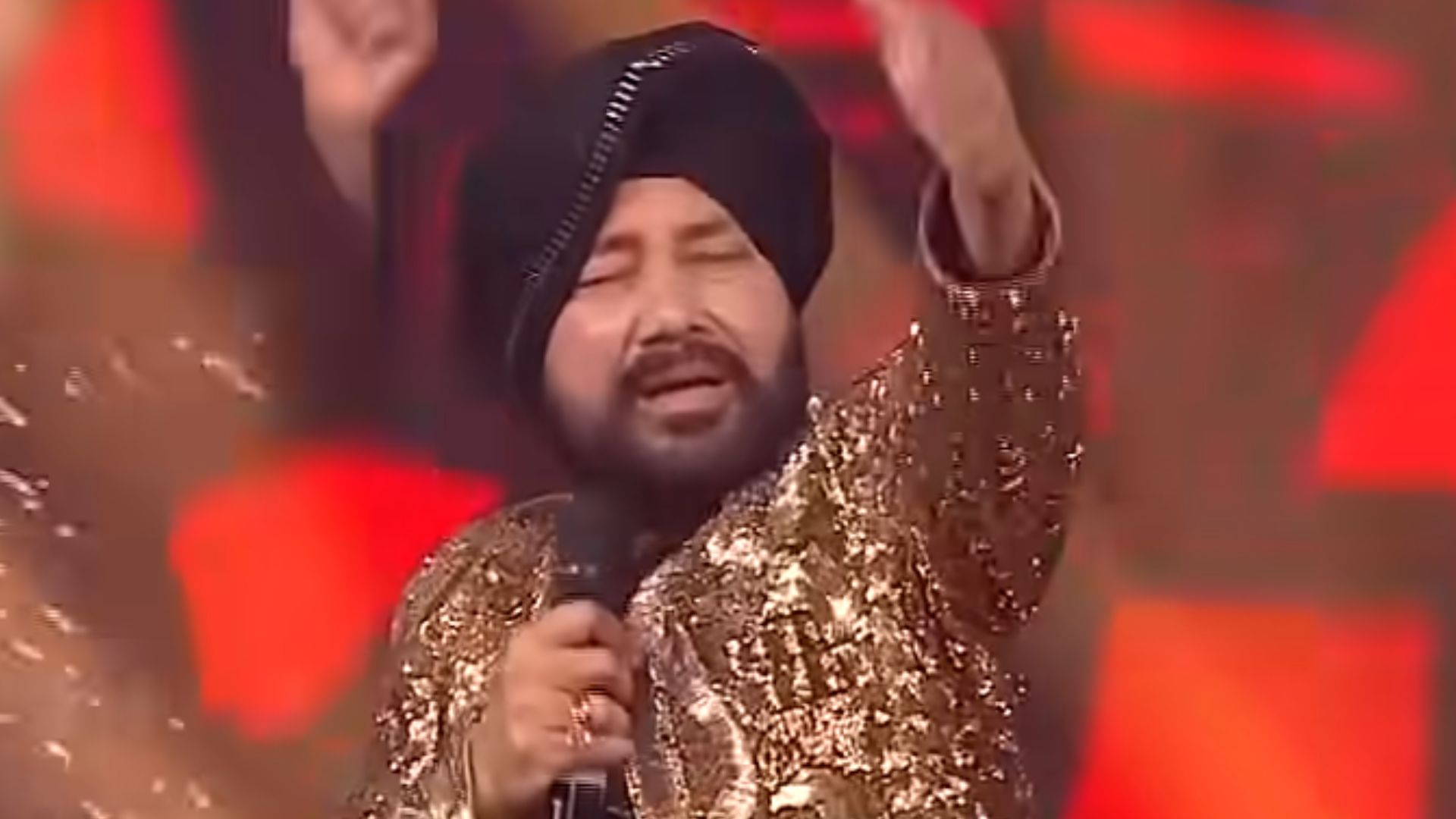
Daler Mehndi, one of the prominent voices associated with the rise of Punjabi pop music in the 1990s, had been invited to perform as part of the cultural programme held during Navratri celebrations.
During the performance, Subodh Uniyal walked onto the stage and questioned the singer’s condition and ability to entertain the audience. The minister alleged that Mehndi was not singing live and appeared to be relying on a pre-recorded track. He also suggested that the singer might be intoxicated.
In the widely circulated video, Uniyal can be seen expressing dissatisfaction with the performance, while Mehndi appears to struggle to respond and is heard apologising.
The minister later defended his intervention, saying he believed the audience had come to hear Daler Mehndi himself rather than his accompanying team. As the local legislator and patron of the fair committee, Uniyal said he had faced pressure from people who were unhappy with what they were witnessing.
He also claimed that the singer had been paid ₹35 lakh in advance for the performance, arguing that someone who was not in a condition to perform should have declined the invitation.
Importantly, the allegation that Daler Mehndi was intoxicated has not been independently verified. The available video and the minister’s statements do not, by themselves, establish that the singer had consumed alcohol.
The distinction matters because criticism of a performance and an allegation about a person’s condition are not the same thing. The former can be a matter of professional judgment; the latter requires evidence.
Subodh Uniyal Defends His Actions Amid Growing Criticism
As criticism mounted, Uniyal stood by his decision to intervene. He said he had perceived that Mehndi was struggling to stand or perform properly and believed the situation warranted a response.
The minister also argued that if the singer was suffering from health problems, he should have informed the organisers beforehand or declined to perform.
His defence centred on professional accountability and the expectations attached to a high-profile public engagement. From the organisers’ perspective, inviting a nationally recognised performer involves financial commitments, logistical preparation and the expectation that the advertised programme will meet audience expectations.
Nevertheless, the manner in which Uniyal expressed his concerns became a major source of criticism.
Instead of allowing organisers to address the issue privately or waiting until the performance ended, the minister questioned the singer on stage, in front of spectators and cameras. Once the video spread online, the incident stopped being solely about the quality of a concert and became a debate about public conduct and respect.
Critics argued that even if the performance was disappointing, the concerns could have been handled without publicly humiliating the artist. Supporters of the minister’s position, meanwhile, pointed to the audience’s right to receive the performance it had been promised.
The controversy therefore involves two competing expectations: performers should honour their professional commitments, while organisers and public representatives should handle complaints fairly and proportionately.
Mika Singh Demands an Apology for His Brother
Mika Singh emerged as one of the strongest voices defending Daler Mehndi as the controversy gained momentum.
The singer challenged Uniyal’s allegations, insisting that his elder brother does not consume alcohol. He also said Daler Mehndi had recently undergone surgery and was recovering, offering a possible explanation for concerns about his condition during the performance.
Mika argued that his brother should not have been publicly embarrassed and called on the minister to acknowledge any mistake and apologise. He also appealed to Chief Minister Dhami to intervene and address the matter.
In his public response, Mika questioned why the minister had chosen to confront an established artist in front of spectators rather than address his concerns through the event organisers.
Actor Anupam Kher also supported Daler Mehndi, saying he had known the singer for decades and did not believe the allegations reflected his understanding of the artist. Kher acknowledged that he had not witnessed the Uttarakhand incident himself, but argued that any dissatisfaction with the performance could have been communicated privately.
Comedian Kapil Sharma and rapper Badshah also expressed support for the veteran singer.
Their reactions helped turn the Daler Mehndi controversy into a wider entertainment news story, drawing attention to the relationship between public figures, political authority and the treatment of artists during live events.
However, statements from family members and colleagues do not independently establish what caused the singer’s apparent difficulties on stage. His health, the quality of the performance and the minister’s allegations remain separate questions that should not be treated as interchangeable.
Why the Controversy Has Divided Opinion
Although the public confrontation has attracted criticism, the debate is not entirely one-sided.
Singer Sona Mohapatra offered a different perspective, arguing that respect for an established artist should not prevent legitimate criticism of a disappointing performance. Recalling an earlier concert by Mehndi in Delhi, she described concerns about the show’s quality and the disappointment experienced by audience members and organisers.
Her comments did not establish that the allegations made in Uttarakhand were true. Instead, they raised a broader question: how should the entertainment industry respond when a performer appears unable to meet professional expectations?
For audiences, a live concert represents more than the presence of a famous name. People invest time, money and emotional expectations in the experience. Organisers, meanwhile, commit resources to venues, production, promotion and artist fees. When a show does not meet reasonable expectations, they have a legitimate interest in seeking explanations.
At the same time, a disappointing performance does not automatically establish misconduct, intoxication or deliberate deception.
That distinction lies at the heart of the Daler Mehndi controversy. Professional accountability is important, but so are fairness, evidence and proportionality. A performer’s reputation does not make criticism unacceptable, just as a disappointing show does not justify unsupported personal allegations.
The question is not simply whether the audience deserved a better performance. It is whether the concerns could have been addressed without turning the incident into a public confrontation.
What the Daler Mehndi Row Means for Uttarakhand
The controversy also carries implications for Uttarakhand, a state that promotes its cultural heritage, religious tourism and public festivals.
Dhami’s emphasis on Atithi Devo Bhava reflects the importance of maintaining a welcoming environment for artists and visitors. High-profile cultural events can help attract audiences, generate tourism interest and strengthen a region’s cultural identity.
An incident involving a prominent singer and a senior minister can therefore have consequences beyond the individuals involved. Artists may become more cautious about accepting future engagements if they believe disagreements could result in public embarrassment. Organisers, meanwhile, need clear procedures for addressing concerns about performance quality, artist health and contractual obligations.
A more constructive approach would involve advance communication, contingency planning and established channels for resolving disputes. If an artist is unwell, organisers and management teams need a way to assess whether the programme can proceed, be modified or postponed. If a performance falls short, the parties should be able to discuss the issue without immediately escalating it into a personal confrontation.
Such safeguards would protect both performers and audiences while helping public events maintain professional standards.
The episode also highlights the risks of social media, where a brief video can rapidly shape public opinion before all relevant facts are known. Once allegations become widely circulated, later clarifications may struggle to receive the same attention.
Will the Daler Mehndi Controversy End After Dhami’s Intervention?
Dhami’s conversation with Mika Singh and his appeal for dialogue represent an important attempt to calm the situation. The chief minister has maintained that Uniyal did not intend to insult the singer and has suggested that the matter should now be put to rest.
Yet Mika Singh’s demand for an apology highlights the difference between an explanation and a resolution. While the minister has defended his actions and clarified his position, the singer’s family has questioned whether the public confrontation was appropriate in the first place.
As of October 22, the immediate focus remains on whether the parties can move forward without further escalation. Dhami’s intervention may provide an opportunity for that outcome, but a mutually accepted resolution cannot be assumed until the people involved agree that their concerns have been addressed.
Ultimately, the Daler Mehndi row is about more than a viral performance or a dispute between a singer and a politician. It raises difficult questions about artistic dignity, audience expectations, public accountability and the responsibilities that accompany positions of influence.
A fair resolution would recognise that audiences deserve professional performances, organisers deserve transparency and artists deserve to be treated with dignity. It would also distinguish observable shortcomings from allegations that have not been independently established.
For Uttarakhand, the episode offers an opportunity to demonstrate that disagreements at public events can be handled firmly without becoming spectacles. For the entertainment industry, it is a reminder that professional accountability and personal respect need not be opposing principles.
Whether the controversy fades following Dhami’s intervention will depend not only on calls for cordiality but also on whether the concerns surrounding the Kunjapuri Mela performance can be addressed fairly, responsibly and without further public recrimination.
© Copyright 2026. All Rights Reserved. Powered by Vygr Media.