 By

The 26/11 Mumbai terror attacks remain among the darkest chapters in India's history. Eighteen years after the horrific November 26, 2008, attacks, the wounds left by the coordinated assault on Mumbai have not entirely healed. The anniversary is not just an occasion to remember the 166 innocent people who lost their lives; it is also a moment to honour the courage of security personnel, recognise extraordinary acts of humanity and reflect on the unfinished pursuit of justice.
From tributes by India's political leadership to renewed calls for international cooperation against terrorism, the 18th anniversary of the Mumbai terror attacks has once again brought the country's fight against terrorism into focus.
But beyond official statements and solemn ceremonies, individual stories continue to give the tragedy a deeply human dimension. Among them is the remarkable account of a nurse who protected 20 pregnant women inside Cama Hospital while terrorists were attacking the premises. Her actions serve as a powerful reminder that courage does not always come from carrying a weapon. Sometimes, it comes from refusing to abandon those who depend on you.
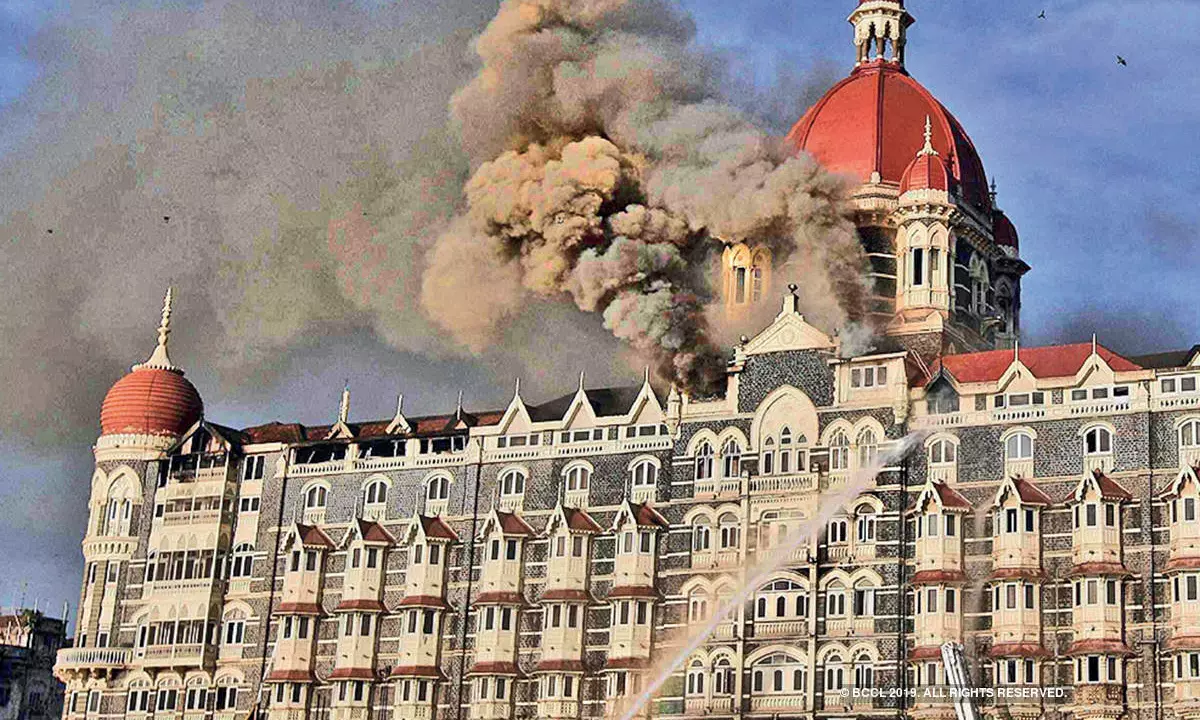
26/11 Mumbai Terror Attacks: What Happened on November 26, 2008?
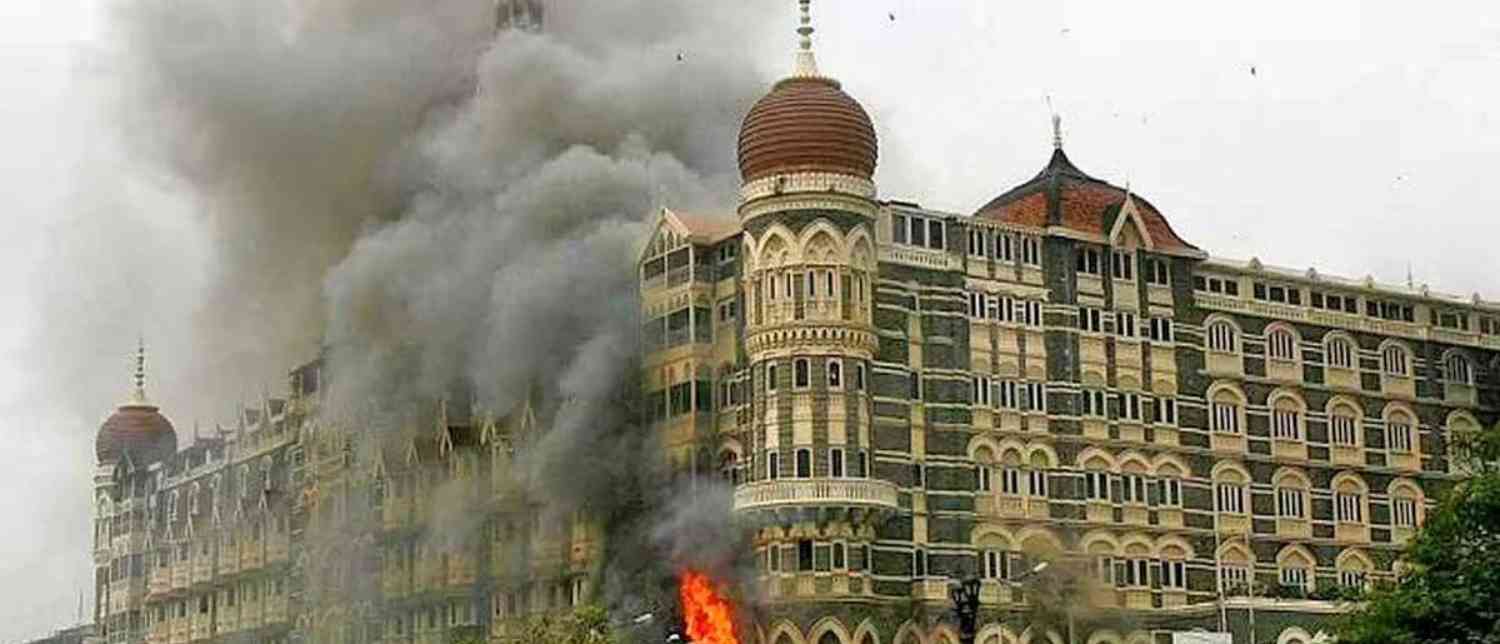
On the evening of November 26, 2008, 10 heavily armed terrorists belonging to the Pakistan-backed Lashkar-e-Taiba (LeT) entered Mumbai by sea and launched a series of coordinated attacks across the city.
Their targets included some of Mumbai's busiest public places and prominent landmarks, including the Taj Mahal Palace Hotel, Oberoi-Trident Hotel, Chhatrapati Shivaji Maharaj Terminus (CST), Nariman House, Leopold Cafe, Cama and Albless Hospital and Metro Cinema.
The attackers deliberately targeted locations frequented by ordinary citizens, international visitors and business travellers. The assault quickly turned into a prolonged hostage crisis and a battle between terrorists and Indian security forces.
The attacks continued until the morning of November 29, 2008. For nearly three days, Mumbai remained gripped by fear as gunfire, explosions and images of burning buildings dominated television screens.
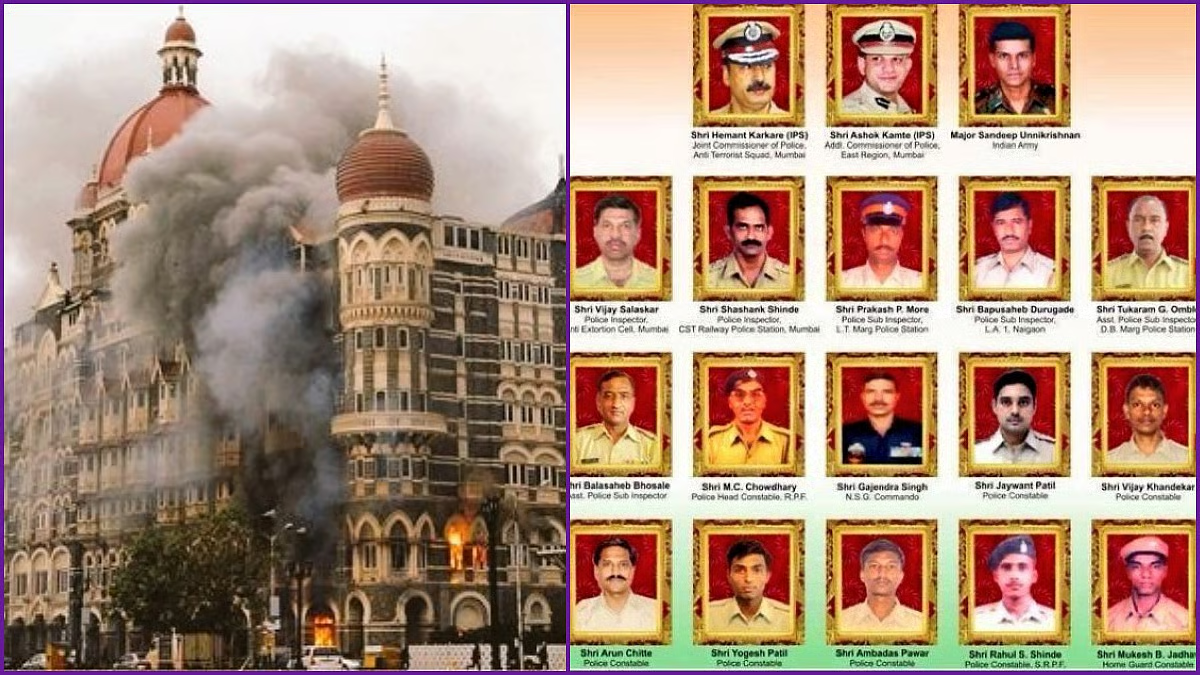
The human cost was devastating. A total of 166 people, including 140 Indian nationals and 26 foreign citizens, were killed, while around 300 others were injured. Eighteen police personnel and 12 members of the Taj Hotel's staff and security team were also among those who lost their lives.
Nine of the 10 terrorists were killed during the security operations. The only surviving attacker, Mohammad Ajmal Amir Kasab, was captured alive and subsequently tried by an Indian court. He was sentenced to death in May 2010 and executed at Yerawada Central Prison in Pune on November 21, 2012.
The operation also brought extraordinary acts of courage into the national spotlight. Police officers, security personnel, hotel employees, medical workers and ordinary citizens risked their lives to protect others.
The 26/11 Mumbai attacks were not simply an assault on a city. They were an attack on India's security, its people and the everyday freedom of citizens to move through public spaces without fear.
18th Anniversary: Political Leaders Pay Tribute to 26/11 Victims and Martyrs
As India marks 18 years of the Mumbai terror attacks, political leaders across the country have paid tribute to the innocent civilians and security personnel who lost their lives.
Maharashtra Governor Jishnu Dev Varma, Chief Minister Devendra Fadnavis and Deputy Chief Minister Sunetra Pawar joined the commemorations, paying floral tributes to the victims and remembering the police officers who made the ultimate sacrifice while defending Mumbai.
A ceremonial parade at the Mumbai Police Commissioner's office was also planned to honour the personnel who fought the terrorists during the 2008 siege. Maharashtra police officials and other dignitaries participated in the anniversary observances.
The tributes were not limited to Maharashtra. Union Home Minister Amit Shah and External Affairs Minister S Jaishankar also remembered the victims, reiterating India's determination to fight terrorism.
Their messages reflected a common sentiment: the country must never forget the lives lost, the bravery displayed by its security forces and the responsibility to ensure that those involved in terrorist activities are brought to justice.
The anniversary serves as a reminder that remembering 26/11 is not merely about looking back at a painful chapter in history. It is also about recognising the sacrifices that helped protect the country and strengthening the resolve to prevent similar tragedies in the future.
Amit Shah Reiterates India's Zero-Tolerance Policy Against Terrorism
Union Home Minister Amit Shah has described terrorism as one of the most heinous crimes against humanity while paying tribute to those killed in the 26/11 Mumbai terror attacks.
In his anniversary message, Shah remembered the innocent civilians who lost their lives and saluted the brave soldiers and security personnel who confronted the terrorists.
He also reiterated the Narendra Modi government's zero-tolerance policy towards terrorism, stating that India is playing a leading role in the global fight against terror and taking decisive action against different forms of terrorist threats and conspiracies.
Shah's statement underlines India's position that terrorism cannot be treated as an isolated security problem. It requires a coordinated response involving intelligence agencies, law enforcement authorities, international partners and governments across the world.
The 26/11 attacks demonstrated how a carefully planned terrorist operation could exploit security vulnerabilities and cause widespread destruction in a major international city.
For India, the anniversary is therefore an opportunity to reinforce the importance of stronger security preparedness, effective intelligence-sharing mechanisms and international cooperation.
Shah's remarks also carry a broader message: the fight against terrorism must continue beyond commemorative statements, with sustained efforts to identify terrorist networks, disrupt their operations and hold those responsible accountable.
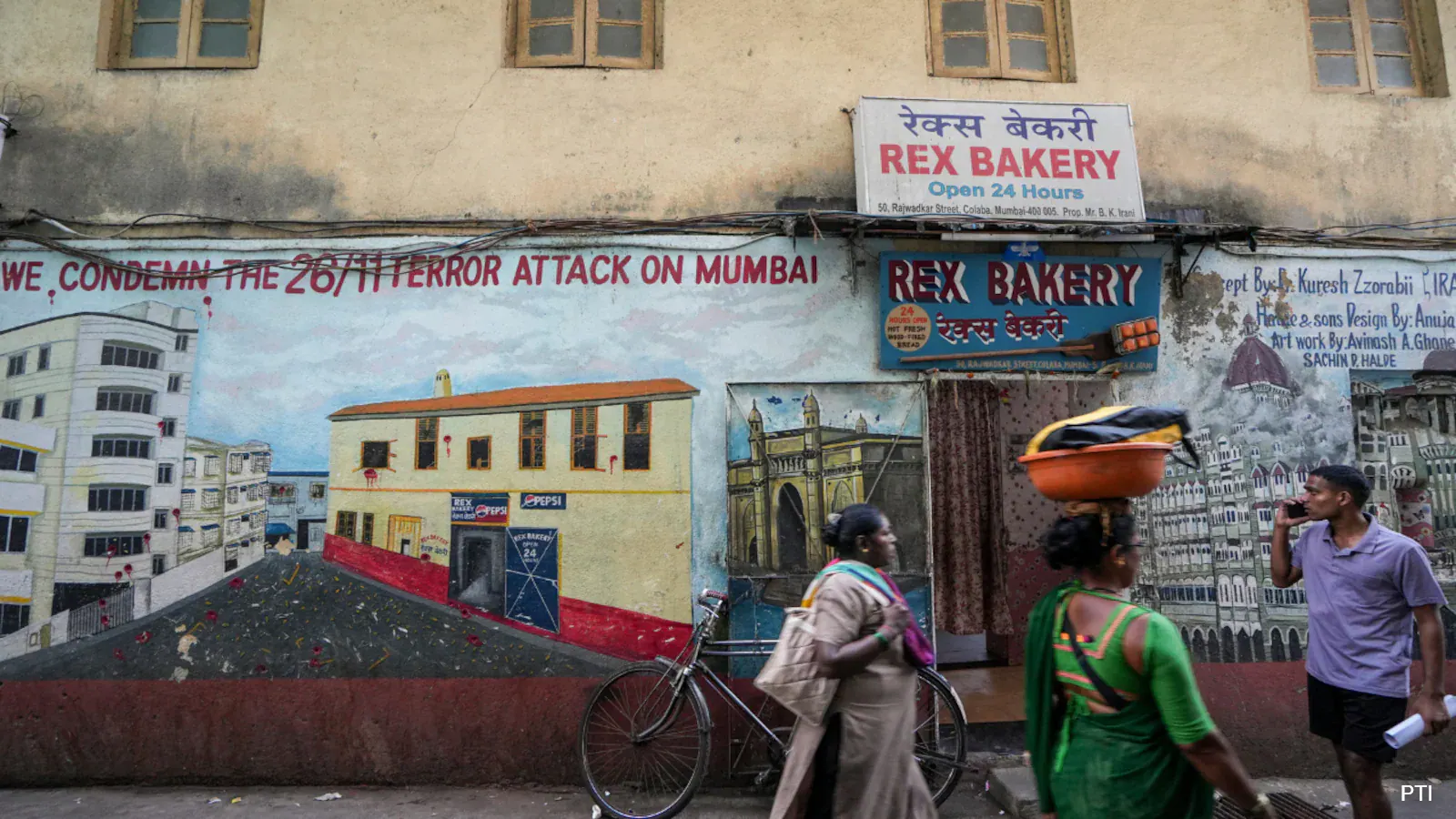
S Jaishankar Remembers Victims, Reaffirms India's Commitment to Fight Terrorism
External Affairs Minister S Jaishankar also paid tribute to the victims of the 26/11 Mumbai attacks, remembering the innocent people who lost their lives and saluting the security personnel who made the supreme sacrifice while defending the city.
In his message, Jaishankar reiterated India's commitment to combating terrorism in all its forms and manifestations and ensuring that those involved are brought to justice.
His statement reinforced India's longstanding position of zero tolerance for terrorism.
The External Affairs Minister's message is particularly significant in the context of India's diplomatic efforts to build international cooperation against terrorism. The 26/11 attacks had an international dimension, with foreign nationals among those killed and several prominent locations frequented by international visitors targeted.
The anniversary also highlights the importance of cooperation between countries in investigating terrorist networks, sharing intelligence and pursuing those who plan or support attacks across national borders.
US Ambassador to India Sergio Gor also expressed solidarity with India, remembering the victims, including six American citizens. He emphasised the importance of India-US law enforcement cooperation in ensuring that terrorists are brought to justice.
Such expressions of support demonstrate that the consequences of the Mumbai attacks extended far beyond India's borders. The tragedy affected families and communities across several countries, making international counter-terrorism cooperation an essential part of the pursuit of justice.
Eighteen years later, India's message remains consistent: the fight against terrorism requires unity, accountability and a sustained international commitment.
Ujjwal Nikam Raises Questions Over Justice for 26/11 Victims
While the anniversary has been marked by tributes and remembrance, it has also revived an important question: Has complete justice been delivered to the victims of the 26/11 Mumbai terror attacks?
Senior advocate and Rajya Sabha MP Ujjwal Nikam, who was closely associated with the prosecution in the Kasab case, has questioned whether India has succeeded in bringing all those responsible for planning and conspiring in the attacks to justice.
Although Ajmal Kasab was captured, prosecuted and executed, Nikam believes that the larger conspiracy behind the attacks remains an important issue.
His questions go beyond the punishment of the individual terrorist who was caught. They concern the masterminds, handlers and other individuals allegedly involved in planning and facilitating the attack.
The execution of Kasab marked an important milestone in India's judicial response, but it did not necessarily bring closure to the families of all 166 victims.
For those who lost loved ones, justice means more than punishing the person who directly carried out the violence. It also means ensuring accountability for everyone who helped organise, finance or support such an operation.
Nikam's remarks have therefore brought renewed attention to the unfinished aspects of the 26/11 investigation and the continuing demand for accountability.
The question remains particularly relevant as India marks the 18th anniversary of the tragedy: remembering the victims must go hand in hand with pursuing justice for them.
Iran Embassy in India Pays Tribute to 26/11 Victims, Highlights Mumbai's Resilience
The 18th anniversary of the Mumbai terror attacks has also received international attention, reflecting the global impact of the tragedy.
The Iranian Embassy in India honoured the victims of 26/11, sharing a powerful message about the resilience of Mumbai and its people.
The sentiment behind its tribute was particularly striking: terrorism may strike a city, but it can never take ownership of its spirit.
The message captures something fundamental about Mumbai's response to the November 2008 attacks.
Despite the destruction, fear and immense loss, the city gradually returned to everyday life. Businesses reopened, public spaces became active again and people continued with their routines.
However, resilience should not be confused with forgetting. The city's recovery does not erase the suffering of survivors, the memories of eyewitnesses or the grief experienced by families who lost their loved ones.
Mumbai's spirit is reflected in the courage of those who helped strangers, the determination of emergency responders and the collective strength of communities that refused to surrender to fear.
The Iranian Embassy's tribute adds an international dimension to this year's commemorations, reinforcing the message that terrorism is a threat to humanity and that solidarity against it must cross national boundaries.
Eighteen years later, Mumbai's resilience remains one of the strongest symbols of the city's refusal to be defined by terror.
Anjali Kulthe: The Nurse Who Saved 20 Pregnant Women During the 26/11 Attacks
One of the most remarkable stories of courage to emerge from the 26/11 anniversary is that of nurse Anjali Kulthe.
Among the many extraordinary stories from the Mumbai terror attacks, the experience of Anjali Kulthe at Cama Hospital stands out as an inspiring example of courage, presence of mind and humanity.
On the night of November 26, 2008, Kulthe was working the night shift in the hospital's antenatal ward. She was responsible for 20 pregnant women when news arrived that terrorists involved in the attack on Chhatrapati Shivaji Maharaj Terminus were moving towards the hospital.
Soon, gunshots could be heard from behind the building.
Looking outside, Kulthe realised that armed terrorists had entered the hospital premises after shooting security personnel.
With the lives of 20 pregnant women at stake, she had to act quickly.
Rather than allowing panic to take over, Kulthe moved all the women into a small pantry inside the ward. She switched off the lights, locked the area and instructed everyone to keep their mobile phones silent.
The women remained hidden as the attack unfolded around them.
But the situation became even more challenging when one of the pregnant women, a high-risk patient suffering from hypertension, went into labour.
With doctors unable to safely reach the ward because of the ongoing gunfire, Kulthe took the responsibility of escorting the woman to the labour room.
Despite the terrifying circumstances, the woman successfully delivered her baby.
The child was later named 'Goli', meaning bullet, as a reference to the extraordinary circumstances surrounding the birth.
The siege at Cama Hospital lasted several hours. Kulthe and the women under her care survived, although hospital staff and security personnel were among those killed during the attack.
Her actions were not simply an example of professional responsibility. They demonstrated extraordinary courage in a situation where every decision could have meant the difference between life and death.
Years later, Kulthe shared her experience at the United Nations Security Council in December 2022, bringing international attention to the courage of healthcare workers during terrorist emergencies.
Her story has also inspired the film Bharat Bhhagya Viddhaata, which draws inspiration from events surrounding the hospital attack.
As India remembers the victims of 26/11, Kulthe's story deserves particular recognition. It reminds us that the heroes of the Mumbai attacks were not only the police officers and soldiers who confronted terrorists but also ordinary professionals who protected lives despite facing unimaginable danger.
Her courage ensured that 20 pregnant women survived one of the most frightening nights in Mumbai's history.
Chhotu Chaiwala and Tukaram Omble: Stories of Courage That Must Never Be Forgotten
The 26/11 anniversary also brings back memories of ordinary citizens whose actions helped save lives during the attacks.
Mohammad Taufiq Shaikh, popularly known as Chhotu Chaiwala, is one such individual.
His alertness helped save lives at Chhatrapati Shivaji Maharaj Terminus during the terrorist assault. However, the psychological impact of witnessing the violence has remained with him even after 18 years.
Recalling the horrifying experience, Shaikh revealed that he continues to struggle with sleep.
His account highlights an often-overlooked consequence of terrorism: the emotional and psychological trauma that survivors and eyewitnesses carry long after the violence ends.
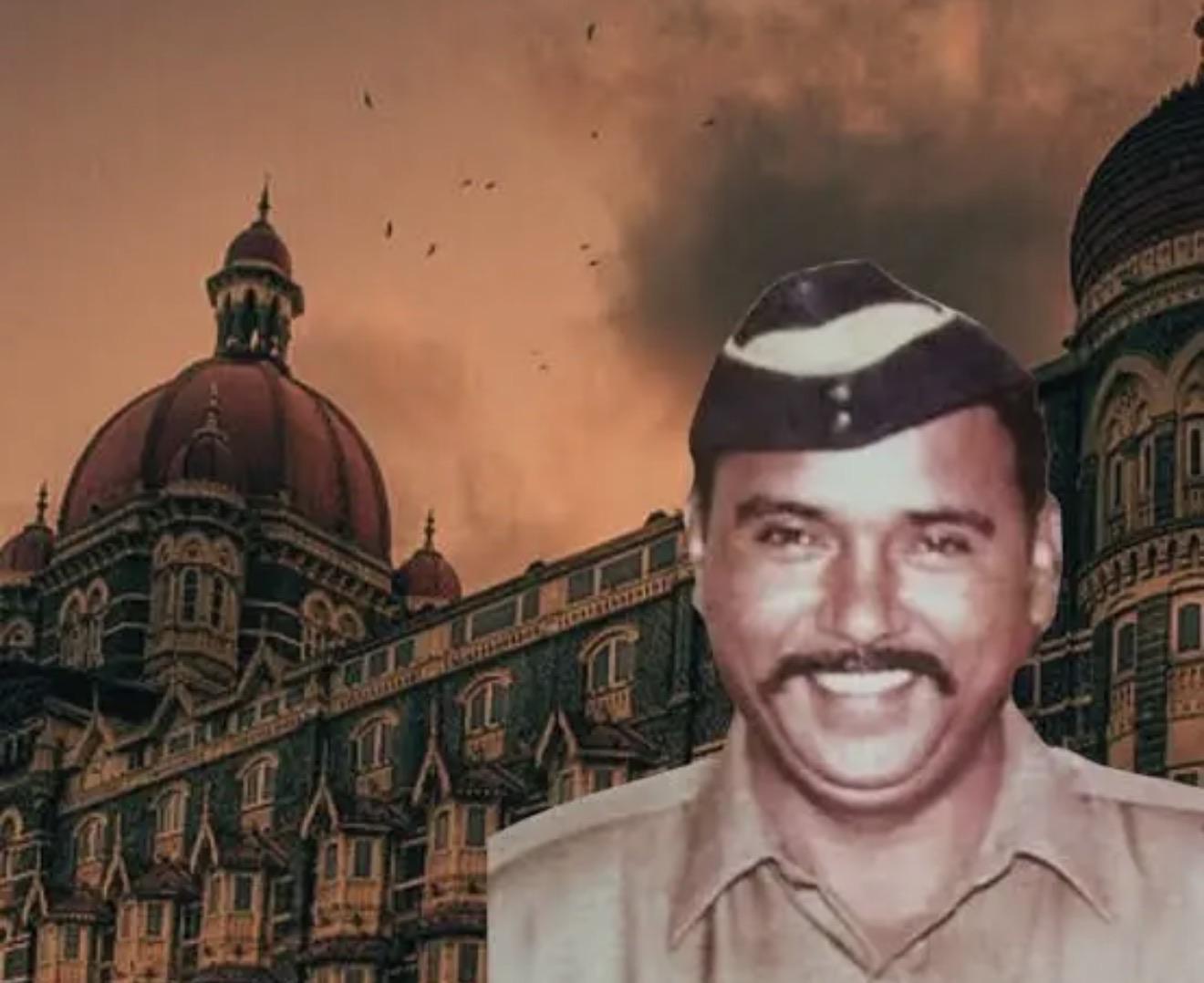
The bravery of Assistant Sub-Inspector Tukaram Omble also remains central to the memory of the Mumbai attacks.
Omble played a crucial role in capturing Ajmal Kasab alive. Despite being fired upon with an automatic weapon, he helped overpower the terrorist, enabling security personnel to apprehend him.
Omble lost his life during the operation, but his sacrifice proved instrumental in bringing the only surviving attacker before the Indian justice system.
These stories demonstrate that courage takes many forms. Whether it is a police officer confronting an armed terrorist, a civilian helping strangers escape danger or a nurse protecting vulnerable patients, every act of bravery matters.
Remembering these individuals is an essential part of remembering 26/11.
26/11 Mumbai Attacks: A Reminder That the Fight Against Terrorism Must Continue
Eighteen years after the Mumbai terror attacks, the anniversary carries several important messages for India and the international community.
First, it highlights the importance of ensuring that terrorist conspiracies are investigated thoroughly and that everyone responsible is held accountable.
Second, it reinforces the need for international cooperation. Terrorist networks do not necessarily operate within geographical boundaries, making intelligence-sharing and coordinated law enforcement essential.
Third, it reminds the country that national security is not solely the responsibility of the armed forces and police. Public awareness, institutional preparedness and cooperation among citizens also play important roles in protecting communities.
Most importantly, the anniversary brings attention back to the human cost of terrorism. Behind every statistic is a life lost, a family permanently changed and a survivor who may continue to struggle with the memories of that night.
The tributes paid by India's political leadership, the solidarity expressed by international representatives and the extraordinary stories of people such as Anjali Kulthe all contribute to a larger message.
Terrorism may create fear and destruction, but it cannot erase the courage, humanity and determination of the people it seeks to intimidate.
For Mumbai, November 26 will always remain a day of remembrance. For India, it is a reminder that the fight against terrorism must continue with determination and unity.
Eighteen years later, the message remains clear: India remembers its victims, honours its heroes and continues to demand justice.
© Copyright 2026. All Rights Reserved. Powered by Vygr Media.