 By
By 
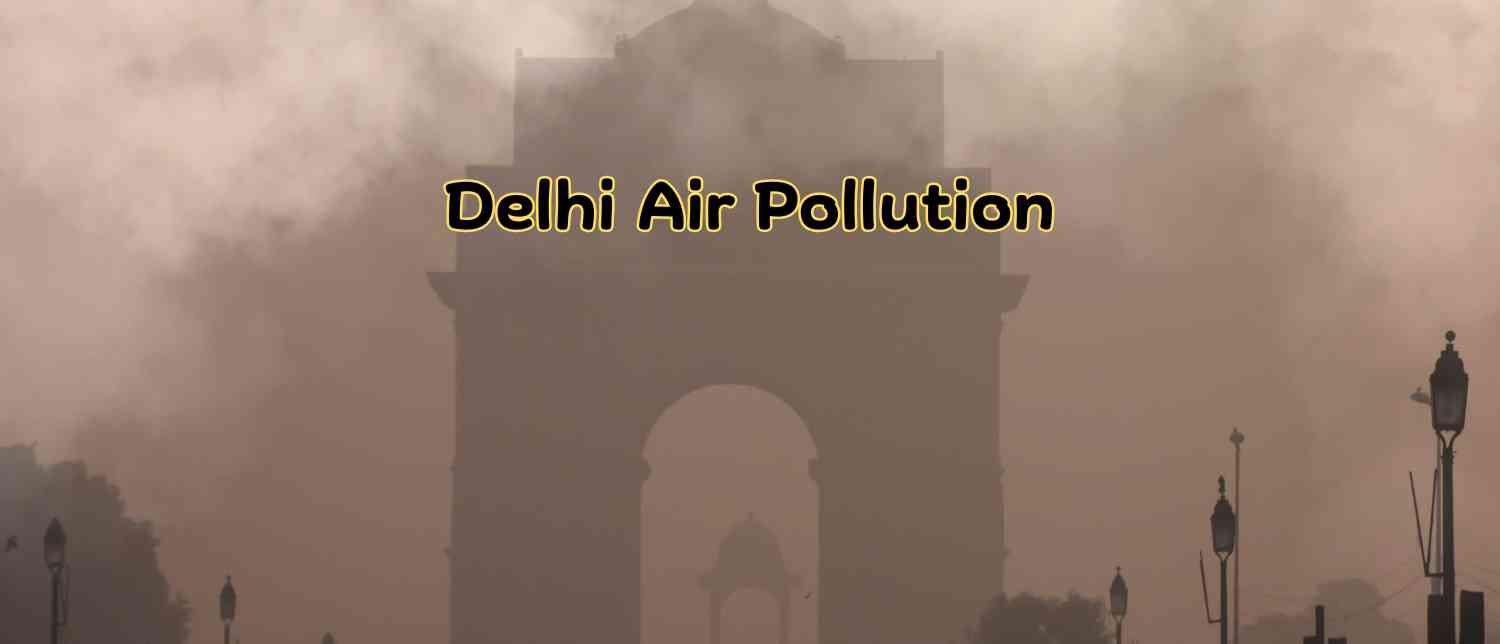
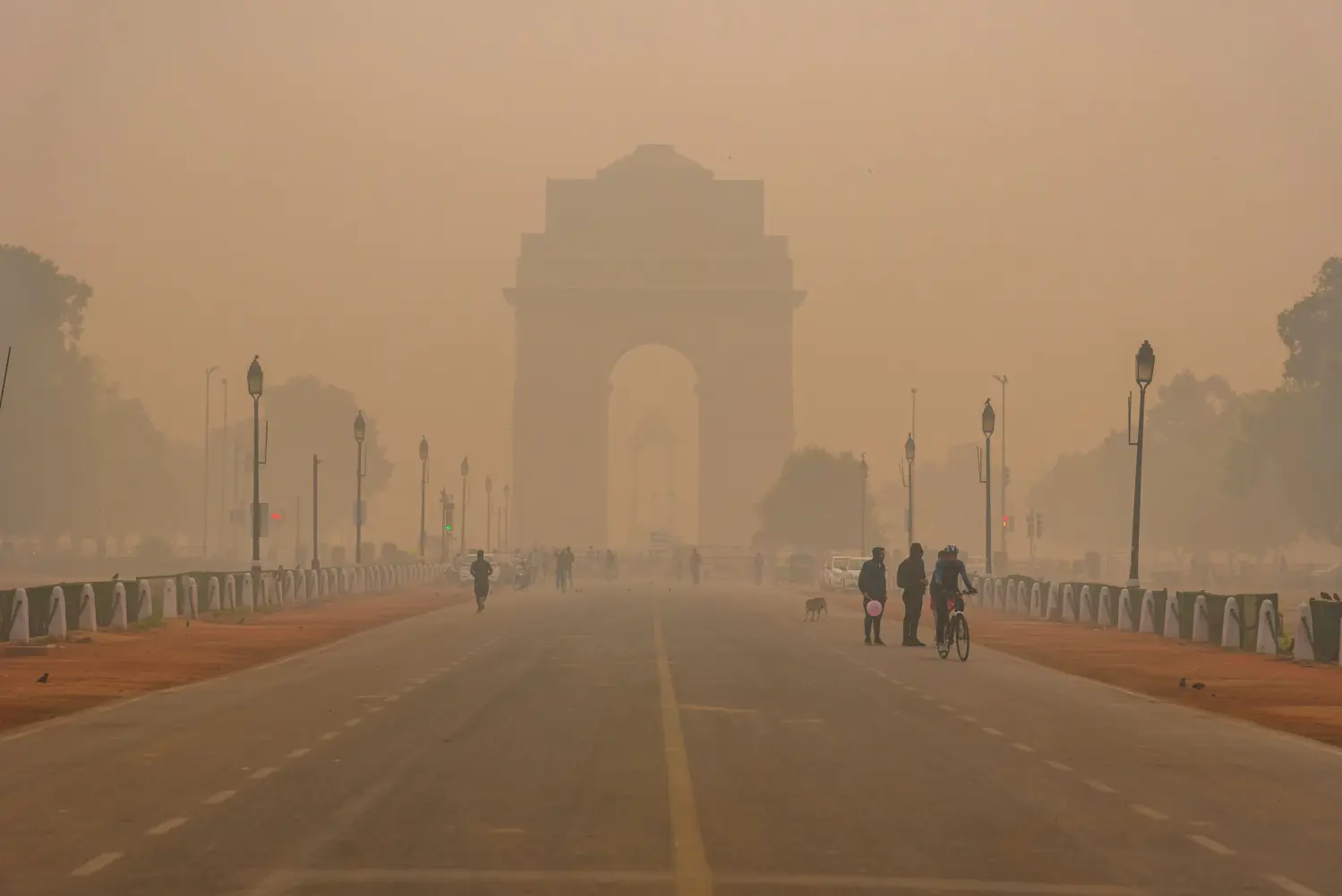
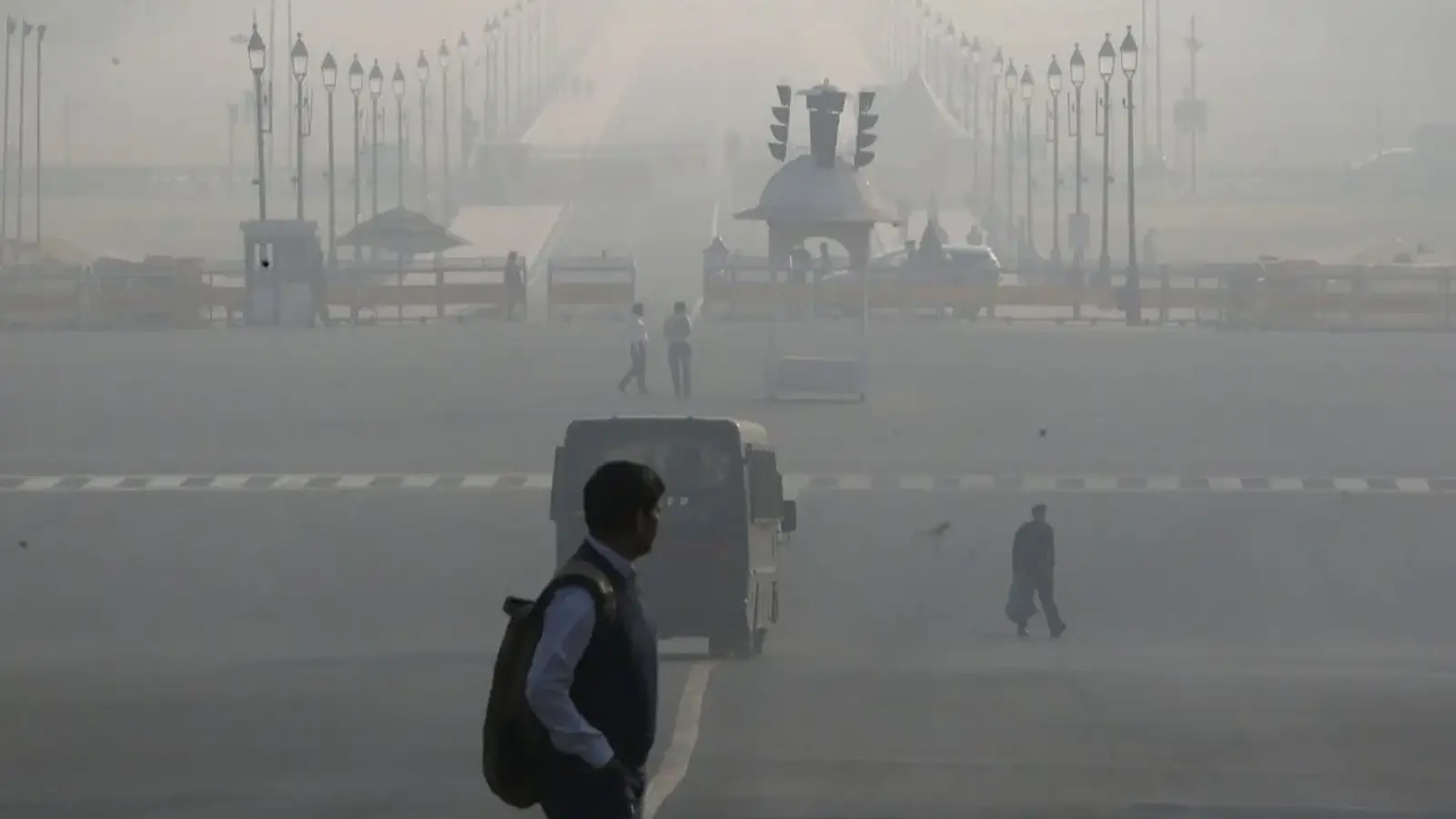
As winter descends upon India’s capital, Delhi once again finds itself shrouded in a dense, toxic haze. On a seemingly ordinary Wednesday morning, the Sameer application, providing real-time updates on air quality, recorded the city’s average Air Quality Index (AQI) at 368. Six of the 39 monitoring stations had breached the “severe” category, with readings surpassing 400. This marked a continuation of a troubling trend: from 279 on Sunday, to 304 on Monday, then 372 on Tuesday, the air quality has worsened steadily. Surrounding areas have fared little better — Noida’s AQI stood at 386, Ghaziabad at 356, and Greater Noida at 343. The National Capital Region (NCR) is choking, and the reasons are as complex as the city’s governance.
Understanding the AQI and Its Implications
Air quality indices categorize pollution severity to signal the health risks faced by residents. Values between 0–50 indicate “good” air, 101–200 is “moderate,” 201–300 is “poor,” 301–400 is “very poor,” and 401–450 signifies “severe” air pollution. Anything beyond 450 is classified as “severe plus.” AQI in the “severe” bracket poses serious health risks, even to healthy individuals, increasing the incidence of respiratory illnesses, heart conditions, and aggravating chronic diseases. For Delhiites, this isn’t a distant statistic — it is daily reality, with persistent coughs, burning eyes, clogged sinuses, and a sense of unease dominating life during these months.
Misplaced Blame: The Stubble Burning Debate
Every year, public discourse tends to blame farmers in Punjab and Haryana for Delhi’s smog through the practice of stubble burning. Yet, evidence paints a different picture. The Centre for Science and Environment (CSE) analysis shows that while stubble burning contributes briefly — peaking at 22% in mid-November — it accounts for less than 5% of total pollution for most of the season. The drop in fires, aided by heavy monsoon floods, did not materially improve Delhi’s air quality. The reality is stark: vehicular emissions, industrial pollution, coal-fired power plants, and household fuels dominate the city’s pollution profile. PM2.5 levels, the most dangerous fine particulate matter, have plateaued at high levels since 2022, and the annual average rose sharply to 104.7 µg/m³ in 2024.
The Supreme Court has repeatedly highlighted the need to avoid scapegoating farmers. Stubble burning, while contributing episodically, cannot be the central villain when Delhi’s baseline pollution is homegrown. Nitrogen dioxide and carbon monoxide levels rise in tandem with morning and evening traffic, demonstrating the pivotal role of vehicular emissions in daily toxic spikes. Even as public conversations focus on fires and Diwali crackers, it is Delhi itself that fuels the persistent “toxic cocktail” of pollutants.
Political Paralysis and Governance Failures
Delhi’s air crisis is as much a political problem as it is an environmental one. Multiple layers of governance — central government, state government, municipal corporations, and surrounding state authorities — have created fragmented responsibility. Each entity operates with different incentives, and coordination remains minimal. The central government sits in Delhi, yet there is a lack of sustained urgency to tackle this public health emergency. The Supreme Court has urged the Commission for Air Quality Management (CAQM) to submit reports on pollution mitigation strategies, but substantive action is limited. Temporary restrictions under the Graded Response Action Plan (GRAP) — banning non-essential construction, halting stone crushing, and limiting the use of older petrol and diesel vehicles — have had uneven enforcement. Stage 3 restrictions were even withdrawn in November citing temporary improvements, though the air continues to deteriorate.
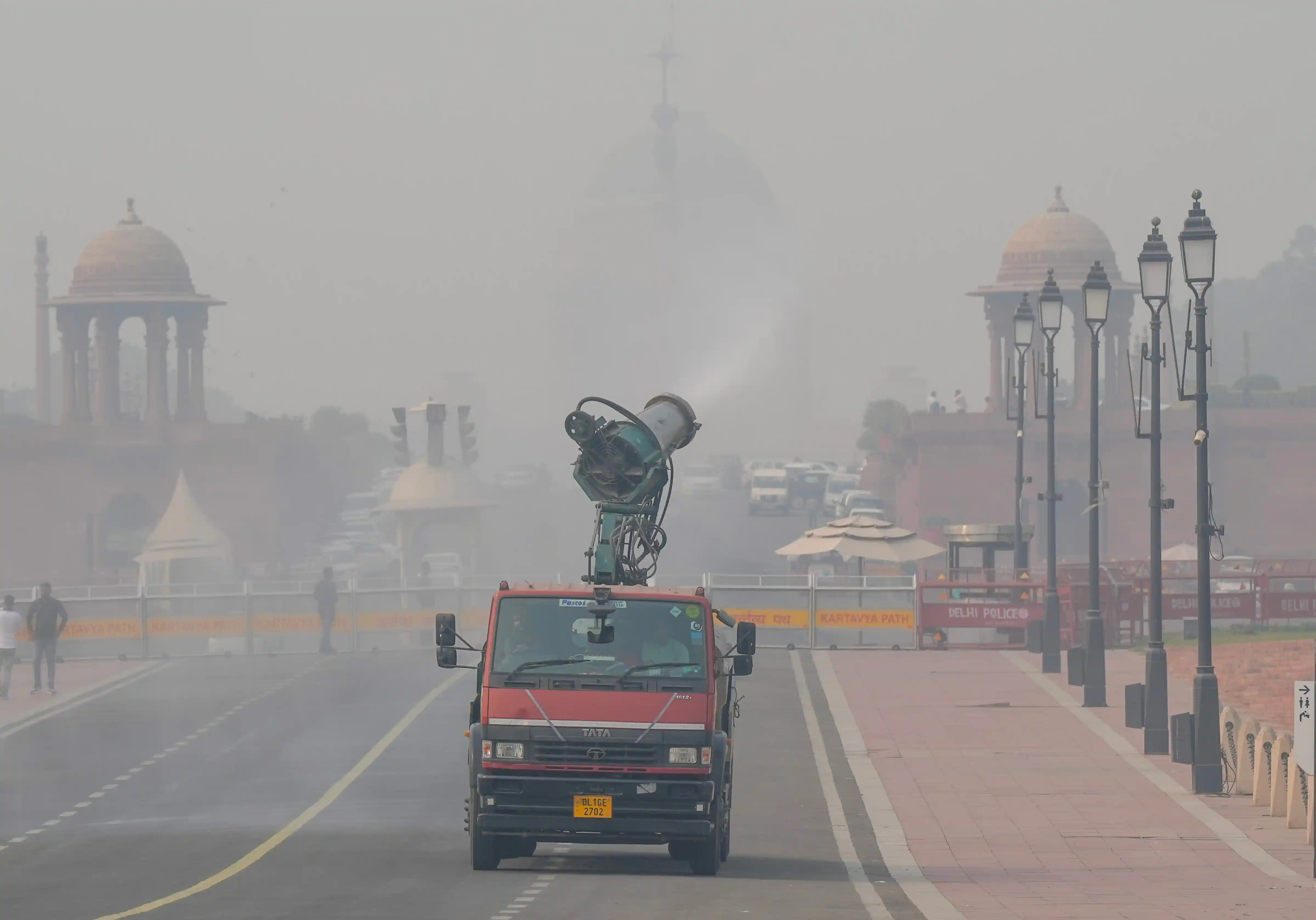
The political theatre surrounding air pollution further complicates matters. The Prime Minister’s office recently rejected a parliamentary debate on pollution, preferring discussions on nationalistic songs, even while Delhi’s AQI averaged 357 in November. Misleading public demonstrations, like spraying water near air quality monitors, signal a preference for optics over action. Delhi voters, though highly concerned about pollution (85% in a post-election poll), seldom rank it as a decisive electoral issue, allowing political inertia to persist. The result is a city where citizens suffer daily, yet systemic accountability remains elusive.
Urban Protests and Civic Discontent
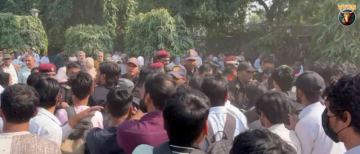
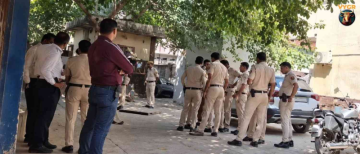
Frustration over persistent smog has manifested in public protests, particularly since Diwali. Young, urban, upper-caste middle-class residents — demographics traditionally aligned with the ruling Bharatiya Janata Party (BJP) — have mobilized to demand accountability, transparency, and scientific interventions. Police crackdowns on these demonstrations, including detentions and physical confrontations, have exposed a deeper fragility within the government, illustrating an intolerance toward dissent, even from its core support base. Unlike earlier environmental movements — such as the Hasdeo Arand or Save Aarey protests, largely led by marginalized communities — these urban protests directly challenge the government’s legitimacy by highlighting the everyday hazards faced by all residents, cutting across class and ideology.
The crackdown reveals the political economy at play: while elite growth strategies, privatization, and selective social benefits maintain control, unbreathable air is a threshold issue that cannot be managed through spectacle or token measures. The inability to effectively address pollution now risks widespread political discontent, particularly among urban, aspirational voters whose expectations remain unmet.

The Role of Infrastructure and Industrial Policy
Even where governance exists, structural deficiencies exacerbate the problem. Delhi’s transportation infrastructure is insufficient for its growing population, with over 500 new private cars and 1,500 two-wheelers entering roads daily. The city’s road quality remains poor, increasing emissions from idling vehicles by up to 2.5 times. Thermal power plants in the surrounding 300-kilometre radius of Delhi are largely non-compliant with flue gas desulfurization deadlines, with only 14 of 35 plants equipped to curb sulfur dioxide emissions — a pollutant directly linked to PM2.5 spikes. Industrial and informal enterprises across Delhi and NCR continue to rely on coal and diesel, further feeding the winter smog.
Small-scale solutions, such as temporary GRAP measures or partial vehicle restrictions, are insufficient. Beijing, which successfully reduced smog within a decade, prioritized deep, structural interventions in public transport, industrial emissions, and energy policy. Delhi, in contrast, continues to rely on incremental and symbolic measures, with citizens’ health and urban quality of life sacrificed for political convenience.
The Path Forward: Urgent Measures Needed
Experts and activists underscore that Delhi has reached an inflexion point. To break the cycle of unbreathable air, comprehensive structural changes are necessary:
-
Transportation overhaul: Rapid expansion of the Delhi Metro, electrification of buses, incentivizing electrification of taxis, auto-rickshaws, and commercial vehicles, alongside strict road quality improvement programs.
-
Industrial reform: Enforcing cleaner fuels, upgrading power plants with flue gas desulfurization units, and eliminating informal coal- or diesel-dependent enterprises.
-
Urban planning and waste management: Controlling dust from construction sites, enforcing green building practices, and transitioning households to cleaner fuels.
-
Civic engagement and transparency: Government must respect environmental protests, engage with citizens and scientists, and prioritize sustained communication and evidence-based policies.
Without such measures, temporary bans on crackers or stubble-burning campaigns will remain superficial gestures. The city’s own emissions, from transport, households, and industry, dominate the pollution landscape — Delhi cannot afford to treat external sources as the main culprit.
Beyond Blame, Toward Accountability
Delhi’s air pollution crisis is multifaceted, stemming from urban planning failures, vehicular and industrial emissions, energy policy shortcomings, and political inertia. While stubble burning and Diwali fireworks exacerbate the problem temporarily, the baseline toxicity is homegrown. Citizens’ health, economic productivity, and quality of life are at risk. Civic protests and scientific analyses provide clear direction, but political will and structural reforms are urgently needed. Delhi’s winters should not be synonymous with respiratory distress — it is time for decisive action that goes beyond blame, optics, or seasonal fixes.
The capital’s air crisis is a litmus test for governance, public accountability, and urban resilience. Without immediate and coordinated action, Delhi risks normalizing a level of pollution that is not only hazardous but preventable. Every day of inaction costs lives, undermines democratic legitimacy, and threatens to make India’s global ambitions secondary to its air quality failure.
With inputs from agencies
Image Source: Multiple agencies
© Copyright 2025. All Rights Reserved. Powered by Vygr Media.