 By
By 
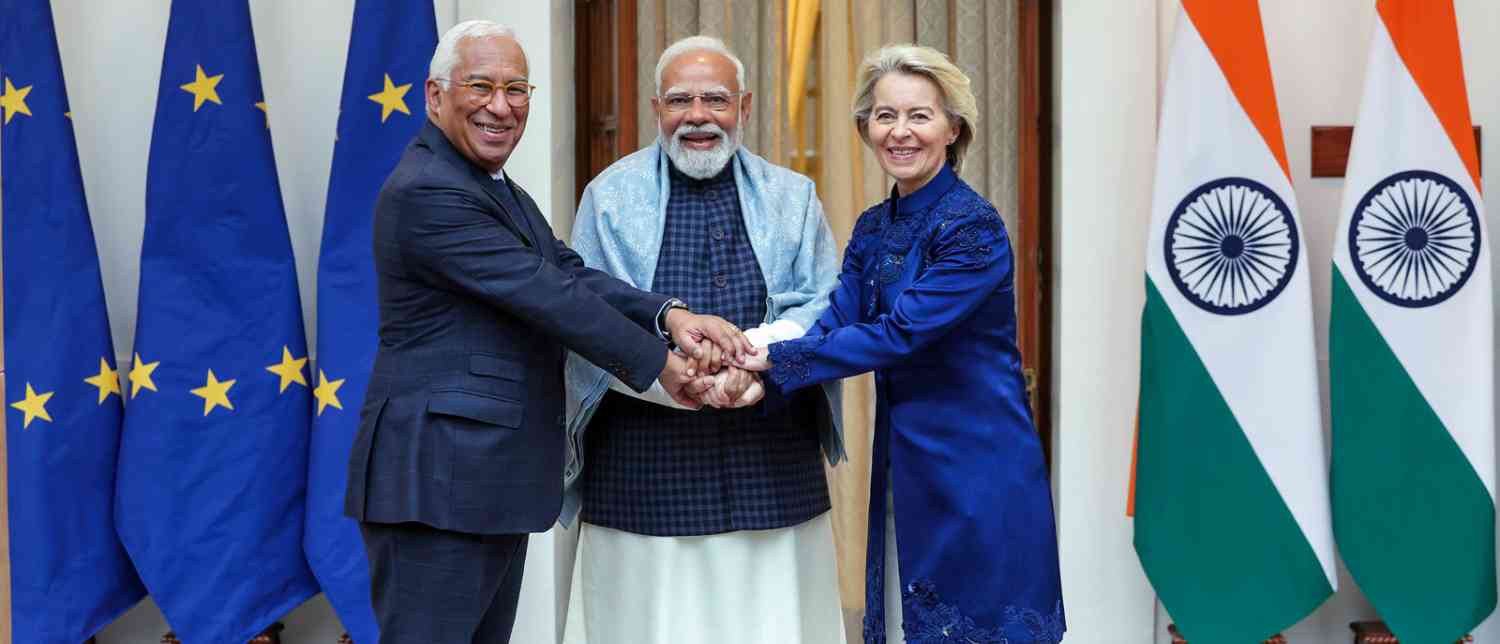
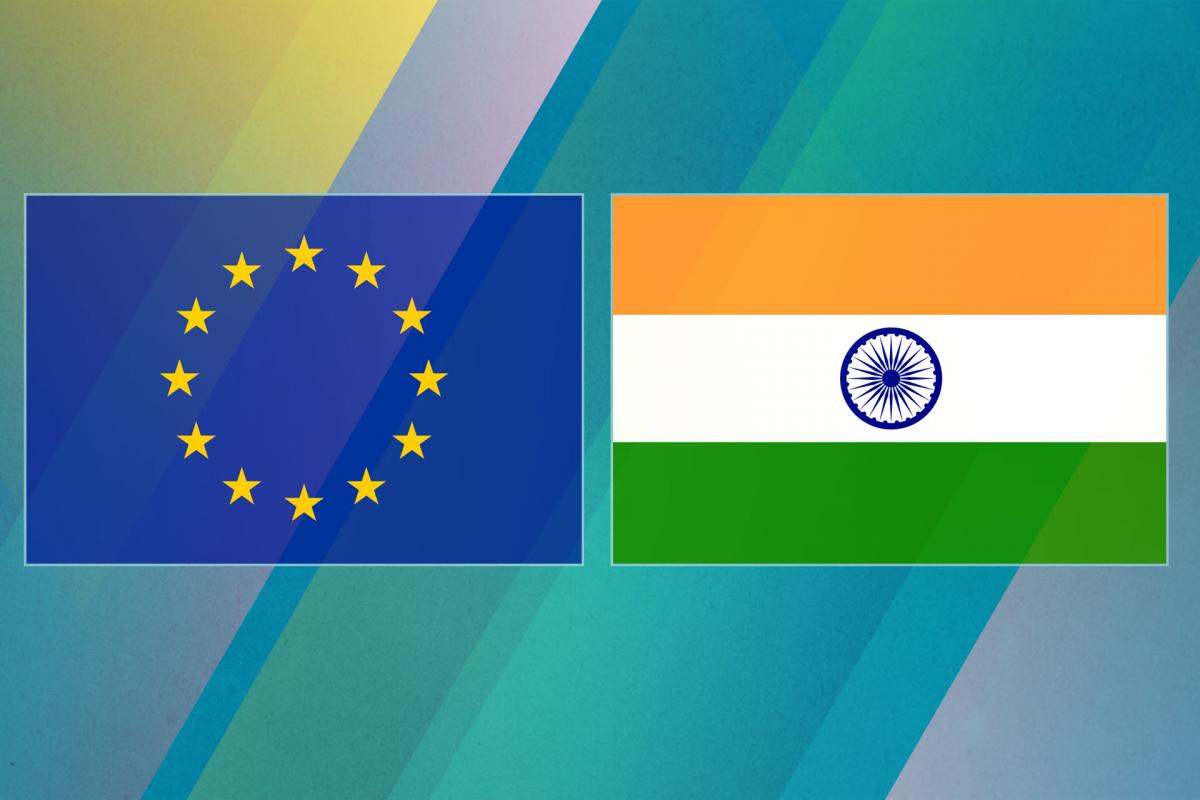
After nearly two decades of negotiations, India and the European Union (EU) have finalized a landmark free trade agreement (FTA), hailed by leaders as the “mother of all deals.” The agreement, announced in January 2026, is not just a trade pact—it marks a strategic convergence between two of the world’s largest economies, with far-reaching implications for goods, services, investments, consumers, and the broader global trade landscape.
With a combined market of roughly 2 billion people and a collective GDP of nearly $27 trillion, this FTA is set to redefine trade patterns, diversify dependencies away from the United States, and bolster economic resilience amid ongoing geopolitical uncertainties.
The Genesis of the Deal: Nearly 20 Years in the Making
The India-EU FTA has been a long and complex journey, beginning in 2007, stalling in 2013 due to disagreements over tariffs, standards, and market access, and finally reviving in 2022 under shifting geopolitical pressures. U.S.-EU tensions and the Trump-era trade war prompted both sides to explore diversification strategies, while India’s growing domestic market and industrial capabilities positioned it as a natural partner for Europe.
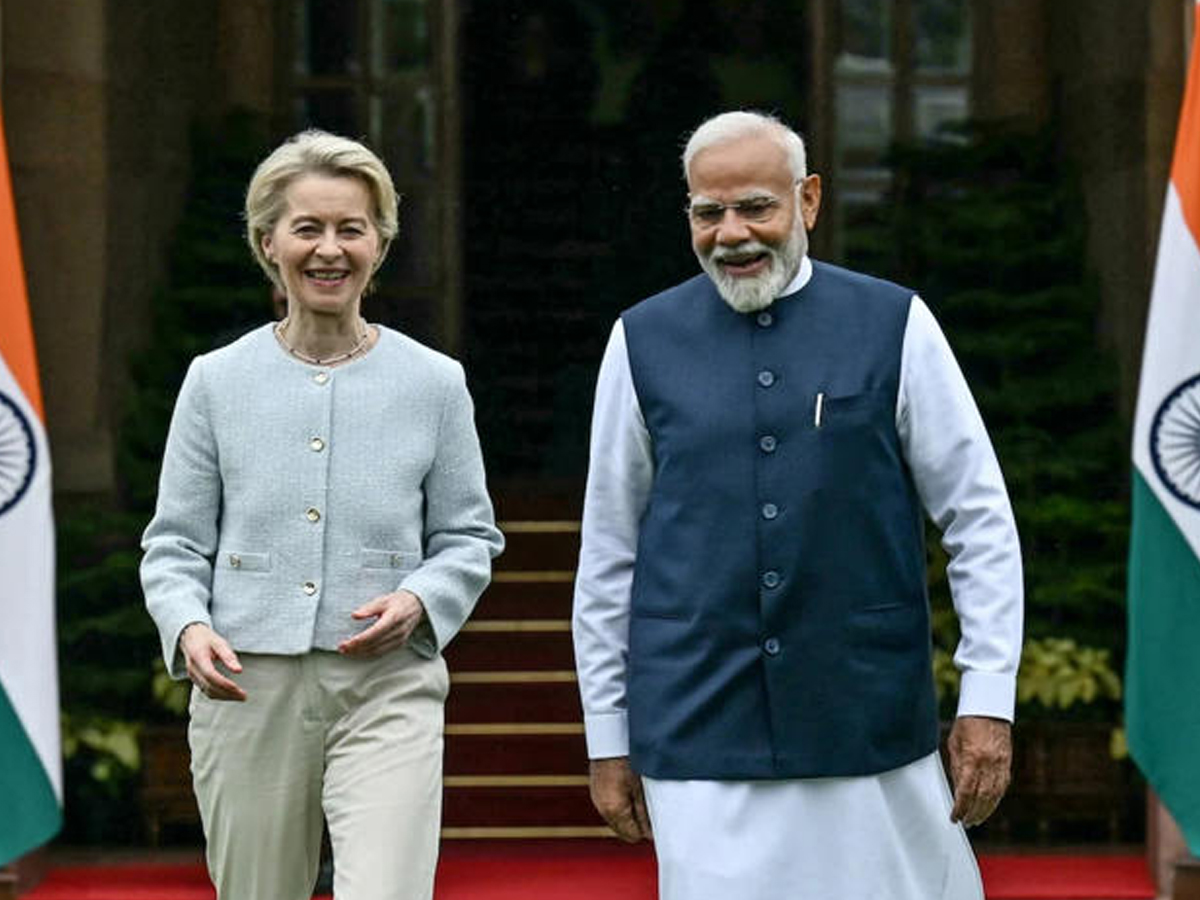
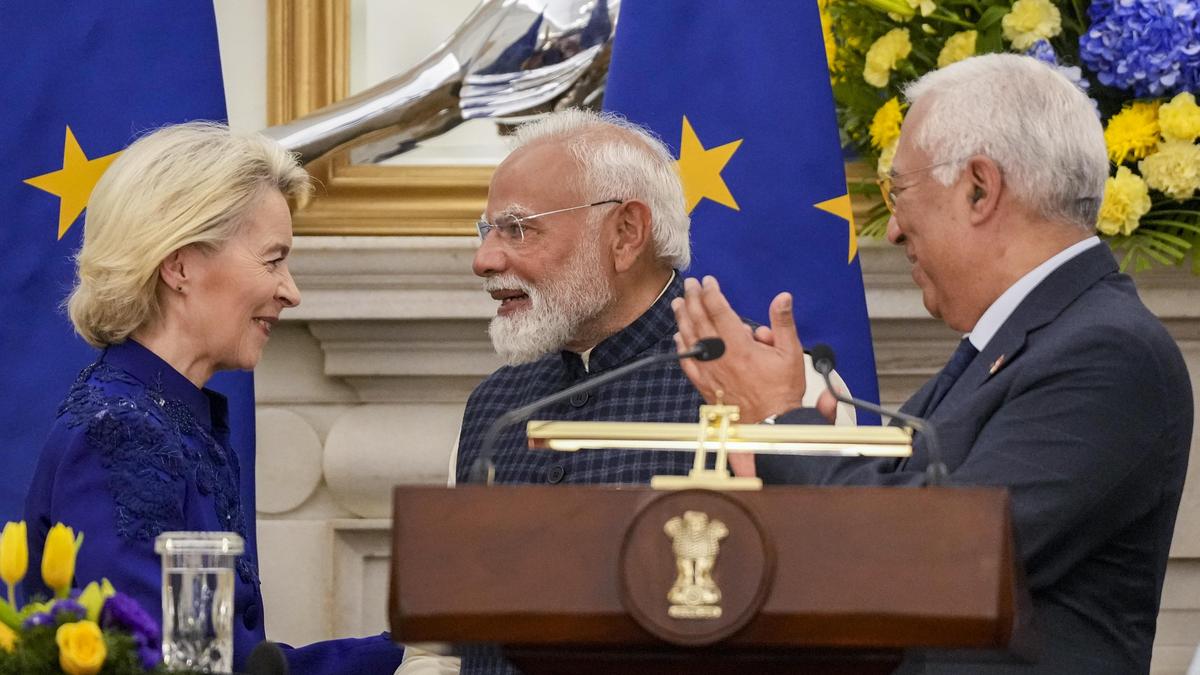
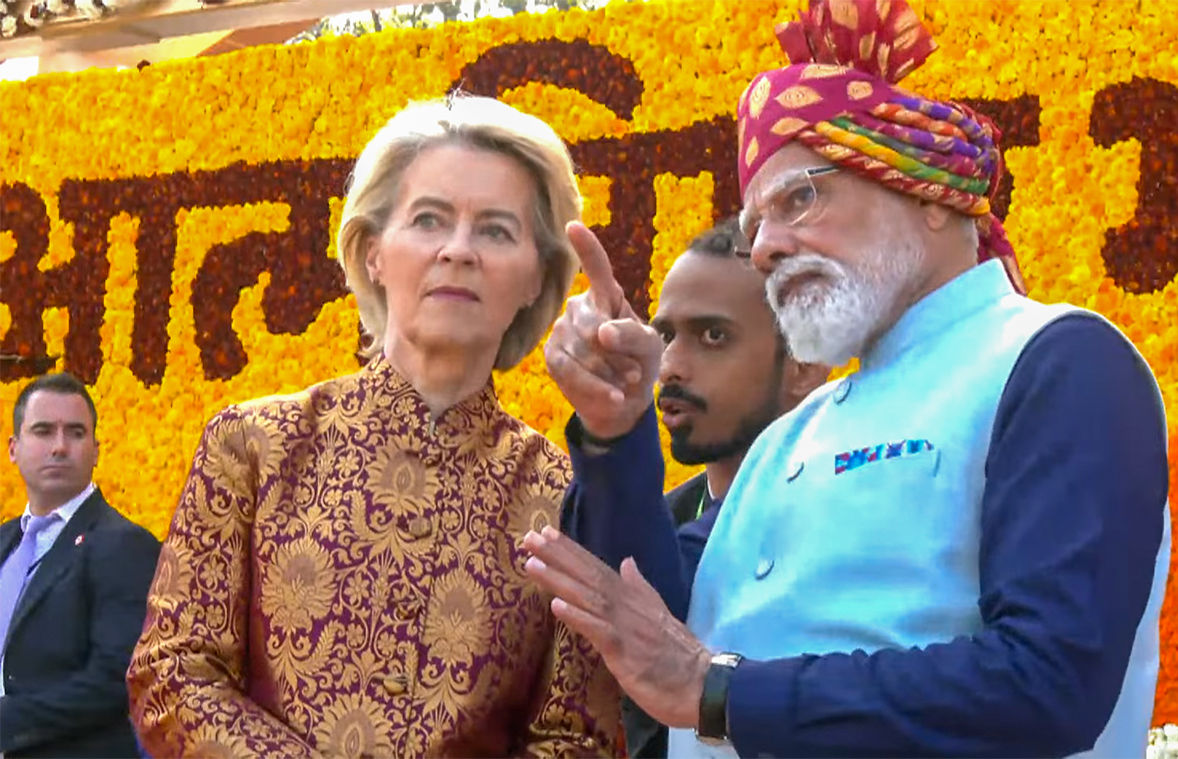
Indian Prime Minister Narendra Modi and European Commission President Ursula von der Leyen officially announced the deal during an India-EU summit in New Delhi, emphasizing its transformative potential for trade, services, and investment. The official signing will follow a five-to-six-month legal review, after which the agreement is expected to become operational.
Scope of the Agreement
This comprehensive trade pact covers goods, services, and investments across the EU’s 27-member customs union. India will gain duty-free access to 144 EU services subsectors, while the EU will access 102 Indian services subsectors, spanning financial services, telecommunications, maritime logistics, and IT services.
The agreement is projected to eliminate or reduce tariffs on 96.6% of EU goods exported to India, saving European exporters up to €4.74 billion annually. For India, the EU will scrap tariffs on 90% of Indian goods immediately, extending to 93% within seven years, with the remaining 6% subject to partial cuts and quotas. Overall, 99.5% of bilateral trade benefits from some form of tariff concession.
Sectoral Implications: Winners and Safeguards
Automotive Industry: Opening Doors While Protecting Domestic Growth
India’s historically protected automobile sector, which levied tariffs as high as 110% on foreign vehicles, is set for gradual liberalization. Tariffs on most EU cars will fall to 30–35% at launch, phasing down to 10% over five years, under a quota system. EU vehicles priced below €15,000 (~₹17.8 lakh) are excluded to protect the domestic market, while electric vehicles enjoy five-year safeguards before tariff reductions apply. Final quotas limit imports to 160,000 internal combustion engines and 90,000 electric vehicles annually.
This careful calibration balances consumer access to European vehicles with protection for India’s emerging electric and domestic auto industry. Analysts note, however, that shares of Indian carmakers may experience short-term dips as competition intensifies.
Industrial and Manufacturing Goods: Cost Benefits and Competitiveness
Tariffs on machinery (up to 44%), chemicals (up to 22%), pharmaceuticals (up to 11%), aircraft, optical and medical equipment will largely be eliminated. These reductions will lower manufacturing costs in India, particularly for high-tech electronics, mobile phones, and aviation components, while improving EU access to India’s engineering and services sectors.
Steel and base metals also benefit. India will have 1.6 million tonnes of duty-free steel export quota to the EU, though this represents roughly half of India’s current annual exports, highlighting ongoing negotiations regarding carbon border adjustment mechanisms (CBAM) and environmental compliance.
Food and Beverages: From Luxury Imports to Everyday Choices
Consumers stand to gain significantly from the FTA, particularly in alcoholic beverages, processed foods, and agricultural imports:
-
Wine and spirits: Tariffs on EU wines, previously 150%, will reduce to 20–30%, while spirits drop to 40%, with phased implementation over 5–10 years. Premium gins, cognacs, and vodkas will see gradual price relief.
-
Beer: EU beer imports, including German, Belgian, Dutch, and Czech brands like Heineken, Carlsberg, Tuborg, Erdinger, Beck’s, and Stella Artois, will see tariffs cut from 110% to 50%, with non-alcoholic beer becoming duty-free.
-
Processed foods and staples: Olive oil, margarine, bread, pasta, biscuits, pastries, chocolates, and pet food will see tariffs fall from 30–50% to zero within five years. Selected fruits, like kiwis and pears, enjoy 10% tariffs within quotas, while sheep meat moves to 0% duty, and processed meats are capped at 50%.
Restaurants, cafes, and hotels anticipate lower costs, enabling the use of premium European ingredients without inflating menu prices. Chefs highlight opportunities for wine pairings, olive oil infusions, and cheese boards, broadening culinary offerings and fostering experimentation. Retailers, including premium gourmet chains, see the deal as a structural shift, enhancing product access, pricing flexibility, and assortment depth.
Textiles, Leather, Gems & Jewellery: Boosting Indian Exports
Indian sectors poised to gain the most from tariff elimination include:
-
Textiles and apparel (tariffs down from 12% to zero)
-
Leather and footwear (17% → 0%)
-
Gems and jewellery (4% → 0%)
-
Chemicals, plastics, and base metals
These reductions, coupled with eased EU customs rules and stronger intellectual property protection, are expected to expand India’s export competitiveness, particularly in Europe’s fast-moving consumer markets.
Services, Digital Trade, and Sustainability
The agreement establishes binding rules on labor rights, environment, women’s empowerment, and climate cooperation, alongside digital trade protocols supporting secure, privacy-conscious, and efficient transactions. These measures position both India and the EU as leaders in sustainable and equitable trade practices, enhancing the long-term resilience of bilateral economic relations.
Market and Investment Implications
Analysts see sector-specific stock opportunities:
-
Auto ancillaries: Motherson, Bharat Forge, Sona BLW may benefit from increased EU demand and tariff advantages.
-
Textiles: Welspun Living, Gokaldas Exports stand to gain from easier EU market access.
-
Luxury watches and imports: Timex, Ethos, KDDL may see volume growth.
-
Consumer beverages: Sula Vineyards could face competition from cheaper EU wines, while premium microbreweries may adapt to evolving tastes.
Conversely, Indian automotive players, particularly those in luxury segments, may face pricing pressure from imported EU cars.
Strategic and Geopolitical Significance
The FTA is not merely economic; it carries a strategic dimension. India and the EU are signaling independence from US market pressures and diversifying trade relationships amid continuing uncertainty over US tariffs, particularly those imposed during Trump’s trade war. EU officials and Indian trade economists alike view this as a geopolitical realignment, fostering deeper cooperation on technology, sustainability, and regulatory alignment.
Experts note that the deal will accelerate India’s integration into global manufacturing and service value chains, while giving Europe access to one of the fastest-growing consumer markets.
Timelines and Next Steps
-
Legal scrutiny: Draft texts are undergoing translation, review, and parliamentary approvals in both India and EU member states.
-
Ratification: Expected within a year, after which the FTA becomes operational.
-
Quotas and safeguards: Automobile and steel sectors retain phased implementation rules; certain agri-foods, dairy, and premium alcohol maintain protective measures.
-
Carbon compliance: Technical groups and EU support frameworks are in place to help Indian industries meet CBAM requirements.
A Transformative Deal for Consumers and Businesses Alike
For Indian consumers, this FTA means cheaper cars, wines, spirits, beers, olive oil, chocolates, and high-tech electronics, coupled with greater variety and global exposure. For businesses, it creates export opportunities, reduced input costs, and enhanced competitiveness, particularly in textiles, leather, gems, engineering goods, and pharmaceuticals. European firms gain better access to India’s protected markets, while tariffs on EU exports fall sharply, particularly in machinery, automobiles, and luxury goods.
The India-EU free trade agreement is set to reshape bilateral trade, consumer markets, and strategic economic relationships. As the world watches, this “mother of all deals” signals a new era of global trade, combining economic pragmatism, consumer benefits, and strategic foresight.
With inputs from agencies
Image Source: Multiple agencies
© Copyright 2025. All Rights Reserved. Powered by Vygr Media.