
 By

India's ethanol-blended petrol programme is facing fresh scrutiny after allegations emerged that petrol sold at certain outlets in Karnataka contained significantly more ethanol than the prescribed 20 per cent limit. The controversy has sparked questions about fuel quality, vehicle performance, mileage and the effectiveness of India's fuel monitoring system.
While the Karnataka government has raised concerns over allegedly excessive ethanol blending, the Centre has rejected the findings, maintaining that petrol supplied by public sector oil companies complies with established quality standards. Adding another dimension to the debate, Kerala has now launched surprise inspections and laboratory testing of petrol samples across the state to independently verify ethanol content.
The developments have brought E20 petrol in India back into the spotlight, with motorists seeking clarity on whether the fuel they purchase meets regulatory requirements and whether excessive ethanol blending could affect their vehicles.
Karnataka Raises Concerns Over Excess Ethanol Blending in Petrol
The controversy gained momentum after Karnataka authorities reported allegedly higher-than-permitted ethanol concentrations in petrol samples collected from retail outlets across the state.
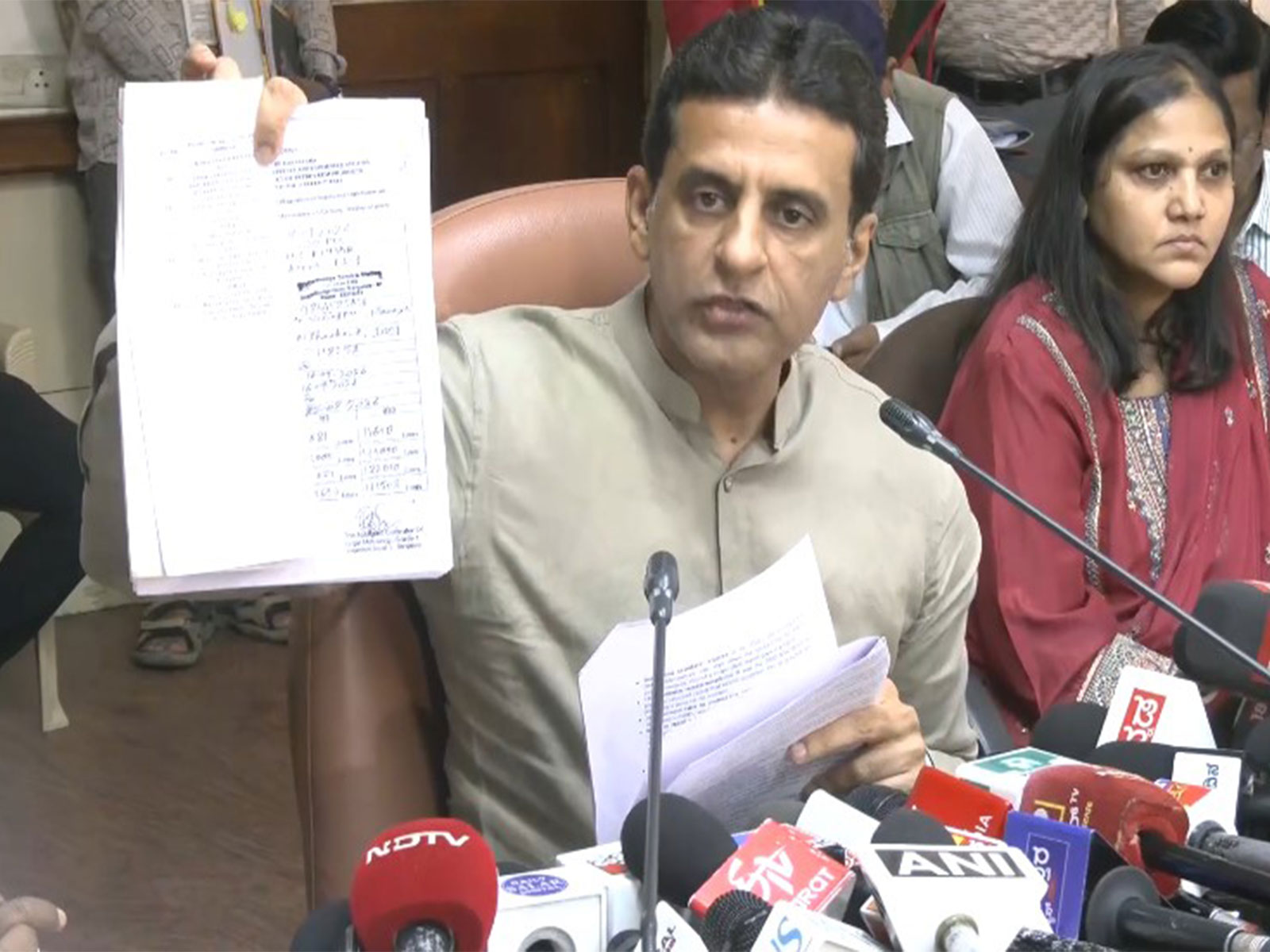
On November 6, 2026, Karnataka minister Rizwan Arshad announced findings from a state-level fuel quality exercise. According to the state government's claims, laboratory testing of 63 petrol samples collected from major oil marketing companies indicated ethanol concentrations ranging between 26 per cent and 31 per cent at certain outlets.
These figures, if independently established through prescribed testing procedures, would represent a significant deviation from the permitted 20 per cent ethanol blending limit under the E20 programme.
The allegations immediately raised concerns among motorists, particularly those who own older vehicles that may not have been designed to operate on higher ethanol-blended fuel.
Questions surrounding reduced fuel efficiency, potential engine damage and the long-term impact of excessive ethanol exposure have consequently become central to the debate.
However, it is important to distinguish between the findings reported by Karnataka and the Centre's subsequent position. The alleged higher ethanol concentrations have not been accepted as established violations by the Union government.
Centre Rejects Karnataka's Claims, Cites 893 Compliant Fuel Samples
Responding to the allegations, the Ministry of Petroleum and Natural Gas maintained that E20 petrol supplied by the three major public sector oil marketing companies meets the prescribed Bureau of Indian Standards (BIS) specifications.
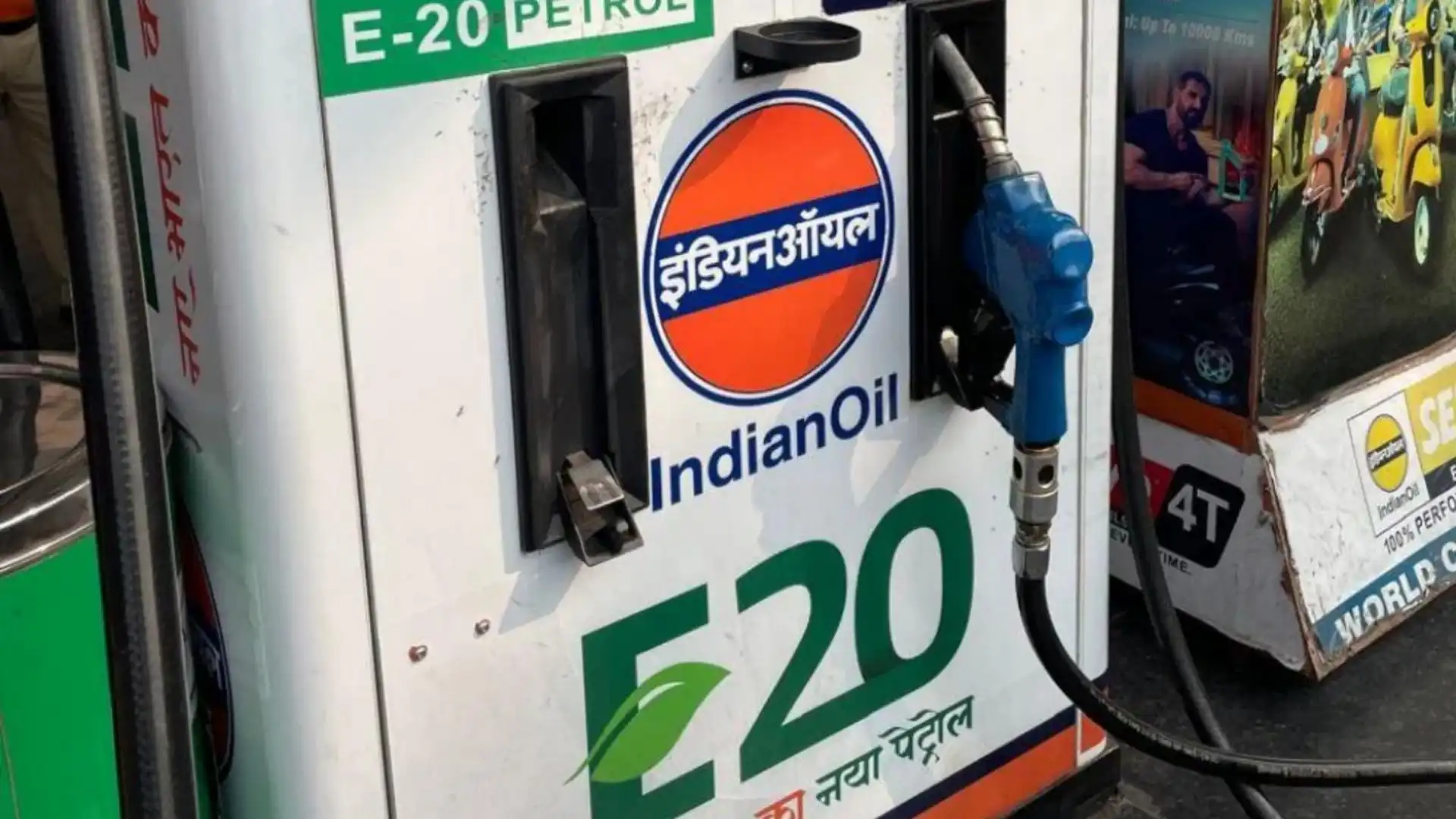
The ministry said Indian Oil Corporation (IOCL), Bharat Petroleum Corporation (BPCL) and Hindustan Petroleum Corporation (HPCL) supply ethanol-blended petrol in accordance with IS 17021, the applicable standard for ethanol-blended motor gasoline.
To support its position, the Centre cited the results of a nationwide quality monitoring exercise.
According to the ministry, 893 E20 petrol samples collected across 27 states and Union Territories were tested, and all were found to comply with the prescribed quality standards.
Karnataka was also covered under this exercise. Of the 893 samples, 56 were collected and tested in the state. The results reportedly showed ethanol concentrations ranging between 19 per cent and 20 per cent, within the prescribed E20 specifications.
The findings directly contradict Karnataka's allegations of ethanol concentrations reaching 26–31 per cent at certain petrol outlets.
The three public sector oil marketing companies have also reiterated that the petrol supplied through their networks conforms to the applicable fuel quality requirements.
Consequently, the Petroleum Ministry has maintained that the allegations of excessive ethanol blending are not supported by testing conducted under the prescribed statutory and technical procedures.
Why Are Oil Companies Questioning Karnataka's Testing Procedure?
Beyond disputing the reported ethanol percentages, the oil marketing companies have raised concerns about the sampling and laboratory testing methods used during Karnataka's October 2026 exercise.
According to the companies, fuel quality verification must follow established statutory procedures to ensure that samples are collected, preserved and tested accurately.
The applicable framework includes the Motor Spirit and High Speed Diesel (Regulation of Supply, Distribution and Prevention of Malpractices) Order, 2005, read alongside the Marketing Discipline Guidelines (MDG) 2024.
Under the prescribed procedure, six one-litre samples must be collected during an inspection.
The samples are distributed as follows:
-
Two samples are handed over to the petrol pump dealer.
-
Two samples are retained by the oil company or the concerned department.
-
The remaining two samples are sent to a designated laboratory for testing.
This process is intended to maintain transparency, preserve sample integrity and allow the concerned parties to verify the results.
The oil companies have questioned whether Karnataka's October exercise followed all the necessary technical and procedural requirements. They have sought joint sampling and independent testing under the prescribed standards to establish the actual ethanol content.
They have also highlighted the importance of using appropriate testing methods and technical reference procedures when determining ethanol concentrations.
The disagreement, therefore, is not limited to the reported figures. It also concerns how petrol samples should be collected, tested and independently verified before conclusions about fuel quality are reached.
Kerala Launches Surprise Inspections to Verify E20 Petrol Quality
As the dispute in Karnataka continues, Kerala has decided to conduct its own inspections to determine whether petrol sold across the state complies with the prescribed ethanol blending limits.
The Kerala Civil Supplies Department has initiated surprise inspections at fuel retail outlets and begun collecting random petrol samples for laboratory analysis.
The exercise aims to establish whether ethanol concentrations in petrol remain within the legally prescribed 20 per cent limit.
In Ernakulam district, enforcement officials collected multiple fuel samples from an Indian Oil Corporation retail outlet at Chembumukku in the presence of oil company representatives.
Officials collected six one-litre samples during the inspection. Two samples were subsequently sent to a laboratory for chemical analysis, with the results awaited at the time of the announcement.
Kerala Food and Civil Supplies Minister Anoop Jacob said the department had instructed officials to collect samples from different parts of the state, covering both northern and southern districts.
The samples will be examined at government-owned chemical laboratories, following which the state government will decide whether further action is necessary.
The minister also emphasised that consumers have a right to know the composition of the fuel they purchase, including the ethanol content and the quality of the blended fuel.
Kerala's decision is significant because it extends the scrutiny beyond Karnataka and highlights the growing demand for independent fuel quality verification.
What Is E20 Petrol and Why Is India Promoting Ethanol Blending?
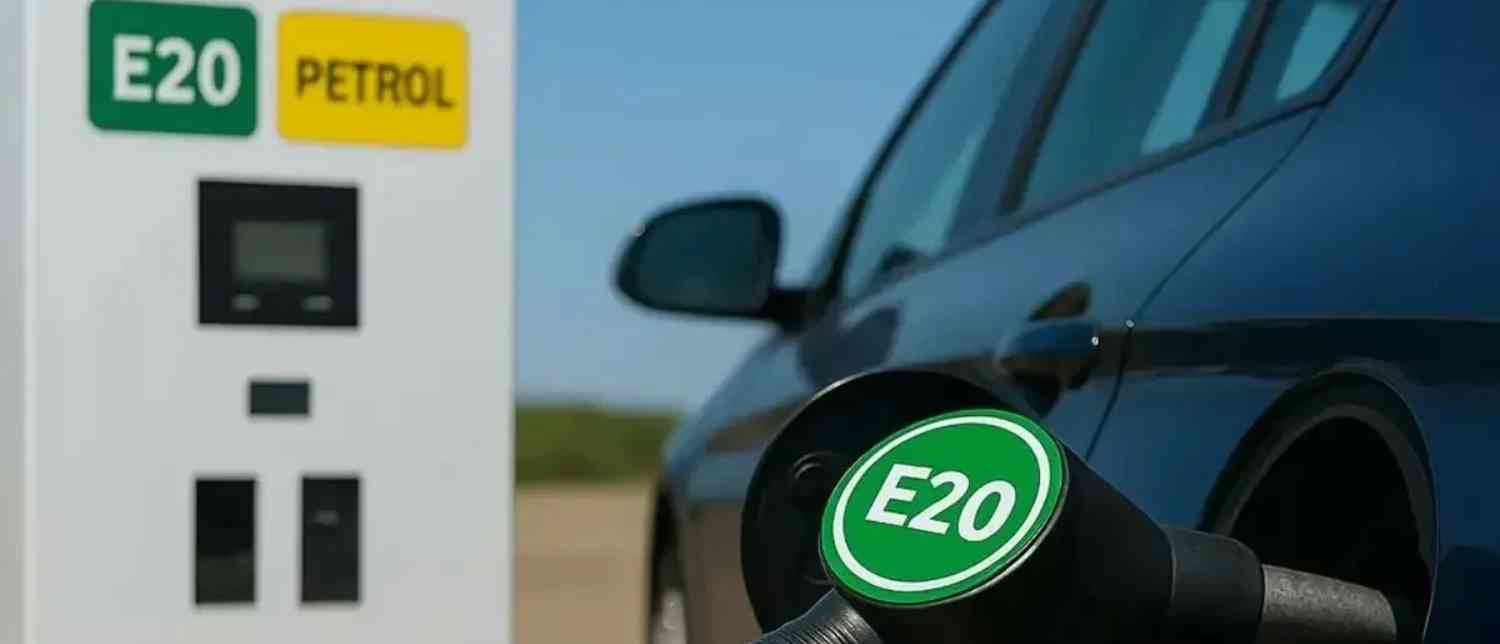
E20 petrol is a motor fuel containing approximately 20 per cent ethanol blended with 80 per cent petrol.
Ethanol is an alcohol-based fuel that can be produced from agricultural feedstocks such as sugarcane, maize and other biomass sources.
India has promoted ethanol blending as part of its broader strategy to reduce dependence on imported crude oil, diversify energy sources and support domestic agricultural industries.
The ethanol blending programme is also intended to contribute towards reducing certain emissions associated with conventional petrol consumption.
However, the transition to higher ethanol-blended fuel has generated questions about vehicle compatibility, fuel efficiency and the quality of petrol supplied to consumers.
While E20 petrol is intended to meet established fuel specifications, maintaining the correct ethanol concentration is essential to ensuring that the fuel complies with regulatory requirements.
This is precisely why allegations of excessive ethanol blending have attracted attention. The prescribed limit is not merely a policy target; it is also an important part of the fuel quality framework.
Could Excessive Ethanol in Petrol Affect Mileage and Engine Performance?
One of the biggest concerns among motorists is whether higher ethanol concentrations can affect vehicle performance.
Ethanol has different energy characteristics from conventional petrol. In general, ethanol contains less energy per litre than petrol, which can influence the distance a vehicle travels on the same quantity of fuel.
As a result, motorists may notice differences in fuel efficiency when switching from conventional petrol to ethanol-blended alternatives, depending on vehicle design and operating conditions.
Vehicle compatibility is another important consideration. Older vehicles may have fuel-system components that were not originally designed for higher ethanol concentrations.
Excessive or unsuitable ethanol blending could potentially raise concerns about material compatibility, fuel-system performance and engine operation. However, the actual impact depends on the vehicle, the fuel composition and the extent of deviation from prescribed specifications.
Importantly, the allegations made in Karnataka should not automatically be interpreted as proof that all E20 petrol is damaging vehicles.
The Centre's nationwide testing results indicate compliance among the samples examined. Nevertheless, the concerns raised by motorists make transparent and reliable fuel quality monitoring essential.
What Does the E20 Controversy Mean for Indian Motorists?
The ongoing disagreement between Karnataka and the Centre highlights a larger issue: consumer confidence in petrol quality.
For motorists, the most important question is whether the fuel purchased at retail outlets consistently meets the prescribed standards.
The controversy also underlines the need for transparent testing, proper sample collection procedures and independent verification whenever fuel quality complaints arise.
Kerala's decision to conduct random inspections could help provide additional clarity, particularly if the results are made publicly available and testing follows established technical protocols.
At the same time, the Centre's nationwide monitoring exercise and the oil companies' compliance assurances remain important parts of the ongoing assessment.
Rather than drawing conclusions from competing claims alone, consumers need reliable laboratory results and clear communication from the authorities responsible for fuel quality regulation.
E20 Petrol Debate Puts Fuel Quality Monitoring Under the Spotlight
The controversy surrounding ethanol blending in petrol has brought India's E20 programme under renewed scrutiny.
While Karnataka has alleged that certain petrol samples contained ethanol levels significantly above the prescribed 20 per cent limit, the Centre has rejected those findings, citing 893 compliant samples collected across 27 states and Union Territories.
The three public sector oil marketing companies have also defended their fuel quality standards and questioned the testing procedures adopted in Karnataka.
Meanwhile, Kerala's decision to collect random petrol samples and conduct laboratory testing reflects growing attention towards consumer rights and fuel quality transparency.
As the situation develops, the focus must remain on scientifically verified results, consistent enforcement of BIS standards and transparent communication with motorists.
Ultimately, the success of India's ethanol blending programme will depend not only on achieving its energy objectives but also on ensuring that consumers receive fuel that meets the prescribed quality standards.
© Copyright 2026. All Rights Reserved. Powered by Vygr Media.