
 By

The state records its sharpest single-day spike this season, up from just 163 incidents a day earlier, even as over 91 per cent of the paddy area has been harvested.
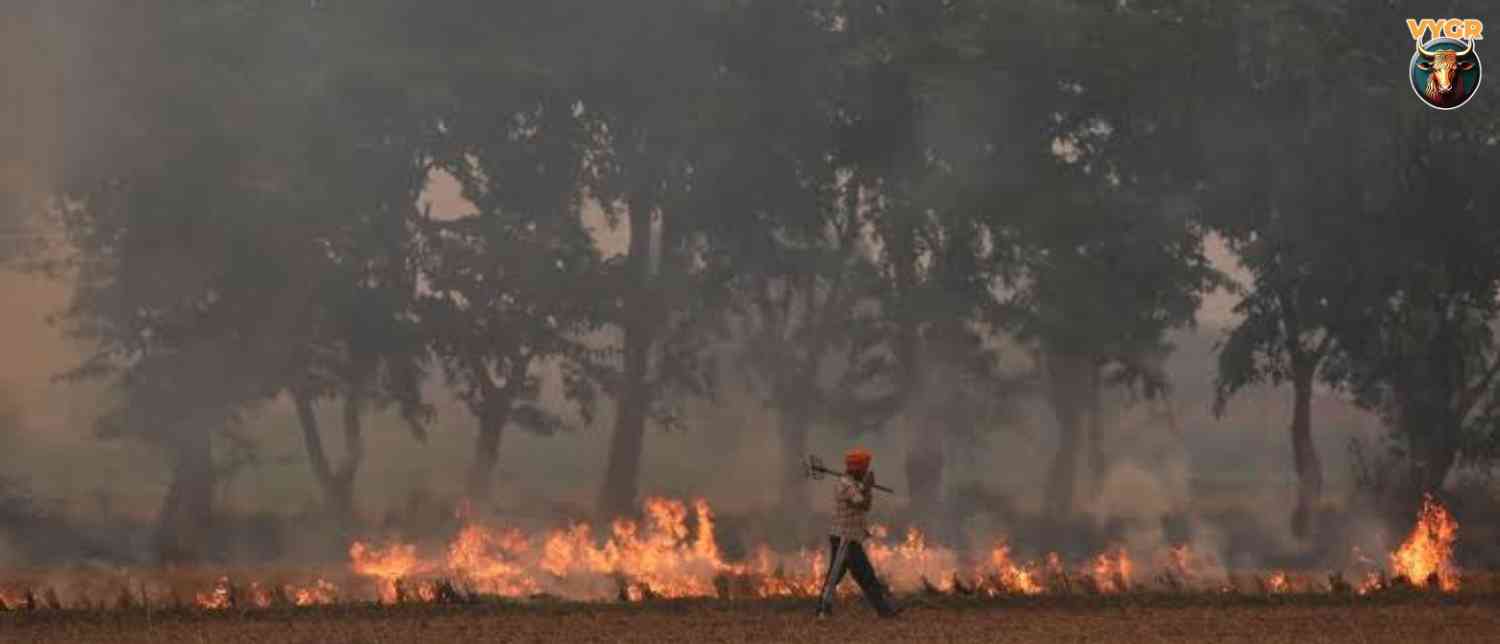
Punjab recorded 1,152 farm fires on Diwali, November 8, the sharpest single-day jump in stubble burning this season. The surge erased weeks of slow progress and pushed the season’s cumulative count to 4,459, up from 3,307 a day earlier.
From 163 to 1,152 in a Single Day
The scale of the jump is what stands out. Satellite data showed only 163 fires on Saturday, November 7. A day later the number was seven times higher. Officials had been tracking the season since September 15, and the Diwali-day figure is now the highest daily count recorded in that period.
The surge comes late in the harvest. About 91.40 per cent of the paddy area has already been cleared, so many farmers who had held off are now burning the last of their residue to clear fields for the next crop.
Why Farmers Light the Fires
The reason is timing. The gap between the paddy harvest and the sowing of the rabi crop, mainly wheat, is short. Some farmers burn the straw to clear their fields quickly, even though the practice is banned. Late-harvested fields and the pressure of the wheat sowing window tend to push the numbers up in the final stretch of the season.
Which Districts Were Hit
Sangrur was among the worst-hit districts and is flagged as topping the cumulative list. Tarn Taran, Ferozepur and Bathinda have also been among the districts with high counts this season. On Diwali day, Patiala logged 92 fresh fires, taking its season total to 288, while Barnala reported 91 new incidents and Ludhiana 71.
Ground Verification and Penalties
Of the 4,459 incidents flagged by satellites, authorities have inspected 2,998 locations. About 1,310 of these were physically verified as stubble-burning cases. The gap between satellite detections and verified cases is normal, since a detection does not always lead to a confirmed field burn.
The state has imposed environmental compensation of over Rs 62 lakh in 1,228 cases, of which more than Rs 32 lakh has been recovered. Enforcement has also included red entries in the land records of farmers found burning residue.
Regulator Under Pressure
The Commission for Air Quality Management (CAQM) had already taken a serious view of the “very high” number of fires in the state. It recently held a meeting with senior officials and police officers from 12 districts to review steps to stop stubble burning. The Diwali-day spike will add to the pressure on the state administration to show results in the final weeks of the season.
Delhi Wakes Up to Heavy Smog
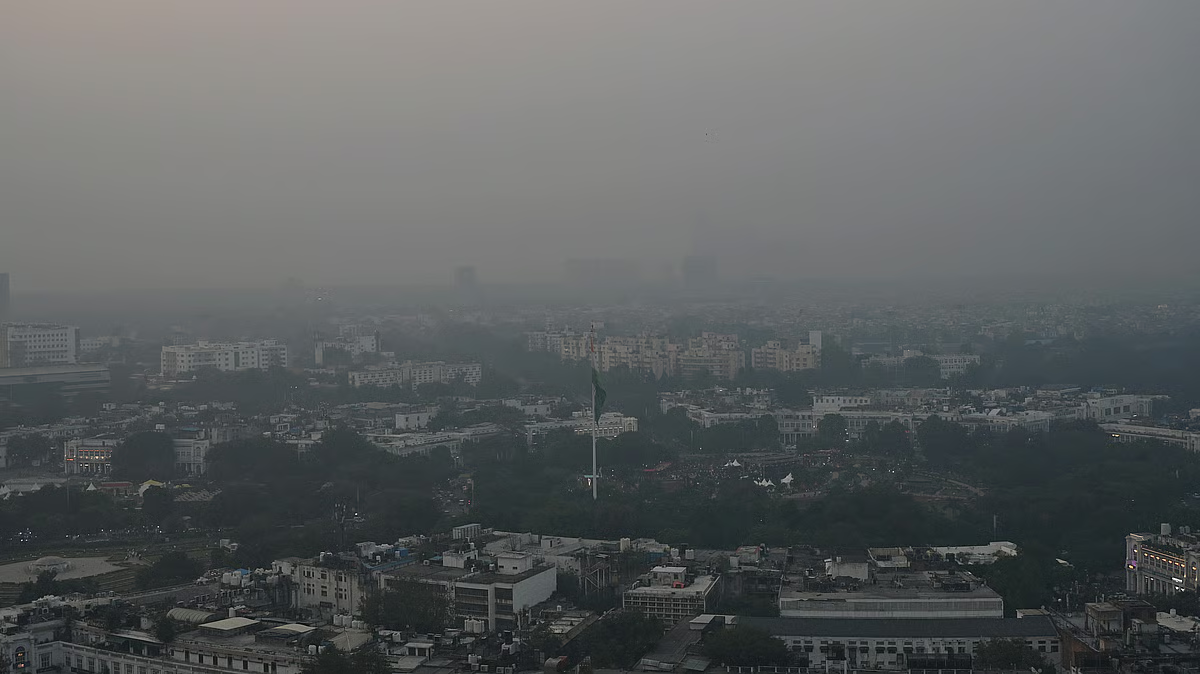
The spike coincided with a sharp deterioration in air quality in Delhi, where the city woke up to heavily polluted air on Monday after Diwali celebrations. Stubble burning in neighbouring states is one of the contributors to Delhi’s winter pollution. Its estimated share in the city’s pollution load was around 3.5 per cent on Sunday, according to the city’s decision support system, so firecrackers and local sources also played a major part on the festival night.
What to Watch Next
Monitoring continues through the end of November, and officials will now watch whether the surge continues or tapers off as the remaining paddy fields are cleared. With wheat sowing in full swing, the daily numbers over the next week will show whether Diwali was a one-day spike or the start of a late-season rise.
© Copyright 2026. All Rights Reserved. Powered by Vygr Media,