 By

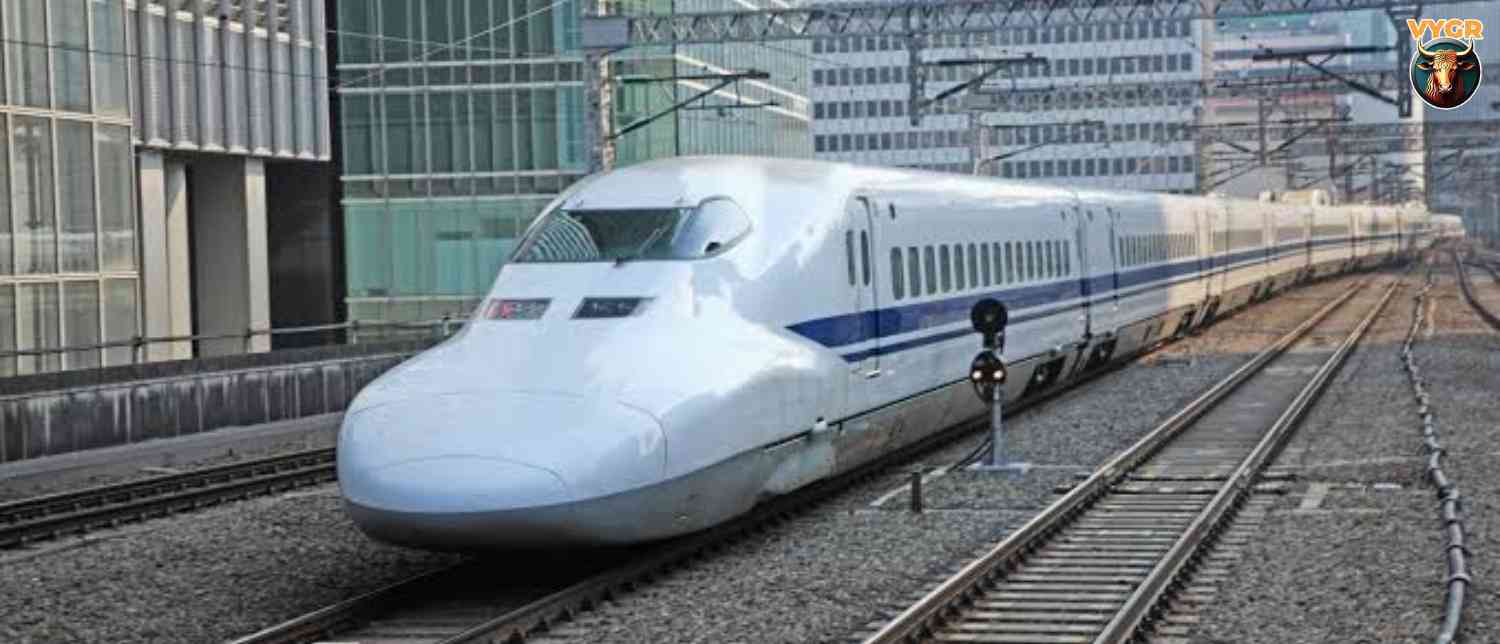
India’s first bullet train started as a straightforward Japanese export. Nearly a decade on, it looks more like a three-country project. The line began in 2017 with Japanese technology and finance and has turned into a hybrid: Japanese track and civil design, European signalling and an Indian-built train.
Where the plan began to fray
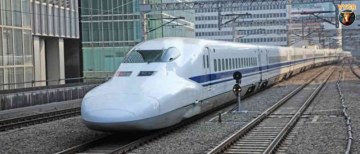
The trouble started with the train itself. In July 2023, the project agency invited bids for 24 trainsets based on Japan’s E5 series, and under the loan’s terms only Japanese manufacturers were eligible. Indian officials then sought changes for 50°C heat and dust, and lower prices. With only a couple of makers able to build the E5, buying became close to single-source. Negotiations were terminated in 2024 over cost and modification disputes, and India turned to homegrown trains built by BEML.
Signalling went the same way. India chose Europe’s ETCS Level 2 over Japan’s DS-ATC system. The winning ETCS bid was reportedly ₹4,140 crore against a rival bid of about ₹12,700 crore. The argument for the switch is a cheaper, more flexible, internationally compatible system and less dependence on one foreign supplier.
The Japanese pushback
Critics say the Shinkansen works because track, signalling and trains are designed as one. A Japanese railway engineer who once worked on the project warned that depots built to maintain E5 trains could face compatibility problems with Indian-built trainsets. The Indian government dismissed the criticism and says talks on the project are progressing well. Japan remains involved, since Japanese financing remains in place and Japanese experts still approve designs, construction schemes and quality control. Japan’s next-generation train, the E10, was not expected before 2034.
Where things stand
- Timeline: Railways Minister Ashwini Vaishnaw says phased operations begin on August 15, 2027, with the Surat–Bilimora section opening first. He expects the entire corridor to be completed by the end of 2029. The project originally had a December 2023 deadline.
- Cost: Costs have nearly doubled to ₹1.98 trillion.
- Trains: The Indian trainsets are designed for an operational speed of 250 km/h and a maximum design speed of 280 km/h, below the line’s original 320 km/h design speed.
- Construction: 365 km of viaduct and 455 km of pier work are complete.
The real test
The line is 508 km long with 12 stations. The bigger question is whether running Japanese track, European signalling and Indian trains together stays safe and reliable every day, and whether the experience makes India’s next high-speed corridors faster and cheaper.
© Copyright 2026. All Rights Reserved. Powered by Vygr Media.