 By

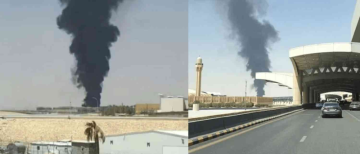
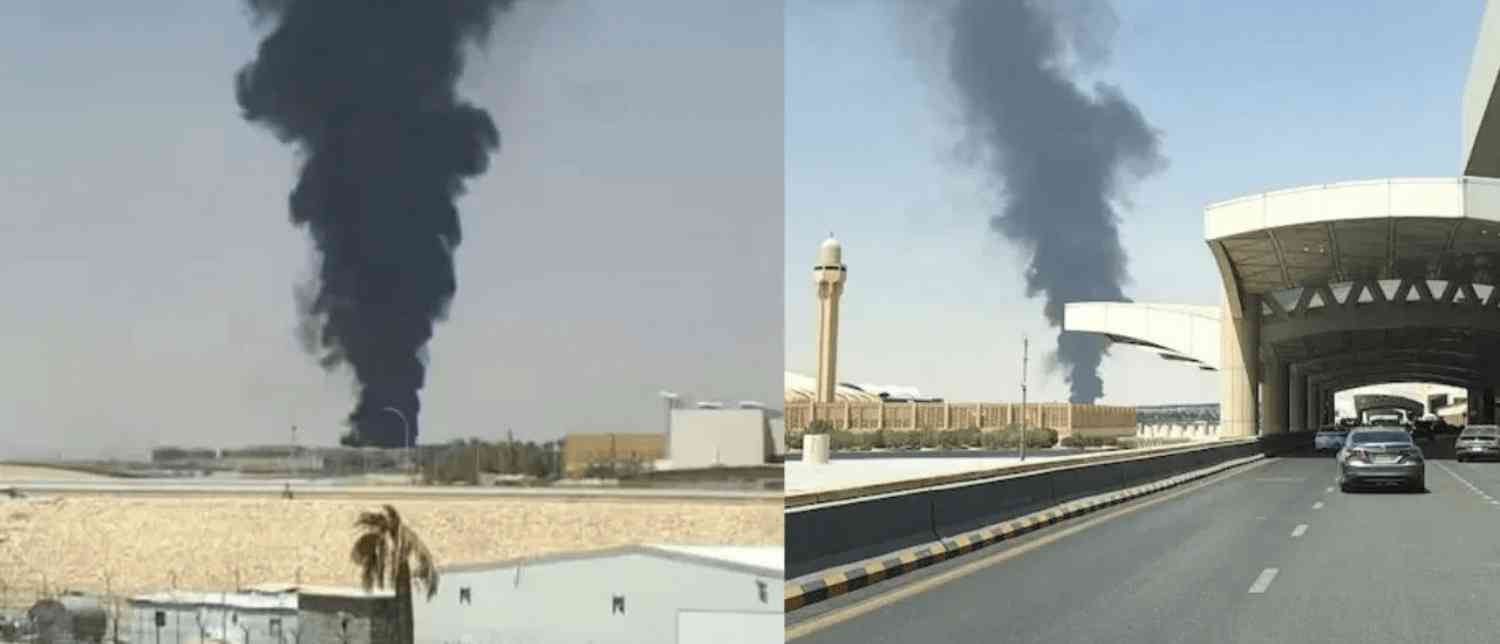
A deadly attack at King Fahd International Airport in Dammam, Saudi Arabia, has claimed the life of Kamlesh Pandey, a 36-year-old man from Gorakhpur district in Uttar Pradesh, leaving his family devastated. The incident, which took place on October 21, 2026, also killed a Saudi national and injured eight people, including two Indian citizens.
The death of the Gorakhpur man in the Dammam airport drone attack has sparked grief in his native village of Kishun Pur, while raising fresh concerns about the safety of Indian nationals working in Saudi Arabia amid escalating regional tensions.
In a separate incident on the same day, another Indian national was injured in an attack targeting Saudi Aramco’s Shaybah oilfield in the kingdom’s Eastern Province. India has strongly condemned both incidents, calling attacks on civilian and critical infrastructure unacceptable and urging an immediate end to the violence.
As authorities assess the consequences of the attacks, the incidents have brought renewed attention to the risks faced by overseas workers and the growing security challenges confronting Saudi Arabia.
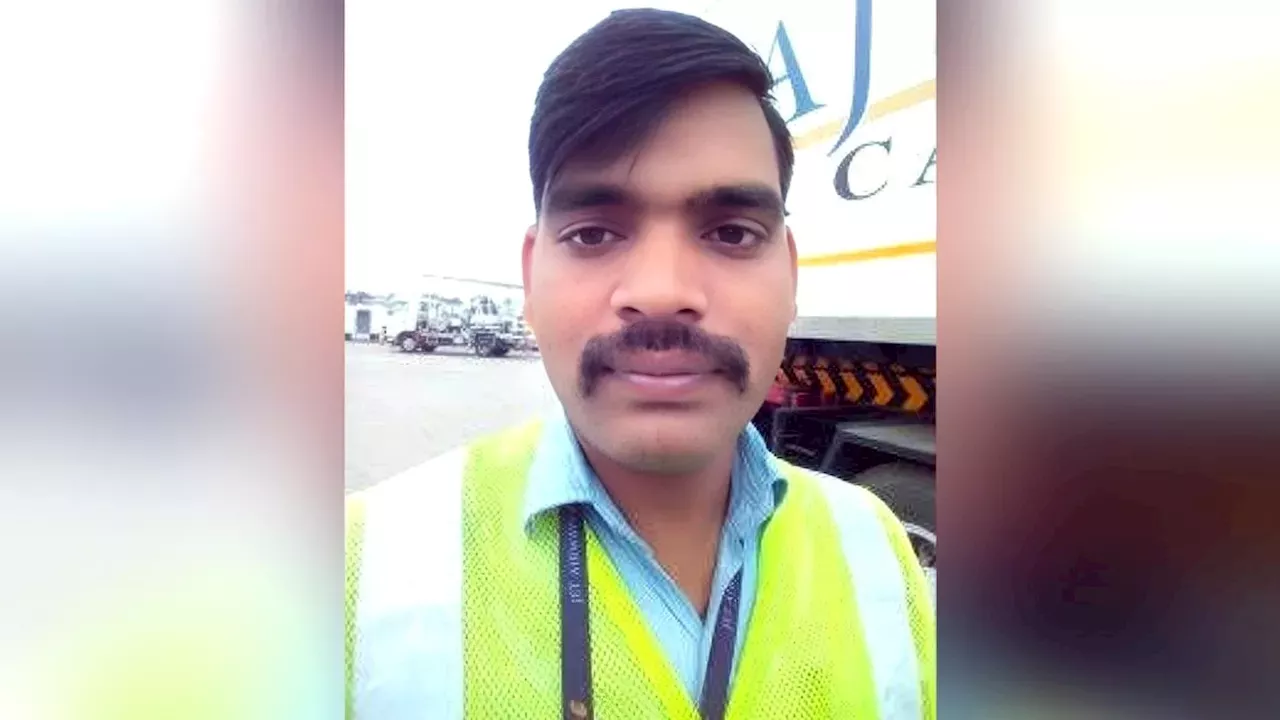
Who Was Kamlesh Pandey? Gorakhpur Family Awaits His Mortal Remains
Kamlesh Pandey, a resident of Kishun Pur village in the Bansgaon area of Gorakhpur district, had been working in Saudi Arabia for several years to support his family back home.
Employed as a bus driver at Dammam airport, Pandey had reportedly been living and working in the kingdom for around four years. He had last visited India approximately five months before the fatal incident.
His death has left his family struggling to come to terms with the sudden loss. Pandey is survived by his wife, Sunita, and their two teenage daughters. He was the second of four brothers, and his father, Harish Chandra Pandey, is a farmer.
According to reports from his native district, two of his brothers assist their father with agricultural work, while another is employed by a private company in the Andaman and Nicobar Islands.
The family received information about his death from officials and subsequently sought assistance in bringing his mortal remains back to India. For his relatives, the immediate priority is to complete the necessary formalities and bring him home for his final rites.
Local police have also been in contact with the bereaved family. Officials in the Bansgaon area have indicated that they will extend the necessary assistance during this difficult period.
Pandey’s death highlights the human cost of violence that extends beyond military installations and strategic targets. For families who depend on relatives working overseas, a security incident thousands of kilometres away can suddenly become a personal tragedy.
What Happened in the Dammam Airport Attack?
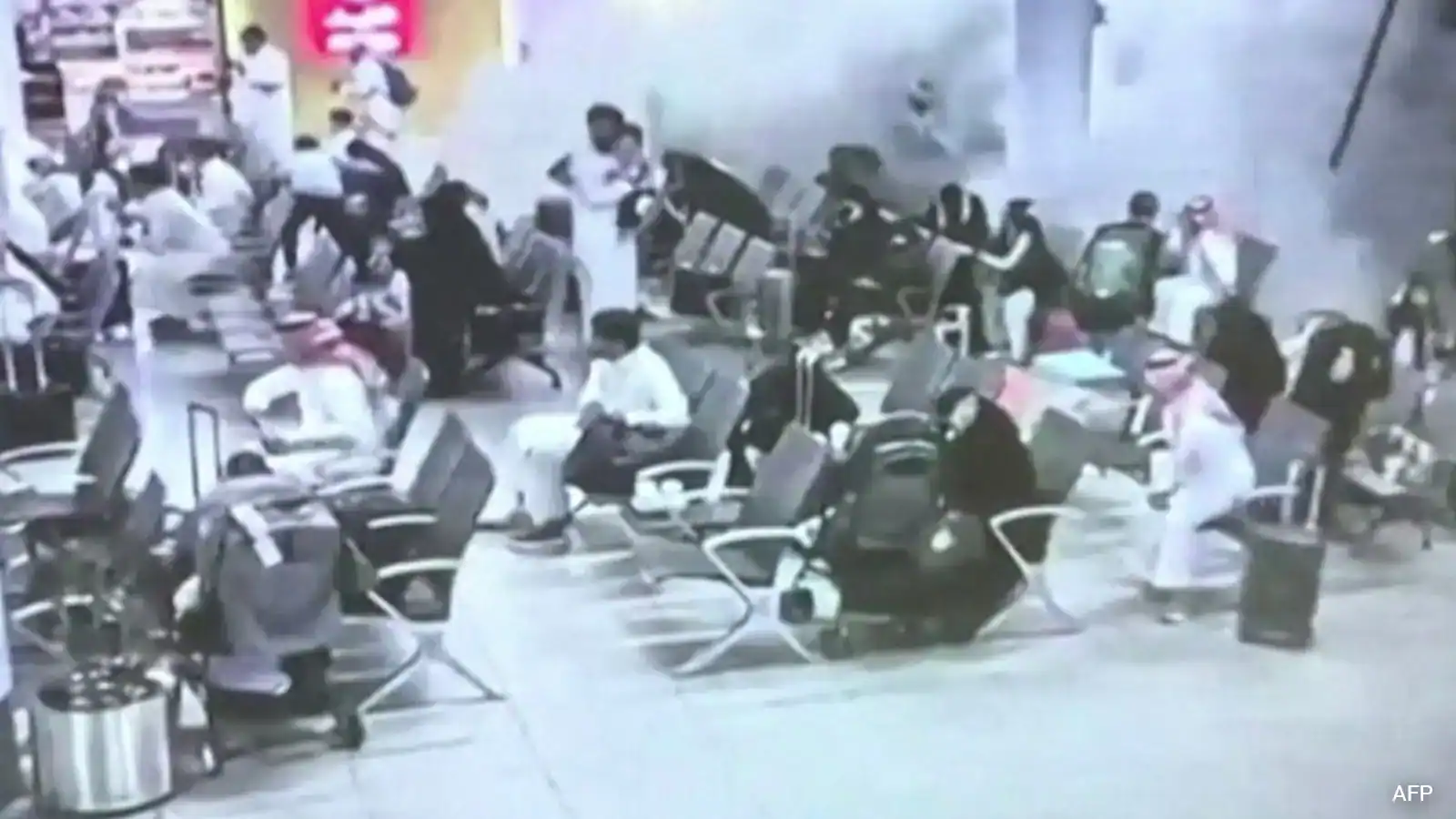
The attack took place on Wednesday night, October 21, at King Fahd International Airport in Dammam, a major aviation hub in Saudi Arabia’s Eastern Province.
According to information released by Saudi aviation authorities, the incident resulted in the deaths of two people—an Indian national and a Saudi citizen. Eight others were injured.
The injured included two Indian nationals, two Yemeni nationals, two Bangladeshi nationals, one Nepali national and one Saudi citizen. Their injuries reportedly ranged from minor to critical, and the victims were taken to hospitals for treatment.
The Indian Embassy in Riyadh confirmed the death of one Indian national and injuries to two others. The mission said it was gathering additional information, contacting affected families and coordinating with Saudi authorities.
Although initial reports described the incident as a drone attack, officials had not publicly established all the technical details of the strike or definitively identified those responsible at the time of reporting.
Saudi Arabia’s General Authority of Civil Aviation said that the authorities were assessing the damage and taking the necessary measures to ensure passenger and staff safety. The authority subsequently reported that airport operations had resumed and air traffic had returned to normal.
The incident nevertheless underlined the vulnerability of civilian aviation infrastructure during periods of heightened regional hostilities.
Airports serve not only as transport hubs but also as workplaces for thousands of employees, including drivers, ground staff, maintenance workers, contractors and other personnel. Workers such as Pandey can find themselves exposed to danger even when they have no direct involvement in the conflict.
Another Indian Injured in Attack on Saudi Aramco’s Shaybah Oilfield
The Dammam airport incident was not the only attack affecting Indian nationals in Saudi Arabia on October 21.
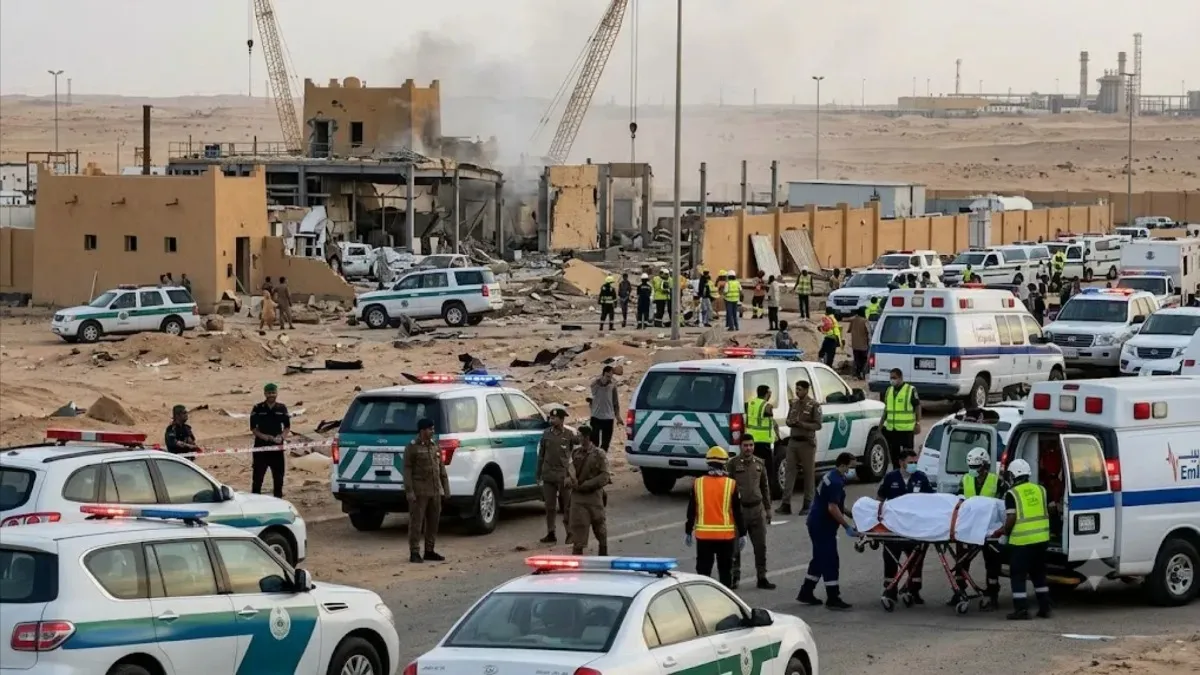
A separate incident at Saudi Aramco’s Shaybah oilfield left another Indian national injured. The oilfield, located in the Rub' al-Khali desert in southeastern Saudi Arabia near the United Arab Emirates border, is an important component of the kingdom’s energy infrastructure.
According to Saudi energy authorities, air defence systems intercepted a drone directed towards the facility. However, falling debris caused casualties among people in the surrounding area.
Two residents, identified as a Filipino and a Nepali national, were killed, while two others—including an Indian national and a Pakistani national—were injured.
The incident also reportedly caused a fire involving a contractor’s vehicle outside the oilfield’s perimeter. Saudi authorities indicated that oilfield operations were not affected.
The Indian Embassy in Riyadh confirmed that an Indian citizen had been injured in the Shaybah incident and said it was in contact with Saudi officials to provide assistance.
The airport and oilfield incidents together left one Indian national dead and three others injured across the two locations.
The fact that both attacks occurred on the same day has intensified concerns about the security of civilian facilities and critical infrastructure in the kingdom.
India Strongly Condemns Attacks on Saudi Arabia
India responded firmly to the attacks, condemning the strikes on King Fahd International Airport and the Shaybah oilfield.
In its statement issued on October 22, the Ministry of External Affairs said the attacks on civilian and energy infrastructure had resulted in deaths and injuries. It described such attacks as completely unacceptable and called for them to cease immediately.
The government also conveyed condolences to the family of the Indian national killed in Dammam and wished those injured a speedy recovery.
New Delhi reaffirmed its solidarity with Saudi Arabia and expressed hope that peace and normalcy would return to the region as soon as possible.
The Indian Embassy in Riyadh said it was coordinating with Saudi authorities and would provide all possible assistance to those affected. This includes maintaining contact with the deceased man's family and supporting arrangements for the transportation of his mortal remains to India.
The diplomatic response reflects India's concern over the safety of its citizens abroad, particularly in countries where large numbers of Indian workers contribute to local economies while supporting families in India.
However, the identification of those responsible for the Dammam airport attack remained unresolved in the available official statements. Although Iran-backed Houthi rebels have been linked to other attacks in the region, responsibility for this specific incident should not be treated as confirmed without an authoritative attribution.
Rising Security Concerns for Indians Working in Saudi Arabia
Saudi Arabia is home to a substantial Indian expatriate community, with citizens employed across sectors such as construction, transport, healthcare, hospitality, manufacturing, engineering and energy.
For many households in India, overseas employment provides an essential source of income. Workers regularly send money home to cover everyday expenses, education, healthcare, housing and other family needs.
The death of a worker in an airport attack therefore carries consequences that extend well beyond the immediate incident.
In Pandey’s case, the loss has left his wife and two daughters without a husband and father. His family’s wait for his mortal remains adds another painful dimension to a tragedy already compounded by the uncertainty surrounding the regional security situation.
Recent attacks on Saudi airports and energy facilities have also prompted Indian diplomatic officials to remind citizens to exercise caution, remain alert to local security instructions and take shelter when directed during aerial attacks.
Indian nationals have been advised to avoid taking or circulating photographs and videos of drone or missile interceptions and their impact sites, as doing so could violate local laws or create additional security concerns.
Such guidance is particularly relevant to workers whose jobs require them to travel between facilities, work outdoors or remain on duty at transport and industrial locations.
For expatriates, following official instructions, monitoring embassy advisories and maintaining contact with employers and family members can be important precautions during periods of heightened risk.
What the Attacks Mean for Regional Stability
The incidents at Dammam airport and the Shaybah oilfield come amid a broader pattern of attacks and security concerns involving Saudi Arabia’s airports, energy facilities and other critical infrastructure.
The targeting of these facilities has implications beyond the immediate loss of life. Airports are essential for passenger movement, international connectivity and commercial activity, while oilfields underpin a major part of Saudi Arabia’s economy and the global energy supply chain.
Disruptions to either sector can affect workers, travellers, businesses and international transport networks.
At the same time, the consequences are felt most directly by ordinary people caught in the path of violence. The casualties in Dammam included citizens of several countries, illustrating how attacks on civilian facilities can affect people regardless of nationality.
India’s call for an immediate end to attacks on civilian and critical infrastructure reflects the wider concern that continued escalation could put more lives at risk.
For the families of those killed or injured, diplomatic statements and security assessments offer little immediate relief. Their most urgent concerns remain medical recovery, practical assistance and, in Pandey’s case, bringing a loved one home.
Gorakhpur Mourns Kamlesh Pandey as India Seeks an End to Attacks
The death of Kamlesh Pandey in the Dammam airport attack has brought the consequences of Saudi Arabia’s security crisis into sharp focus for a family in Gorakhpur, Uttar Pradesh.
A man who had travelled abroad to earn a living and support his loved ones has become one of the civilian victims of an attack that also killed a Saudi national and injured eight people. A separate incident at the Shaybah oilfield injured another Indian worker and claimed two additional lives.
India has condemned both attacks and called for an immediate halt to strikes against civilian and critical infrastructure. Meanwhile, diplomatic officials are coordinating with Saudi authorities to assist affected Indian nationals and their families.
As investigations and security assessments continue, the priority remains clear: protecting civilian lives, assisting those affected and preventing further escalation.
For Kamlesh Pandey’s family in Kishun Pur, the tragedy is deeply personal. Their immediate hope is to bring his mortal remains home, while a wider community waits for the violence to subside and for Indian workers in Saudi Arabia to be able to carry on with their lives in safety.
© Copyright 2026. All Rights Reserved. Powered by Vygr Media.