 By

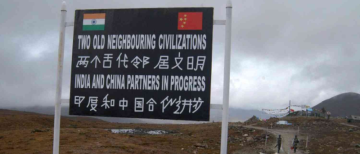
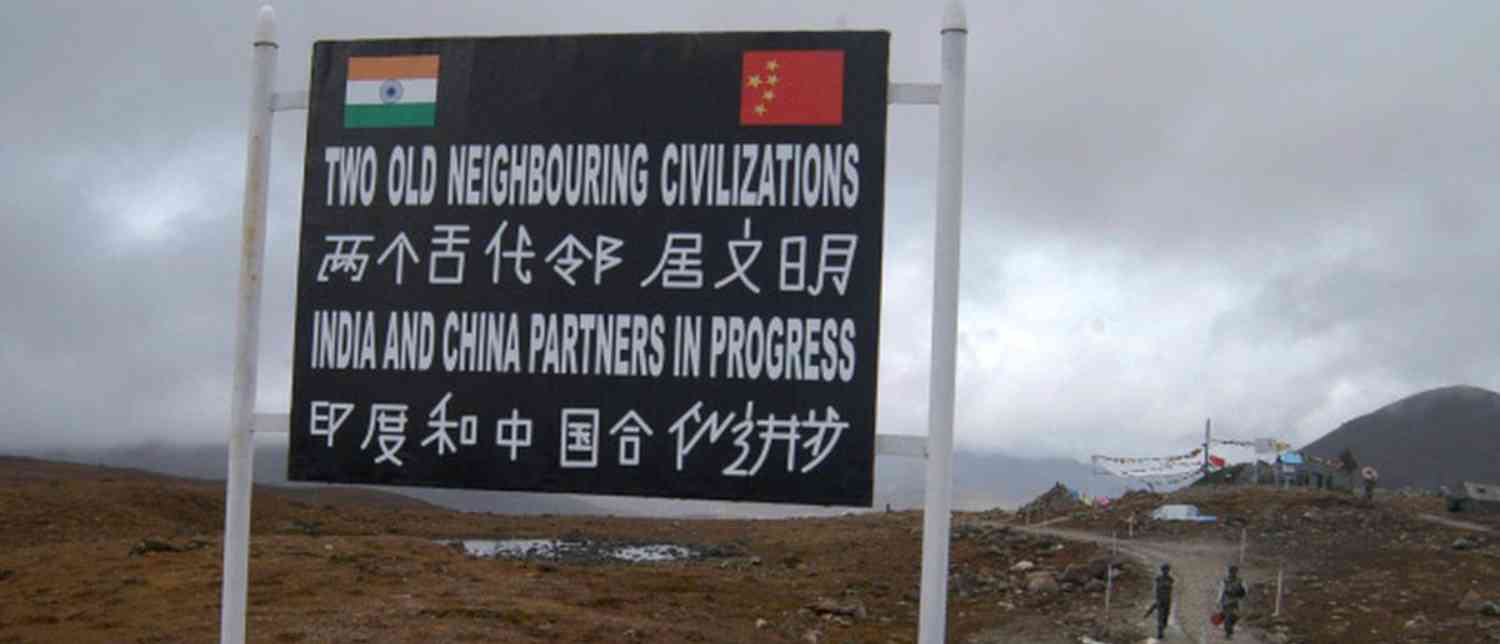
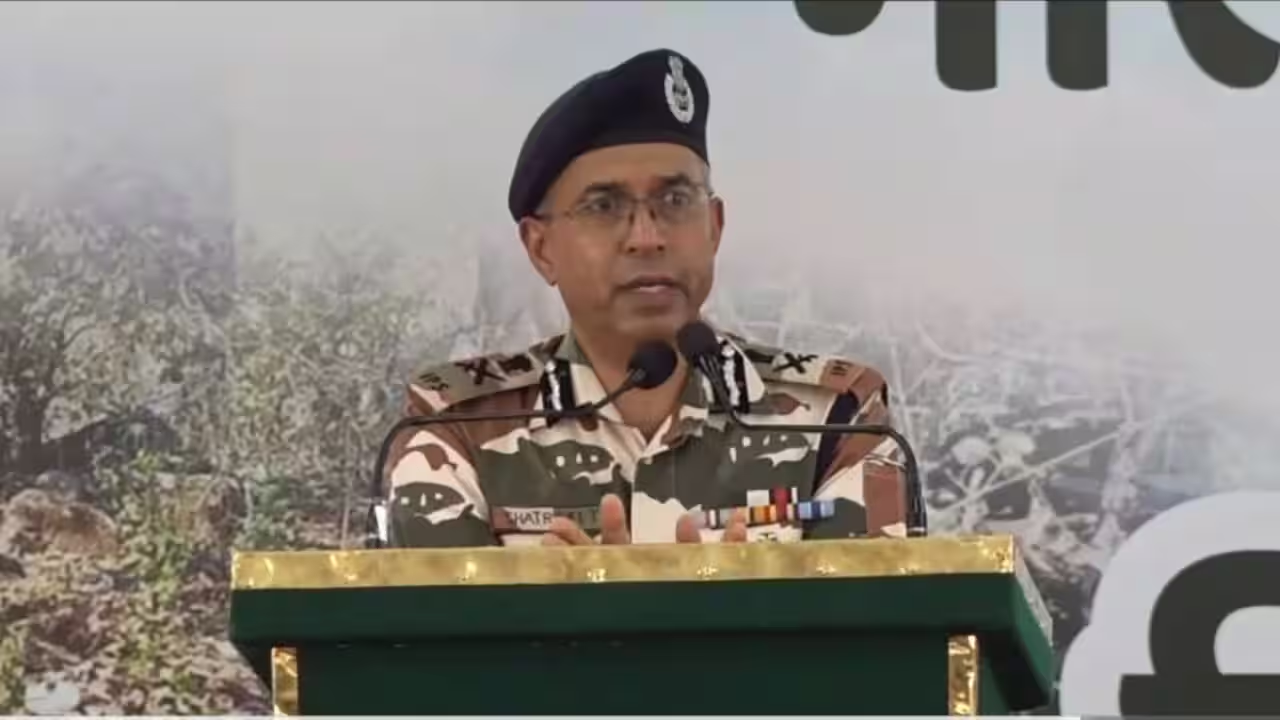
New Delhi, October 23: Tensions along the India-China border in Arunachal Pradesh remain a concern, with Indo-Tibetan Border Police (ITBP) Director General Shatrujeet Kapur confirming that face-offs between Indian personnel and Chinese troops are continuing at multiple locations. His remarks have brought fresh attention to the security situation along the Line of Actual Control (LAC), as India strengthens its frontline preparedness through specialised combat units, advanced technology and intensive military training.
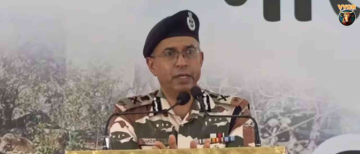
Speaking at an annual felicitation ceremony for ITBP personnel in Alwar, Rajasthan, Kapur acknowledged that confrontations had occurred at several locations in Arunachal Pradesh and were yet to fully subside. He also praised the performance of the newly established Shaurya commandos, describing their contribution during the encounters as a significant achievement for the force.
The statement is particularly important because it provides an official confirmation of continuing face-offs in the northeastern border sector. It also highlights the challenges confronting Indian forces in an area where difficult terrain, competing territorial claims and access to patrolling locations complicate border management.
While the remarks underline the seriousness of the situation, they do not, by themselves, establish that a new territorial occupation has taken place or that a major armed clash is imminent.
Face-Offs Reportedly Continuing Since July
The latest developments follow reports of heightened friction along the Arunachal Pradesh border since July 2026. Concerns emerged over Chinese troops allegedly restricting Indian personnel's access to designated patrolling points in the Taksing area, located in the strategically sensitive Upper Subansiri district.
A fact-finding team associated with a regional political party also raised concerns about increasing Chinese activity in the district and difficulties surrounding access to certain border locations. However, the claims about restricted access and territorial developments have been contested, and the government has maintained that Arunachal Pradesh is an integral part of India.
Kapur's confirmation that face-offs have occurred at multiple locations adds a significant dimension to the discussion. It indicates that the border situation involves continuing encounters and operational challenges rather than an isolated episode.
The developments are also notable because the reported tensions persisted around the September BRICS Summit in New Delhi, which Chinese President Xi Jinping attended. The timing underscores how diplomatic engagement between the two countries can continue even as unresolved border issues place pressure on bilateral relations.
The precise locations, circumstances and operational details of the latest confrontations have not been publicly established in full. Consequently, the distinction between a face-off, a restriction on patrolling access and a confirmed territorial change remains important when assessing the situation.
Shaurya Commandos Emerge as a Key Component of Border Security
One of the most significant announcements from the ITBP chief concerns the performance and planned expansion of the Shaurya commandos, a newly raised combat unit intended to strengthen the force's operational capabilities.
Kapur praised the commandos for their role during the ongoing face-offs in Arunachal Pradesh. Their performance, he indicated, demonstrated the value of specialised personnel trained to respond to demanding situations along the China border.
The Shaurya units are being developed as an important part of the ITBP's high-altitude combat preparedness. Their planned deployment across border-guarding battalions would help extend specialised capabilities to a wider section of the force rather than concentrating them in a limited number of units.
The initiative reflects the realities of operating along the India-China border, where personnel must navigate steep mountain terrain, extreme weather, difficult logistics and potentially tense encounters with opposing troops. Such conditions demand more than conventional border patrol skills; they also require physical endurance, tactical coordination, disciplined decision-making and the ability to respond quickly without allowing local confrontations to escalate.
The emphasis on specialised commandos also signals a broader shift in India's border security strategy. Alongside maintaining a visible presence at forward posts, the ITBP is seeking to improve its capacity to manage unpredictable situations and protect personnel in challenging operational environments.
New 'Strike' Training Course Aims to Prevent Galwan-Like Clashes
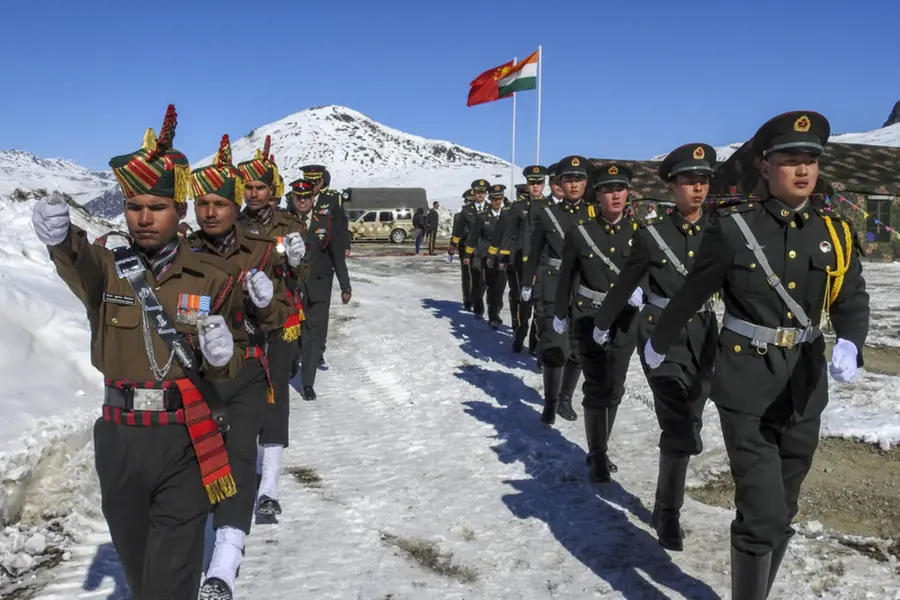
Another major element of the ITBP's preparedness strategy is a specialised combat training programme called the 'Strike' course. Designed to improve frontline tactics and battlecraft, the programme aims to prepare personnel for dangerous encounters and reduce the risk of situations escalating into deadly clashes.
The initiative draws particular significance from the June 2020 Galwan Valley confrontation in eastern Ladakh, during which 20 Indian soldiers were killed in a violent clash with Chinese troops. The incident became a defining moment in recent India-China border relations and reinforced the need for improved preparation for close-range confrontations.
The new training approach focuses on equipping personnel with updated tactical knowledge and practical skills suited to the changing nature of border encounters. The objective is to help troops respond more effectively under pressure while reducing the likelihood of a repeat of the deadly circumstances witnessed in Galwan.
Kapur has indicated that the training is intended to cover the wider force, with the entire ITBP expected to undergo the programme by the end of 2027.
The move is significant because border confrontations can develop rapidly, particularly in remote locations where reinforcements, communications and medical assistance may face logistical constraints. Better training can strengthen coordination, improve situational awareness and help personnel make more informed decisions during tense encounters.
However, training alone cannot resolve the underlying territorial disagreements between India and China. Its principal purpose is to improve operational readiness and reduce risks while border management and diplomatic engagement continue.
Drone Warfare Becomes a Priority for ITBP Modernisation
Technology is emerging as another central pillar of India's border security preparations. Kapur has highlighted the growing importance of drones, arguing that unmanned systems can offer smaller forces additional options when confronting a technologically advanced opponent.
The ITBP has established drone platoons in its border-guarding battalions and is training personnel in drone operations and related technical capabilities. The force has also initiated efforts involving drone-pilot training and the development of in-house drone technology.
Drones can support border surveillance, reconnaissance, monitoring of difficult terrain and the rapid assessment of changing conditions around forward positions. Depending on their configuration and mission, unmanned systems can also help personnel gather information without immediately exposing patrol teams to potentially dangerous locations.
The growing focus on drones reflects lessons from modern conflicts, where relatively inexpensive unmanned platforms have influenced surveillance, battlefield awareness and operational planning. For India, the challenge is to adapt these capabilities to the distinctive conditions of the Himalayan frontier, including high altitude, severe weather and limited connectivity.
The ITBP has received government funding for modernisation, with a substantial share directed towards drone capabilities. In addition, the Ministry of Home Affairs has given in-principle approval to a larger modernisation plan that includes funding for drone and anti-drone systems.
These investments are intended to improve the force's ability to detect emerging threats, protect forward deployments and respond to evolving security challenges. Anti-drone capabilities are particularly relevant as unmanned systems become increasingly common in modern military operations.
Underground Shelters and Better Facilities for High-Altitude Troops
Modernisation is not limited to combat units and technology. The ITBP is also working to improve infrastructure and living conditions at remote border posts, where harsh weather can affect both personnel and equipment.
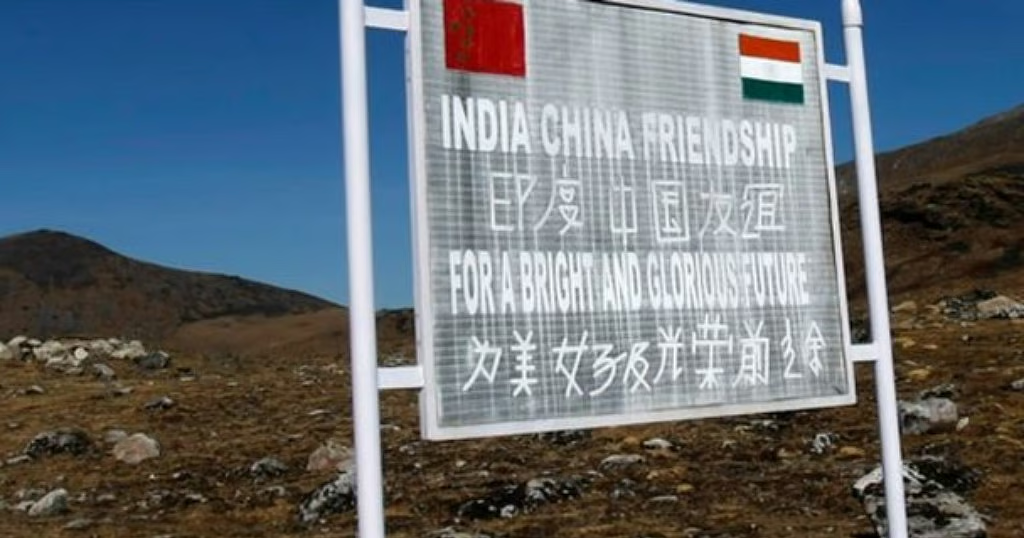
Plans include the construction of underground shelters at forward locations to reduce vulnerabilities during a potential conflict. Such infrastructure could offer additional protection in circumstances where exposed, above-ground facilities become difficult to defend.
The force is also upgrading facilities at high-altitude posts through measures such as better-insulated barracks, solar water heaters and generator sets to maintain essential services in isolated areas. Cold-start kits are being introduced to help vehicles operate in freezing conditions.
These improvements may appear less dramatic than the creation of specialised combat teams, but they are essential to sustained border operations. Personnel stationed in remote mountainous regions must contend with low temperatures, difficult supply routes and limited access to routine services. Better accommodation, reliable power and dependable transport can directly support operational effectiveness.
The broader objective is to develop the ITBP into a specialised high-altitude force capable of maintaining a sustained presence along the 3,488-kilometre India-China LAC.
Congress Questions Centre Over Border Developments
The confirmation of ongoing face-offs has also intensified political debate over the government's handling of India-China relations.
Congress MP Jairam Ramesh questioned Prime Minister Narendra Modi's response to the developments, accusing the Centre of remaining silent on the latest confrontations. He also raised concerns about reported restrictions on access to patrolling points, the outcome of military-level discussions and China's activities in Arunachal Pradesh.
The opposition's criticism has focused on transparency and the government's response to reports from border areas. Ramesh also referred to China's continued efforts to rename places in Arunachal Pradesh and concerns surrounding a large dam project in the region.
The government, meanwhile, has rejected claims of new Chinese occupation in Arunachal Pradesh. Union Minister Kiren Rijiju has acknowledged concerns raised by local residents regarding access to certain grazing areas near the border, while maintaining that there has been no new Chinese occupation.
The political dispute highlights a central challenge for policymakers: communicating the realities of a sensitive border situation without compromising operational security or allowing unverified claims to be treated as established facts.
What the Latest Developments Mean for India-China Relations
The continuing India-China face-off in Arunachal Pradesh highlights the importance of combining frontline preparedness with sustained diplomatic engagement. The ITBP's announcements on Shaurya commandos, Strike training, drone platoons and forward infrastructure point towards a more specialised approach to managing the China border.
At the same time, the situation remains complex. Face-offs do not automatically mean that a large-scale conflict is approaching, but repeated encounters and concerns about patrolling access can create friction if they are not managed carefully.
India and China have repeatedly emphasised the importance of peace and tranquillity along the LAC, with border stability carrying wider implications for their bilateral relationship. Military-level communication and diplomatic discussions therefore remain important alongside improvements in surveillance, personnel training and infrastructure.
For now, Kapur's remarks deliver two clear messages: confrontations at multiple locations in Arunachal Pradesh are continuing, and the ITBP is working to strengthen its ability to manage such situations. The effectiveness of these measures will depend not only on equipment and specialised units, but also on disciplined frontline conduct, reliable communication and efforts to prevent local incidents from escalating.
As India strengthens its border security posture, the focus will remain on protecting its personnel, maintaining vigilance along the LAC and managing tensions in one of the country's most strategically sensitive frontier regions.
© Copyright 2026. All Rights Reserved. Powered by Vygr Media.