
 By
By 
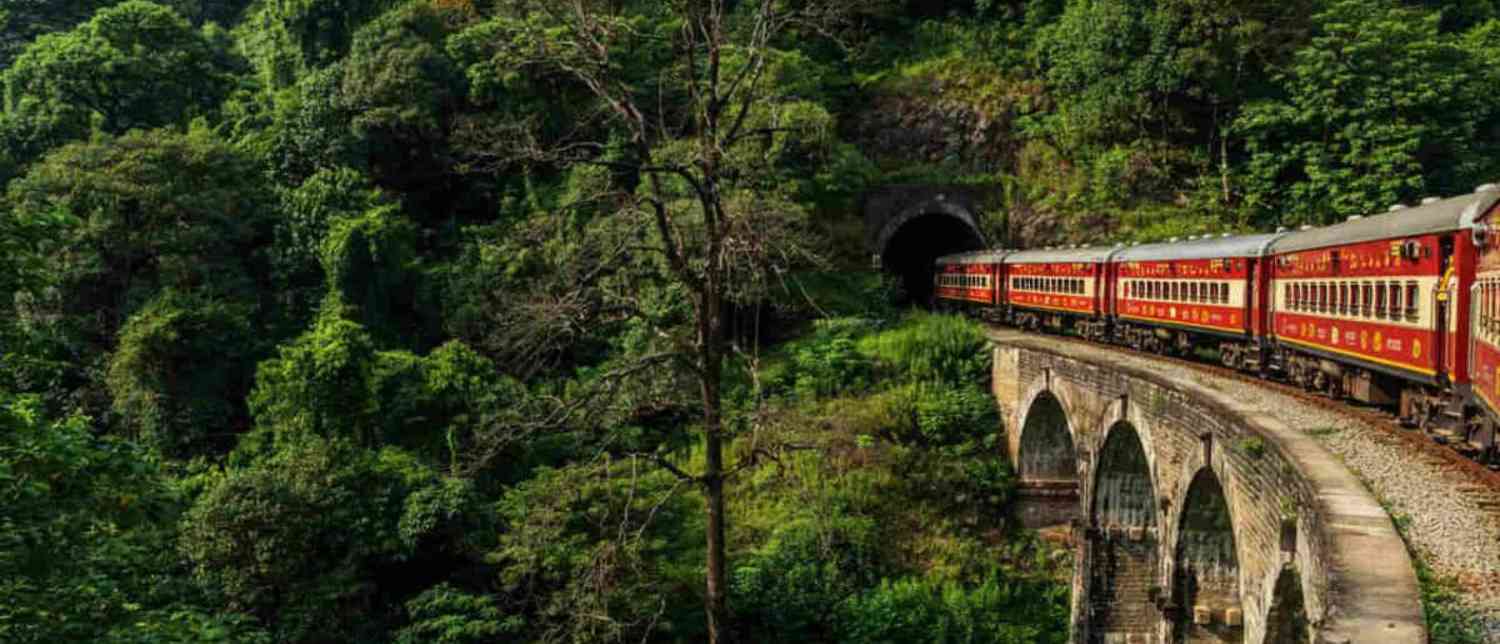
India is moving ahead with a strategically significant railway project in the eastern Himalayas, aiming to strengthen connectivity near the India-China-Bhutan tri-junction while reinforcing logistics, border infrastructure and regional economic integration. The proposed 17-kilometre railway line, extending from Melli to Nathu La in Sikkim, is part of New Delhi's broader effort to improve transportation networks in sensitive border regions amid evolving geopolitical dynamics.
The development comes at a time when India has accelerated infrastructure projects across its northern and northeastern frontiers, with roads, tunnels, airports and railway lines being prioritised to improve civilian access while also supporting military mobility. The latest railway proposal is expected to complement the ongoing Sevoke-Rangpo rail project, which will provide Sikkim with its first railway connectivity and significantly reduce travel time between the Himalayan state and the rest of the country.
Strategic importance near the tri-junction
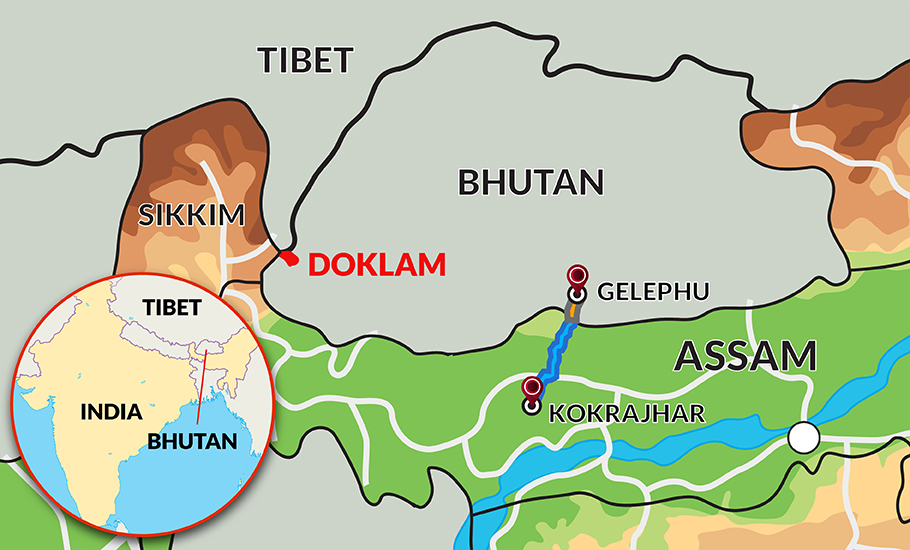
The proposed railway alignment holds considerable strategic significance because it lies close to the India-China-Bhutan tri-junction, an area that has remained geopolitically sensitive following the 2017 Doklam standoff between Indian and Chinese troops.
Improved rail connectivity would enable faster movement of personnel, equipment and essential supplies to border areas while enhancing disaster response capabilities in one of India's most challenging mountainous terrains. Although the project is designed primarily as civilian infrastructure, experts note that enhanced transportation networks naturally strengthen defence preparedness in border regions.
The railway project also aligns with the Centre's long-term vision of improving connectivity across the Northeast, a region that has witnessed significant investments in highways, bridges, railway expansion and multimodal transport over the past decade.
Complementing broader regional connectivity
The proposed line is one among several connectivity initiatives being pursued in eastern India and the Himalayan region.
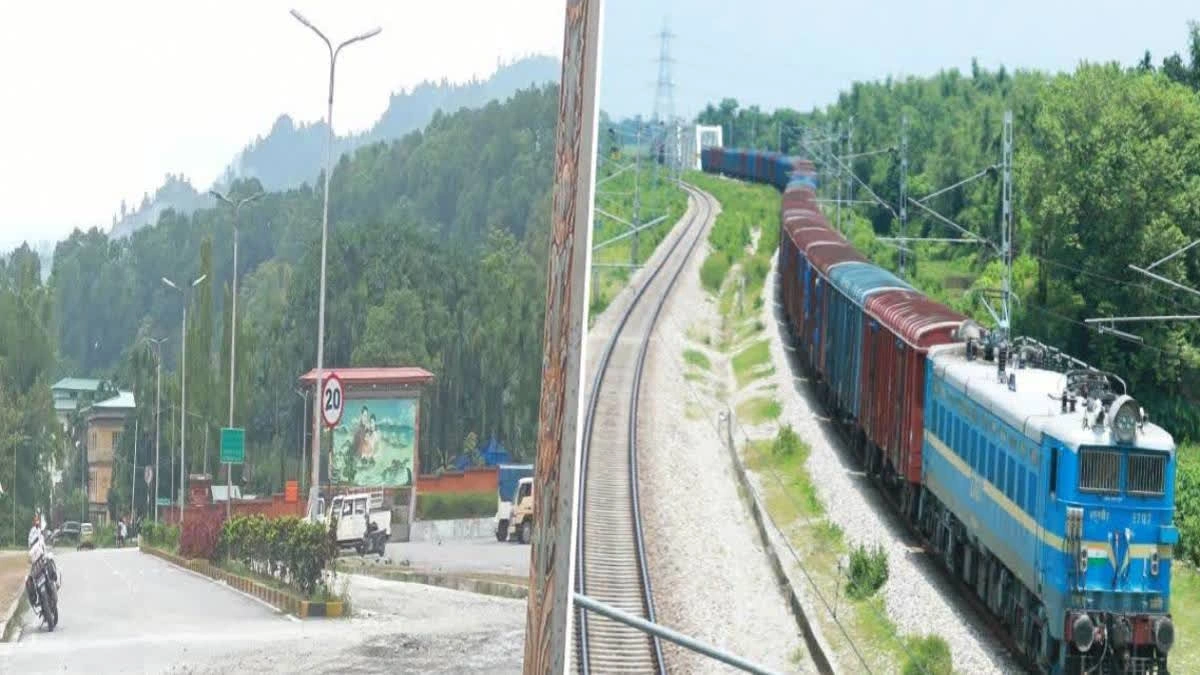
Recently, India and Bhutan also announced landmark plans to establish the first-ever railway connectivity between the two countries, with two cross-border rail links connecting Kokrajhar in Assam to Gelephu and Banarhat in West Bengal to Samtse. Together, the two projects span 89 kilometres and are estimated to cost over ₹4,000 crore, underscoring India's emphasis on improving regional connectivity and strengthening ties with its Himalayan neighbour.
Bhutan currently has no railway network, making these projects historically significant for bilateral relations. Besides facilitating trade and tourism, they are expected to improve market access for Bhutan while enhancing economic integration across eastern India.
Wang Yi's Nathu La visit revives trade dialogue
The railway project has gained additional attention following reports surrounding Chinese Foreign Minister Wang Yi's visit to Nathu La, one of the historic Himalayan mountain passes linking India and China's Tibet Autonomous Region.
Nathu La has long served as an important trade route between the two countries, with border trade periodically resuming after diplomatic engagements. The renewed focus on the pass reflects cautious efforts by both nations to stabilise bilateral relations following years of military tensions along the Line of Actual Control (LAC).
While diplomatic engagement and infrastructure development represent different tracks of bilateral relations, analysts believe improved connectivity on the Indian side provides long-term strategic advantages irrespective of the broader geopolitical climate.
Boost for tourism and local economy
Apart from its strategic role, the railway project is expected to deliver substantial economic benefits for Sikkim.
Nathu La is among the state's most visited tourist destinations, attracting thousands of domestic travellers annually because of its historical importance, scenic landscape and proximity to the international border.
Rail connectivity would make travel to Sikkim more convenient by integrating the state into the national railway network, reducing dependence on road transport that is often affected by landslides and adverse weather conditions.
Better transportation infrastructure is also expected to benefit local businesses, hospitality operators and logistics providers while encouraging investment in tourism-related services across the region.
Engineering challenges remain
Constructing railway infrastructure in the Himalayas remains an engineering challenge.
The terrain is characterised by steep gradients, unstable geology, heavy rainfall and environmentally sensitive ecosystems. Similar difficulties have already been encountered during construction of the Sevoke-Rangpo railway line, which involves numerous tunnels and bridges through mountainous terrain.
Authorities have therefore initiated detailed surveys to determine the most feasible alignment before construction begins. The final route will need to balance engineering feasibility, environmental considerations and strategic requirements.
Infrastructure as strategic policy
India's investment in railway infrastructure reflects a broader policy shift that increasingly views connectivity as both an economic and strategic asset.
Over the past several years, the government has expanded transport infrastructure across border states, including Arunachal Pradesh, Sikkim, Uttarakhand, Ladakh and the Northeast. Improved logistics are expected to support local development while ensuring faster mobilisation during emergencies.
Experts believe such projects also contribute to reducing regional isolation, improving access to healthcare, education and employment opportunities for remote communities.
Looking ahead
Although the proposed 17-km railway line is still at the survey stage, it represents another significant step in India's long-term infrastructure strategy for its border regions.
Combined with ongoing railway expansion in Sikkim and the planned cross-border rail links with Bhutan, the project highlights New Delhi's effort to integrate economic development with national security objectives.
As India continues to strengthen transport corridors across the eastern Himalayas, these projects are expected to reshape regional connectivity while reinforcing the country's strategic posture along one of Asia's most sensitive frontiers.
With input from agencies
Image Source: Multiple agencies
© Copyright 2026. All Rights Reserved. Powered by Vygr Media.