 By

The Home Ministry says the rationalised system will make visa choices clearer and applications faster, and will be fully in use by the end of 2026 once its IT systems are updated.
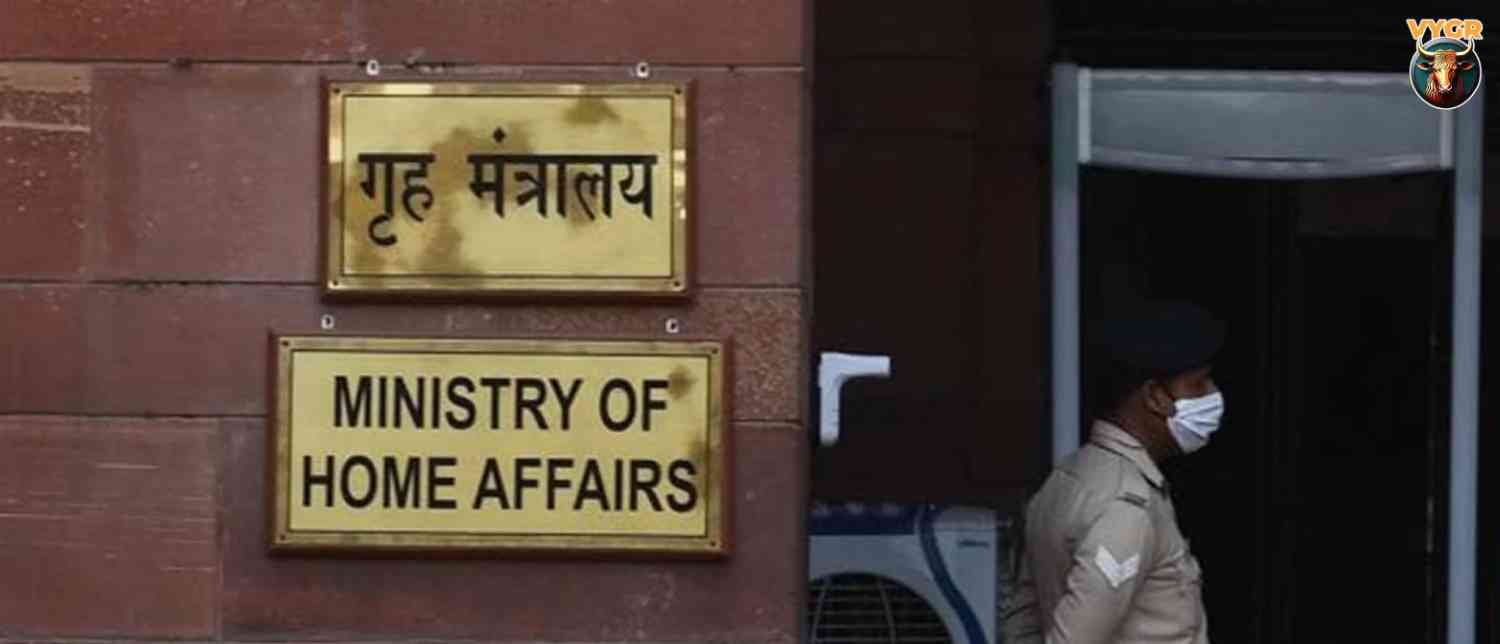
India has rationalised its visa system again, cutting the number of main visa categories from 13 to 9 and sub-categories from 49 to 23. The Ministry of Home Affairs announced the changes on Wednesday, November 11, along with a 65 to 70 per cent reduction in the number of fields in application forms. The ministry says the changes will make the system more compact and easier to navigate for tourists, patients, students, researchers, investors and business professionals.
What Has Changed
The ministry said it made the reduction from 13 to 9 main categories on August 27, 2026. It follows an earlier round of simplification in October 2025, when main categories were cut from 22 to 13 and sub-categories from 63 to 49. In designing the changes, the government said it studied the visa systems of developed countries and global standards.
Overlapping categories have been merged so that applicants can more easily identify which visa suits their purpose of travel. E-visas, which are processed through an electronic travel authorisation under 13 sub-categories, are currently available to nationals of 172 countries.
Tourist Visa Becomes Visitor Visa
The former Tourist Visa has been renamed the Visitor Visa to reflect a wider range of permitted activities beyond tourism. It has two sub-categories:
- V-1: Granted for 30 days with multiple entries. It covers short-term activities such as business meetings, medical consultations, wellness retreats, short-duration medical treatment and short courses in Indian languages, music, art and craft, including short yoga programmes.
- V-2: Meant for longer visits, with validity of one, five or 10 years as specified. It covers everything allowed under V-1, plus mountaineering. Mountaineering visits will get a six-month visa with multiple entries.
Medical Visa: One-Year Default
The medical visa keeps separate provisions for conventional treatment and AYUSH systems:
- M-1: Medical treatment other than under AYUSH systems.
- M-3: Treatment under AYUSH systems.
- M-2 and M-4: Attendant visas for holders of M-1 and M-3 respectively.
M-1 and M-3 visas, including their e-visa versions, will be granted for one year by default with multiple entries. The ministry says this gives patients more predictability when treatment involves several consultations or staged procedures, and links the change to the government’s “Heal in India” push for medical value tourism.
Student Visa: Up to Five Years
The student visa is now organised into two sub-categories:
- S-1: School, graduate and post-graduate education.
- S-2: PhD and research scholars, visiting faculty, foreign research students, scientific and anthropological expeditions, interns and exchange students.
Foreign students enrolled in Indian institutions through the Study in India portal can get an e-S1 visa valid for up to five years or the duration of the course, whichever is shorter, with multiple entries. The ministry says the longer validity will reduce procedural interruptions during studies.
Business Visa: Separate Tracks for Long and Short Assignments
The business visa is split into two:
- B-1: Long-term, licence-based business activity, including setting up industrial or business ventures in India.
- B-2: Short-term, contract-based activity, including conferences, sports, performing arts and films, as well as Production Investment Business.
A specific provision covers foreign subject-matter specialists, engineers and technical staff hired by Indian companies for work such as installation and commissioning, quality checks, essential maintenance, production, IT and ERP ramp-up, training, supply-chain development and technology transfer. They can get a Production Investment Business Visa under B-2 through the e-visa platform. This was earlier issued under the e-B4 category.
The Nine Main Categories
| No. | Main category | Purpose |
|---|---|---|
| 1 | Business | Long-term ventures; short-term activities such as conferences, sports, performances, film shoots |
| 2 | Diplomatic | Diplomats, including UN diplomats, and dependents |
| 3 | Work | Long-term employment with Indian organisations, NGO work, missionary activity |
| 4 | Journalist | Accredited journalists |
| 5 | Medical | Intensive or indoor treatment, including AYUSH, and attendants |
| 6 | Official | Non-diplomatic officials, including UN staff, and dependents |
| 7 | Student | Education, yoga, Vedic culture, Indian music and dance, Buddhist studies, languages, research, internships, exchange |
| 8 | Visitor | Tourism, short business meetings, consultations, wellness retreats, transit, mountaineering |
| 9 | Miscellaneous | Persons of Indian origin and families, Auroville Foundation, dependents, certain long-term visas for neighbouring-country nationals and other uses |
Shorter Application Forms
The ministry has also simplified application forms across all 23 categories and sub-categories, reducing the number of fields by 65 to 70 per cent. It says the forms keep the essential details needed for processing, and that shorter forms will cut applicants’ time and effort and allow more focused scrutiny by officials.
When Will It Take Effect?
Travellers should note that the new system is not fully in use yet. The ministry says it is updating its IT systems and that visas will be issued under the new framework by the end of the year. Until then, applicants will continue to apply under the existing process, so the new category names and form changes may not appear on application portals immediately.
What to Watch Next
The key questions are when the updated online application system goes live, how the new categories are mapped onto existing e-visa types, and whether the changes lead to more tourist, medical, and student arrivals, which is the ministry’s stated goal. The ministry has not published targets or figures for expected arrivals.
© Copyright 2026. All Rights Reserved. Powered by Vygr Media.