 By

The mission meant to clear every old dumpsite in cities by 2026 has made large gains, but the target has slipped again.
Swachh Bharat Mission-Urban 2.0, launched in 2021 and due to run until October 1, 2026, has not cleared the country’s old dumpsites within its five-year period. The Ministry of Housing and Urban Affairs had planned to remove all “legacy” dumpsites in cities by the end of the mission. The ministry has now moved the deadline for remediating all legacy landfills to December 2027, with about 11 crore tonnes of waste still to be cleared. [VERIFY: confirm the December 2027 deadline and the 11 crore tonne figure against the official notification before publishing.]
What the Mission Promised
When the Cabinet approved the second phase of the mission, it set the goal of remediating all legacy dumpsites so that about 14,000 acres of land locked under roughly 15 crore tonnes of waste would be freed up. The Prime Minister described the aim at launch as “garbage-free” cities, and the programme became known as “Lakshya Zero Dumpsites”, with September 2026 as its target date.
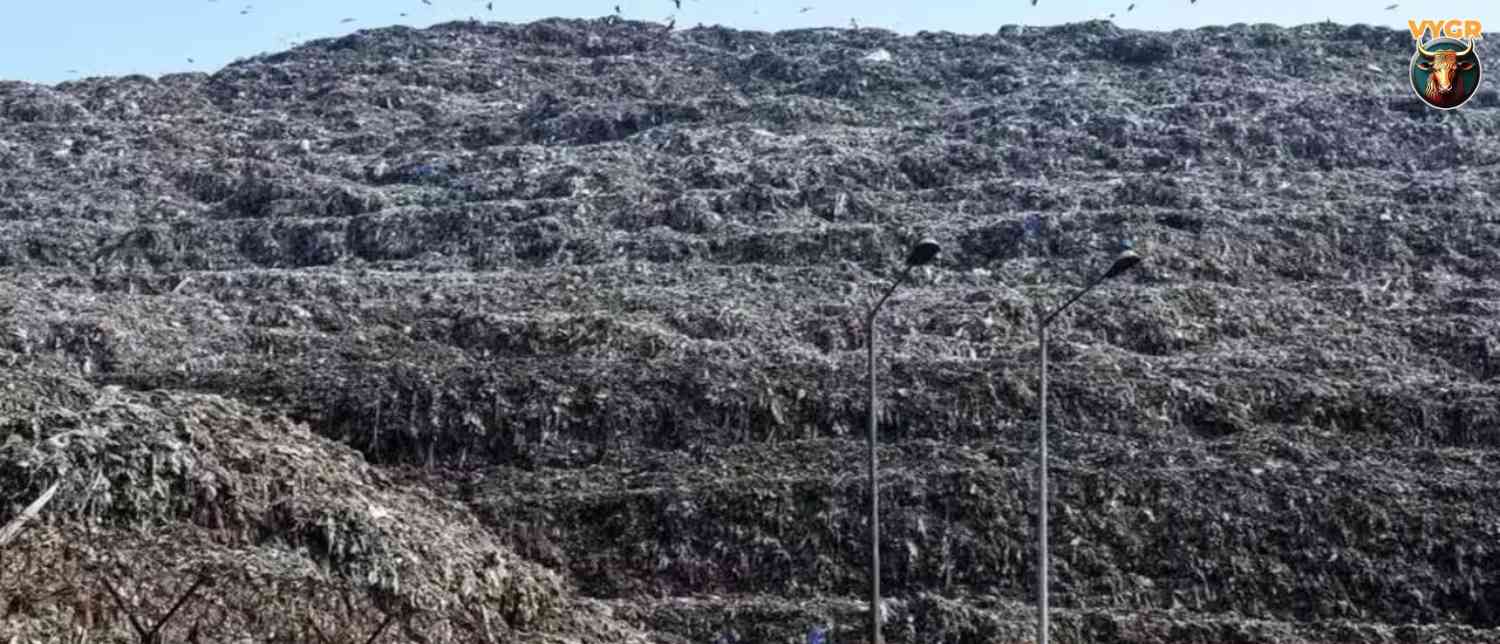
“Legacy waste” refers to old waste that has been lying at dumpsites for a long time, and clearing it is done mainly by bio-mining. In this process, waste is excavated, sorted by machines and processed, and the recovered material is reused or disposed of.
How Much Has Been Done
Since the first estimates were made, the number of identified sites has grown. By January 2026, the ministry said that 2,488 dumpsites, each holding more than 1,000 tonnes of waste and together holding nearly 25 crore tonnes, had been identified for remediation. At that point:
- 1,138 dumpsites had been completely remediated and 1,020 were in progress.
- About 15.51 crore tonnes of waste, or 62 per cent, had been remediated.
- About 8,484 acres of land, or 56 per cent, had been reclaimed.
In calendar year 2025, 3.66 crore tonnes of legacy waste were remediated, and 459 urban local bodies across 29 states completed remediation of their dumpsites, according to the ministry.
Why the Deadline Slipped
By late 2025, the ministry itself acknowledged that cities needed to work at least twice as fast to meet the September 2026 target. In November 2025, it launched the Dumpsite Remediation Accelerator Programme to fast-track 214 sites, spread across 202 urban local bodies, which together account for about 80 per cent of the remaining waste. The central government supports remediation at an estimated Rs 550 per tonne. By then it had extended central assistance of Rs 4,181 crore for projects worth Rs 10,228 crore in 2,484 urban local bodies.
The scale of the large sites makes the task harder. If 11 crore tonnes remain and the deadline is December 2027, roughly 13 months from now, cities would need to clear about 10 crore tonnes a year. That is nearly three times the 2025 pace of 3.66 crore tonnes, by simple arithmetic on the figures above. Cities also have to stop adding fresh waste to the same dumpsites, or the total keeps growing.
Delhi and Karnataka: Two Examples
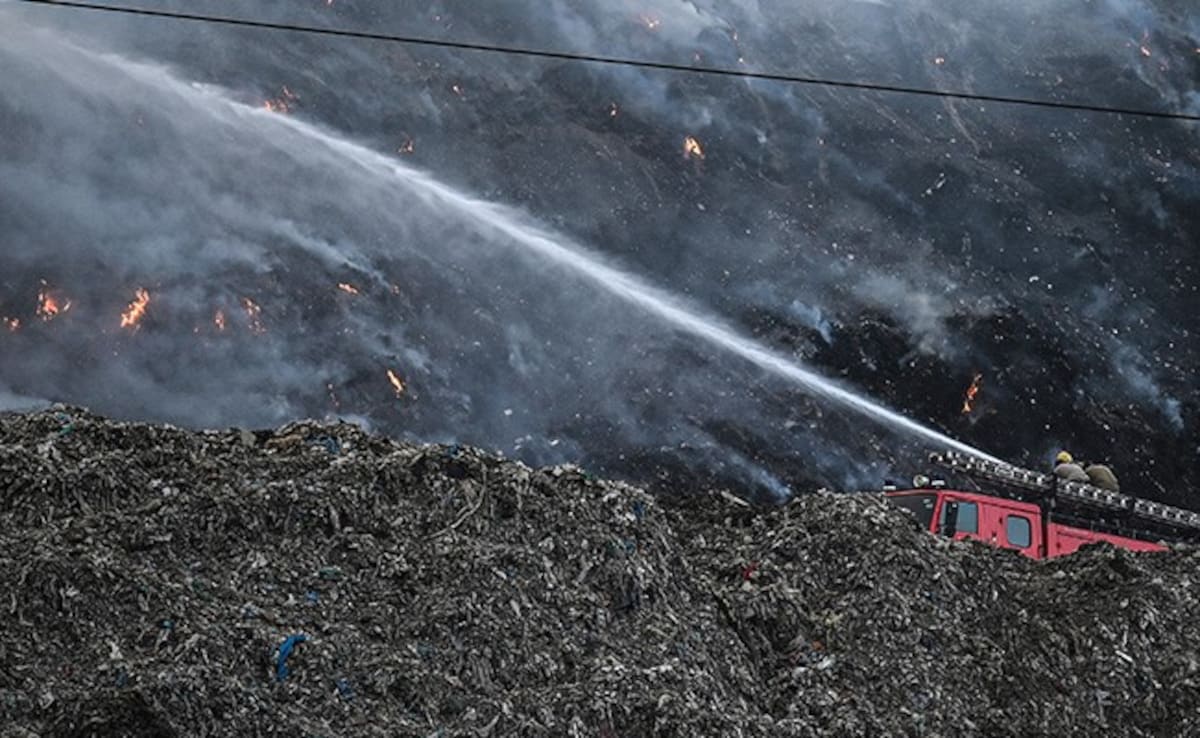
Delhi’s three big landfills at Okhla, Bhalswa and Ghazipur held about 280 lakh tonnes of waste in 2019. The city says it bio-mined nearly 155 lakh tonnes between November 2022 and December 2025 and reclaimed 75 acres. The government has set deadlines of July 2026 for Okhla, December 2026 for Bhalswa, and December 2027 for Ghazipur. The ministry says that by July 31, 2026, 99.07 lakh tonnes of legacy waste had been remediated at Bhalswa, and more than half of that site had been reclaimed by May.
In Karnataka, reports last year said several city corporations, including Belagavi, Ballari, Kalaburagi, Davangere, Hubballi-Dharwad and Mysuru, had failed to attract bidders in repeated tenders to clear legacy waste. By the end of December 2024, the state had remediated only 27.91 lakh tonnes of the 173.07 lakh tonnes it had to clear under the mission.
A Target That Has Moved Before
The deadline has shifted several times. The Solid Waste Management Rules of 2016 gave local bodies five years to clear legacy waste. The COVID-19 pandemic pushed that back, and the mission set a new date in 2021. Local targets have also been reset, and Karnataka has been rebuked by the National Green Tribunal over delays. The new date of December 2027 would be the latest extension.
Why It Matters
Legacy dumpsites occupy valuable urban land and are linked to air and water pollution and health risks, so clearing them is treated as a public health, environmental, and sanitation priority. The land reclaimed so far is being used for parks, green belts and processing facilities.
What to Watch Next
The key questions are whether funding and a revised plan back the December 2027 deadline, how the 214 high-volume sites perform, and whether cities stop adding fresh waste to old dumpsites. Updated figures from the ministry’s online dashboard will show whether the pace has picked up.
© Copyright 2026. All Rights Reserved. Powered by Vygr Media.