 By

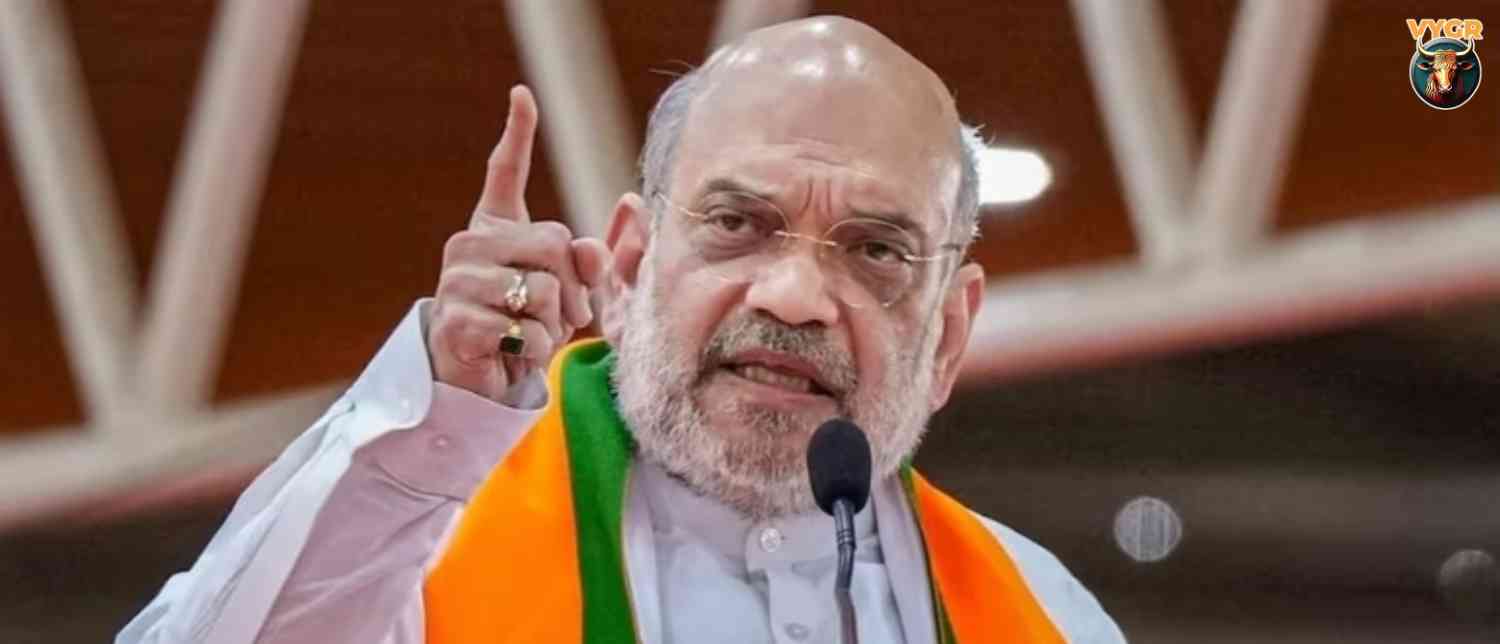
Union Home Minister Amit Shah said on Thursday that Kashmir is now free of India-born terrorists for the first time in 35 years, after security forces killed Lashkar-e-Taiba commander Mohammad Latif Bhat. Shah made the statement at the inaugural session of a two-day Anti-Terrorism Conference in New Delhi, where he also said India has been a victim of terrorism and has been confronting it for a long time.
What makes the remark particularly noteworthy is the timeframe attached to it. Shah described the development as a significant milestone, saying the situation has come about after 35 years. The claim is the minister’s own assessment, and it sits within a wider speech on the government’s counter-terrorism policy.
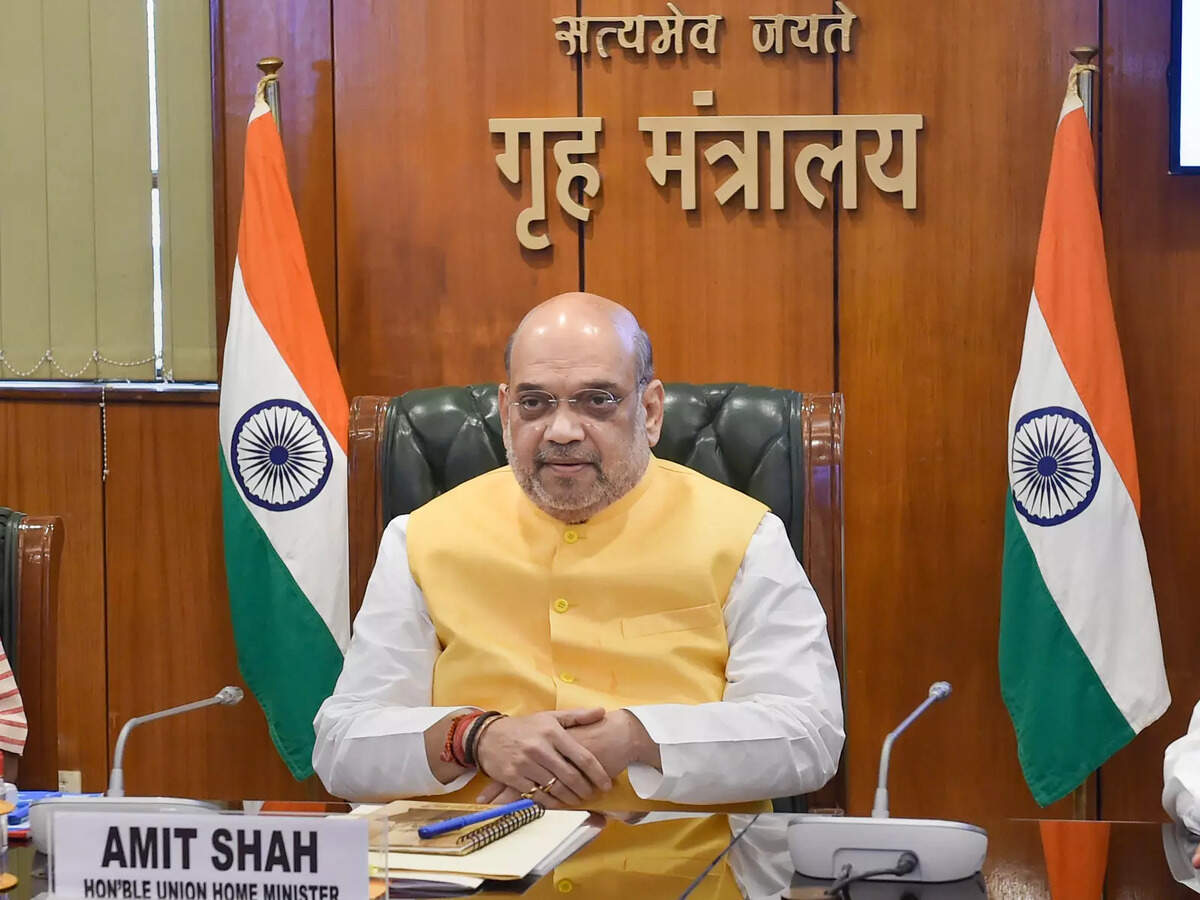
What Amit Shah Said
Addressing the conference, Shah said some recent operations against terrorism have strengthened the country’s confidence. He said that just a day earlier India had achieved a major milestone in this fight. With the elimination of Lashkar terrorist Latif Bhat, he said, the entire Kashmir has become free of the presence of India-born terrorists.
He said the achievement reflects the Narendra Modi government’s zero-tolerance policy against terrorism, which he said is delivering positive results.
Who Was Latif Bhat?
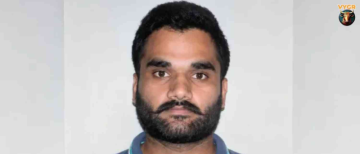
Latif Bhat, a commander of the Lashkar-e-Taiba, was killed on Wednesday in an encounter with security forces in Kulgam district in south Kashmir. Shah linked the killing directly to his claim. The phrase “India-born” or “Indian-origin” refers to locally recruited militants, and the minister’s statement should be read in that sense. It does not address the presence of foreign terrorists operating in the region.
Shah’s Push for Proactive Counter-Terrorism
Beyond the Kashmir claim, Shah used the conference to lay out the government’s wider approach. He said India needs to strengthen the idea of proactive action in its counter-terrorism policy, with more emphasis on structural and operational capabilities.
He said the role of a successful security agency is not just to arrest terrorists, but to identify and apprehend them before they can carry out an attack. He also said that the entire terror network must be investigated and its capabilities dismantled, not just the individuals involved.
A system is being built across all police stations in the country on a unified strategy to combat terrorism, he said.
Key Measures and Numbers Cited by the Home Minister
Shah highlighted a series of legal and institutional steps taken since 2019:
- Law changes: The National Investigation Agency (NIA) Act was amended on August 2, 2019, and the Unlawful Activities (Prevention) Act (UAPA) on August 14, 2019. Under the UAPA changes, the NIA can seize the properties of terrorists and individuals can be designated as terrorists.
- Expanded NIA: 16 new branch offices and two zonal offices were approved, and 70 new NIA special courts were set up across the country. New offences were brought under the agency’s jurisdiction, and it was empowered to investigate matters affecting the interests of Indians abroad.
- Fugitives: Since 2019, 303 fugitives have been brought back to India from 36 countries through a special drive.
- Terror financing: A 25-point integrated action plan was framed to control the funding of terrorists.
- Database: A National Memory Bank was set up to build a centralised database.
- Glorification ban: A ban was imposed on the glorification of terrorism.
- Shahzad Bhatti network: Shah said it has been designated a terrorist organisation under the UAPA, with more than 40 of its modules dismantled across the country, over 100 cases registered and more than 271 arrests made.
He also referred to a new comprehensive approach to border security, the removal of illegal religious structures along the borders and better coordination among agencies on economic security.
Why the 35-Year Claim Matters
The number 35 takes the timeline back to the early 1990s, when militancy in the Valley was at its peak. A claim that the presence of locally born militants has ended would be a major shift in the security picture of Jammu and Kashmir, if it holds.
At the same time, such claims are usually tested over time. Security assessments of this kind depend on intelligence inputs and ground reports, and the speech reports do not cite independent data to back the claim. Observers will be watching whether the situation on the ground, including encounters, recruitment and infiltration, bears it out in the coming months.
What to Watch Next
-
Whether security agencies release figures on active militants in the Valley
- Reactions from political parties and security experts in Jammu and Kashmir
- The outcome of the two-day conference and the rollout of the unified strategy across police stations
- Progress on dismantling terror networks and on terror-funding cases
- Continued attention to infiltration and foreign terrorists, which the minister’s remark did not cover
For the government, the message from the conference is clear: it wants to present its counter-terrorism record as one of results, and to push for a more preventive and coordinated approach.
© Copyright 2026. All Rights Reserved. Powered by Vygr Media.