
 By

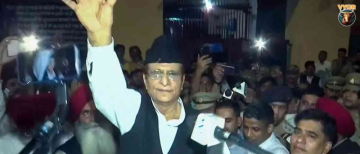
Mumbai: The Bombay High Court on Monday continued interim protection for actor Imran Khan against a “Leave India Notice” issued by the Foreigners Regional Registration Office (FRRO), after he tendered an unconditional apology for taking part in a protest. The matter will be heard next on December 7.
What the court said and recorded
The bench made strong observations about the limits on what an Overseas Citizen of India (OCI) cardholder may do. It said that OCI cardholders have no right to protest and that a distinction exists between an OCI holder and a citizen. Reports quote the court as saying that if someone had done this in another country, they would have been deported by now, and as asking why Khan had chosen to join the protest.
Khan gave a categorical undertaking that he would not take part in similar protests as an OCI cardholder, and he tendered an unconditional apology. The court recorded both in its order. It also noted that he has lived in India for several decades and that the case arose from a particular incident. Earlier, the bench had made clear that any apology would have to be unconditional.
How the case reached court
-
October 14: The FRRO issued the “Leave India Notice” to Khan, who holds an OCI card.
- October 17: Khan, whose legal name appears in court records as Imran Khan Pal, moved the Bombay High Court to quash the notice.
- Context: The notice followed his participation in a protest against Chief Election Commissioner Gyanesh Kumar.
- November 2: The court heard the matter, took the apology on record, and continued interim protection until December 7.
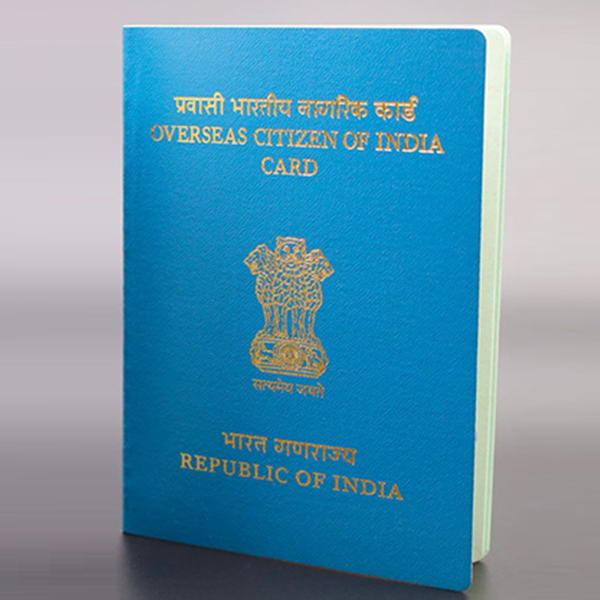
What is an OCI card, and why does it matter here?
An Overseas Citizen of India card is a lifelong visa-like status given to people of Indian origin who hold foreign citizenship. It allows them to live and work in India but is not Indian citizenship. OCI holders do not have the right to vote or hold constitutional office, and fundamental rights such as the freedom of speech and assembly under Article 19 are guaranteed to citizens. That is the legal backdrop to the court’s remark that citizens and OCI holders stand differently.
Under India’s citizenship law, the government can cancel OCI registration on certain grounds, and the FRRO is the body that administers foreigners’ registration and compliance. Where the line falls between permitted expression and restricted political activity for OCI holders has been debated, and this order is an interim one that does not settle that question in general.
The two readings
The government and court’s emphasis: Supporters of the stricter view say that OCI is a privilege, that foreign nationals should not take part in political agitation in India and that any other country would take similar action.
The concerns raised by critics: Others argue that people who have lived in India for decades, and have families and careers here, should not face expulsion for attending a lawful public gathering, and that the rules on what OCI holders can and cannot do are not always clear. They also point out that the protest in question was a peaceful gathering on a matter of public interest, though the court did not endorse that view.
What happens next
-
December 7: The next hearing, with interim protection continuing in the meantime.
- The FRRO’s response: The authority will have to explain its position, and the court may decide whether the notice should stand, be withdrawn, or be modified in light of the undertaking.
- Wider effect: The order could be read by other OCI holders, including artists and academics, as a signal about how far public participation in political events is tolerated.
© Copyright 2026. All Rights Reserved. Powered by Vygr Media.