 By

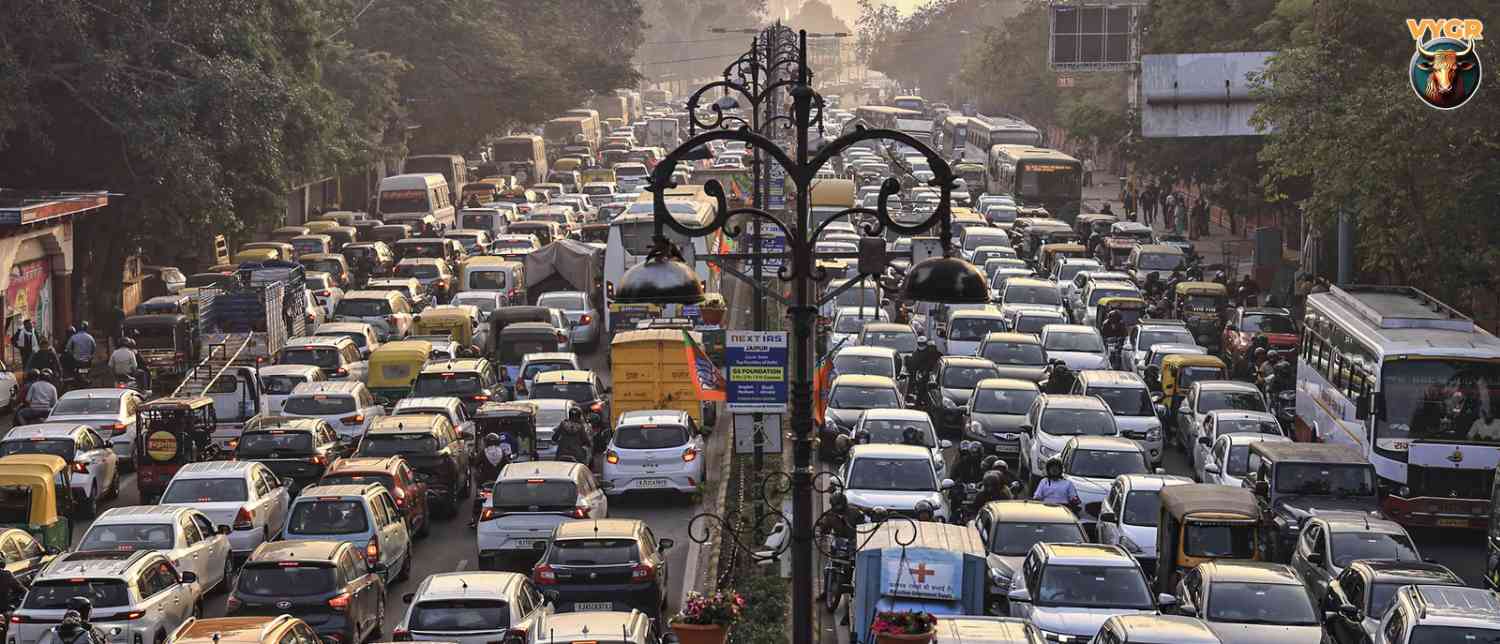
If you drive into Delhi from Noida, Gurugram, or Ghaziabad every day, check your car’s emission standard this week. From November 1, vehicles registered outside the capital that do not meet Bharat Stage VI (BS6) norms will be barred from entering Delhi, as part of its winter pollution-control plan.
The restriction will stay in force until January 31, 2027. Transport department estimates suggest that more than 10 lakh vehicles in the neighbouring NCR cities fall below BS6 standards.
Who will be affected?
The rule applies to petrol and diesel vehicles registered outside Delhi that do not meet BS6 norms. Transport department estimates by city show:
- Noida and Greater Noida: more than four lakh vehicles below BS6, with BS4 vehicles, mainly petrol cars, making up over half of them
- Ghaziabad: around four lakh vehicles
- Gurugram and Faridabad: nearly two lakh vehicles
Together, that is the 10 lakh-plus figure that officials are working with.
Who is not affected
- Delhi-registered vehicles are not covered by this particular entry restriction, though other pollution and vehicle-age rules continue to apply to them.
- BS6-compliant vehicles registered outside Delhi can enter without restriction.
How it will be enforced
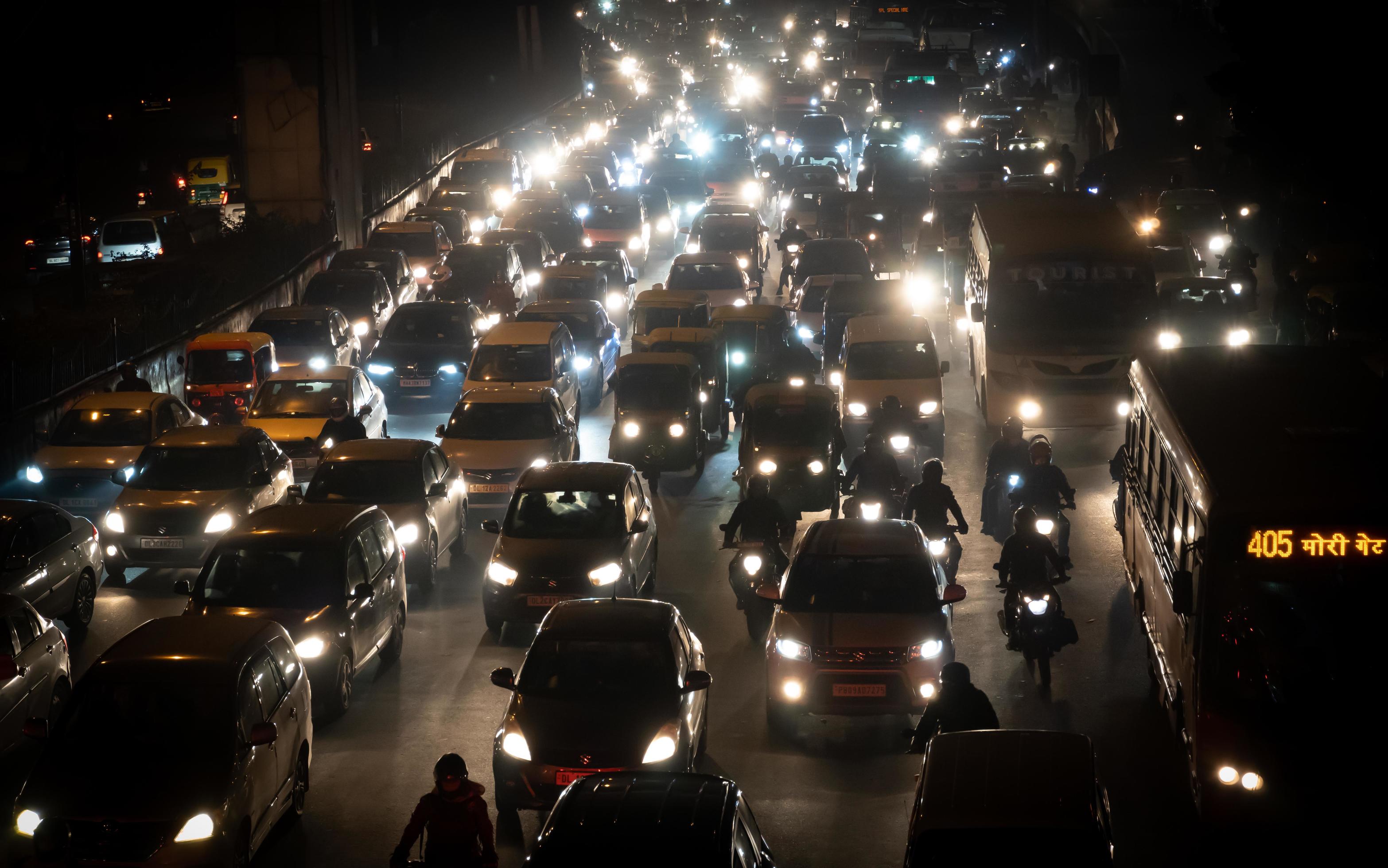
Officials say they are strengthening checks at entry points, particularly on routes connecting Delhi with Noida, Gurugram and Ghaziabad. About 300 enforcement personnel from the transport department are expected to be deployed, and AI-based cameras are being readied to help identify vehicles that do not comply. Detailed penalties have not been spelled out in the reports I reviewed.
The wider winter package
The entry ban is one part of a larger set of measures. The Winter Action Plan stays in effect until February 28, 2027. Delhi will also enforce a “No PUC, No Fuel” rule, under which vehicles without a valid pollution-under-control certificate will not be given petrol, diesel, CNG or LPG.
Separately, restrictions on non-BS6 commercial goods vehicles registered outside Delhi have been in place since November 2025 under directions from the Commission for Air Quality Management. Vehicles carrying essential commodities have been given a limited exemption that ends on October 31, 2026.
Why Delhi is doing it
Every winter, cold, still air traps pollutants close to the ground, and Delhi’s air quality drops sharply. Older vehicles with weaker emission controls are a significant contributor, and a large share of the traffic entering the capital each day is registered elsewhere in the NCR. The ban is aimed at cutting that load during the worst months.
What commuters can do?
-
Check your vehicle’s BS standard on the registration certificate or ask your dealer, since many petrol cars made before 2020 are BS4.
- Switch modes on affected days. The Delhi Metro and the Regional Rapid Transit System link several NCR cities with Delhi, and carpooling can ease the strain.
- Keep your PUC certificate valid, since it will matter for fuel as well as for the road.
- Allow extra time in the first days, as checks at borders may cause queues.
What to watch
How strictly the entry points are policed in the first week, how many vehicles are turned back, whether the NCR states offer extra public transport, and whether the rule is extended, relaxed, or challenged in court.
© Copyright 2026. All Rights Reserved. Powered by Vygr Media.