 By

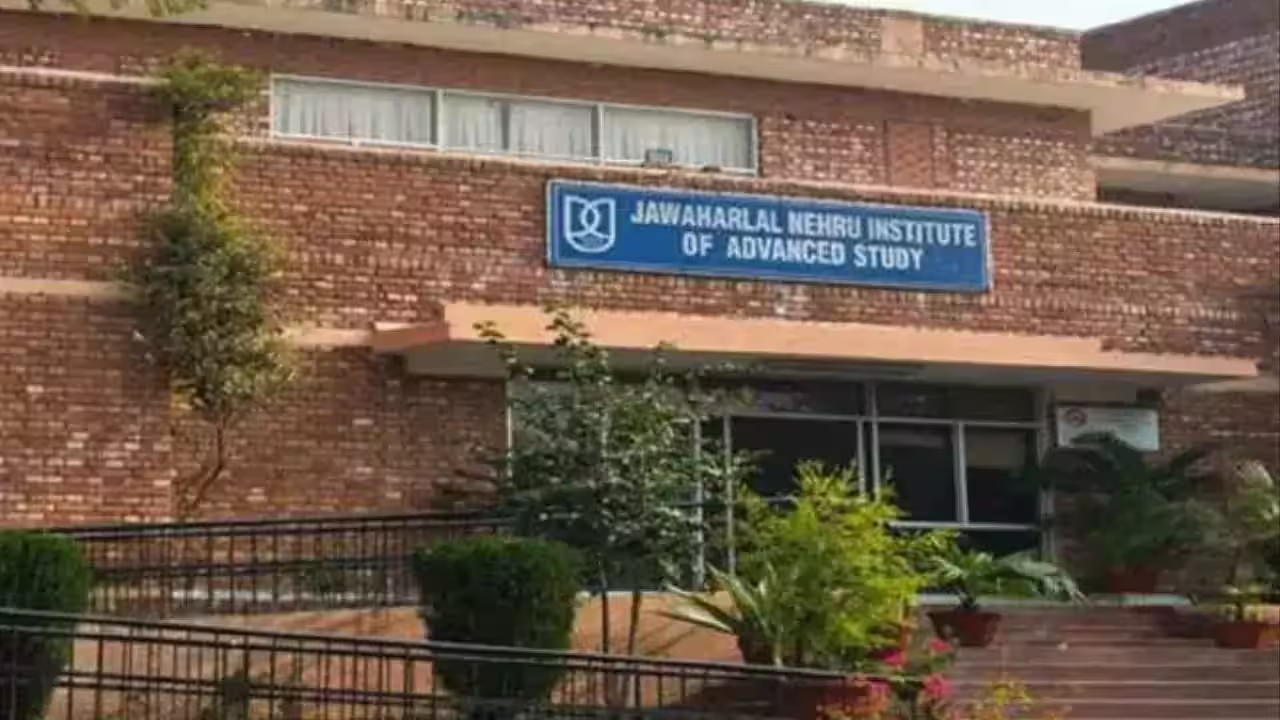
New Delhi, October 24, 2026: A fresh political controversy has erupted at Jawaharlal Nehru University (JNU) after graffiti bearing the slogans “Free Umar Khalid” and “Long Live Naxalbari” appeared on campus walls, prompting objections from the Akhil Bharatiya Vidyarthi Parishad (ABVP) and a response from the university administration.
The JNU graffiti row has intensified the debate over political expression, student activism and the boundaries of dissent on university campuses. The controversy also follows a separate dispute at Jamia Millia Islamia, where politically contentious slogans appeared amid student protests that escalated into clashes with security personnel.
Adding to the tensions, the ABVP has alleged that objectionable remarks were written alongside a portrait of Hindutva ideologue Veer Savarkar. The organisation has accused left-wing student groups of damaging the academic atmosphere and demanded action against those responsible.
The JNU administration has taken note of the graffiti and said the matter is under examination. However, responsibility for the writings and the circumstances surrounding their appearance remain matters of investigation.
JNU Graffiti Controversy: What Do the Slogans Say?
The latest JNU campus controversy centres on political messages calling for Umar Khalid’s release and expressing support for Naxalbari.
The phrase “Free Umar Khalid” refers to the former JNU research scholar who has been in custody since September 2020 in connection with the alleged larger conspiracy behind the February 2020 Delhi riots. He faces charges under the Unlawful Activities (Prevention) Act (UAPA), and the case remains a major point of contention in discussions about civil liberties, criminal proceedings and the rights of accused individuals.
Khalid’s continued incarceration has drawn attention from student groups and civil rights advocates, particularly over concerns about prolonged pre-trial detention. His supporters have raised questions about due process, while critics have focused on the seriousness of the allegations against him.
The second slogan, “Long Live Naxalbari”, carries a distinct political and historical significance. Naxalbari, a village in West Bengal, became associated with a radical peasant uprising in 1967 that helped inspire a broader revolutionary left-wing movement in India.
The appearance of these slogans has therefore turned the campus walls into the latest site of a political dispute involving competing ideological positions. Yet the meaning of a slogan, the intentions of the person who writes it and the legality of the act are separate questions that require careful examination.
ABVP Targets Left-Wing Student Groups, Demands Action
The JNU unit of the ABVP has strongly objected to the political graffiti, accusing left-wing student organisations of attempting to disrupt the university’s academic environment.
The organisation has specifically alleged that members of the All India Students’ Association (AISA) were involved in objectionable writing near a portrait of Veer Savarkar. It has also accused AISA national president Neha Bora of raising slogans in support of Umar Khalid.
These remain allegations made by the student organisation; they should not be treated as independently established findings.
ABVP representatives have argued that freedom of expression cannot be used to justify damage to public property or disrespect towards national figures. The organisation has demanded that the university identify those responsible for the graffiti and take appropriate action.
Its JNU unit president, Mayank Panchal, maintained that political expression should not become a justification for insulting prominent figures or damaging university property. Unit secretary Praveen Piyush also argued that the university should not be dominated by any single ideology and that its academic environment must be protected.
The dispute has consequently expanded beyond the wording of the graffiti to encompass questions about campus discipline, political competition and the responsibilities of student organisations.
At the same time, determining whether a particular group or individual was responsible for the writings requires evidence rather than political accusation alone.
Veer Savarkar Portrait Defacement Adds to the Row
Another contentious aspect of the JNU graffiti row concerns the alleged defacement of a portrait of Veer Savarkar.
The ABVP has claimed that objectionable remarks were written alongside the portrait, describing the alleged incident as an attack on the dignity of a prominent historical figure. The organisation has linked the issue to its broader objections over political slogans on campus walls.
Savarkar remains a deeply polarising figure in Indian political discourse. His legacy is viewed differently by supporters of Hindutva and by critics who question aspects of his political philosophy and historical role.
Consequently, the alleged writing beside his portrait has added another ideological dimension to the controversy. What might otherwise have been treated as a question of property damage has become intertwined with wider disagreements over nationalism, historical memory and political identity.
The ABVP has maintained that the university must take action against those responsible. However, the allegations surrounding the portrait must be distinguished from the separate fact that the administration is examining the overall graffiti incident.
A fair resolution would require the university to establish what occurred, determine responsibility where evidence permits and apply its rules consistently, regardless of the political affiliation of those involved.
JNU Administration Begins Examining the Matter
The university administration has acknowledged the graffiti controversy and said it is looking into the matter.
An official indicated that the university would not allow vested interests to disturb peace on campus. University sources also conveyed that such graffiti would not be tolerated.
The response signals that the administration recognises the potential for the incident to escalate into a larger confrontation between rival student groups.
However, the available information does not establish who wrote the slogans, whether any formal disciplinary proceedings have been initiated against particular individuals, or whether the alleged defacement of Savarkar’s portrait has been independently verified.
These distinctions are important because the controversy involves both political expression and alleged damage to university property. An investigation must establish the facts before conclusions about individual responsibility can be reached.
The outcome could also influence how similar incidents are handled in the future, particularly when political messages on campus walls trigger competing allegations and protests.
Jamia Millia Islamia Protests Provide the Immediate Backdrop
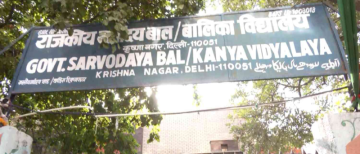
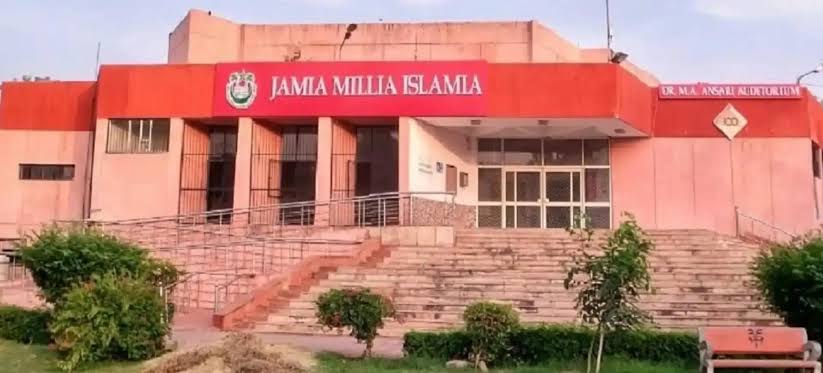
The JNU controversy emerged a day after politically contentious slogans were reported at Jamia Millia Islamia in Delhi.
The Jamia dispute unfolded amid protests by students demanding the restoration of the university’s student union. The union had been disbanded in 2006 following concerns about campus violence.
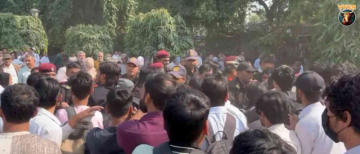
During the protests, slogans including “Free Kashmir” and “Free Sharjeel Imam” reportedly appeared on campus walls. The demonstrations subsequently escalated into clashes between protesters and security personnel.
The university administration later moved classes online as a precautionary measure amid concerns over campus security. The administration also condemned the contentious slogans, describing them as harmful to the country’s integrity and sovereignty.
Student accounts, however, added another dimension to the dispute. One student claimed that the slogans had been put up at the behest of university authorities, while maintaining that the central demand of the protest remained the restoration of student union elections.
That allegation, too, requires independent verification.
The developments at Jamia and JNU have drawn attention because both incidents involve political graffiti, student activism and competing interpretations of dissent. Nevertheless, the events occurred at separate institutions, and there is no established evidence that the same individuals were responsible for the writings at both universities.
The proximity of the incidents has nevertheless heightened political scrutiny of student movements across Delhi.
Who Are Umar Khalid and Sharjeel Imam?
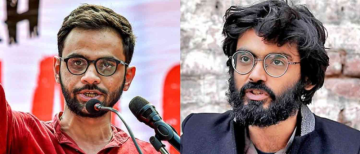
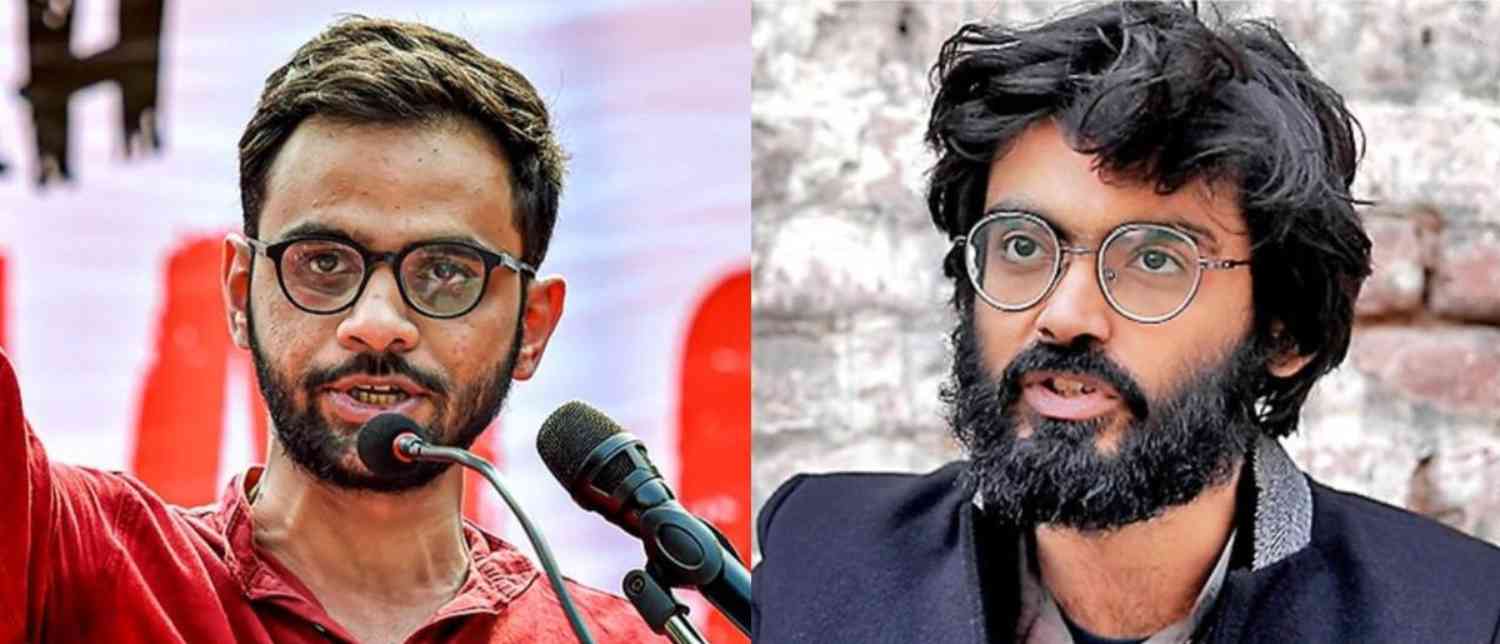
Umar Khalid and Sharjeel Imam, both former JNU research scholars, have become prominent figures in debates surrounding student activism, dissent and the legal consequences of political speech.
Khalid has been in custody since September 2020 in a case concerning the alleged larger conspiracy behind the February 2020 Delhi riots, which claimed 53 lives. He faces charges under the UAPA.
Imam was arrested in 2020 in connection with speeches delivered during protests against the Citizenship Amendment Act (CAA). He has faced allegations linked to speeches in which he discussed disrupting road connections between the Northeast and the rest of India.
Both cases have generated intense political debate, particularly concerning the distinction between controversial political expression and conduct alleged to constitute a criminal offence.
Their names appearing in campus slogans has therefore ensured that the JNU and Jamia controversies extend beyond questions of graffiti or student discipline.
The slogans have become part of a broader national argument over incarceration, dissent, public order and the responsibilities of educational institutions.
Sharjeel Imam’s Views Reopen Debate on the Constitution and Representation
The controversy surrounding Imam has also coincided with renewed public discussion of his political arguments concerning the Indian Constitution, secularism and Muslim representation.
In a recent interview, Imam questioned aspects of India’s constitutional framework and drew on the political ideas of Allama Iqbal and Muhammad Ali Jinnah while discussing minority representation.
His arguments have prompted a wider debate over whether existing constitutional arrangements adequately address the political under-representation and other concerns faced by religious minorities.
One strand of criticism argues that India’s constitutional system provides mechanisms for addressing inequality through fundamental rights, judicial review, democratic participation and institutional reform. From this perspective, persistent discrimination or inadequate representation does not necessarily mean that the Constitution itself is responsible for those failures.
The constitutional framework includes Article 14, which guarantees equality before the law, Article 15, which prohibits specified forms of discrimination, Article 21, which protects life and personal liberty, and Articles 25 to 30, which protect religious freedom and important cultural and educational rights.
The debate also raises questions about proposals for greater decentralisation, proportional representation and statutory safeguards for minorities.
These arguments belong to a wider political and constitutional discussion rather than establishing any direct connection between Imam’s interview and the JNU graffiti incident. His name appearing in the Jamia slogans, however, has brought questions about minority representation, constitutional rights and political dissent into the surrounding public conversation.
Campus Politics, Freedom of Expression and the Road Ahead
The latest JNU graffiti row highlights the difficult balance universities must maintain between protecting freedom of expression and preserving an environment conducive to teaching, research and peaceful disagreement.
Universities are spaces where students encounter competing political ideas, challenge established positions and debate controversial historical figures. Such engagement is an important part of higher education.
At the same time, political disagreements can become damaging when they lead to intimidation, vandalism, threats or confrontations that undermine the rights and safety of other members of the university community.
The challenge for JNU is therefore not simply to remove controversial slogans but to establish the facts, address any verified violations and ensure that institutional rules are applied impartially.
The same principle applies to Jamia Millia Islamia, where students’ demands concerning union elections must be considered separately from the controversy over political graffiti and the clashes with security personnel.
For now, the central questions surrounding the JNU campus controversy remain unresolved: who wrote the slogans, who was responsible for the alleged defacement of Savarkar’s portrait, and what action will the administration take after examining the evidence?
The answers will determine whether the incident remains a brief political confrontation or develops into a more sustained dispute over campus governance and student activism.
As the investigation proceeds, the episode serves as a reminder that freedom of expression, accountability and peaceful academic life must be addressed together. Political disagreement is inevitable on a diverse university campus; establishing responsibility through evidence, rather than allowing allegations to determine the outcome, is essential to resolving it fairly.
© Copyright 2026. All Rights Reserved. Powered by Vygr Media.