 By

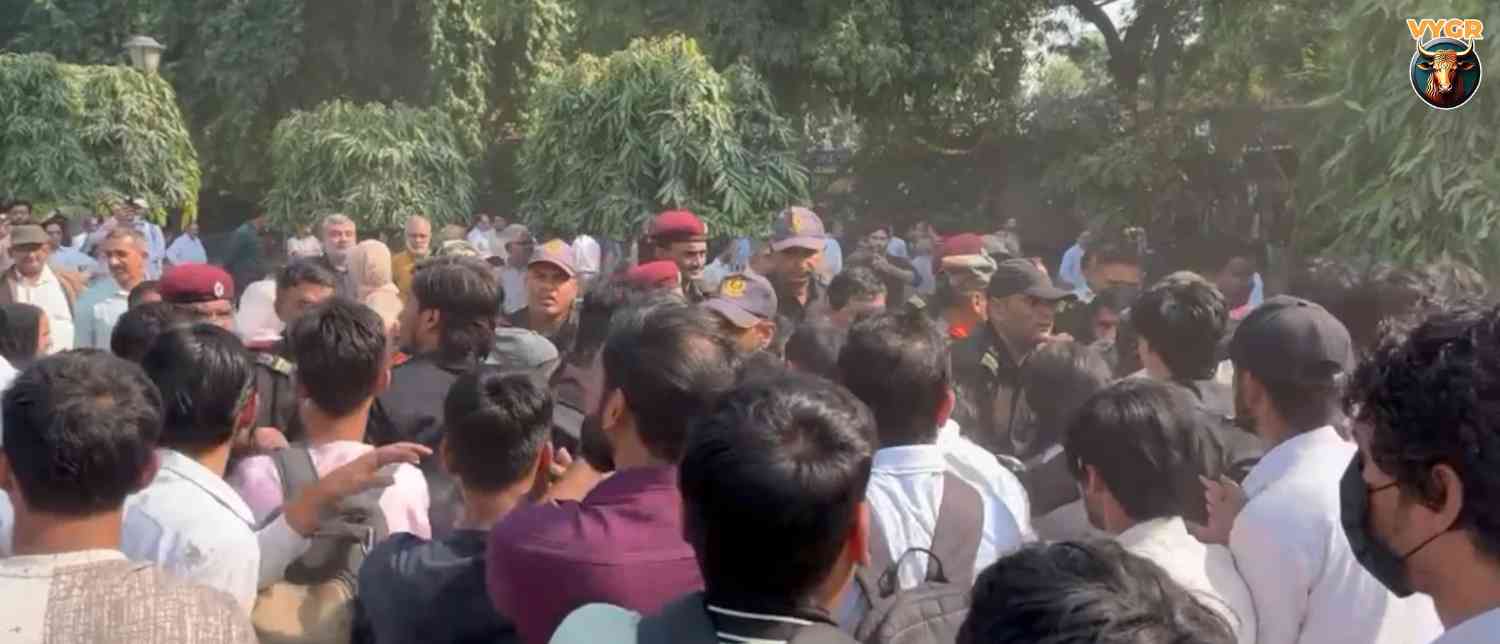
New Delhi: Jamia Millia Islamia has moved all classes online with immediate effect after students demanding the return of campus union elections clashed with security guards on Saturday. Online teaching will continue until further notice, and the university has not said when physical classes will resume. The decision caps a 13-day protest that has grown from a hunger strike by a handful of students into a fight over discipline, dissent and who speaks for students at one of Delhi’s central universities.
What happened on Saturday
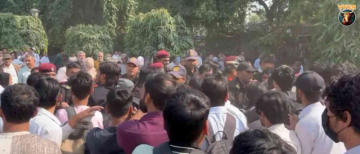
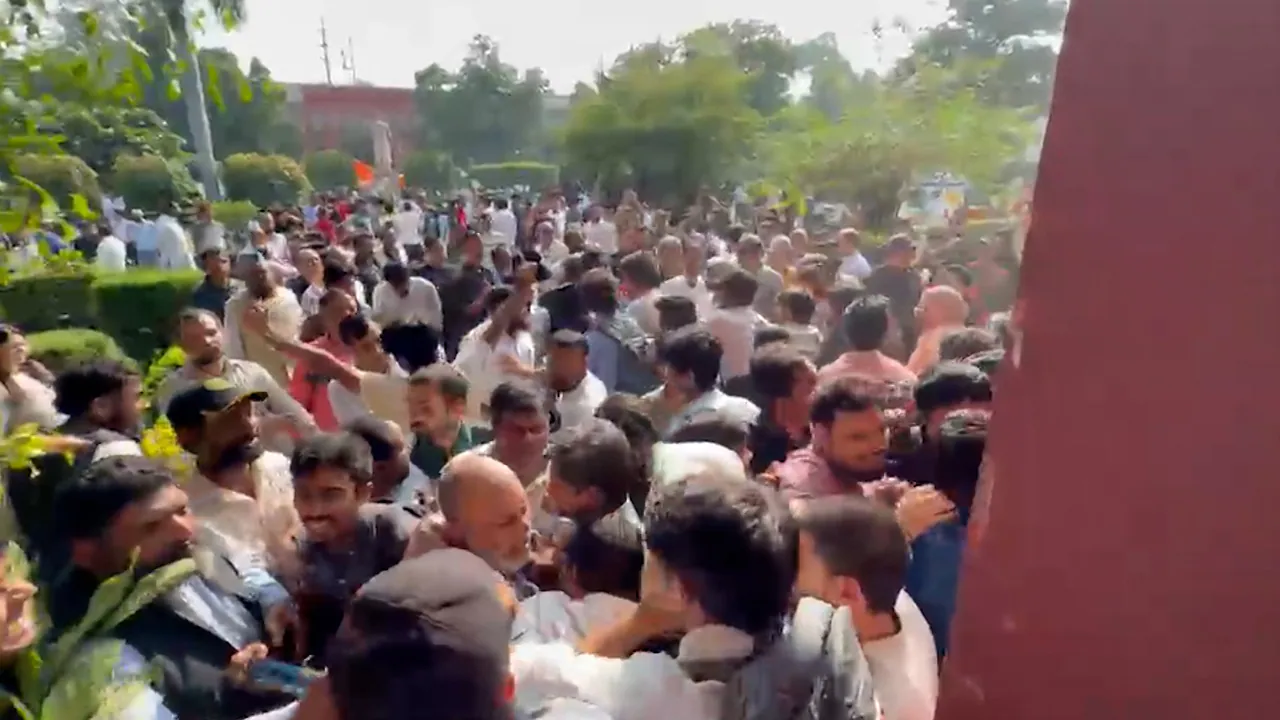
The clash broke out when guards moved to remove tents where protesting students, including hunger strikers, had gathered. Students accused officials and security staff of trying to dismantle their camp and forcibly move hunger strikers to hospital. The university and the student group AISA dispute what took place.
In a notice, the university said all courses would shift online as a precaution for students’ safety and security. It directed deans, heads of departments, directors, faculty and students to follow the online timetable. Registrar Mahtab Alam Rizvi said the entry of politicians onto campus had disturbed the environment and contributed to the escalation. The unrest has also forced the cancellation of the university’s Talimi Mela, which was scheduled for October 29 to November 1.
How the protest unfolded
- October 12: Students began an indefinite hunger strike near Gate No. 18, the designated protest site. Reports put the number of strikers at three to five, and more students joined later.
- October 16: The university rusticated law student Ebin Basil for one year and banned another hunger striker, Jasim Khan, from campus for six months. Basil’s order cited unauthorised gatherings, misbehaviour with officials and “misleading accounts”; Khan’s cited an attempt to force entry through Gate 18 and obstructing CCTV installation.
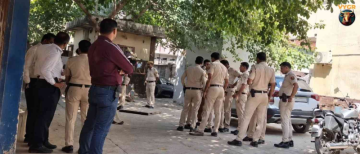
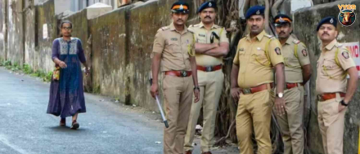
- October 17: Around 5:30 am, security personnel, accompanied by the chief proctor and security adviser, removed the protesters and dismantled the site, according to AISA and students. Some accounts put the guards at about 50 to 60. Students alleged lights were switched off, protesters were manhandled and several were injured, and that Khan was hospitalised. The students later returned to the site. Heavy police deployment was reported outside the campus, and the university shut its gates.
- October 18–19: After a meeting chaired by Vice-Chancellor Mazhar Asif, the university set up a seven-member high-level committee that includes the registrar, deans, the chief proctor and hostel provosts. It asked students to end the protest and help draft a constitution for the union.
- October 24: The clash with guards, and the move online.
Why there has been no union since 2006
Jamia’s university-wide students’ union was dissolved in 2006 during the tenure of then vice-chancellor Mushirul Hasan. The university says the move followed recurrent violent clashes, attacks on teachers and disruptions of classes. One account links it to unrest that culminated in a physical assault on the vice-chancellor. The administration also points to the Delhi High Court, which in 2022 disposed of a matter without directing the university to hold elections, after the university’s counsel cited the history of violence on campus.
The university’s position
The administration says it has no objection in principle. A university official said a formal request would go to a committee, which would examine safeguards against violence before any decision. The official also said no memorandum had been submitted to start the process. The present administration, in office since October 2024, says it is committed to resolving the two-decade-old impasse.
The students’ case
Students say the lack of an elected body leaves them without a formal platform to raise academic and administrative grievances. They say departmental elections give them little real say. Their demands:
- an official schedule for union elections
- withdrawal of disciplinary action against the protesters
- removal of the chief proctor and the security adviser
AISA has also demanded an independent inquiry into the alleged use of force. The students’ account of October 17 is disputed by the administration.
Not everyone on campus has backed a union. In past years, a section of students has opposed restoring it, fearing that politics would bring disruption, while supporters argued that a genuine union need not mean violence.
Wider reaction
The row has reached Parliament. CPI(M) MP John Brittas wrote to Union Education Minister Pralhad Joshi, stressing the need for an elected union and citing constitutional rights and UGC guidelines.
What to watch
The key questions are whether the committee and the students agree on a path to elections, whether the disciplinary orders are withdrawn, and when physical classes return. Neither side had announced a breakthrough at the time of writing.
© Copyright 2026. All Rights Reserved. Powered by Vygr Media.