 By
By 
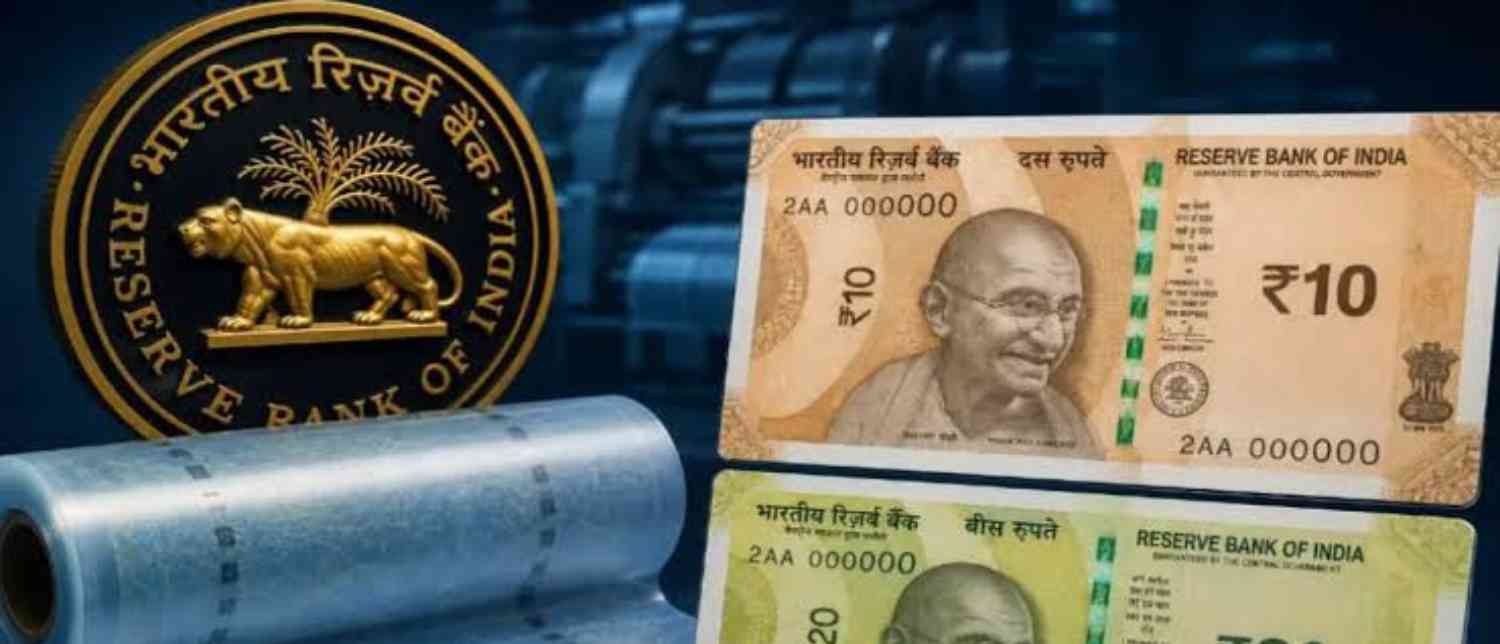
The Central Government has approved the Reserve Bank of India's proposal to conduct field trials of ₹10 and ₹20 polymer banknotes, marking a significant step in India's efforts to modernise its currency ecosystem. The pilot project will test the performance of polymer-based notes under real-world conditions before any decision is taken on wider circulation.
The move comes as the RBI explores alternatives that could improve the durability, security and lifecycle of low-denomination currency notes, which witness the highest frequency of circulation and wear.
A Pilot, Not a Nationwide Replacement
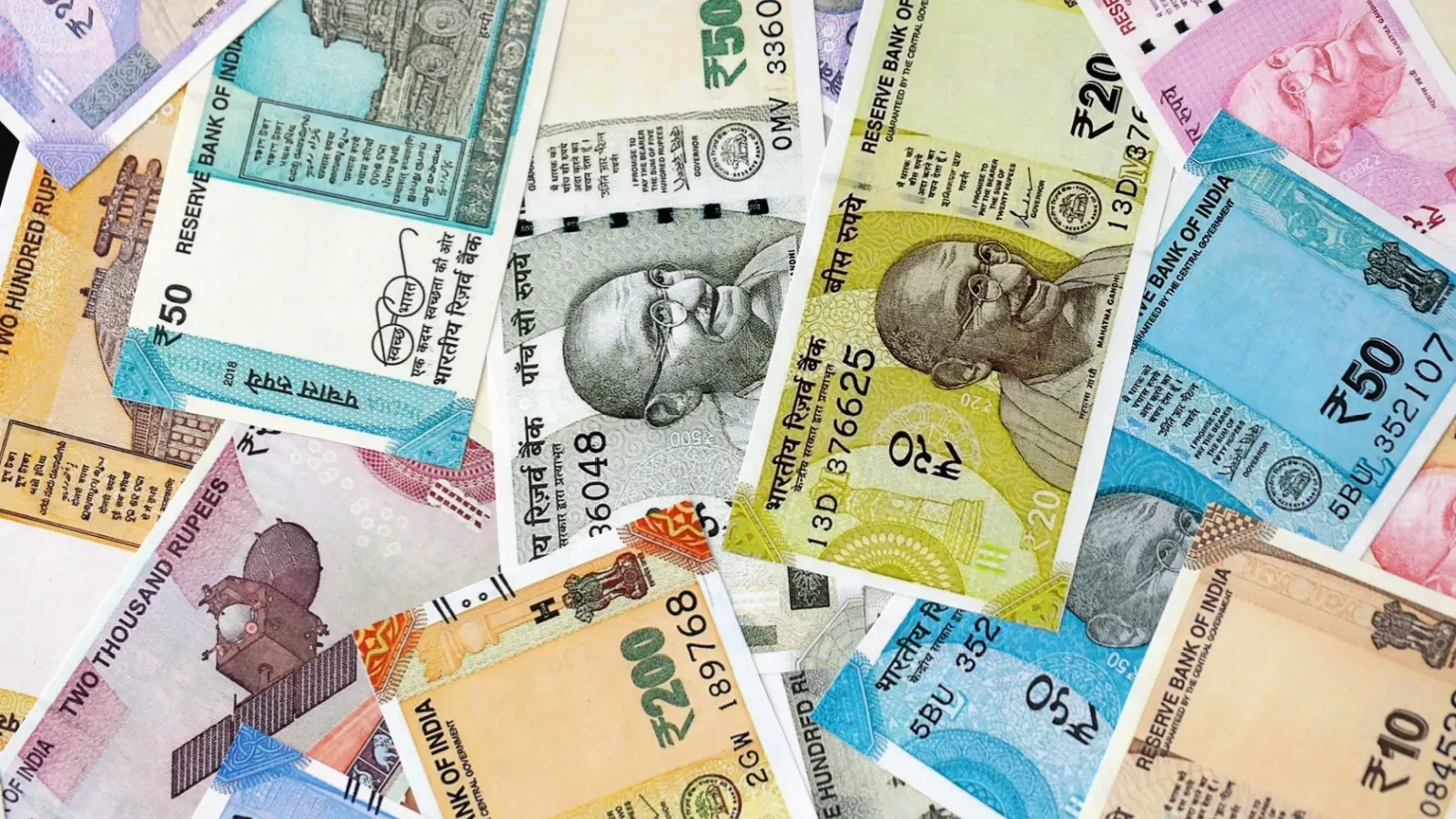
The approval does not signal the replacement of India's existing paper currency. Instead, it allows the RBI to conduct a controlled trial to evaluate how polymer notes perform in India's diverse climatic and usage conditions.
Officials have clarified that there is currently no proposal to phase out paper banknotes. Any future decision on wider adoption will depend on the findings of the pilot programme.
The trial is expected to generate valuable data on circulation patterns, public acceptance, durability, printing efficiency and overall cost-effectiveness.
Why Polymer Notes?
Unlike conventional cotton-based paper notes, polymer banknotes are manufactured using a specialised plastic substrate. They are known for lasting significantly longer than paper notes, particularly in denominations that frequently change hands.
Low-value notes such as ₹10 and ₹20 typically deteriorate quickly because of constant handling. A longer-lasting material could reduce the frequency of replacement and lower the long-term costs associated with printing and currency management.
Polymer notes are also more resistant to moisture, dirt and tearing, making them suitable for regions experiencing humid weather and heavy cash usage.
Enhanced Security Features
One of the biggest advantages of polymer currency is its ability to incorporate sophisticated security features.
Globally, polymer banknotes often include transparent windows, intricate designs, advanced security threads and specialised printing technologies that are considerably harder to counterfeit.
As counterfeit currency continues to remain a challenge for central banks across the world, polymer technology offers an additional layer of protection while maintaining public confidence in physical cash.
The RBI is expected to assess which security features are most suitable for Indian conditions during the trial phase.
Learning from Global Experience
India is not the first country to explore polymer currency.
Several countries, including Australia, Canada, New Zealand, the United Kingdom, Singapore and Vietnam, have already introduced polymer banknotes either partially or across most denominations.
Australia pioneered polymer currency several decades ago and has since reported improvements in note durability and counterfeit resistance. Many other countries have followed a similar path after observing the long-term economic and security benefits.
India's pilot reflects a cautious approach, allowing policymakers to evaluate international best practices while adapting them to domestic requirements.
Why Begin with ₹10 and ₹20 Notes?
The choice of ₹10 and ₹20 denominations is strategic.
These notes circulate extensively across urban and rural markets, making them ideal for studying wear and tear under different conditions.
Because they exchange hands frequently, they offer the RBI a practical opportunity to evaluate whether polymer notes can significantly outperform traditional paper notes in terms of lifespan and maintenance costs.
If the pilot demonstrates favourable results, policymakers may examine whether similar technology could be considered for other denominations in the future.
Impact on Cash Users
For the average citizen, there will be no immediate change.
Existing paper notes will continue to remain legal tender and circulate alongside any polymer notes introduced during the pilot.
Consumers, businesses and financial institutions are unlikely to require any changes in the way they handle cash. ATMs, banks and retail establishments are expected to accommodate the trial as part of normal currency circulation.
The pilot is designed primarily as a technical evaluation rather than a policy shift.
Will Polymer Notes Affect Digital Payments?
Questions have also been raised about whether stronger and more durable physical currency could influence India's rapidly growing digital payments ecosystem.
At present, there is no evidence to suggest that the pilot has been designed with digital payments in mind. India's digital payment growth continues to be driven by factors such as UPI adoption, smartphone penetration and merchant acceptance rather than the material used for banknotes.
The RBI has indicated that it would be premature to assess any impact on digital transactions until the trial is completed.
Environmental and Economic Considerations
Although polymer notes are manufactured from plastic-based material, they generally remain in circulation for much longer than paper notes.
This extended lifespan can reduce the number of replacement notes required over time, potentially lowering printing, transportation and storage costs.
However, polymer currency also presents challenges, including specialised manufacturing processes and end-of-life recycling requirements. These factors will likely form part of the RBI's overall assessment during the pilot.
A comprehensive cost-benefit analysis is expected before any decision on large-scale implementation is taken.
What Happens Next?
The RBI will now move towards implementing field trials in selected locations. During this phase, authorities will closely monitor how the notes perform under different climatic conditions, transaction volumes and patterns of public use.
The findings will help determine whether polymer notes offer sufficient advantages over conventional paper currency in terms of durability, security and operational efficiency.
If the pilot proves successful, it could pave the way for broader discussions on expanding polymer technology to additional denominations. However, any such move would require further policy approvals and detailed evaluation.
The Road Ahead
The approval of the polymer note pilot reflects India's measured approach towards currency innovation. Rather than opting for an immediate nationwide rollout, the government and the RBI are choosing to gather evidence through real-world testing before taking a long-term decision.
For now, the initiative remains an experiment aimed at understanding whether polymer banknotes can enhance the efficiency, security and sustainability of India's currency management system without disrupting the continued use of traditional paper notes.
As the pilot progresses, its findings could shape the future of cash circulation in one of the world's largest currency ecosystems, balancing technological advancement with the practical realities of a cash-dependent economy.
With input from agencies
Image Source: Multiple agencies
© Copyright 2026. All Rights Reserved. Powered by Vygr Media.