
 By
By 
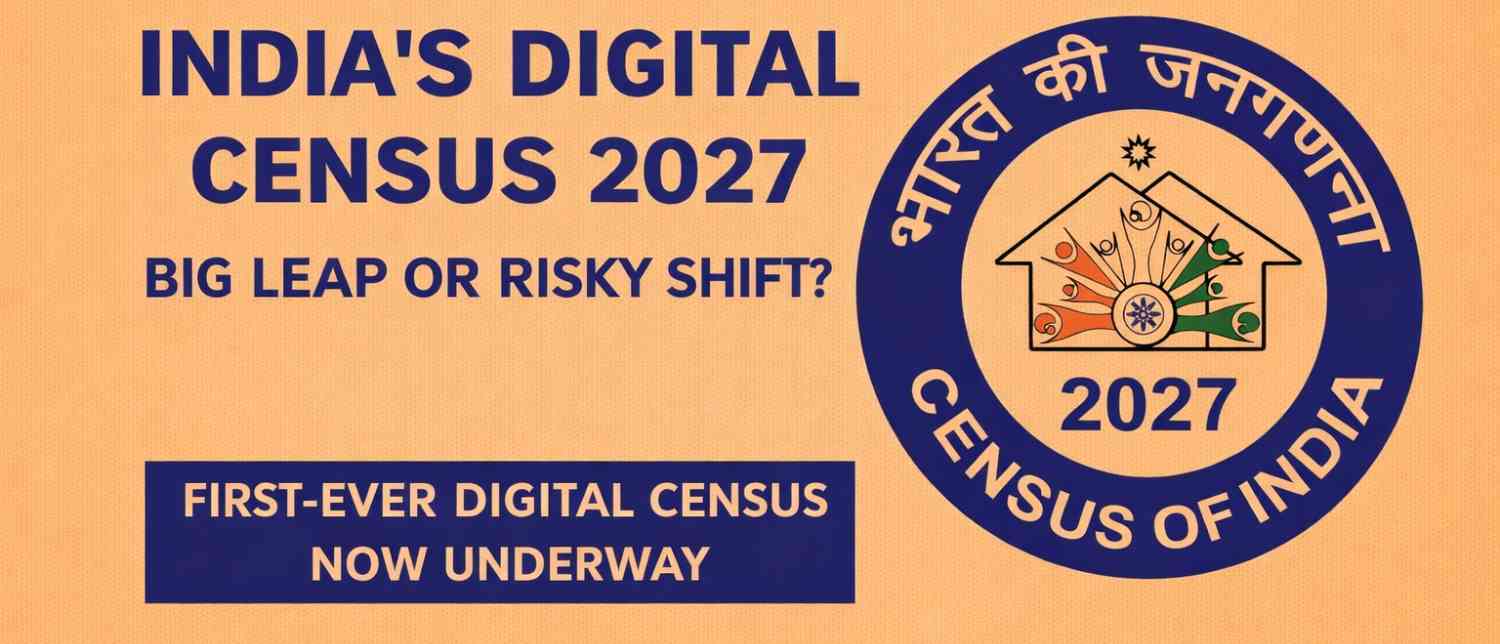
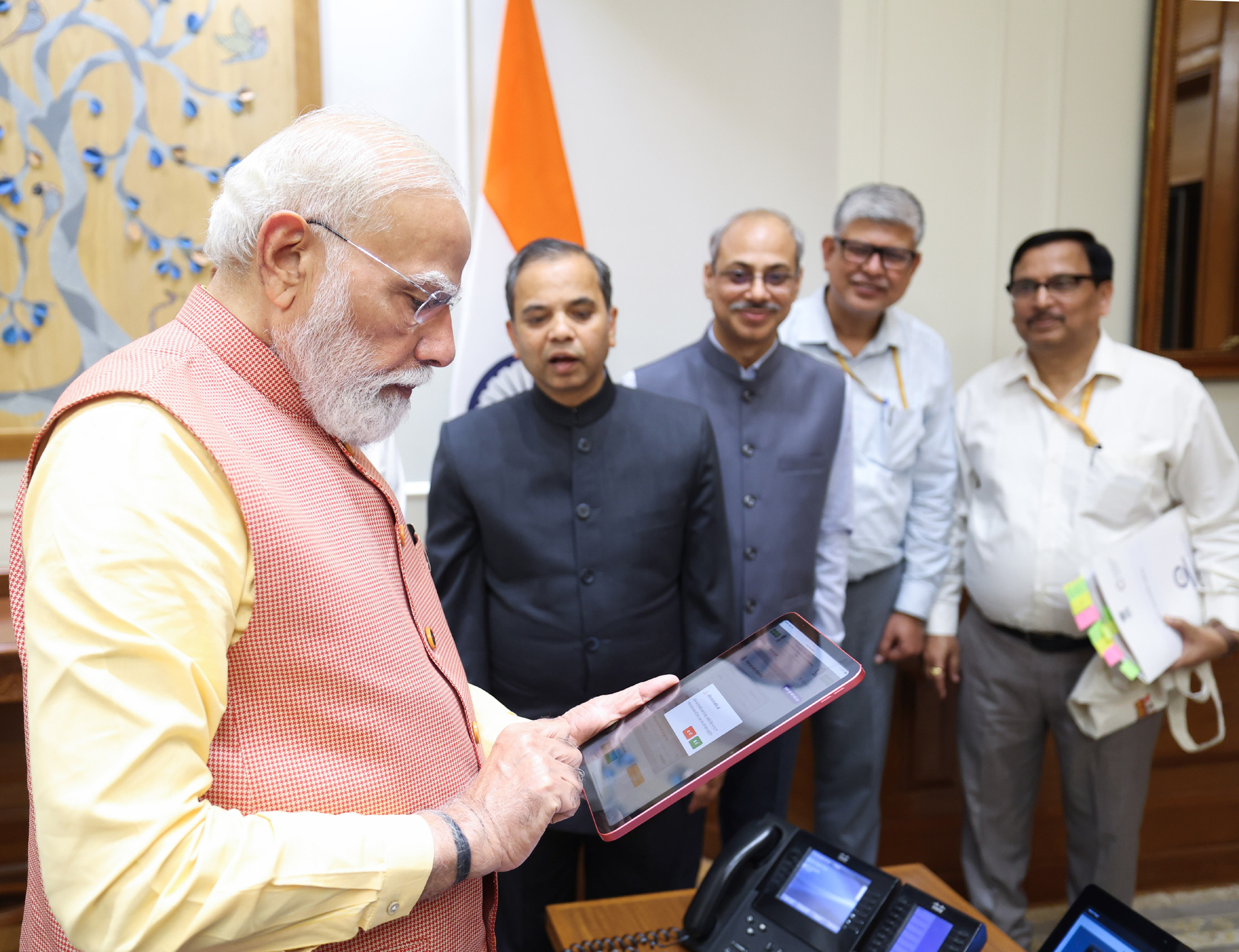
India has formally embarked on one of its most ambitious administrative exercises in recent history, with the launch of Census 2027 marking a decisive shift toward a digital-first, citizen-participatory approach. On the very first day of the exercise, President Droupadi Murmu and Prime Minister Narendra Modi set the tone by completing their self-enumeration online, signaling both political endorsement and a broader push toward technological integration in governance.
A Digital Leap in India’s Census Exercise
The rollout, announced by the Government of India, introduces for the first time a comprehensive digital architecture that allows citizens to self-enumerate. This move is expected to fundamentally transform how demographic data is collected in the country, reducing reliance on traditional door-to-door surveys while improving accuracy, efficiency, and transparency.
According to official communication, Census 2027 will be conducted in two distinct phases. The first phase, known as the House Listing Operation (HLO), will capture data on housing conditions, assets, and amenities. The second phase, Population Enumeration (PE), will gather detailed demographic, socio-economic, and cultural information about individuals. Together, these phases will provide a granular snapshot of India’s evolving population dynamics.
The government has emphasized that digital tools will play a central role throughout the process. Citizens can log into a dedicated online portal to submit their details independently, a feature designed to complement—not replace—the traditional enumerator-led system. Enumerators will still visit households, but the self-enumeration option is expected to reduce duplication, streamline workflows, and empower citizens to directly participate in the data collection process.
Leadership by Example and Public Participation
Prime Minister Narendra Modi, after completing his own self-enumeration, described the initiative as a “historic step” in India’s governance journey. He urged citizens across the country to actively participate, stressing that accurate census data forms the backbone of effective policymaking. In his appeal, he highlighted that the success of the census depends not only on administrative machinery but also on public cooperation.
President Droupadi Murmu’s participation carried symbolic weight as well, reinforcing the importance of inclusivity and national engagement in the exercise. Her early adoption of the self-enumeration process underscored the government’s confidence in the digital system’s accessibility and reliability.
Officials have pointed out that the digital census platform has been designed with user-friendliness in mind. It supports multiple languages and includes built-in validation checks to minimize errors during data entry. Citizens can also update their information within a specified window, ensuring that the final dataset reflects accurate and up-to-date details.
Security and privacy have been flagged as key priorities. The government has assured that robust data protection measures are in place, with encryption protocols and secure servers safeguarding sensitive information. The digital system is also expected to reduce manual handling of data, thereby lowering the risk of errors and breaches associated with paper-based processes.
Completed my self enumeration.
Today marks the beginning of the first phase of Census 2027, relating to house listing and housing operations. This census is the first time data collection is being done through digital means. It also empowers the people of India to… pic.twitter.com/JiItYAOUAW— Narendra Modi (@narendramodi) April 1, 2026
Implications
The transition to a digital census comes after years of preparation and pilot testing. Authorities have trained a vast network of enumerators and supervisors, equipping them with handheld devices to facilitate real-time data collection and transmission. This technological backbone is expected to significantly cut down the time required for data processing and publication, a longstanding challenge in previous census cycles.
Census 2027 also carries broader implications for governance and development planning. The data collected will inform decisions on resource allocation, infrastructure development, healthcare planning, education policies, and welfare schemes. With India’s population continuing to grow and diversify, the need for precise, disaggregated data has become more critical than ever.
Another notable aspect of this census is its alignment with India’s broader digital transformation agenda. Initiatives such as Digital India have laid the groundwork for large-scale adoption of technology in public services, and Census 2027 is being seen as a natural extension of that vision. By integrating digital tools into one of the country’s most complex administrative exercises, the government aims to set new benchmarks for efficiency and innovation.
The self-enumeration feature, in particular, is expected to empower urban, tech-savvy populations while also encouraging digital literacy in rural areas. However, officials have clarified that no one will be excluded due to lack of access to technology. Traditional enumeration methods will ensure that every household is covered, maintaining the census’s fundamental principle of universality.
The launch has also sparked discussions about the potential for real-time data analytics. With information being collected and transmitted digitally, policymakers could gain faster insights into demographic trends, enabling more responsive and adaptive governance. While the final census data will still undergo rigorous validation before publication, the underlying digital infrastructure opens up new possibilities for data-driven decision-making.
Challenges
Despite the optimism, challenges remain. Ensuring seamless connectivity in remote areas, addressing digital literacy gaps, and maintaining data security at scale are all critical factors that will determine the success of the exercise. The government has acknowledged these concerns and stated that contingency measures are in place, including offline data collection capabilities and extensive field support.
The participation of top leadership on day one appears to have generated momentum and public interest. Early reports indicate a steady uptake of the self-enumeration option, particularly in urban centers. Authorities are expected to launch awareness campaigns in the coming weeks to further boost participation and educate citizens about the process.
Road Ahead
Census 2027 is not just a statistical exercise; it is a foundational pillar of India’s democratic and developmental framework. The data it generates will shape policies and priorities for the next decade, influencing everything from economic planning to social welfare. By embracing digital innovation while retaining the inclusivity of traditional methods, the government is attempting to strike a balance between modernization and accessibility.
As the exercise unfolds, all eyes will be on how effectively the new system performs at scale. The success of Census 2027 could redefine how large populations are counted and understood, not just in India but globally. For now, the message from the country’s leadership is clear: participation is both a civic duty and a collective step toward building a more informed and responsive nation.
With inputs from agencies
Image Source: Multiple agencies
© Copyright 2025. All Rights Reserved. Powered by Vygr Media.