 By
By 
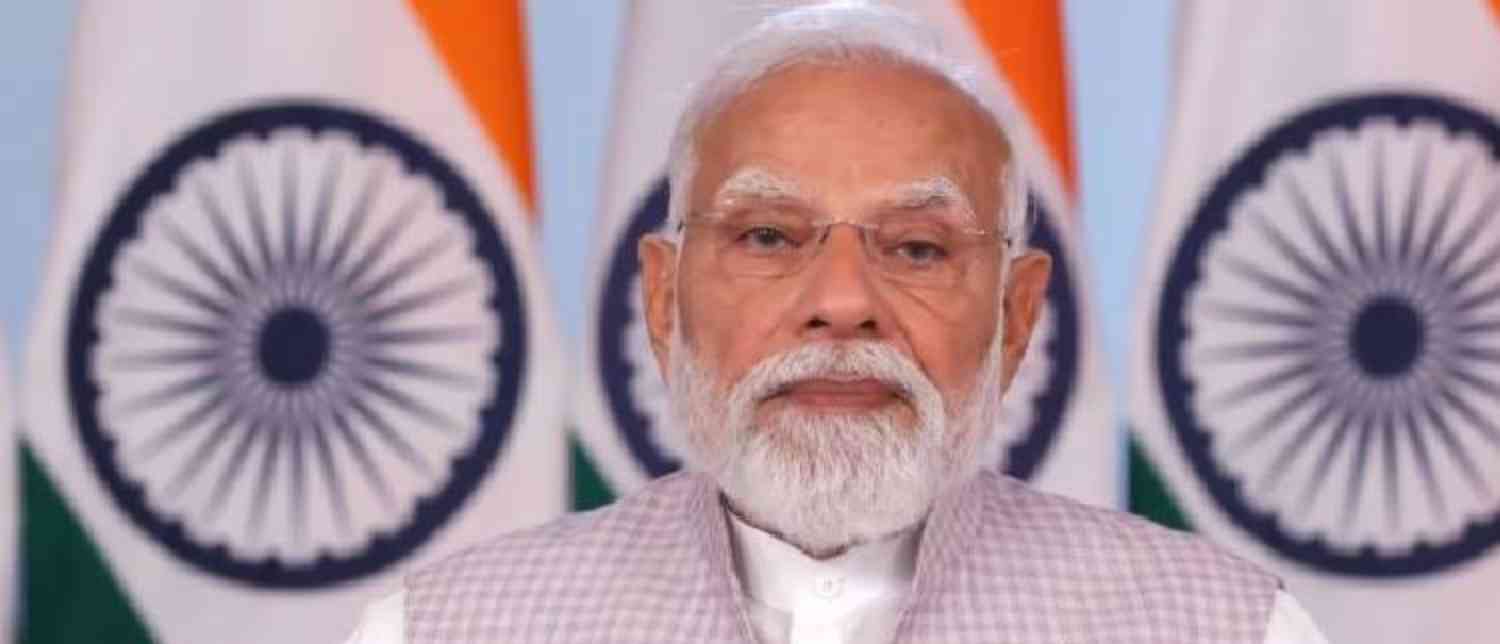
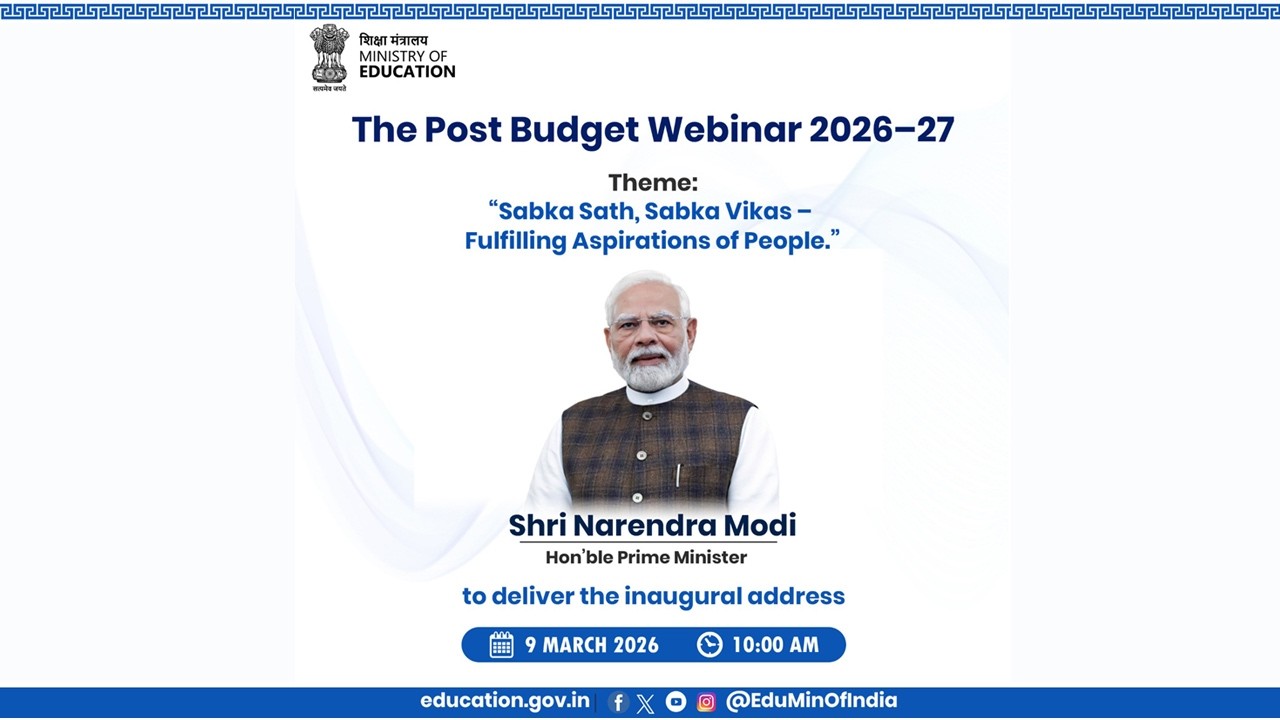
Prime Minister Narendra Modi addressed the Post-Budget Webinar 2026 on March 9 under the theme “Sabka Saath, Sabka Vikas – Fulfilling Aspirations of People: Education, Skills and University Townships.” The event, organised by the Ministry of Information and Broadcasting in collaboration with the Department of Higher Education, brought together policymakers, industry leaders, academicians, startups, and students to deliberate on the implementation of major initiatives announced in the Union Budget 2026–27.
The discussions centred on strengthening India’s education ecosystem, skill development framework, creative industries, and healthcare infrastructure, with a special focus on emerging sectors such as the Animation, Visual Effects, Gaming and Comics (AVGC) creator economy. The webinar also explored strategies to transform India’s youth into a globally competitive workforce while advancing the country’s ambition of becoming a developed nation.
Vision Behind the Post-Budget Webinar
The webinar was designed as a platform to translate the policy announcements of the Union Budget 2026–27 into actionable strategies. Participants included government officials, leaders from the creative and technology sectors, academics, and young innovators.
In his address, Prime Minister Narendra Modi emphasised that fulfilling citizens’ aspirations is not just a topic of discussion but the core philosophy behind the Union Budget and the government’s policy direction. He highlighted the importance of collaboration between government institutions, industries, and educational organisations to ensure effective implementation of the new initiatives.
The Prime Minister also underlined that creativity, culture, and technology must work together to create growth, employment opportunities, and enhance India’s global soft power.
Strengthening Education and Skills for a Changing Economy
One of the central themes of the webinar was education reform and skill development to prepare India’s youth for future economic demands.
Prime Minister Modi stressed that educational institutions must move beyond theoretical teaching and focus on providing students with practical, hands-on learning experiences. He highlighted the importance of aligning education with emerging industry needs so that students graduate with job-ready skills.
A strong emphasis was placed on STEM education—science, technology, engineering, and mathematics—which the Prime Minister described as essential for building a robust innovation ecosystem in India.
According to him, strengthening STEM education will help nurture innovators, researchers, and entrepreneurs capable of driving technological progress and economic growth.
He also encouraged universities and research institutions to promote creativity, inquiry, and experimentation, ensuring that young scholars are equipped to contribute to India’s future industries.
Focus on Women’s Participation in Education and Research
During his address, Prime Minister Modi also highlighted the critical role of women in education, research, and innovation.
He emphasised that India must continue to expand opportunities for women in academic and scientific fields. Institutions were urged to actively support women researchers and innovators so that their participation in high-impact sectors continues to grow.
The Prime Minister added that talent must be identified and nurtured even in remote towns and villages, ensuring that no potential innovator is left behind due to geographic or economic barriers.
Expanding Opportunities in Emerging Sectors
Another important aspect of the discussion was the emergence of new opportunities in sectors such as tourism and leisure.
Prime Minister Modi noted that strengthening the tourism ecosystem can create new employment opportunities and income streams across the country. By developing tourism infrastructure and supporting related industries, India can expand its service economy and boost local livelihoods.
He also highlighted the importance of digital connectivity and community engagement, stating that collaboration across sectors will be essential to achieving the vision of a “Viksit Bharat” (Developed India).
Boost to the AVGC Creator Economy
A key highlight of the webinar was the government’s push to expand the AVGC (Animation, Visual Effects, Gaming and Comics) sector, which is rapidly emerging as a major component of India’s Orange Economy.
The Ministry of Information and Broadcasting hosted a dedicated breakout session on “AVGC Content Creator Labs in Schools and Colleges.”
The session focused on implementing the Union Budget announcement to establish AVGC Content Creator Labs (CCLs) across 15,000 schools and 500 higher educational institutions.
These labs are intended to nurture creative talent and build a strong pipeline of skilled creators for India’s expanding digital and creative industries.
By integrating animation, gaming, and digital storytelling into education, the government aims to position India as a global leader in creative technology and digital entertainment.
Breakout Session on AVGC Content Creator Labs
The breakout session on AVGC Content Creator Labs was moderated by Chaitanya Chinchlikar, Vice President and Chief Technology Officer at Whistling Woods International.
The session featured a keynote address by Sanjay Jaju, Secretary of the Ministry of Information and Broadcasting, who highlighted the importance of building a structured ecosystem to support India’s creative industries.
Key Panel Participants
The panel discussion included experts from both government and industry, such as:
-
A. Srija, Economic Advisor, Department of School Education and Literacy
-
Dheeraj Sahu, Additional Secretary, Department of School Education and Literacy
-
Dr. Ashish Kulkarni, Chairman, FICCI AVGC Forum
-
Rajan Navani, Founder and Group CEO, JetSynthesys
-
Sonam Bhagat, CEO of Vygr
-
A student representative from the Indian Institute of Creative Technologies (IICT)
Industry Insights
The discussions were further enriched by contributions from leading figures in the creative and technology sectors, including:
-
Dr. Vishwas Deoskar, CEO of IICT
-
Munjal Shroff, Director and COO of Graphiti Studios and Chairman of FICCI AVGC-XR
-
Biren Ghose, Founder and CEO of Astra Studios
-
Manvendra Shukul, CEO of Lakshya Digital
-
Mala Sharma, Global Vice President for Education and International at Adobe
-
Preeti Vyas, President of Mythik
The session also included participation from two young volunteers from the MyBharat initiative, who shared perspectives on youth engagement in the creative economy.
Participants explored strategies to ensure that the Content Creator Labs initiative produces industry-ready talent, fosters innovation, and strengthens India’s position in the global AVGC market.
Preventive Healthcare and Strengthening the Care Economy
Apart from education and skills, Prime Minister Modi also addressed the importance of preventive and holistic healthcare during the webinar series.
He noted that India’s health infrastructure has expanded significantly in recent years, with hundreds of new medical colleges opening across multiple districts.
The Prime Minister highlighted that healthcare access is being strengthened through initiatives such as Ayushman Bharat, the establishment of Aarogya Mandirs, and the expansion of digital health services.
He also pointed out that traditional Indian health systems such as Yoga and Ayurveda are gaining increasing popularity around the world.
Rise of the Care Economy and New Employment Opportunities
A major theme highlighted by the Prime Minister was the emergence of the “care economy.”
He noted that the global demand for trained caregivers is rising rapidly, creating new employment opportunities for India’s youth.
Prime Minister Modi encouraged healthcare experts and institutions to develop innovative training models and partnerships that can strengthen India’s caregiver training ecosystem. Such initiatives could create skill-based jobs for lakhs of young Indians while also addressing global healthcare workforce shortages.
Digital Healthcare and Telemedicine Expansion
Another significant area discussed during the webinar was digital healthcare transformation.
The Prime Minister spoke about the success of telemedicine services in connecting patients in remote regions with medical professionals.
While acknowledging its progress, he emphasised the need to improve awareness and simplify user experience so that more citizens can benefit from telehealth services.
Digital health technologies, according to the Prime Minister, will play a critical role in expanding healthcare access and reducing disparities between urban and rural areas.
Strengthening Emergency and Trauma Care Systems
A separate breakout session focused on the Union Budget 2026-27 announcement regarding strengthening emergency and trauma care services across India.
The initiative aims to increase emergency and trauma care capacity by 50% in district hospitals by establishing dedicated Emergency and Trauma Care Centres.
Participants in the session included policymakers, public health experts, clinicians, hospital administrators, and representatives from state governments.
Key Areas of Discussion
The session explored several important reforms, including:
-
Improving pre-hospital emergency response systems
-
Integrating the 112 Emergency Response Support System (ERSS) with ambulance services and hospitals
-
Enhancing coordination between emergency services for faster response times
Panellists also discussed upgrading district hospital infrastructure by converting existing casualty wards into fully equipped Emergency Care Departments.
These upgraded facilities would include: Triage areas, Resuscitation facilities, Ambulance bays, Diagnostic units, and Emergency operation theatres.
Such measures aim to ensure timely medical intervention and better patient outcomes, particularly for vulnerable populations facing sudden health emergencies.
Closing Session and Key Takeaways
The webinar concluded with a summary of the discussions and insights generated during the various sessions. The closing address was delivered by Ashwini Vaishnaw, India’s Minister of Information and Broadcasting.
He highlighted the importance of collaboration between government agencies, industry stakeholders, educational institutions, and innovators to implement the initiatives announced in the Union Budget effectively.
A Step Toward India’s Future Workforce and Innovation Ecosystem
The Post-Budget Webinar 2026 provided a comprehensive platform for discussing how India can transform policy announcements into practical outcomes.
From strengthening STEM education and creative industries to expanding healthcare infrastructure and the care economy, the discussions underscored a multi-sector strategy aimed at empowering India’s youth and driving sustainable economic growth.
The insights generated during the webinar are expected to help shape actionable policies and collaborative frameworks, ensuring that initiatives such as AVGC Content Creator Labs, improved emergency healthcare systems, and advanced skill training programs are implemented effectively.
By focusing on innovation, skills, digital transformation, and inclusive growth, the government aims to position India as a global leader in both the knowledge economy and the creative industries, while advancing the broader vision of a Viksit Bharat.
With inputs from agencies
Image Source: Multiple agencies
© Copyright 2025. All Rights Reserved. Powered by Vygr Media.